Dangerous solar storms can now be predicted up to two years in advance, thanks to new study
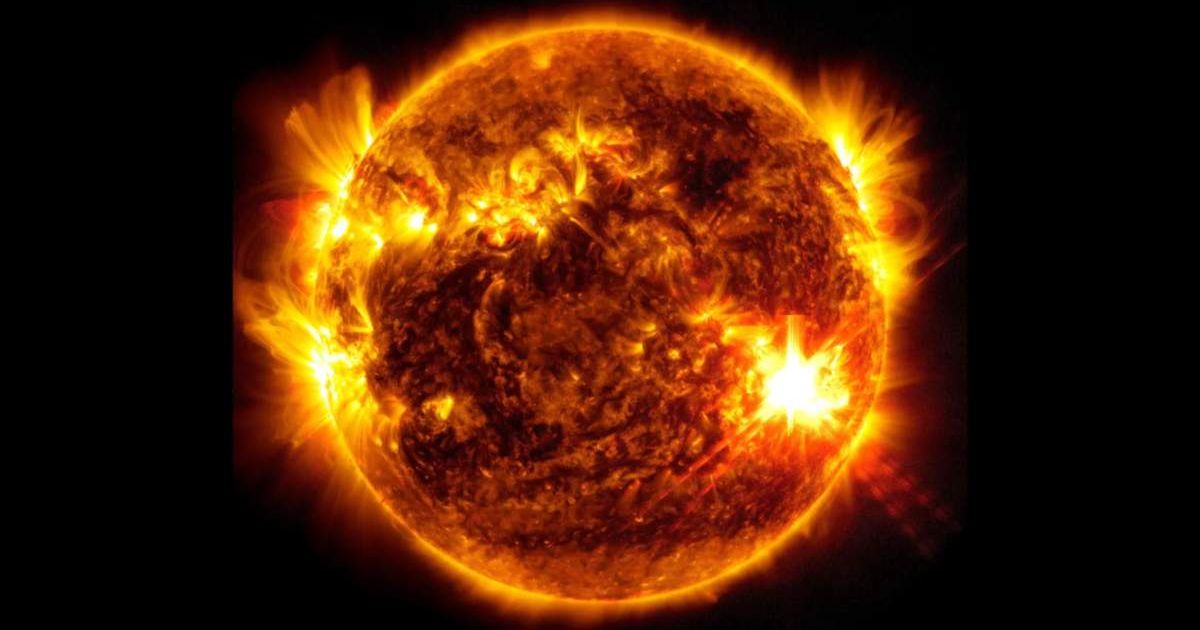
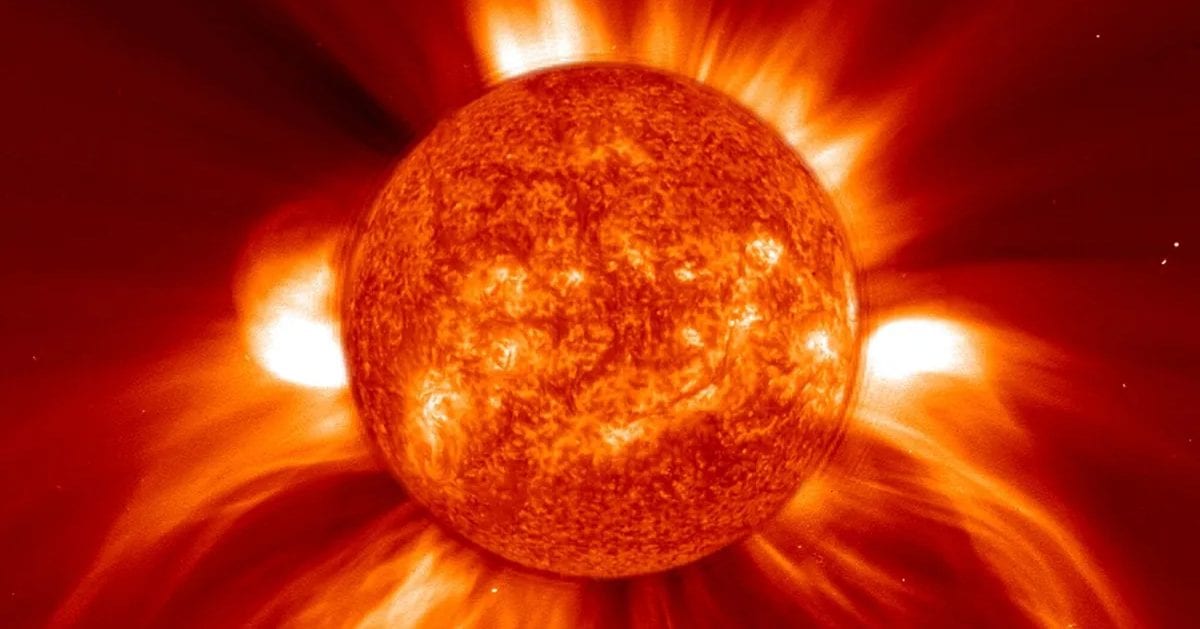
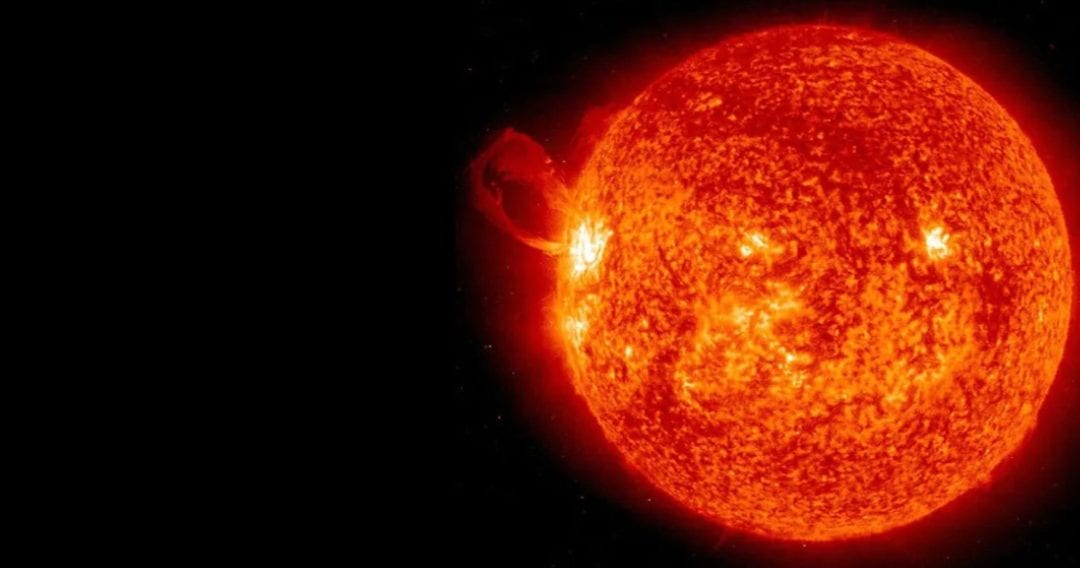
Scientists have achieved a major breakthrough in forecasting powerful solar storms called superflares that can disrupt power grids and satellites and even harm astronauts. Published on February 13, 2026, in the Journal of Geophysical Research: Space Physics, the study combines the efforts of scientists from the US, Mexico, Hungary, Turkey, China, Russia, and Czechia. The team analyzed 50 years of data from 1975 to 2025, captured by Geostationary Operational Environmental Satellites (GOES). The analysis revealed that magnetic energy builds up in specific zones of the Sun, making them more likely to release eruptions. Additionally, the team also found that the risk of superflares increases when two natural cycles—a 1.7-year cycle and a 7-year cycle—align in certain ways.
Addressing the difficulty in predicting solar weather, lead researcher Dr. Victor M. Velasco Herrera from Mexico's National Autonomous University was quoted by CERES as saying, “Traditional solar forecasting struggles with these extreme events because they happen so quickly and unpredictably." On what differentiates this new technique from its predecessors, he added, “Our method gives space weather operators and satellite managers one to two years of advance warning about when conditions are most dangerous. This critical lead time allows them to prepare and protect communications systems, power grids, and astronaut safety.”
Region 3664, now over the southwest limb, produced another X-class flare at 0837 UTC. Significant magnetic looping remains visible above the region, suggesting additional strong flares are possible despite its far-side location. pic.twitter.com/QTZTxlIGZx
— NOAA Space Weather Prediction Center (@NWSSWPC) May 15, 2024
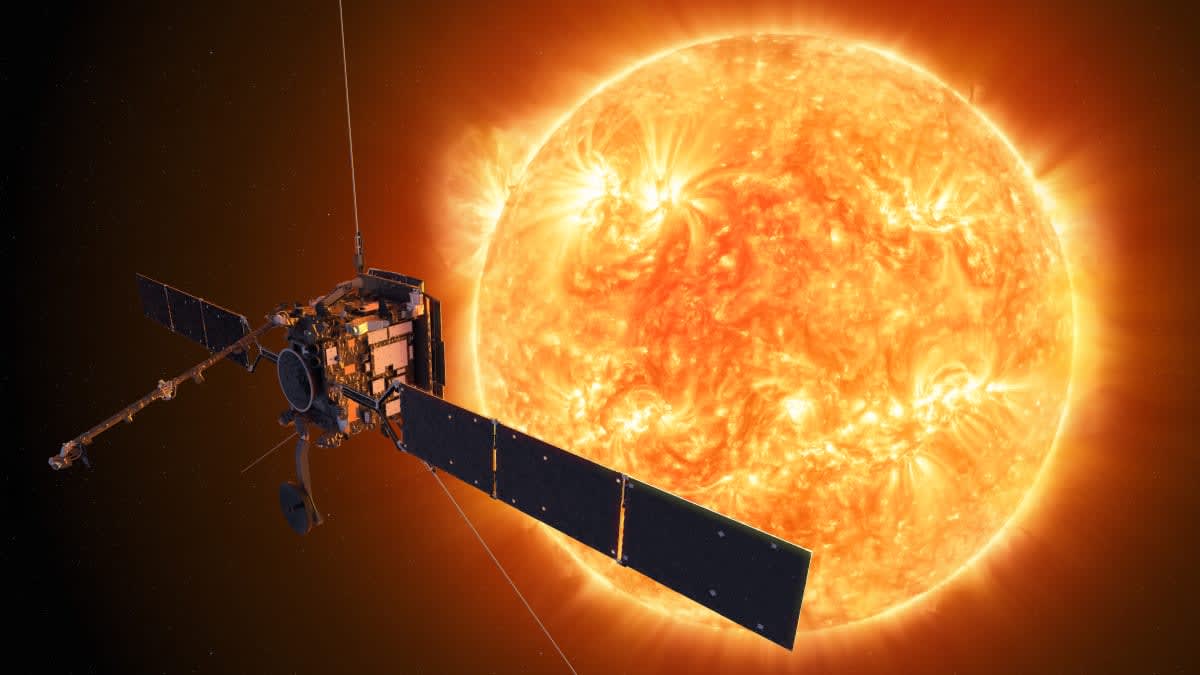
The model's accuracy was serendipitously validated during peer review, when ESA’s Solar Orbiter provided data showing massive superflares on the far side of the Sun. These included an X11.1 on May 14, 2024, a couple on May 15, 2024, measuring X9.7 and X9.5, and a gigantic X16.5-class flare on May 20, 2024. The readings from these flares agreed with the predicted patterns. Dr. Herrera called it “pure luck."
The devised system forecasts the period between July 2025 and June 2026 as one of elevated activity in the Sun's southern hemisphere (5°S to 25°S latitude). Another such period is predicted to be in effect from February 2027 to September 2027, originating in the northern hemisphere (10°N to 30°N latitude).
This advancement comes on the heels of a study that mapped the Sun's interior magnetic field. A 3D model of the solar interiors by researchers was created using 30 years of Solar and Heliospheric Observatory (SOHO) and the Solar Dynamics Observatory (SDO) data. That study could help protect aviation and communications from the adverse effects of solar flares and coronal mass ejections (CMEs).
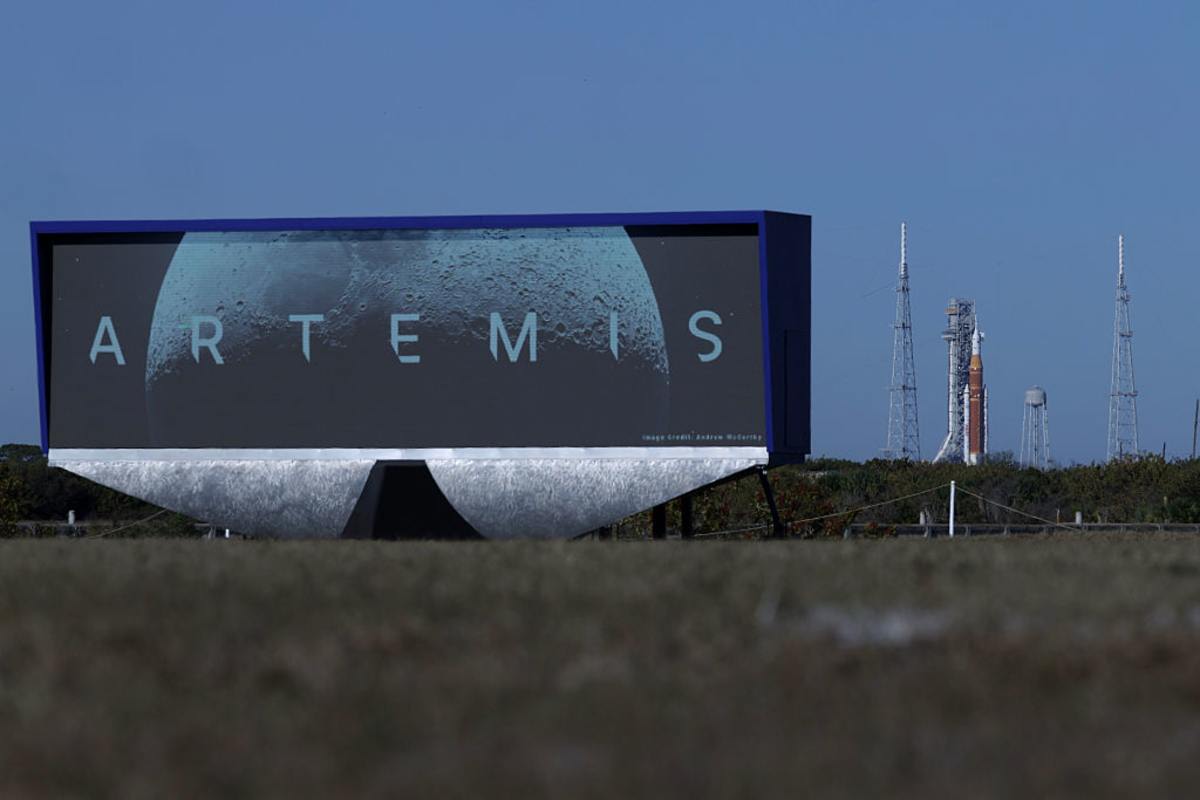
Consistent with the heightened solar activity emerging around the beginning of last month, sunspot region 4366 ejected multiple X-class flares alongside several M- and C-class events. With similar periods of solar activity projected for a large part of the year ahead, the researchers welcomed NASA’s decision to postpone their Artemis II launch. Though this decision was forced by its own technical issues, Dr. Herrera mentioned, “NASA is right to postpone the Artemis II mission.” He also remarked that further postponement should follow. “but given how active the Sun is right now, our forecasts suggest that delaying the launch until the end of 2026 may be a much safer decision."
More on Starlust
Scientists solve a decades-old mystery by finding the hidden source of solar flare gamma rays
Scientists solve 50-year-old mystery, discover solar flares 6.5 times hotter than expected