Earth just faced the strongest solar radiation storm in over 22 years—here's what you need to know
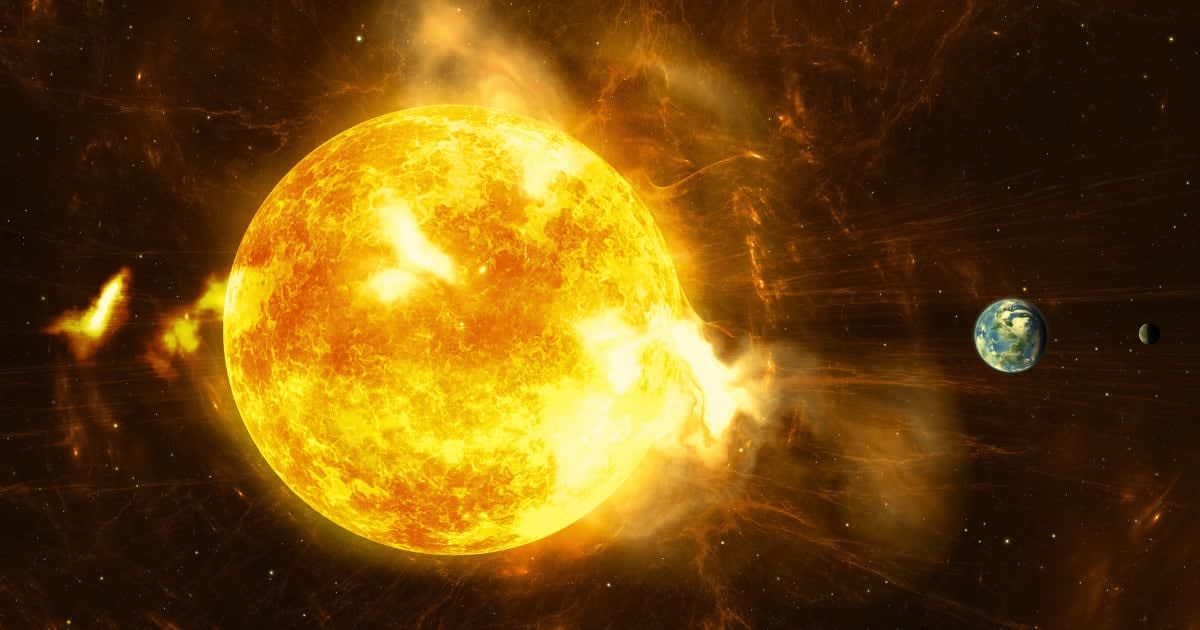
NOAA's Space Weather Prediction Center classified the storm as S4 (severe).
An illustration of the Sun producing super-storms and massive radiation bursts that are transversing towards Earth. (Representative Cover Image Source: Getty Images| Pitris)

Earth endured its most intense solar radiation storm in over 22 years on January 19, 2026, a day after a powerful X1.9-class solar flare from sunspot region AR4341 triggered an R3 radio blackout within the Arctic region. NOAA’s Space Weather Prediction Center classified the event as S4, making it a severe solar radiation storm. This S4-class radiation storm surpassed the infamous “Halloween storms” from October 2003 in proton flux intensity, as measured by the Geostationary Operational Environmental Satellite (GOES-19). A solar radiation storm is characterized by charged particles, such as protons, racing at near-light speeds and impacting satellites and polar flights in a matter of minutes after being ejected from the sun.  
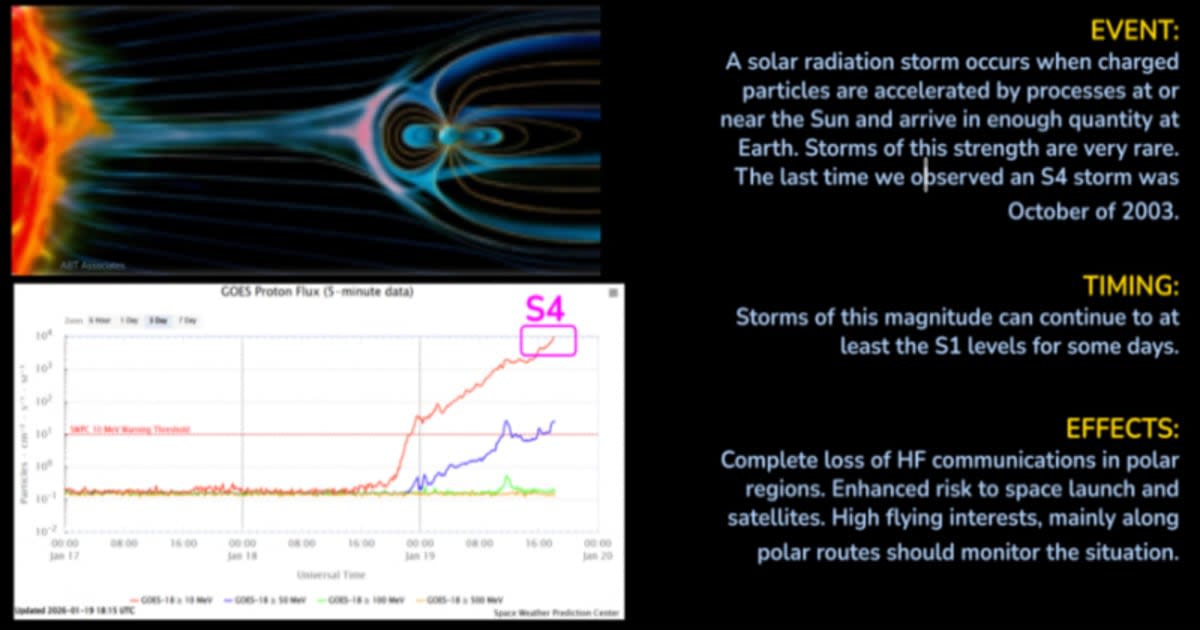
GOES-19 proton flux readings published by NOAA SWPC as a part of their S4 solar radiation storm alert on January 19, 2026 (Representative Image Source: NOAA | SWPC)

According to the SWPC, a G-4 (severe) geomagnetic storm alert was also issued for January 20, 2026. This resulted in the visibility of aurora across multiple US states, even in places where such events are rare, on January 20 and 21. Data from Spaceweather.com in relation to the coronal mass ejection (CME) impact in the late hours of January 19 also supported the G4 storm event alerts, adding that the storm is set to continue into January 21.
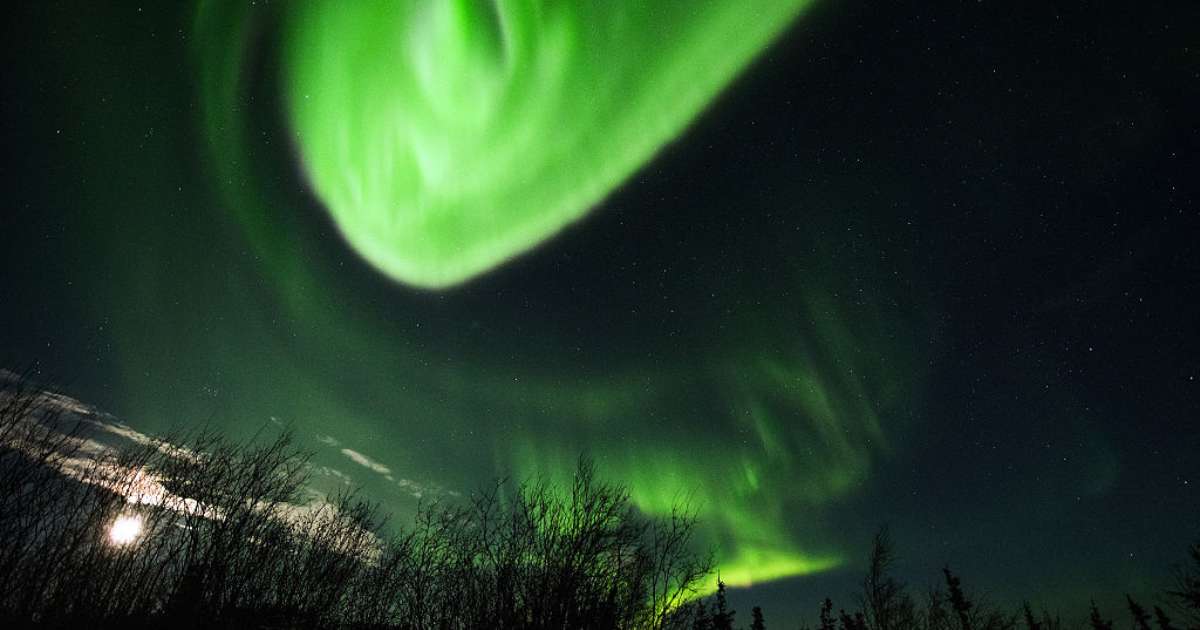
The Aurora Borealis appears in the sky on January 8, 2017 near Ester Dome mountain about 10 miles west of Fairbanks, Alaska (Image Source: Getty | Lance King)
The Aurora Borealis appears in the sky on January 8, 2017, near Ester Dome mountain, about 10 miles west of Fairbanks, Alaska (Representative Image Source: Getty | Lance King)

Space weather events such as these have been all too common in the past few months, with a strong X5-class solar flare in early November, followed by a G4 geomagnetic storm, resulting in aurora sightings beyond the usual confines of northern latitudes.
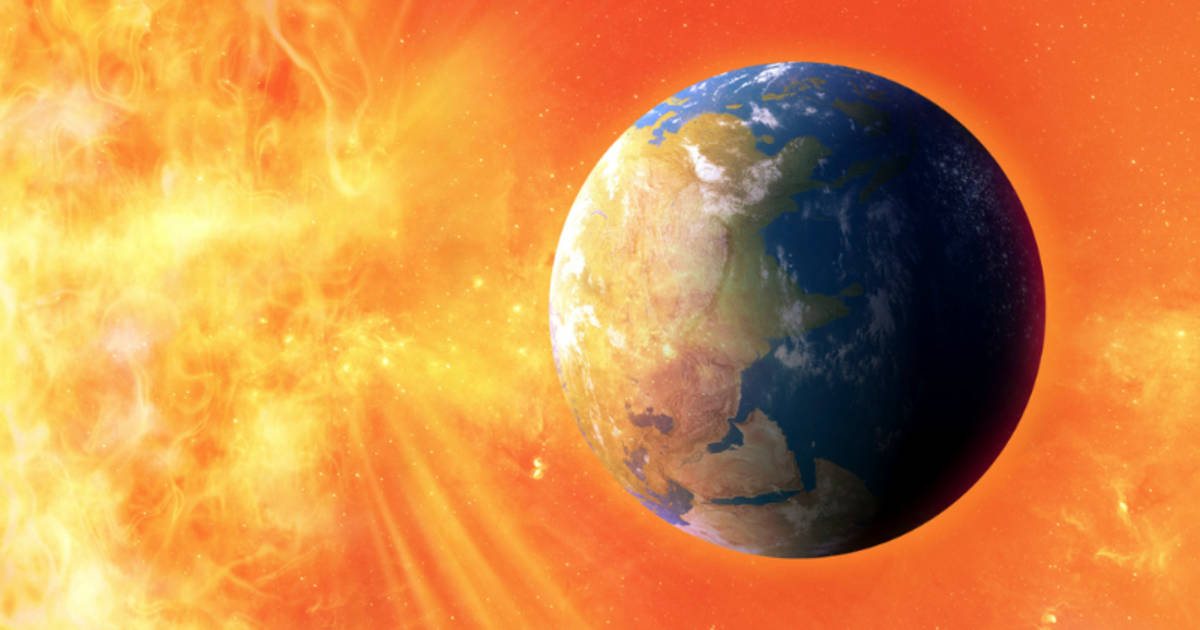
A digital illustration of a solar flare hitting the Earth's surface.
(Representative Image Source: Getty Images | Victor Habbick Visions.)
A digital illustration of a solar flare hitting the Earth's surface. (Representative Image Source: Getty Images | Victor Habbick Visions.)

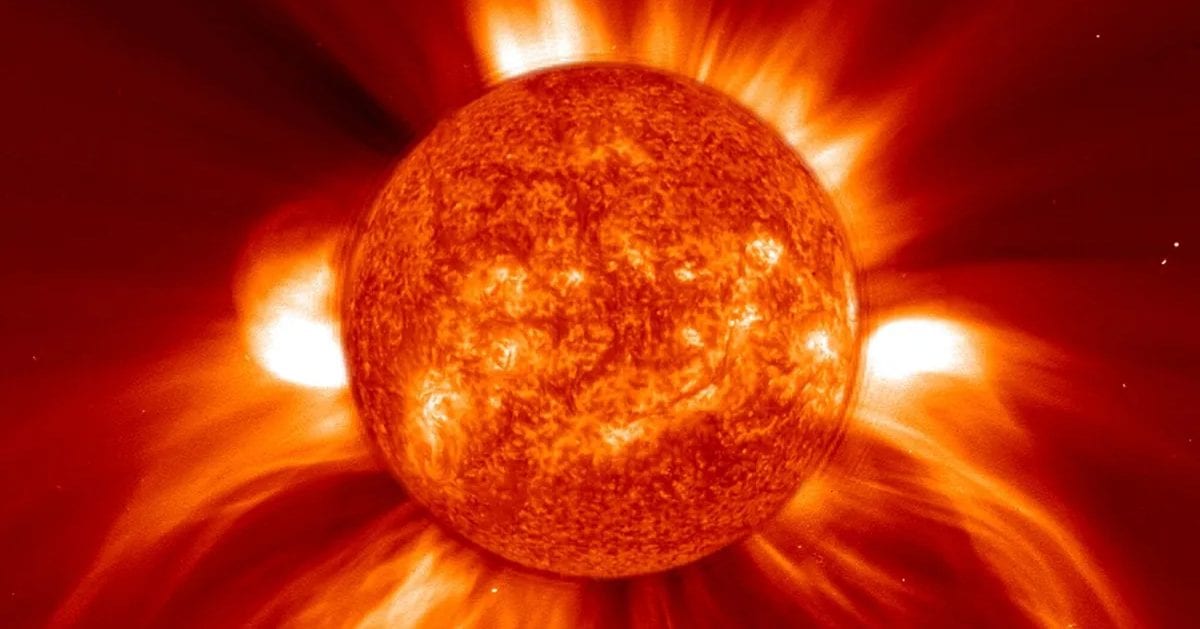
Solar flares, like the one on Sunday and the similarly rated solar flare from November 30, 2025, erupt as sudden releases of radiation that span across the entire width of the electromagnetic spectrum—including X-rays, radio waves, gamma rays, ultraviolet, and visible light. They are categorized as A, B, C, M, and X-class, with the latter having a 10-fold increase in energy over the preceding class, i.e., M-class, according to NASA. They are the most powerful explosions in the solar system, having enough energy to match a billion hydrogen bombs. Meanwhile, CMEs, or coronal mass ejections, are eruptions of plasma from the sun’s outer atmosphere, the corona. These are what are directly responsible for geomagnetic storms and occurrences of aurora.
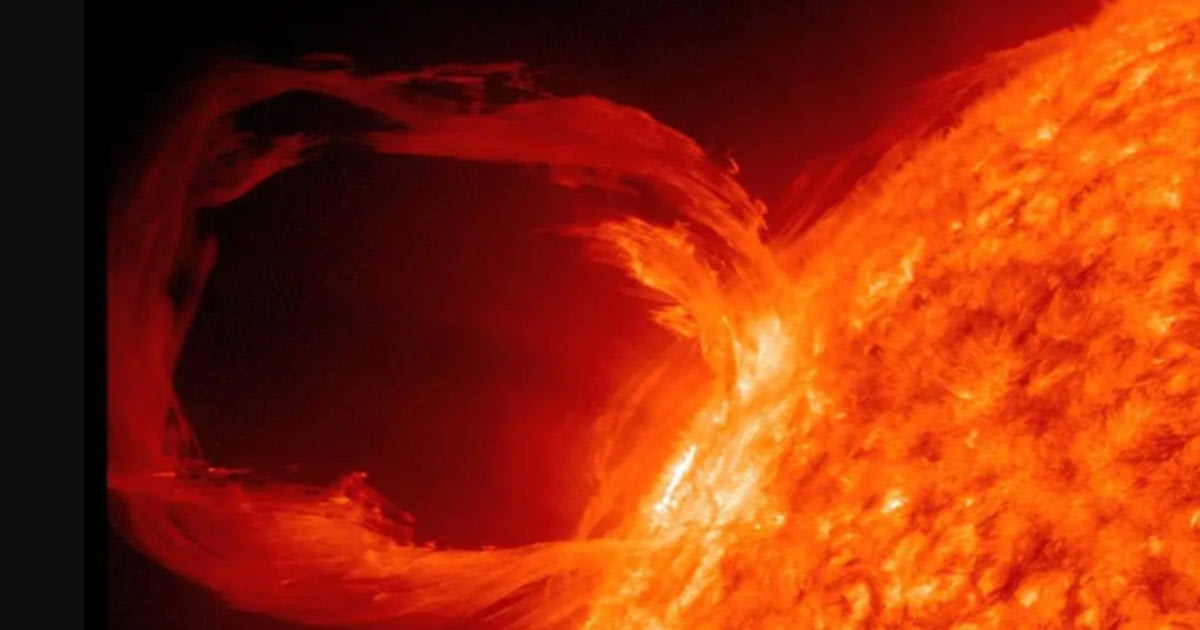
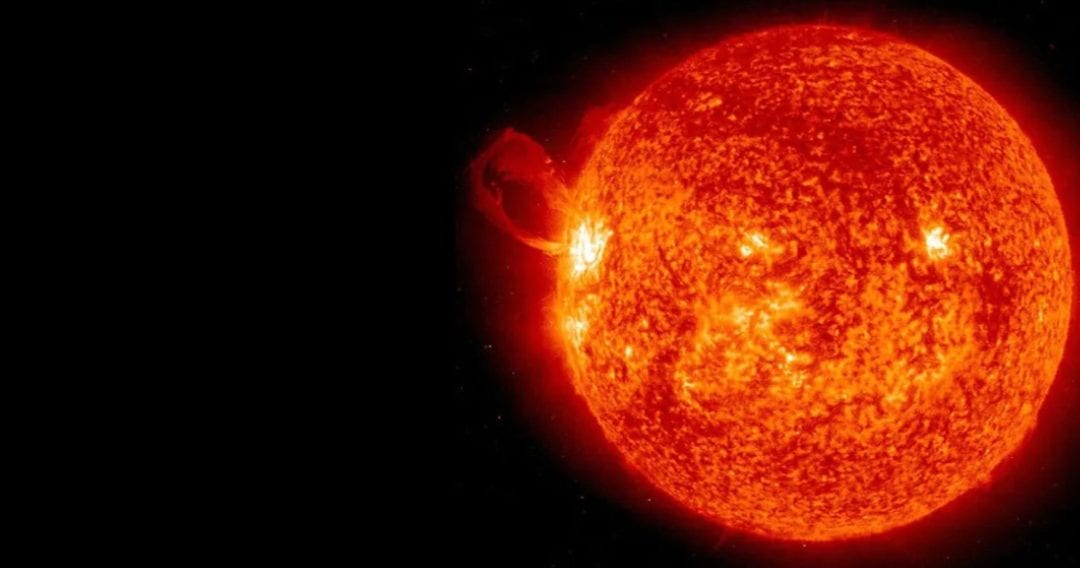
An image of solar eruptive prominence as seen in extreme UV light on March 30, 2010 with Earth superimposed for a sense of scale. (Image Source: NASA/SDO)
An image of solar eruptive prominence as seen in extreme UV light on March 30, 2010, with Earth superimposed for a sense of scale. (Representative Image Source: NASA/SDO)

Though linked with CMEs and solar flares, solar radiation storms happen when charged particles such as protons and electrons are ejected into space at extremely high velocities, often traversing the distance to Earth in a matter of minutes. They have the capability of penetrating the Earth’s protective magnetosphere by following the magnetic field lines at the north and south magnetic poles, possibly reaching the surface. 
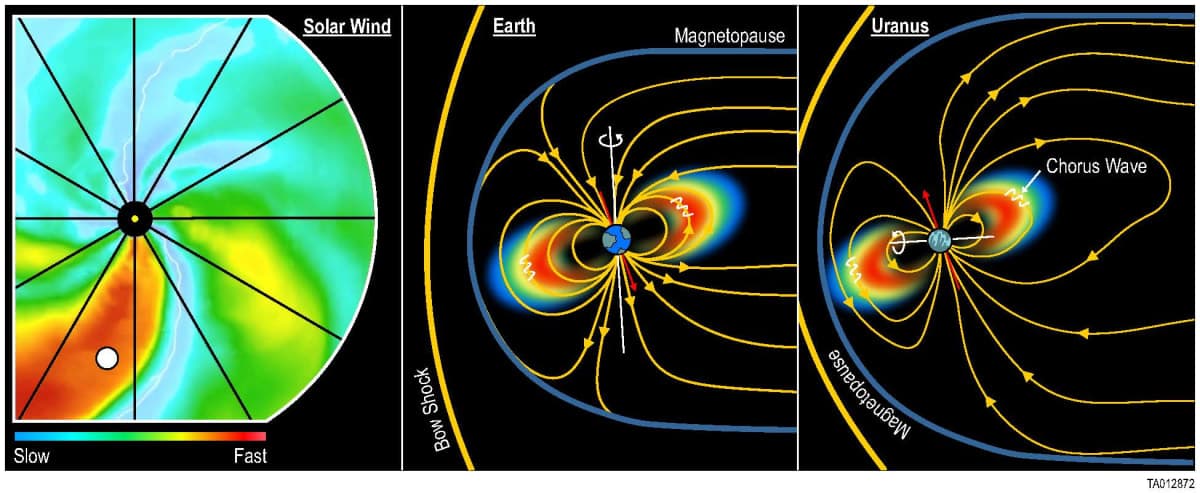
SwRI scientists compared space weather impacts of a fast solar wind structure (first panel) driving an intense solar storm at Earth in 2019 (second panel) with conditions observed at Uranus by Voyager 2 in 1986 (third panel). (Image Source: SwRI)
Solar radiation particles, protons, and electrons follow the magnetic field lines to penetrate to the surface at the magnetic poles, as it does with other planets in our solar system, as shown here by Uranus’ field lines. The first image shows the top-down view along the poles (Image Source: SwRI)

Solar radiation storms and their constituent particles can ionize atmospheric molecules and atoms by removing electrons, which affects high-frequency radio communications. They can also degrade satellite hardware, such as solar panels and electronic circuits. What’s worse, they pose radiation risks to current crew members aboard the International Space Station and those in polar missions, as high-speed particles from solar radiation storms can penetrate human tissue.


More on Starlust

NASA's PUNCH mission captures groundbreaking new views of the Sun

Scientists solve a decades-old mystery by finding the hidden source of solar flare gamma rays
MORE STORIES

Missed the August 2026 solar eclipse? Don't worry. Read here to know all about the timings of the next five total solar eclipses.
2 days ago
The model will make life much easier for lunar scientists, helping them quickly analyze vast quantities of data.
2 days ago
New rockets for NASA, discovery of new cosmic objects, and some watchdog reports round out the week.
3 days ago
This piece from a comet was about 16 inches in diameter and was traveling at 145,000 miles per hour.
3 days ago
New research suggests the planet has lost nearly 12 miles from its diameter, and the reason could lie deep inside.
3 days ago
The research, led by a SETI scientist, takes a completely different approach to the existing efforts of searching for life beyond our planet.
4 days ago
As of now, scientists are not sure whether Venus ever had a moon.
4 days ago
The four different spacecrafts that were observing the Sun at that time have finally provided the data that helped scientists reach a conclusion.
5 days ago
The ability to detect ocean glint on other worlds could be invaluable in the search for life.
5 days ago
The research offers clues about how dying stars forge the elements that make up everything from planets to people.
6 days ago