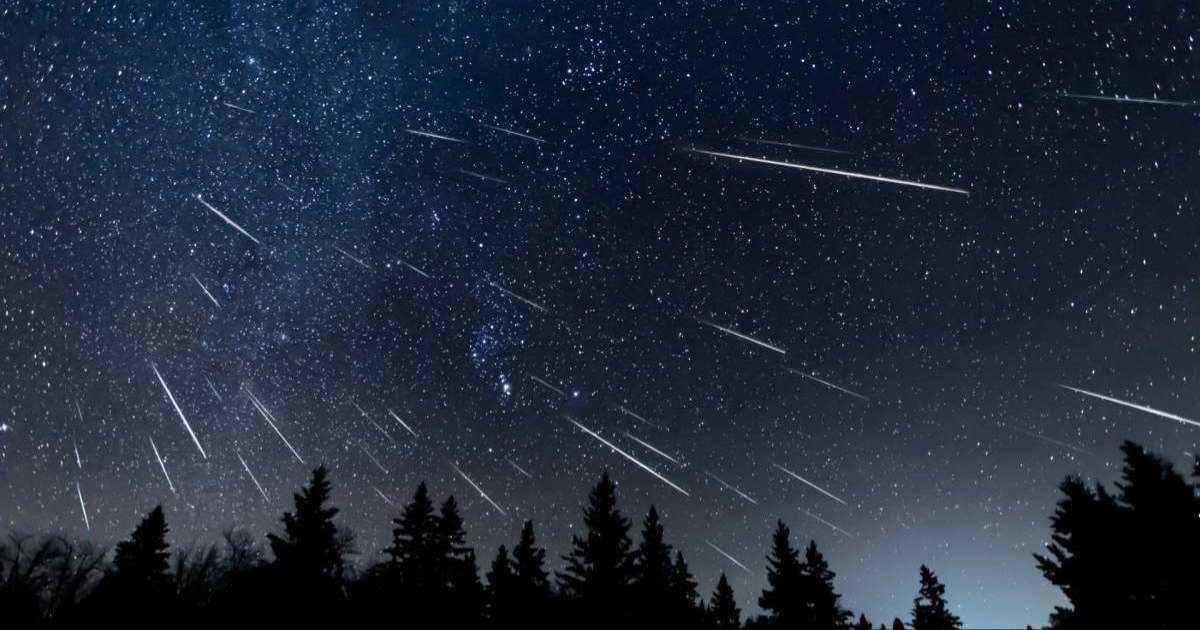
5 stunning lunar events to watch after the Cold Supermoon in December 2025

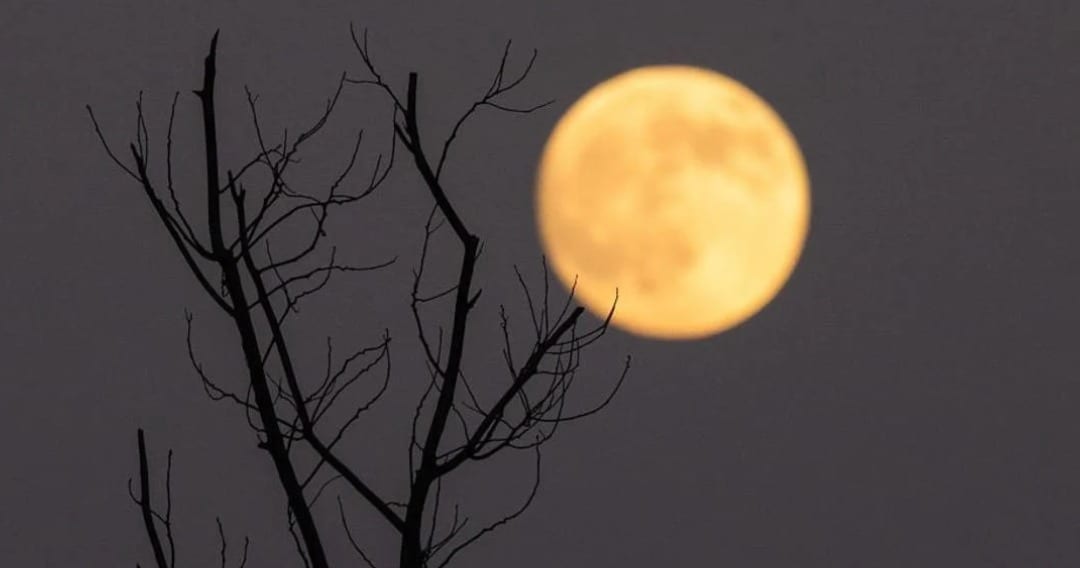
December begins with the full Cold Moon, which will be completely illuminated on the 4th at 6:14 p.m. EST, per the Almanac. While skywatchers will be able to spot numerous features on the Moon during the event with or without visual aid, it's not the only lunar spectacle in store for the final month of the year. Curious as to what to look out for after the much-awaited Cold Moon? Read on.
Lunar occultation of the Pleiades - December 4
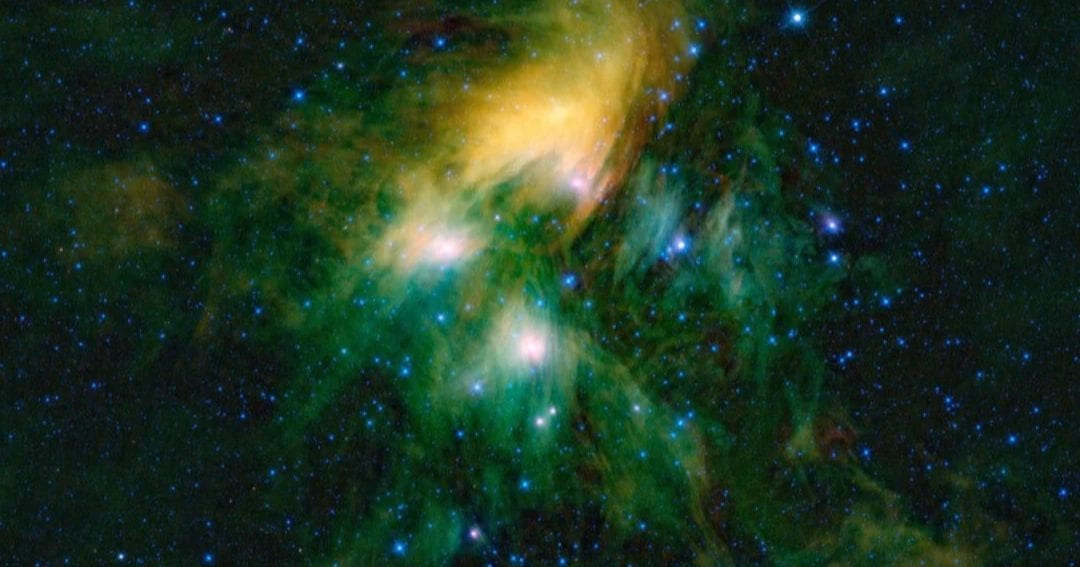
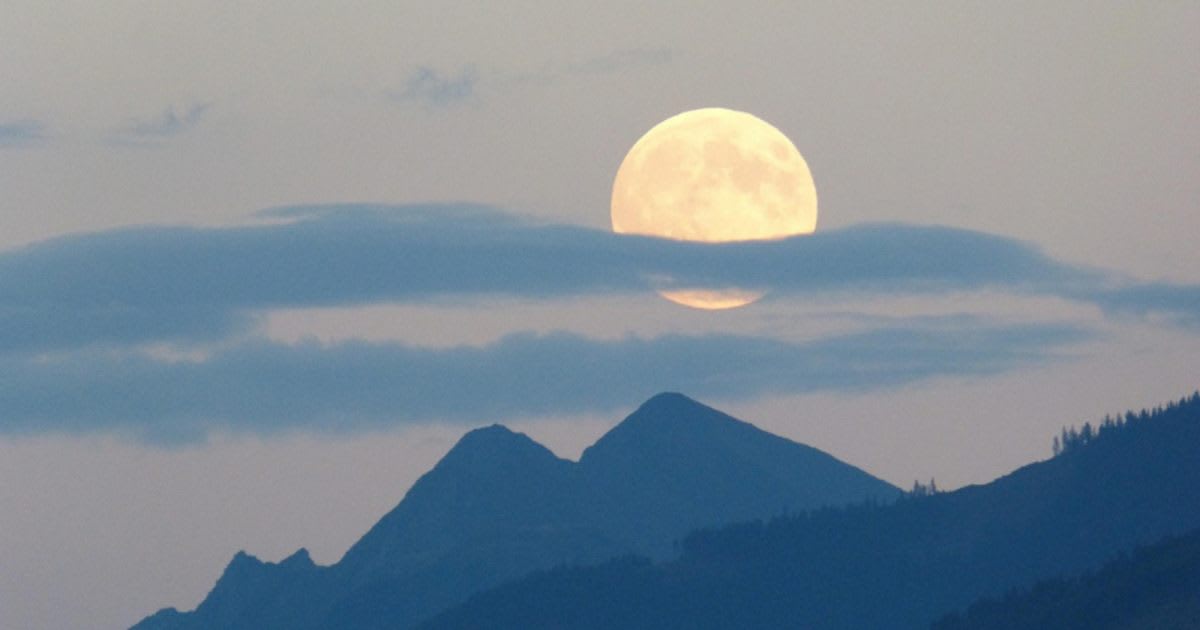
On December 4, the Cold Moon will pass directly in front of the Pleiades star cluster, also known as the Seven Sisters, causing a lunar occultation. Per Starwalk, viewers in San Francisco and Los Angeles will be able to see our sole natural satellite cover some of the cluster's brightest stars, including Electra, Merope, Maia, and Alcyone. For Chicago residents, the Moon will pass along the edge of the cluster, covering Electra, Celaeno, Maya, and Taygeta. The event will start at 23:55 GMT on December 3 and will go on till 05:18 GMT on December 4.
The Moon-Jupiter conjunction - December 7
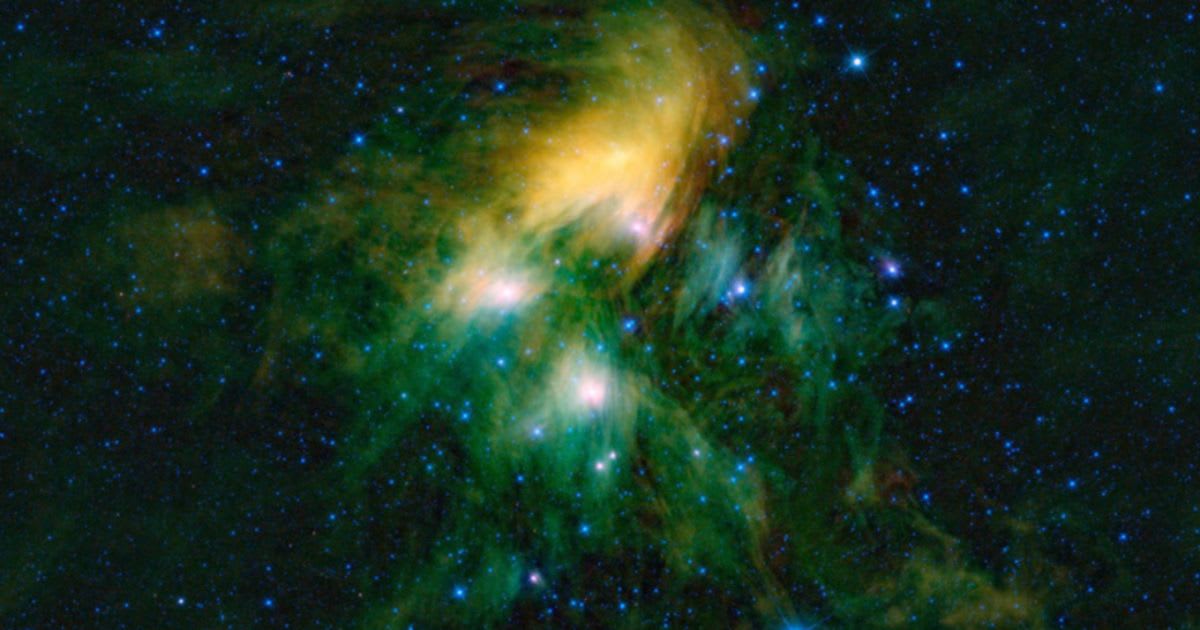
The moon will be 93% illuminated on December 7, 2025, when it will pass close to Jupiter (magnitude of -2.6). The gas giant will be highlighted in the sky as the brightest star-like object, due to Venus being lost in the Sun’s glare this month. The conjunction will happen at 15:46 GMT, and the two celestial bodies will make the closest approach to each other at 17:11 GMT. The moon and Jupiter will be seen rising high in the sky, with the highest point coming around midnight.
Lunar occultation of Antares - December 18
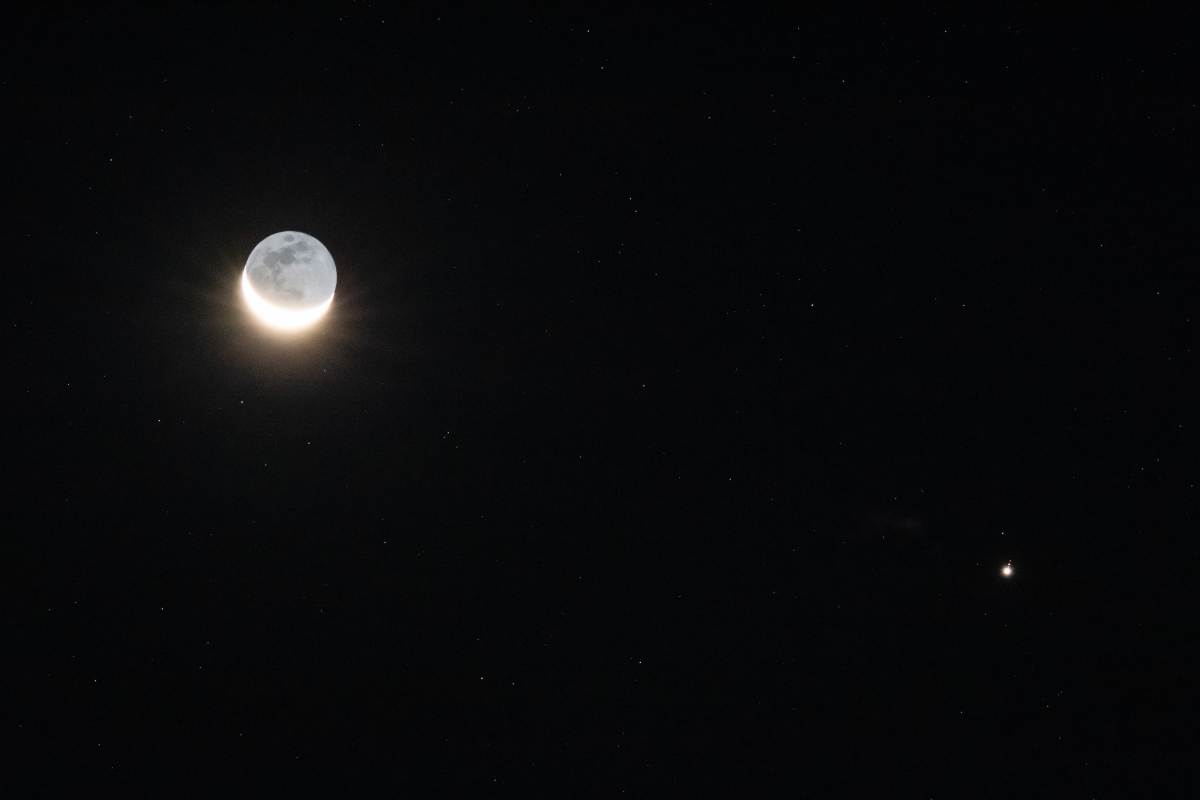
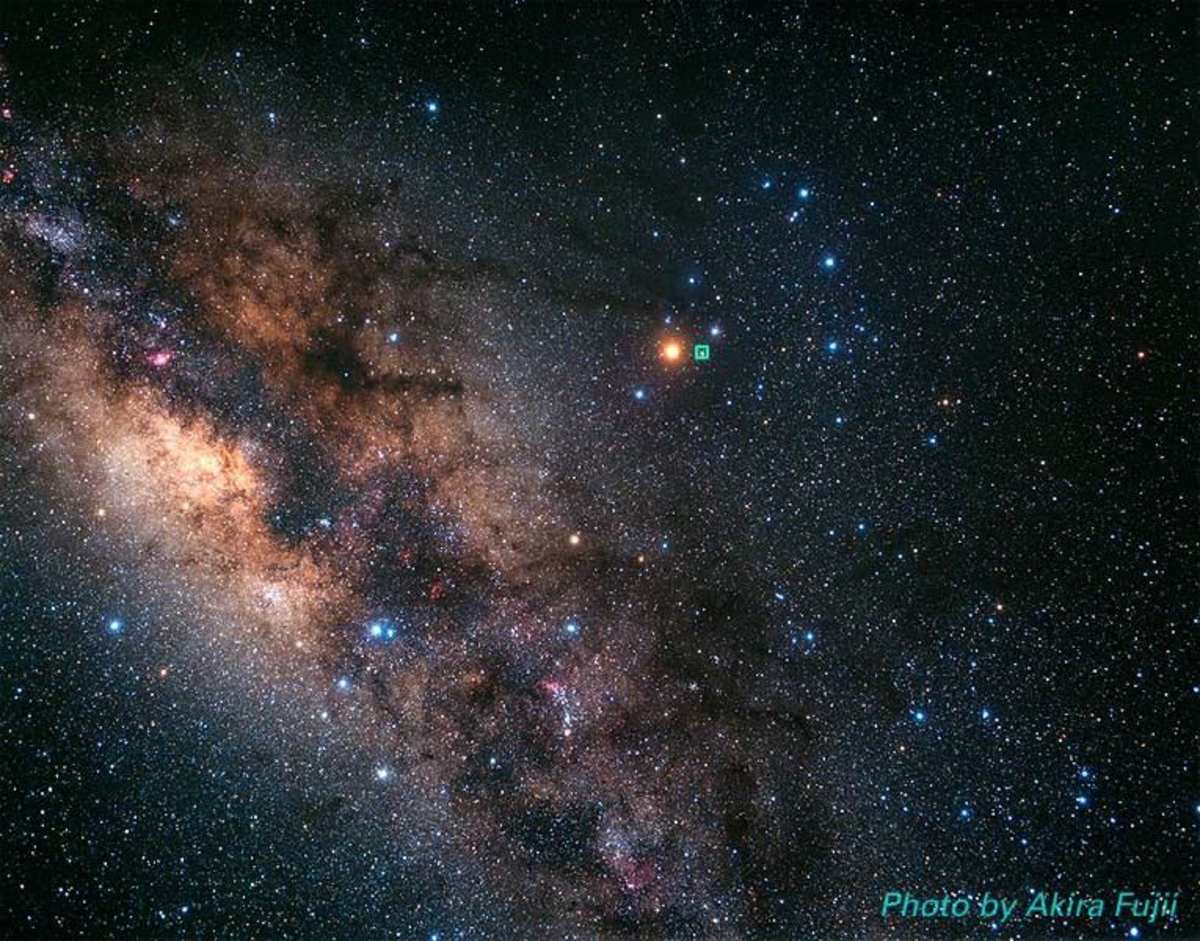
The faintly illuminated Moon will pass close to Antares (magnitude 1.0) in the constellation Scorpius on December 18, 2025. Antares is a supergiant star that looks like a bright reddish dot to the naked eye, according to Starwalk. This star will shine brightly while the less illuminated thin crescent Moon will be barely visible. A pair of binoculars or a telescope might help spot the faint outline of the Moon near the star. The occultation will begin at 11:00 GMT and end at 15:15 GMT.
Moon-Saturn conjunction - December 27
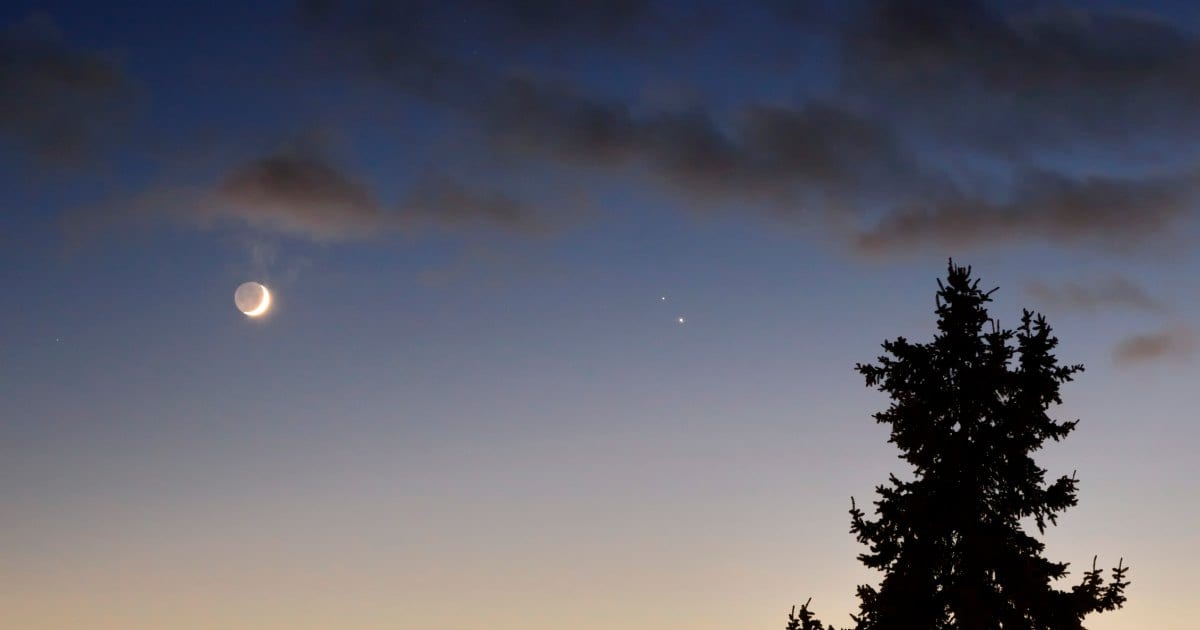
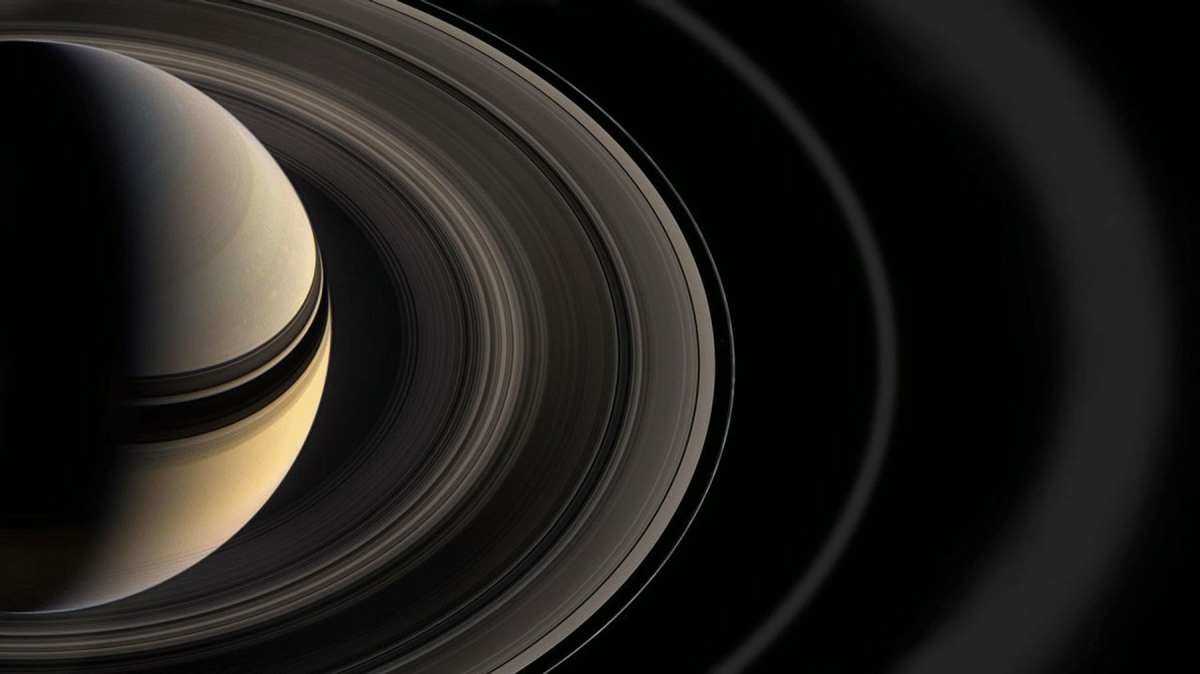
The ringed planet Saturn will meet the 7-day-old waxing crescent Moon, which will pass 4°01' to the north of the planet. The two objects will also be making a close approach, called an appulse, around the same time. The conjunction will take place at 03:34 GMT on December 27, 2025, and will be seen in the southwest sky after sunset, as per In The Sky. The gap will be too wide to fit in a telescope’s view, but can be seen with binoculars or the naked eye. The Moon will be at magnitude -11.8 in the constellation Pisces, and Saturn at magnitude 0.9 in the constellation of Aquarius.
Second lunar occultation of the Pleiades - December 31
The last day of the year, December 31, 2025, will witness an 88%-illuminated Moon glide past the Pleiades star cluster again. This will not only be a close approach, but a lunar occultation of the cluster for people across eastern Asia, Japan, and much of Russia. According to Starwalk, the Moon will behave the same way it did in the first occultation, with stars going in and coming out of the shadow. The Moon and the clusters will be at the perfect spot for observation during late evening, when they will reach the highest point, best seen by binoculars.
More on Starlust
Cold Moon 2025: When and how to see the December Supermoon
December 2025 skywatching guide: Cold Supermoon, Geminid meteor shower and more