December 2025 skywatching guide: Cold Supermoon, Geminid meteor shower and more
A fantastic month for stargazing awaits us, as December will bring major lunar events, sparkling meteor showers, and visible planets in the sky.
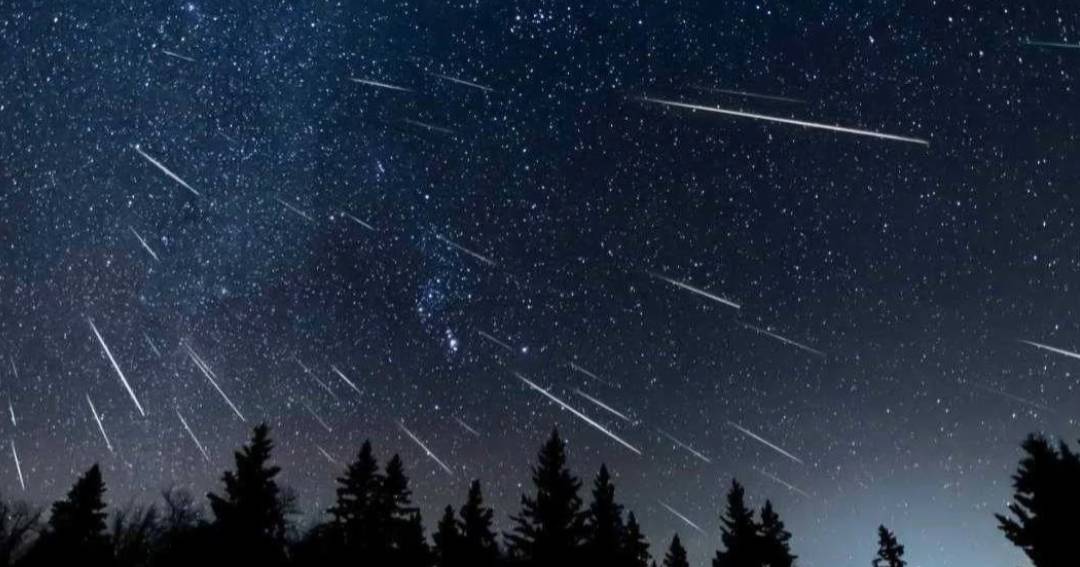
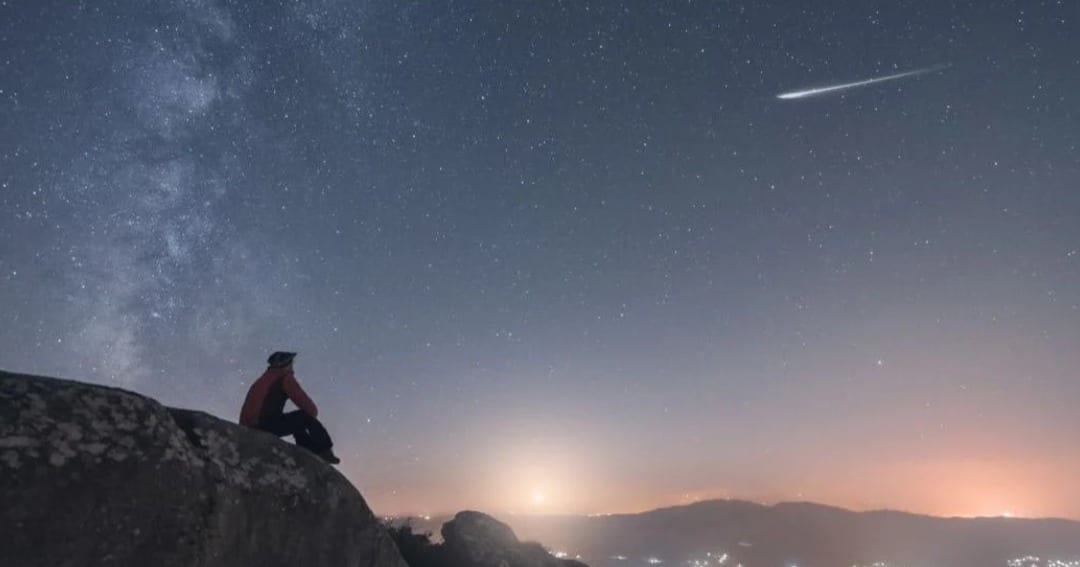
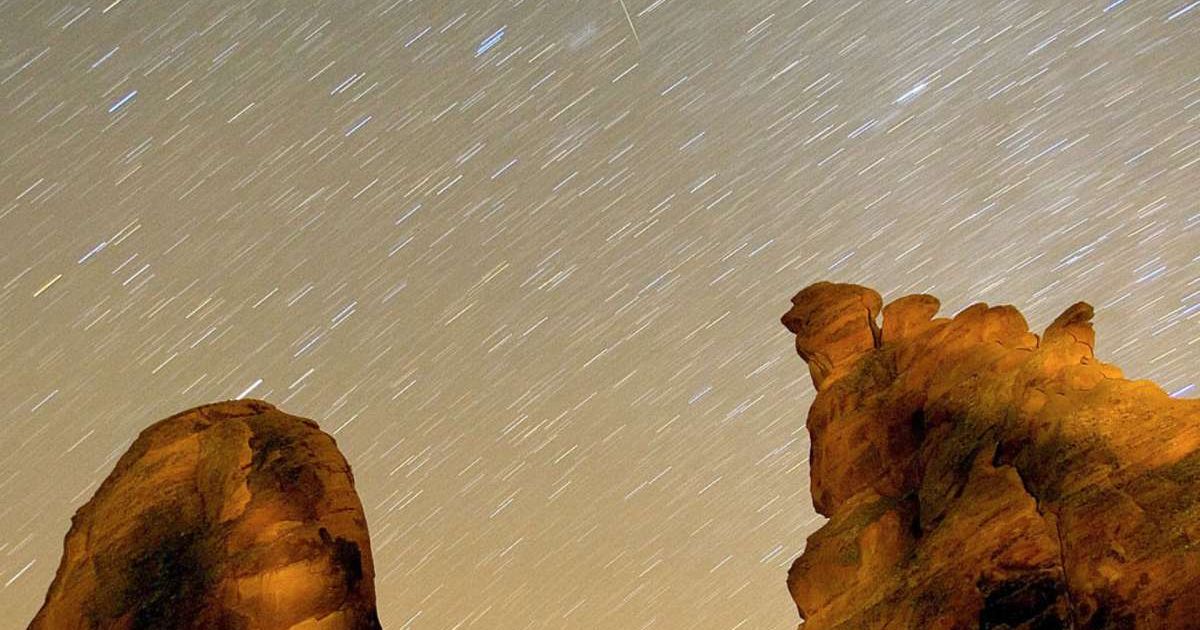
A Geminid meteor streaks diagonally across the sky against a field of star trails during the peaks of the Seven Sisters rock formation (Representative Cover Image Source: Getty Images | Photo by Ethan Miller)

The last month of 2025 will bring an array of sky‑watching events, a celestial show for both beginners and seasoned enthusiasts. December will begin with a beautiful full moon, before treating us to meteor showers and planetary sights. With plenty to look forward to, here’s a guide to the sky of December.
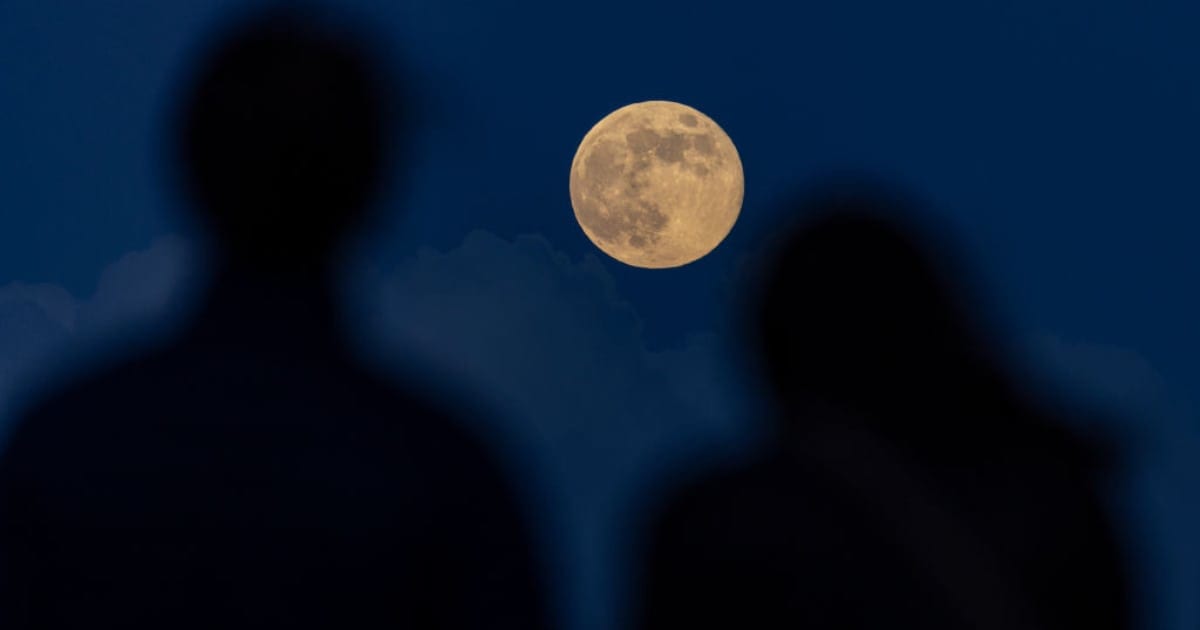
eople watch the full Beaver Supermoon rise at sunset from the Mt. Soledad National Veterans Memorial on November 15, 2023 in San Diego (Cover Image Source: Getty | Kevin Carter)
People watch the full Beaver Supermoon rise at sunset from the Mt. Soledad National Veterans Memorial (Representative Image Source: Getty Images | Photo by Kevin Carter)

The Cold Moon arrives next month

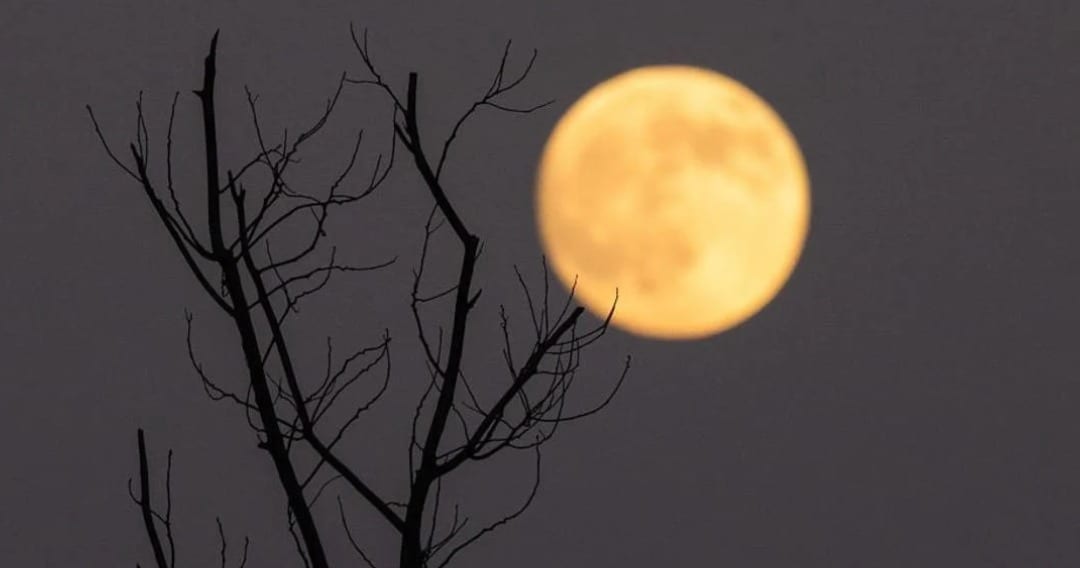
Also known as Long Nights Moon, and the Moon before Yule, the Cold Moon will be at its brightest at 6:15 p.m. EST on December 4. In fact, the Cold Moon will also be the third and final of the Supermoons this year. A Supermoon occurs when the Moon is either at or near its perigee—its closest approach to Earth.
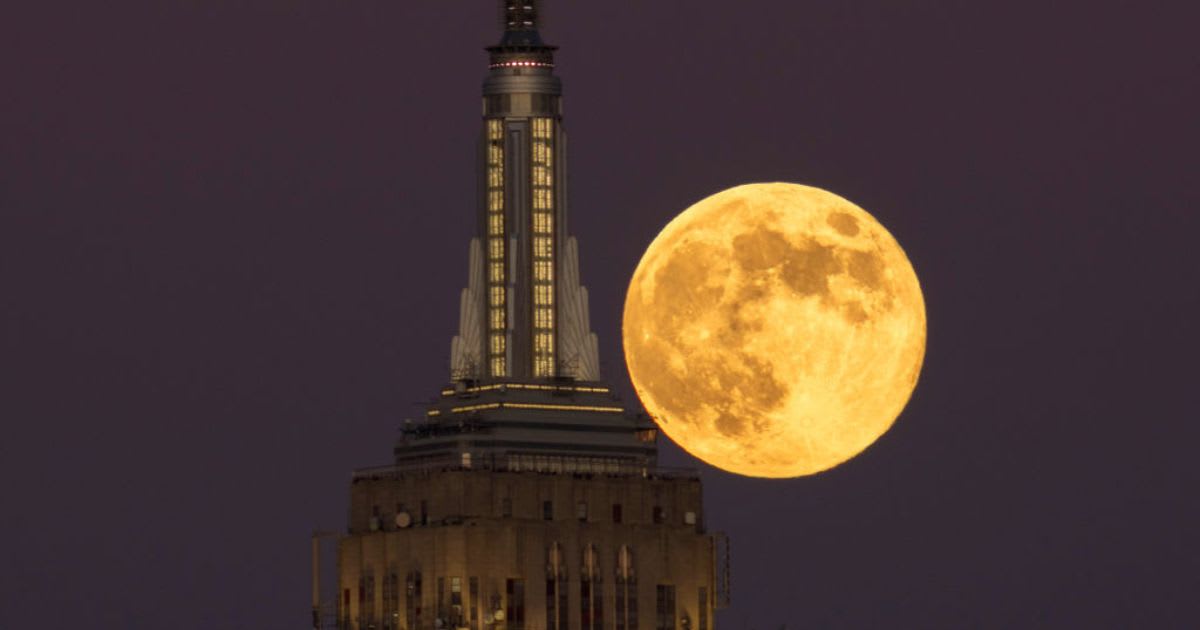
The full Beaver Supermoon rises behind the Empire State Building in New York City as the sun sets on November 15, 2024 (Representative Image Source: Getty | Gary Hershorn)
The full Beaver Supermoon rises behind the Empire State Building in New York City. (Representative Image Source: Getty Images | Photo by Gary Hershorn)

Mercury to shine bright far away from the Sun

Mercury will be experiencing its greatest western elongation, as it reaches its farthest distance from the Sun in the morning sky. The planet will shine at the highest point above the eastern horizon, as per the Almanac. Look for it low in the eastern sky just before sunrise on December 7. 
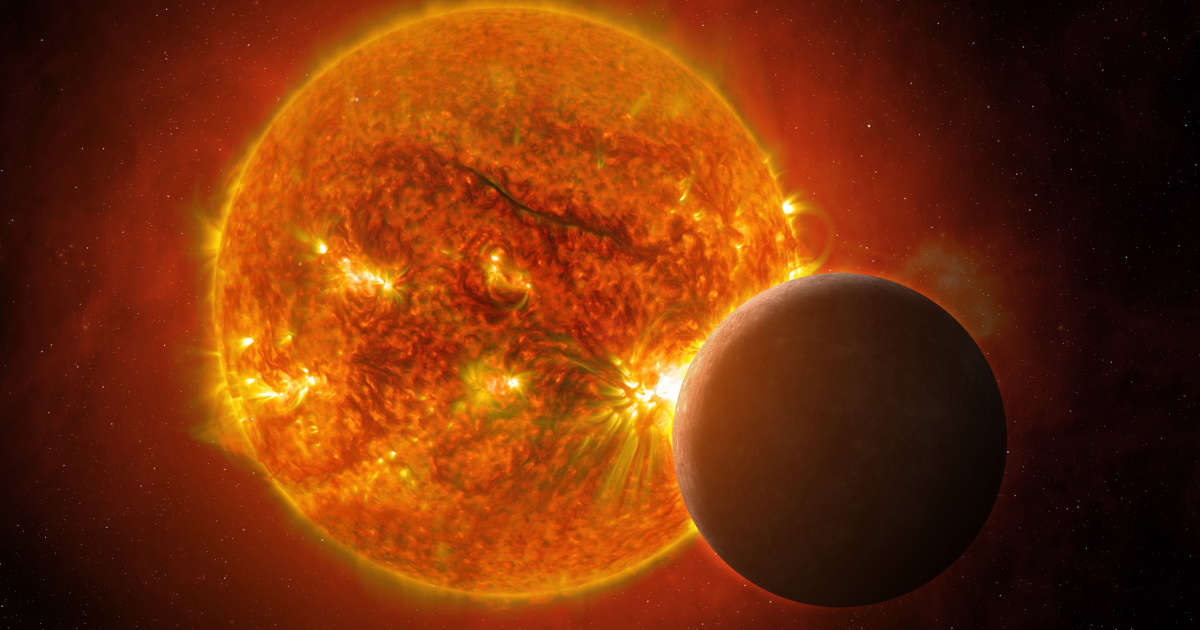
View of the planet Mercury and Sun from space (Representative Cover Image Source: Getty | buradaki)
View of the planet Mercury and Sun from space (Representative Image Source: Getty Images | Photo by buradaki)

Geminid meteor shower to grace the sky

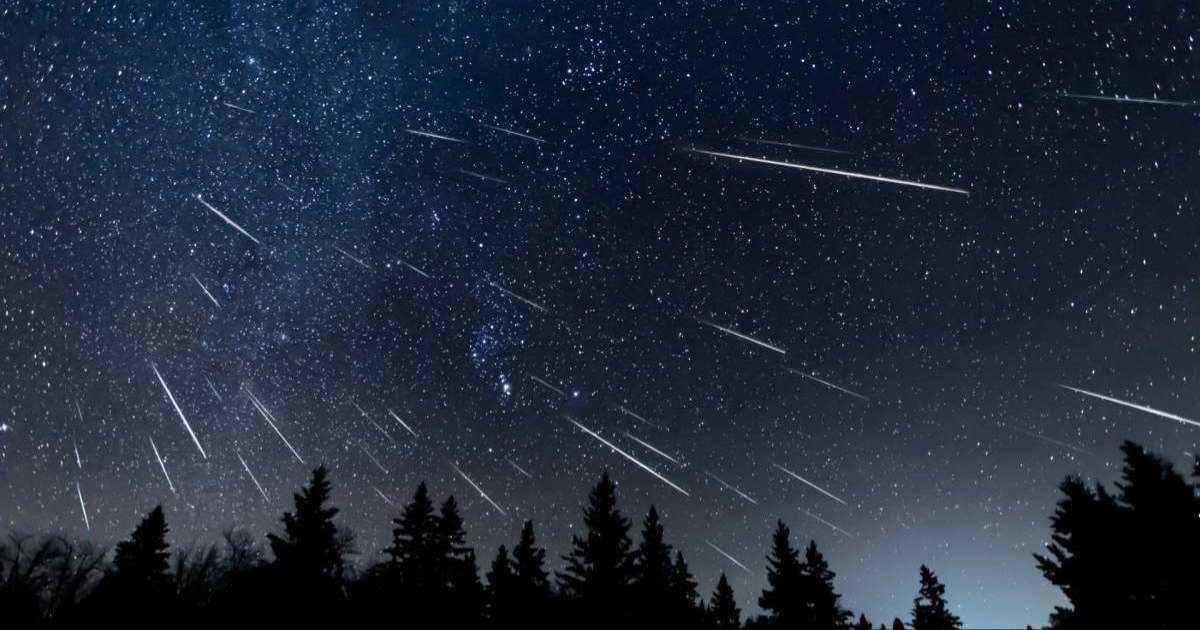
One of the best and most reliable meteor showers of the year, the Geminid meteor shower will be active between December 1 and 21, per NASA. However, it will peak on the 12th and 13th of the month. And if you are lucky, you may be able to spot around 120 meteors per hour, according to Time and Date. The moon will be crescent and will not interfere with its light. Look for a dark location after 8 p.m., but stay out till midnight or pre-dawn to catch the peak.
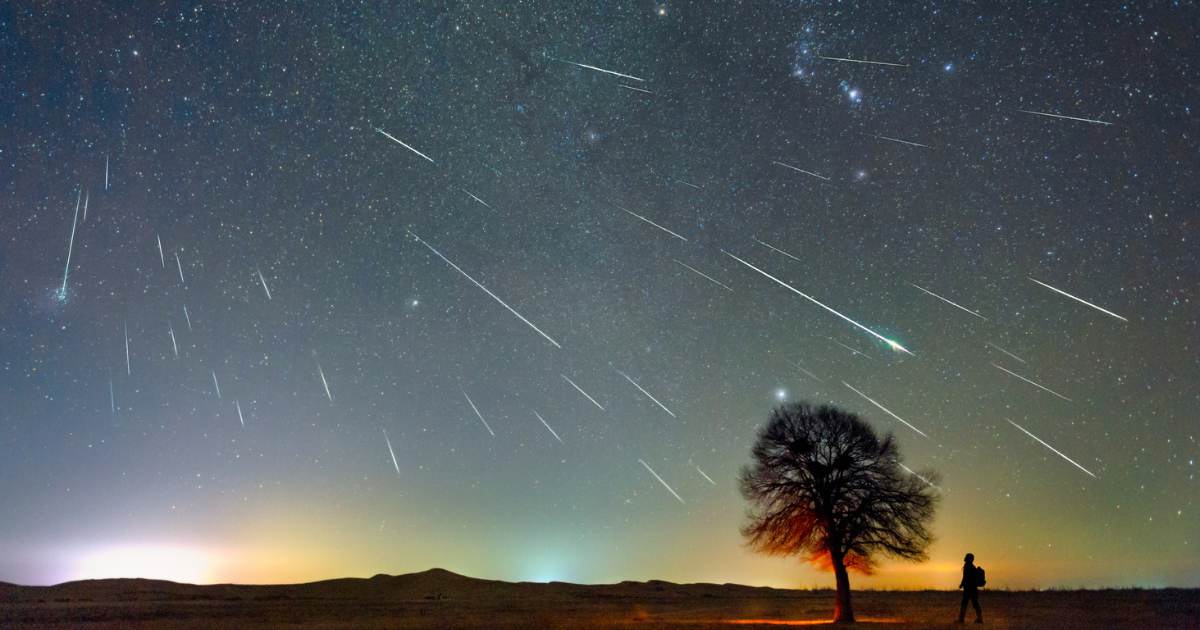
The Geminid meteor shower on December 13, 2020, was photographed in the Kubuqi Desert of Inner Mongolia, China (Representative Cover Image Source: Getty | wenbin)
The Geminid meteor shower on December 13, 2020, was photographed in the Kubuqi Desert of Inner Mongolia, China (Image Source: Getty Images | Photo by wenbin)

The New Moon will come bearing gifts

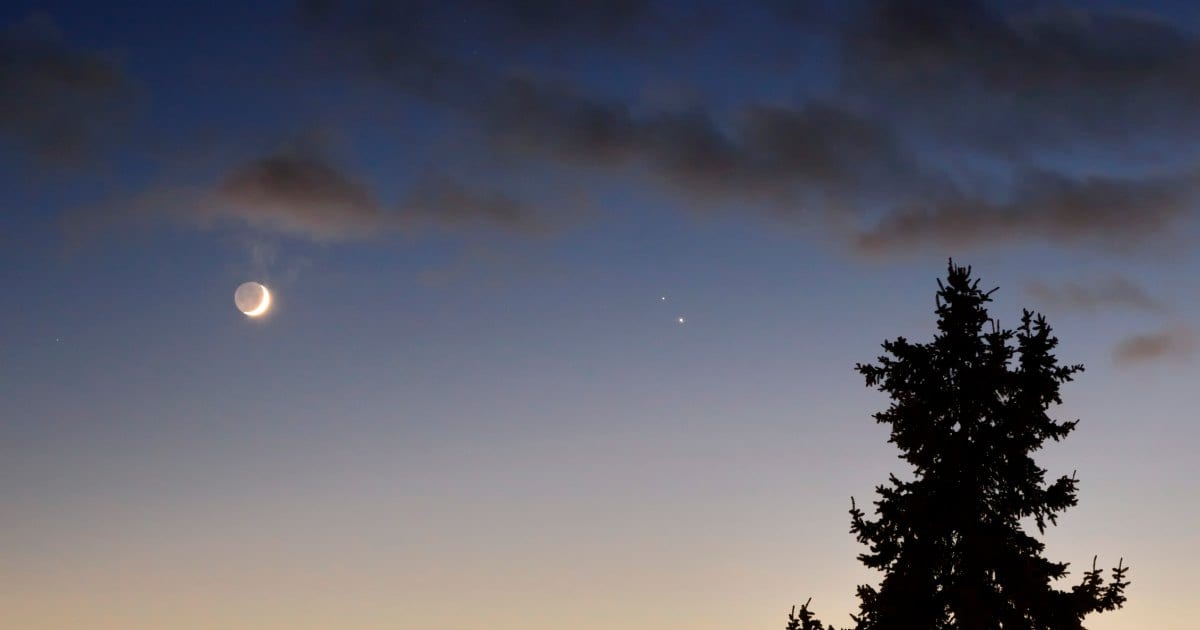
After the Moon and Mercury finish meeting in the sky on the nights of December 17 and 18, the Moon will reach a new phase on December 20, 2025. With no Moon and perfect dark skies, spotting star clusters and galaxies will be much easier.
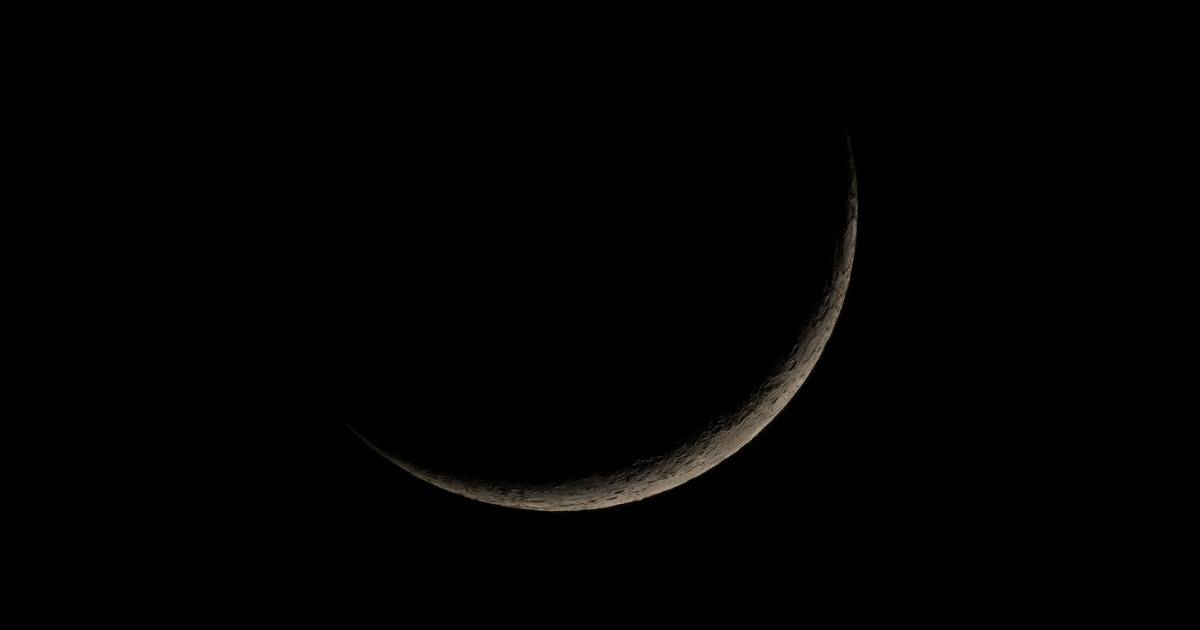
March waxing crescent moon rises over Boise in the evening of late winter season (Representative Cover Image Source: Getty | 	Darwin Fan)
March waxing crescent moon rises over Boise in the evening of late winter season (Representative Image Source: Getty Images | Photo by Darwin Fan)

Ursid meteor shower to streak across the sky

The Ursids meteor shower is a minor shower that will peak on the nights of December 21–22. Expect around 5–10 meteors per hour, with a few higher bursts occasionally. The meteors will be radiating from the Ursa Minor constellation, but will be visible across the entirety of the sky. The best time to catch it will be between the evening of December 21 through dawn, per Space.com. Spotting will be relatively easy with the New Moon set to keep the skies dark.
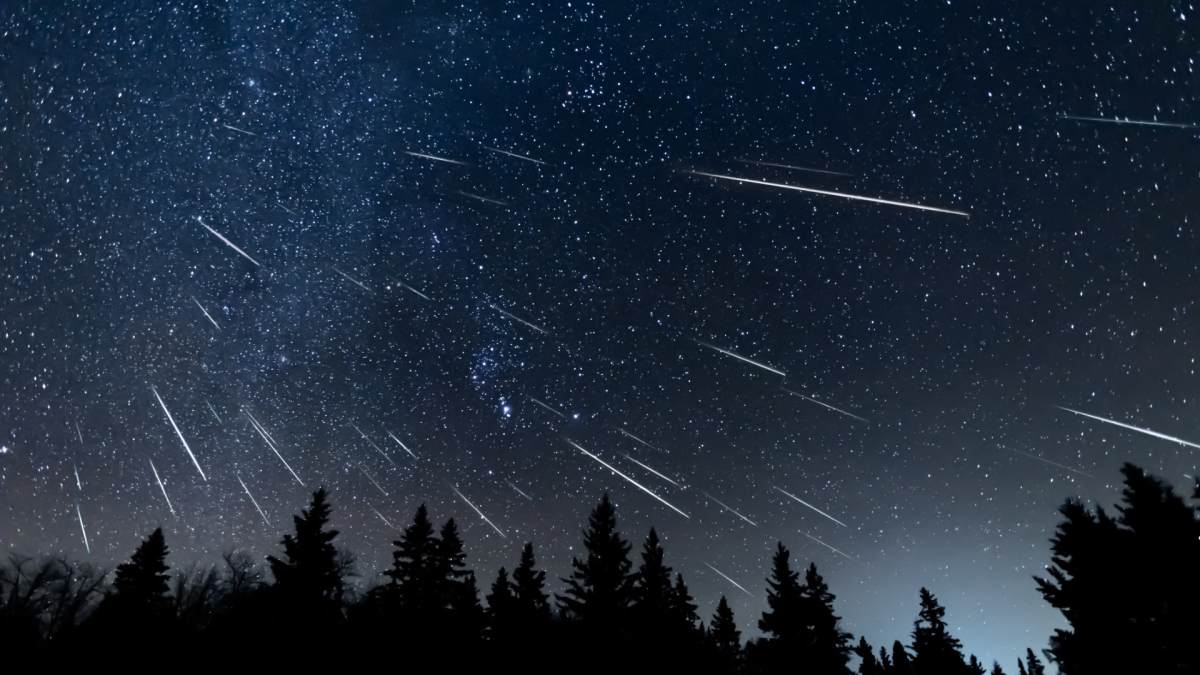
Meteor shower composite created from 44 individual photos that include the Milky Way. (Representative Image Source: Getty Images | Photo by Craig Taylor)

Venus will shine bright, and the Moon will meet Saturn

Throughout December, Venus will be visible in the southwestern sky, shining like a star in the early evening. Right after Christmas Day, on December 26, at around 10:34 p.m. EST (3:34 UTC on November 27), per In-The-Sky.org, our only natural satellite and Saturn will share the same right ascension, with the Moon passing 4°01' to the north of the ringed planet.

More on Starlust

Unknown asteroid flew past Earth closer than a satellite—and we didn't spot it until hours later

Bright green fireball traveling close to 100,000 mph lights up sky above Michigan's Great Lakes
MORE STORIES

A 'Strawberry Moon' will grace the night sky in June, offering stunning views. Here's what to know.
20 hours ago
While 1997 NC1 isn't a threat, scientists are still keeping an eye. Here's what you need to know.
1 day ago
From dazzling meteor showers and full moons to a rare total solar eclipse, summer 2026 has it all.
2 days ago
Want to watch the Southern Delta Aquariids in 2026? All you need to know about the meteor shower.
5 days ago
The Bootids meteor shower is known for erratic outbursts. Here's all about this year's display.
Jun 18, 2026
The 11%-lit Crescent Moon will hide Venus for about an hour—and it will all happen in broad daylight.
Jun 17, 2026
Viewers from some parts of the world will be able to see a partially eclipsed sunset.
Jun 16, 2026
Based on estimates, the asteroid that resulted in the fireball was no larger than the palm of a hand.
Jun 16, 2026
A total solar eclipse will take place in August this year. Here's everything to know about it.
Jun 11, 2026
In less than 24 hours, the Sun erupted with three powerful solar flares.
Jun 4, 2026