7 fascinating features of the Moon that would make your stargazing night perfect
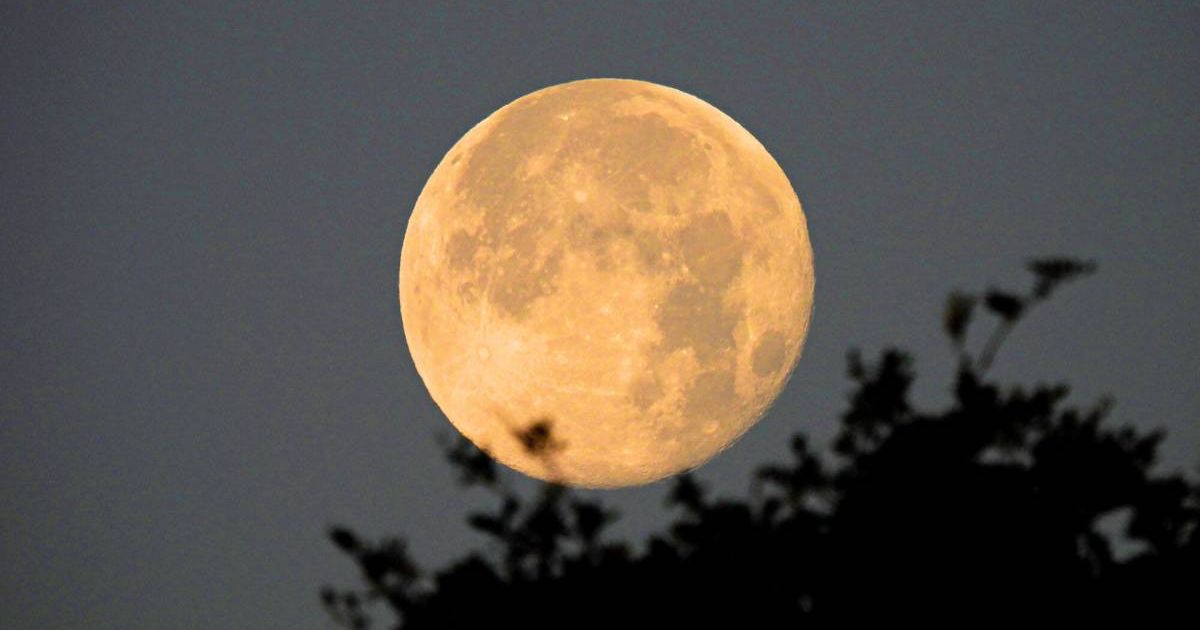
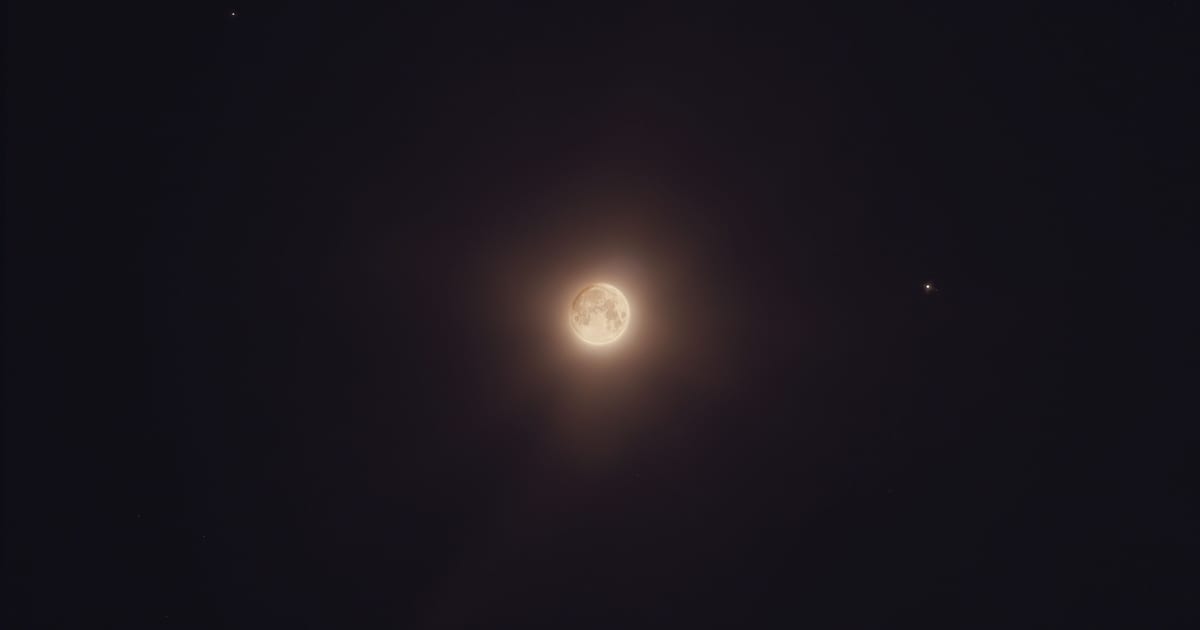
Anyone equipped with a pair of binoculars or a small telescope can take a look at the spectacular and ever-changing landscape of the Moon. The Moon is one of the more familiar extraterrestrial places for us, and is the first world beyond us to be conquered by humanity. Its size, proximity, and brightness make it a perfect target to capture, as per BBC Sky at Night Magazine. The optimal viewing point of the body is when the line called the terminator that separates the lunar day and night is nearby. Here is a guide to some of the features one could look for while observing the Moon.
Crater Grimaldi
The Crater Grimaldi is a massive, dark basin spanning about 107 miles and is visible to the naked eye. It is located near the western limb of the Moon and is a distinct landmark whose features can be discerned through binoculars or a telescope. One of its most noticeable features is its main floor, which is so dark that it is almost always discernible when sunlit. It's also the reason why Grimaldi is usually referred to as the darkest place on our sole satellite.
Crater Plato
It is placed near the northern edge of the great Mare Imbrium and is a beautiful 68-mile-wide impact site. Interesting features like the Rima Plato and the Montes Teneriffe also surround the Plato.
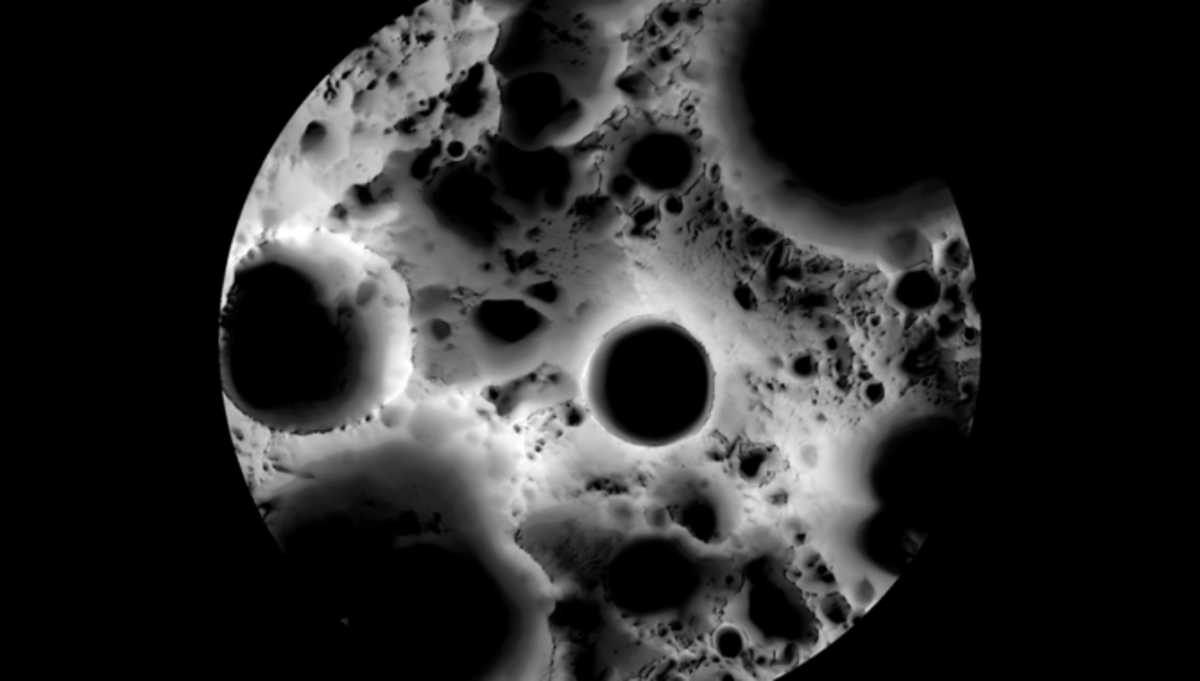
Vallis Alpes
It cuts through the spectacular Lunar Alps and is one of the most interesting features on the moon’s surface. This vast valley, around 80 miles long, can be spotted with even a small telescope.
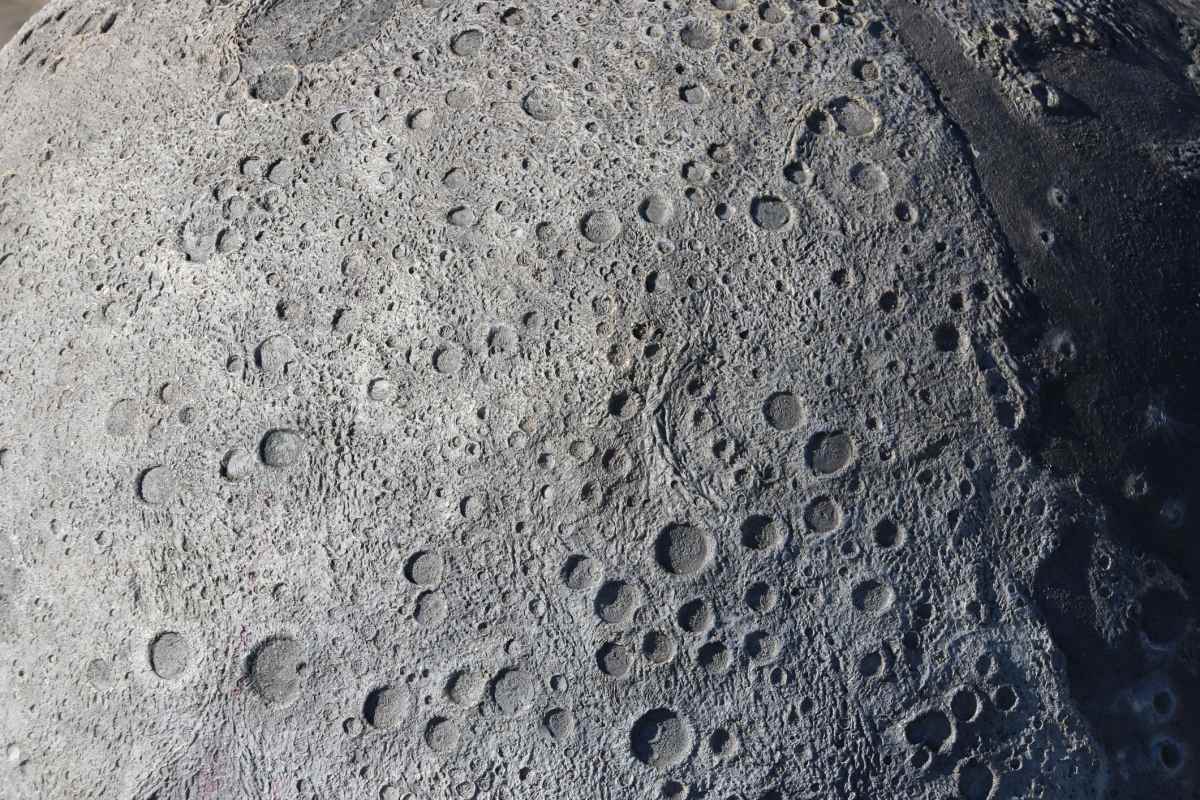
Craters Ptolemaeus, Alphonsus, and Arzachel
They are a prominent trio near the center of the Moon’s near side, which makes it easy to spot them on the lunar surface even with a small telescope. Identified by a smooth floor pockmarked with several tiny craters, Ptolemaeus is the largest and the oldest of the trio. Meanwhile, Arzachel is the smallest and the youngest crater of the three, with well-preserved walls that are easily discernible against its surroundings.
Rupes Recta
Known simply as the Straight Wall, Rupes Recta is a geological fault that is 68 miles long and reaches over 270 meters above the lunar surface. It can be located near the crater Birt and becomes easily distinguishable when the Sun shines at a right angle.
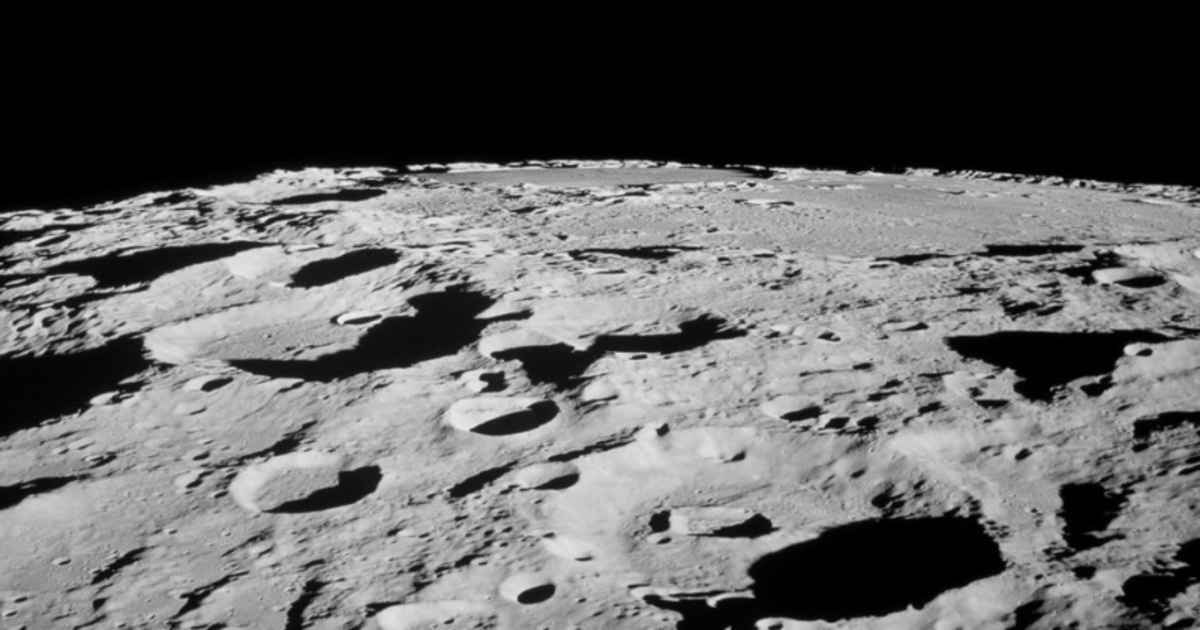
The Mare Crisium (Sea of Crises)
Measuring about 385 by 354 miles, it is one of the most visually distinctive lunar seas. It is a prominent, dark oval patch visible to the naked eye and is close to the eastern limb. The high boundary around its surface creates long shadows when the terminator nears and crosses the sea. Mare Crisium is also completely detached from the other lunar seas, a feature that can be observed with binoculars.
Crater Gassendi
This is another interesting crater of 68 miles on the northern edge of the Mare Humorum. The perfect lighting can help reveal a superb network of rilles—trench-like structures, crisscrossing on its floor.
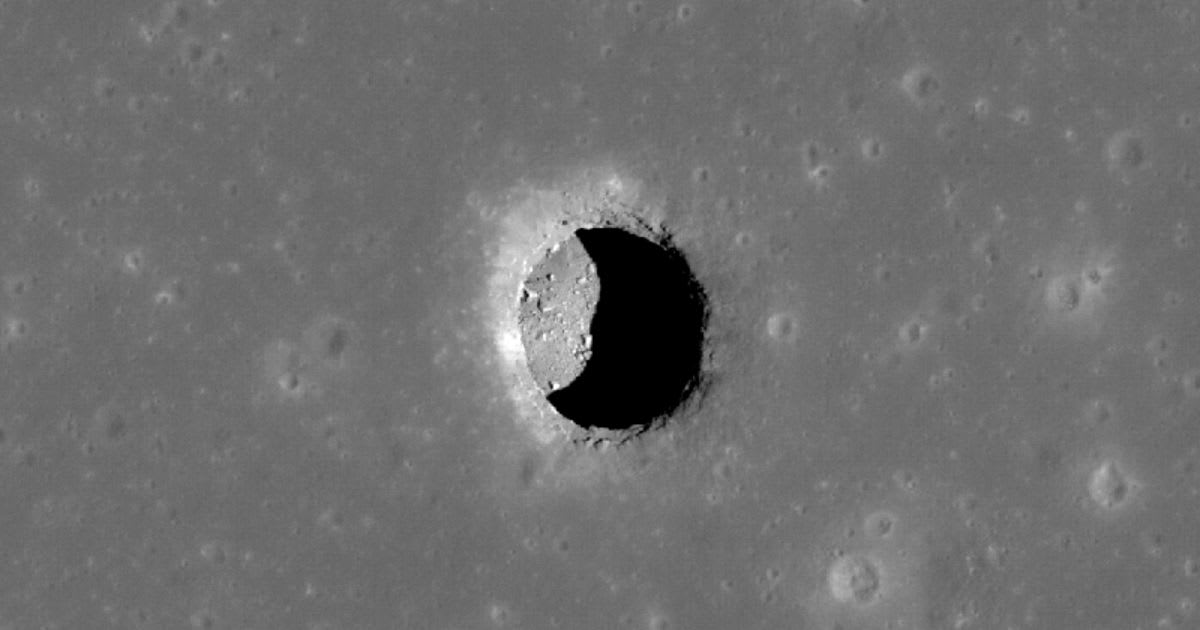
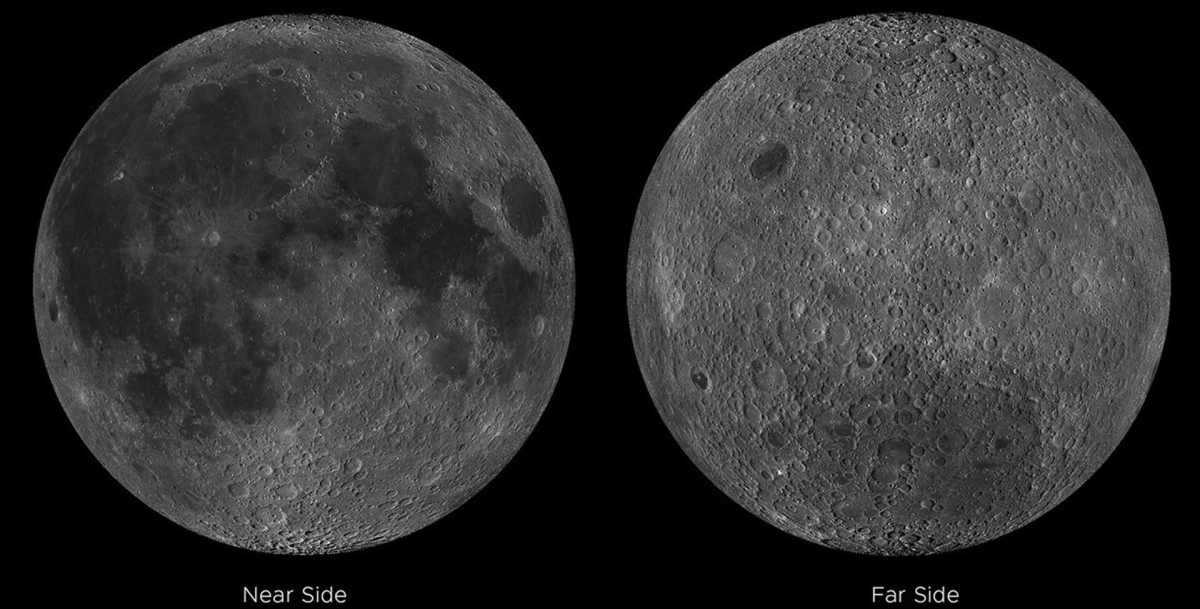
It's because of the fact that it rotates in sync with our planet that we see the same features every time we look up. But that doesn't take away anything from how fascinating each feature is in its own right.
More on Starlust
Hidden entrances uncovered on the Moon by AI, paving way for future lunar missions