Cold Moon 2025: When and how to see the December Supermoon
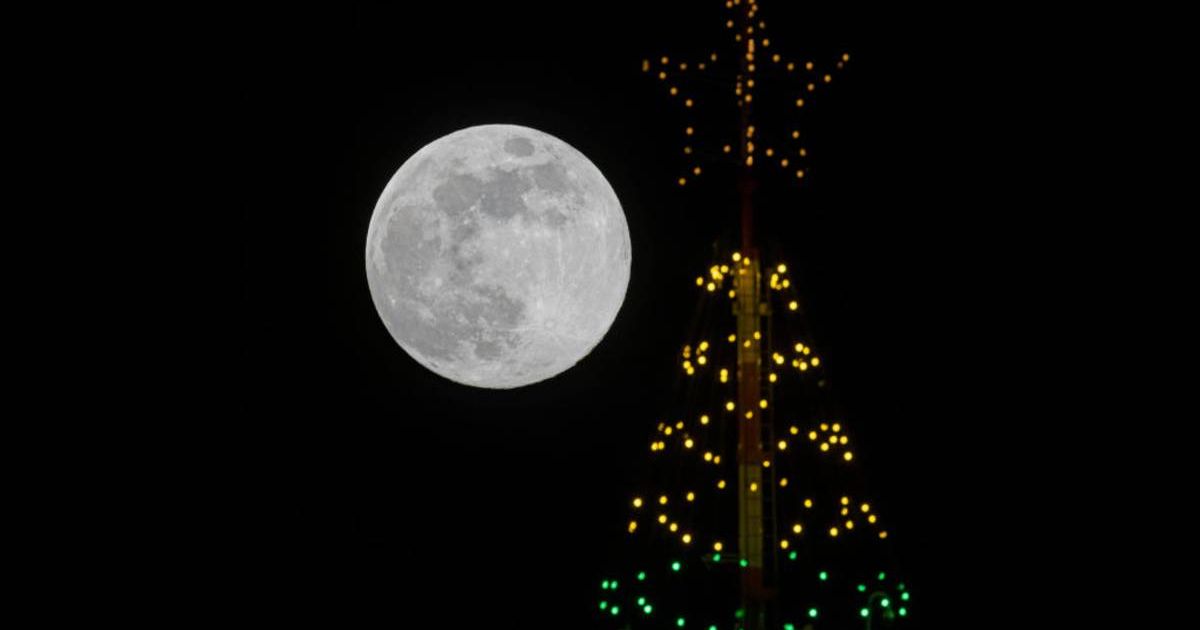
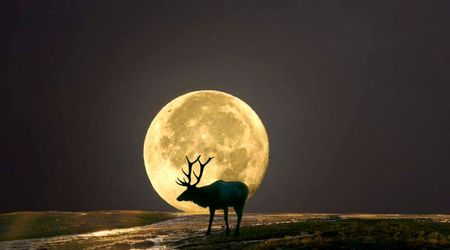
Skygazers can get ready for a powerful display next month as the year's final full moon will arrive as an impressive Supermoon on Thursday, December 4, 2025. According to The Old Farmer's Almanac, the event, known by the traditional name of Cold Moon, promises to be brighter and a bit bigger than usual, serving as a finale for the year's series of close lunar appearances.
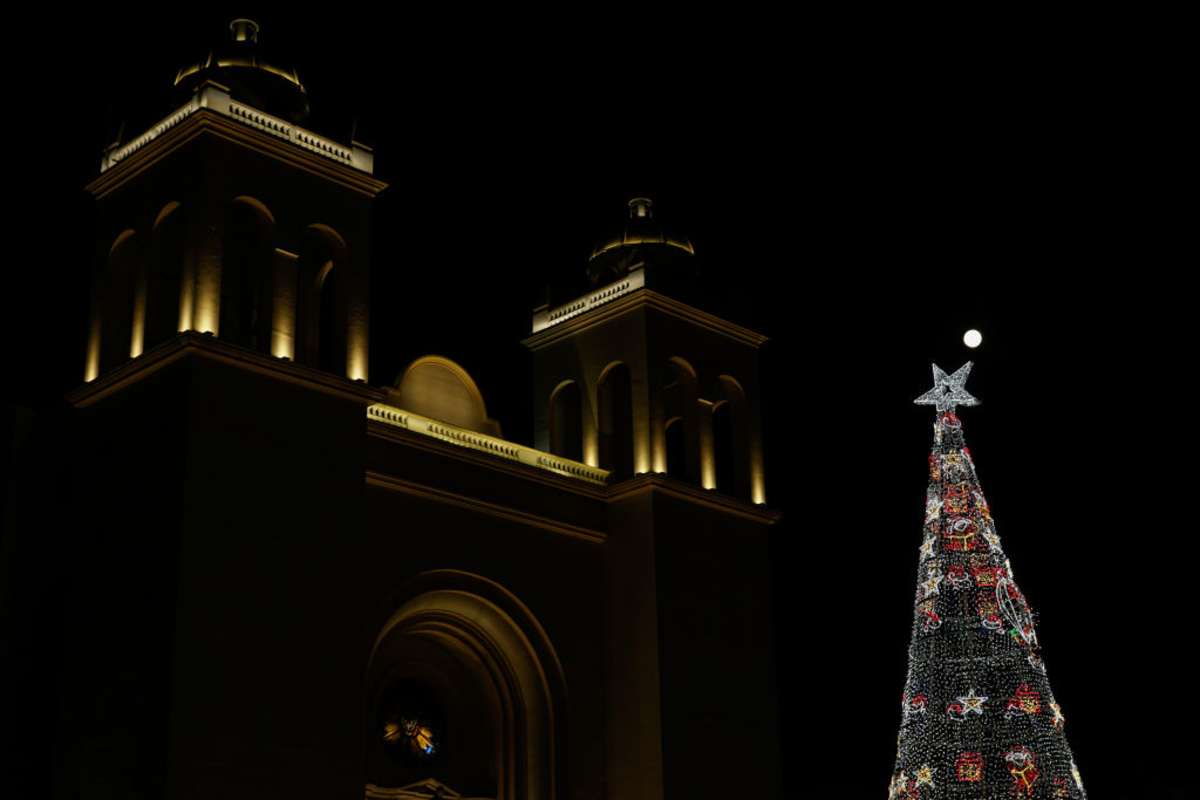
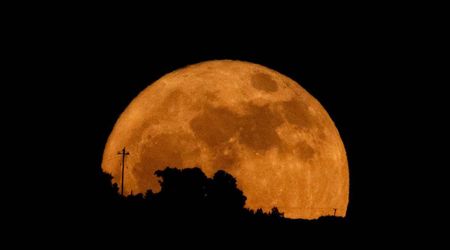
The full moon will peak at 6:14 p.m. EST, when it reaches 100% illumination. To see the most spectacular view, observers should direct their attention to the time right after the moon rises. The Moon will appear exceptionally large while it is close to the horizon due to the optical effect of the "Moon illusion." Clear skies with minimal light pollution hold the key to appreciating the enhanced brilliance.
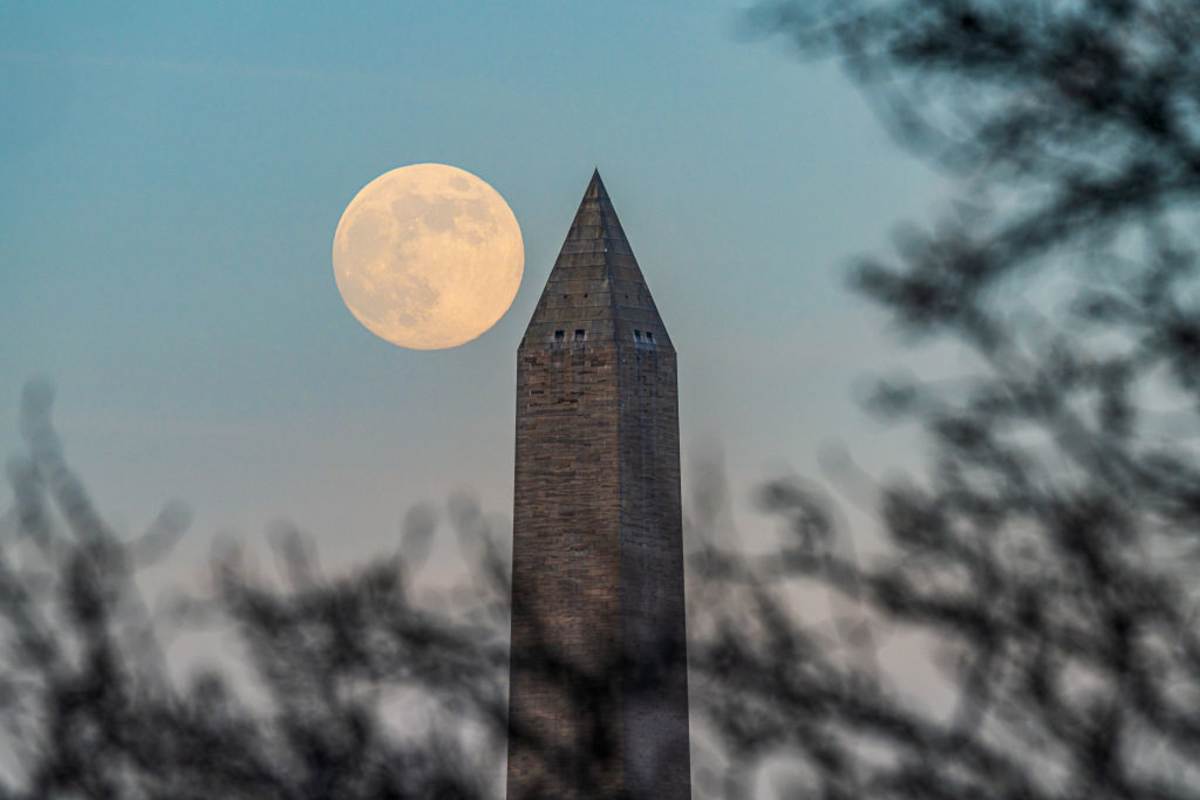
This is the third in a trio of consecutive Supermoons for 2025: October, November, and December. The Supermoon designation is applied when the full moon phase falls at perigee, that point in the lunar orbit when the Moon is closest to Earth. Because of this proximity, the Moon is predicted to appear up to 8% larger in diameter and be 16% brighter than an average full moon. This change may be hard to recognize by an untrained eye, but it is a remarkable difference compared to a "micromoon," a full moon at its orbital farthest point. The close alignment also has a minor effect on ocean tides, which could result in higher-than-normal "king tides" along coastlines.
The Cold Moon is one of the oldest names for the full moon in December, reportedly given by ancient Celtic people to refer to the deep cold and long nights that mark the true beginning of winter in the Northern Hemisphere, per Time and Date. Other historic names include the Anglo-Saxon Moon Before Yule and the Long Night Moon, both referring to the full moon falling before the winter solstice, along with the ancient festival of Yule. For thousands of years, the cycles of full moons served as a way to track months and seasons. While the widely used names today are mostly English interpretations of Native American terms, the list is diversified in its origins, which include Celtic, Anglo-Saxon, and medieval sources.
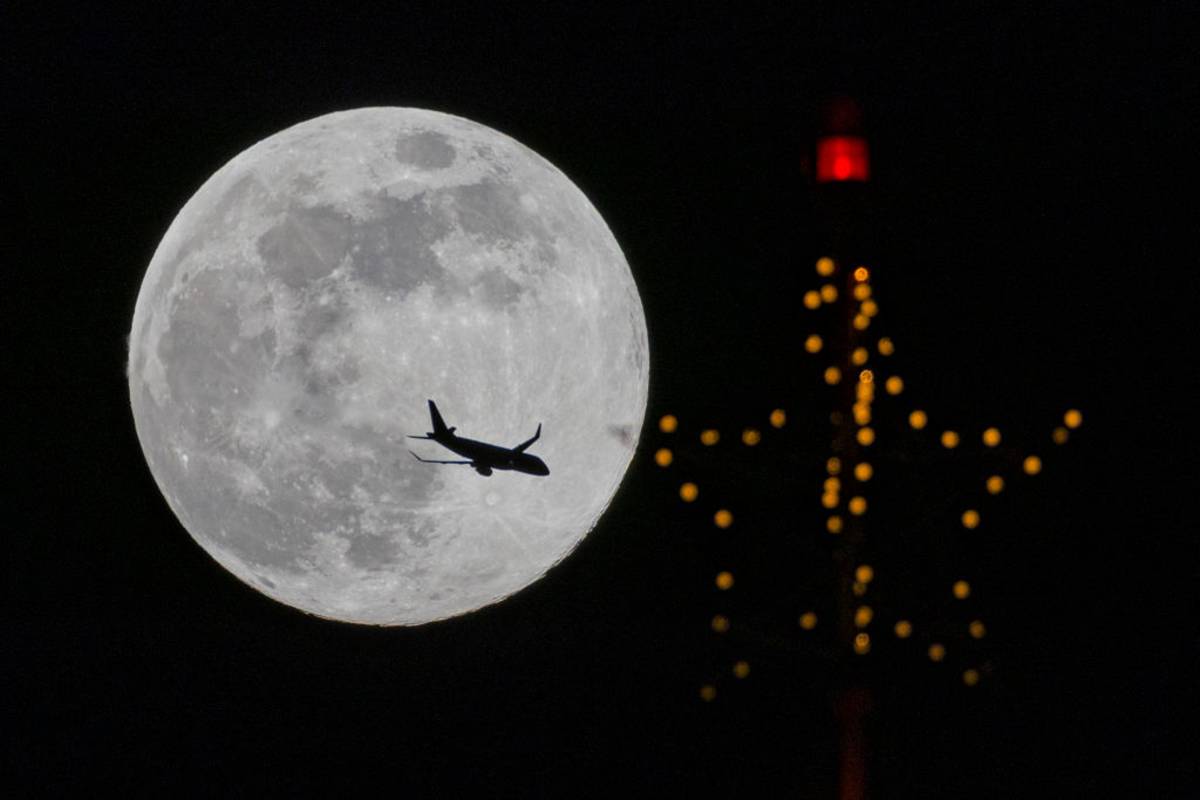
Though "Supermoon" is not an official term used by astronomers, it has become the popular label for a full moon happening when our natural satellite is at least 90% of the way toward its closest orbital point to Earth, called perigee. This close alignment is relatively rare, happening only three or four times a year and mostly in back-to-back months because the Moon's orbit must precisely match the full phase.

The heightened lunar activity is set to continue, with three additional Supermoons scheduled for 2026. These close orbital alignments are anticipated on January 3, 2026, November 24, 2026, and December 23, 2026, confirming a continuing period of spectacular celestial viewing opportunities.
More on Starlust
Here's when the final Supermoon of 2025 will light up December's night sky
See the Andromeda Galaxy and Perseus Double Cluster with the naked eye on November 26—here's how