Astronomers debunk controversial study, confirm universe still expanding at accelerating rate
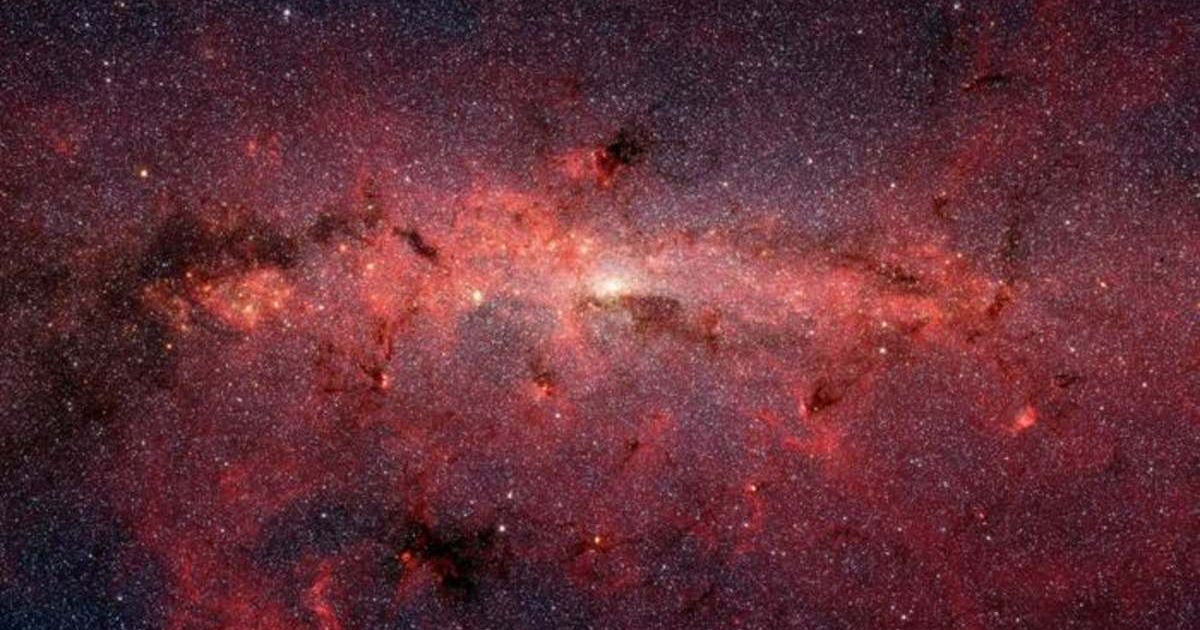
The universe is expanding, and the rate of its expansion is still accelerating, according to a research team at the University of Southampton. With this finding, the team has debunked a controversial late-2025 theory that claimed that the influence of dark energy was weakening over time, thereby causing the expansion of the universe to slow down. The Southampton team, which included Nobel Prize-winning astrophysicists Professor Adam Riess and Professor Brian Schmidt, re-analyzed the data and confirmed that the universe is indeed still expanding at an accelerating rate. The new study, published in the Monthly Notices of the Royal Astronomical Society, challenges the 2025 research by pointing out a flaw in the methodology: the previous team didn't err by using exploding stars or supernovae to measure cosmic expansion, but their method of gauging the age and brightness of these stars was fundamentally wrong, it asserts.
“The debate that followed last year’s revelations was the result of a scientific misunderstanding rather than a flaw in the universe itself,” said lead author Dr Phil Wiseman, from the University of Southampton in a statement. “The previous and well accepted measurements were, in fact, fine and our current understanding of the fate of the universe remains robust," he explained. "Thankfully we have averted this crisis, but the mystery about why the universe is still accelerating in size remains," he went on to say, adding, "By proving our measurements are correct, we can get back to trying to understand what dark energy actually is, rather than wondering if it exists at all."
In 1929, astronomer Edwin Hubble first provided observational evidence that the universe was expanding. Since then, this framework, corroborated by countless calculations and observations, has held sway, and in 2011, Professors Riess and Schmidt, along with American astrophysicist Saul Perlmutter, even won the Nobel Prize in Physics for proving that the universe’s expansion is accelerating. However, the 2025 claims not only challenged their theory but also raised questions about decades of astronomical findings and progress. “Extraordinary claims require especially careful testing,” said Professor Adam Riess. “What we find is that when we calibrate these supernovae, accounting for different host environments and populations, the evidence for cosmic acceleration remains remarkably consistent,” he explained.
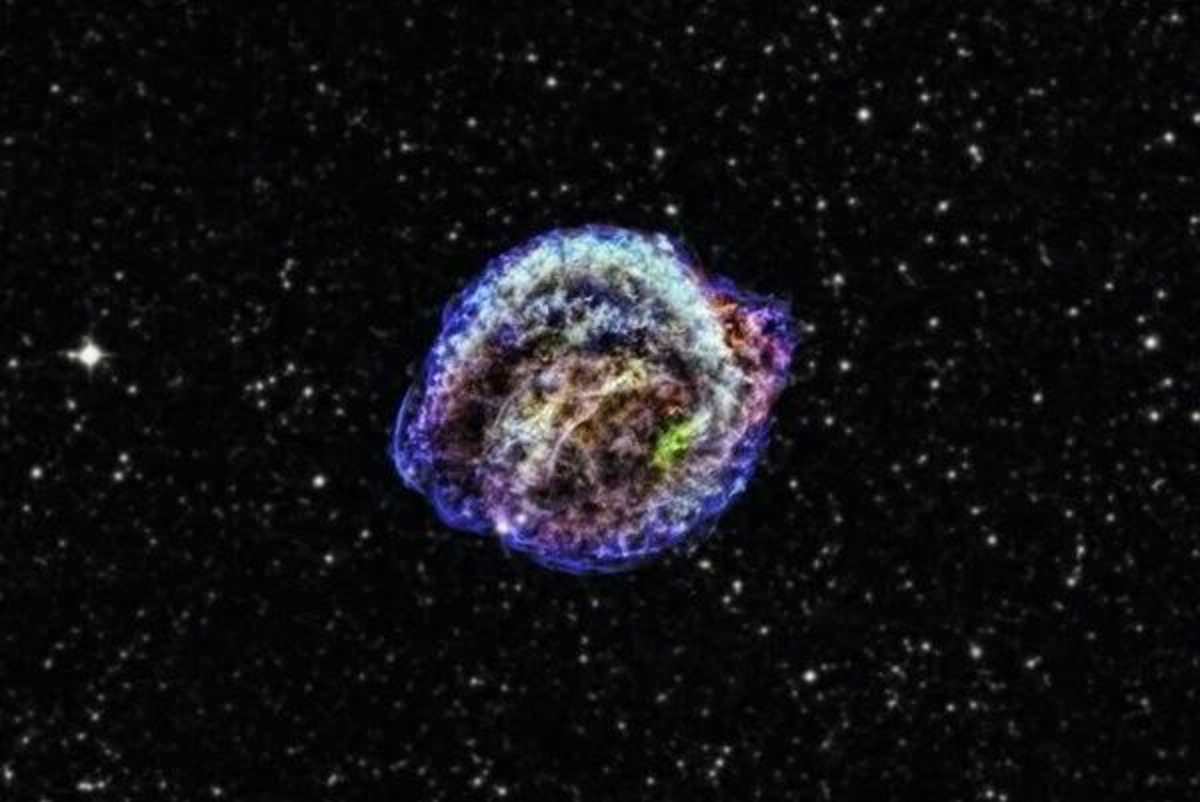
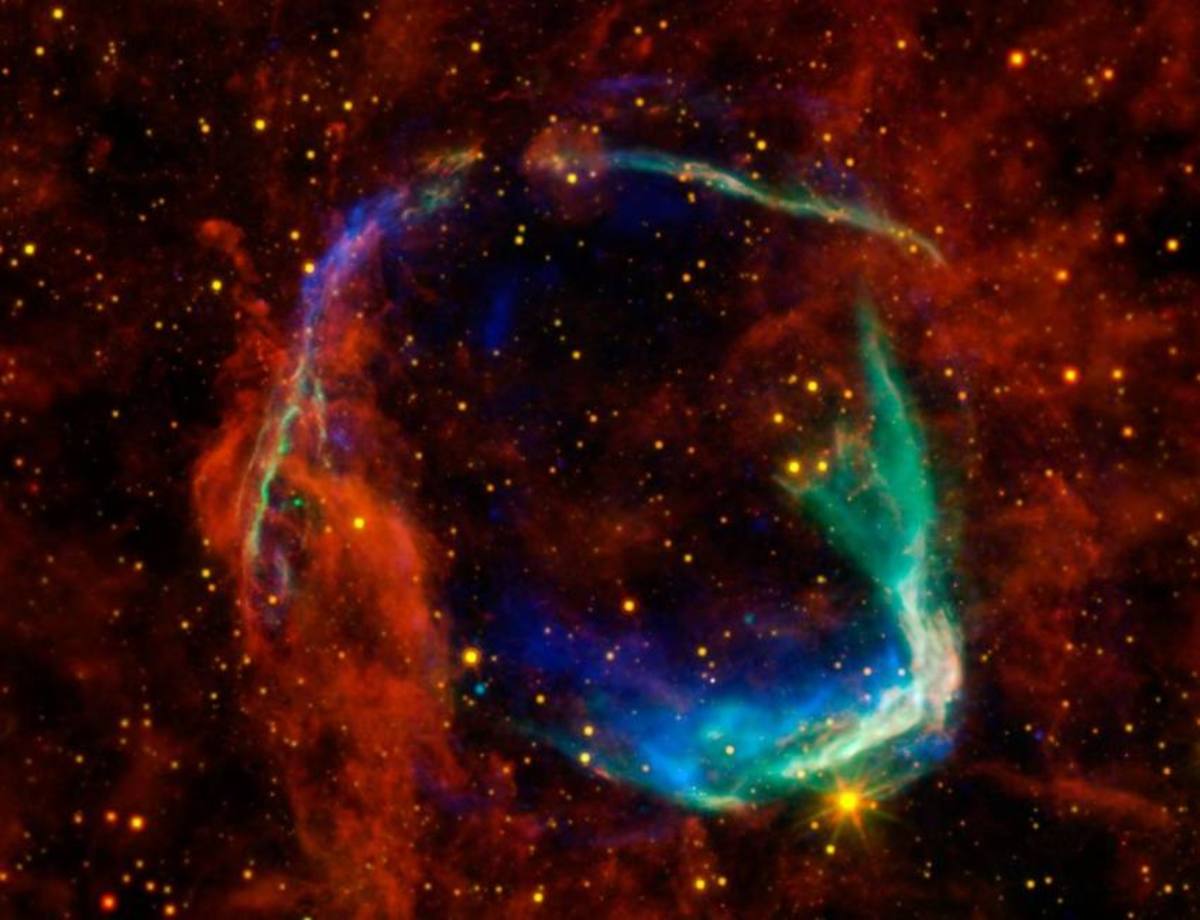
To address the questions posed by the 2025 study, the researchers took a fresh look at whether the universe was really decelerating. To do this, the Southampton-led team closely analyzed violent, luminous white dwarf star explosions, also known as Type Ia supernovae. Because these explosions peak at a predictable, uniform brightness, astronomers use them as "standard candles" to calculate vast cosmic distances. According to the 2025 study, these supernovae showed different maximum brightnesses depending on the age of the universe, supposedly tricking astronomers into thinking the cosmos was accelerating when it was actually slowing.
The new study, however, detected a fatal flaw in how the ages of these stars were estimated: according to it, the 2025 researchers incorrectly assumed that the overall age of a host galaxy was identical to the age of the specific star that exploded. Furthermore, Wiseman and his co-authors also point out that the 2025 paper didn’t include the mass of the host galaxies—a standard mathematical correction needed for accuracy in modern cosmology. “Challenging accepted theories and observations is fundamental to science,” said co-author Professor Mark Sullivan, also from the University of Southampton. “This is how progress is made. Although this idea did not turn out to be correct, it has opened up new ways of thinking about how supernovae explode and how we can measure dark energy more accurately,” Sullivan added.
More on Starlust
Gravitational waves may finally reveal how fast the universe is expanding
JWST spots the edge of cosmic dawn and the universe's first stars may lie just beyond