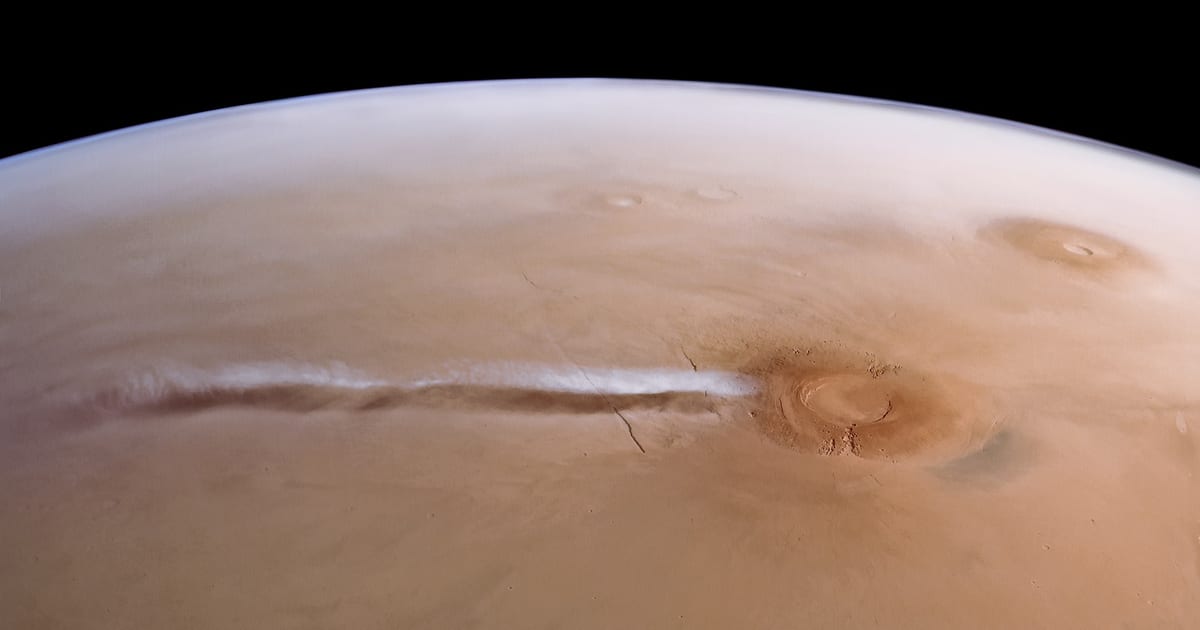
Largest-ever ALMA image shows Milky Way's chaotic center in unprecedented detail
![The location of the Central Molecular Zone in the Milky Way. [Cover Image Source: ALMA(ESO/NAOJ/NRAO)/S. Longmore et al. Stars in inset: ESO/D. Minniti et al. Milky Way: ESO/S. Guisard]](https://d3hedi16gruj5j.cloudfront.net/793174/uploads/03e400e0-130e-11f1-b79d-3fc8115039e3_1200_630.jpeg)
The Atacama Large Millimeter/submillimeter Array (ALMA) has furnished astronomers with the most detailed image yet of the Milky Way's Central Molecular Zone (CMZ), revealing the chemistry at work in the gas-rich, star-spawning region. The ALMA data, the largest and richest so far, will help astronomers better understand how stars are born and then die in the most extreme region of our galaxy, which also houses its central supermassive black hole.
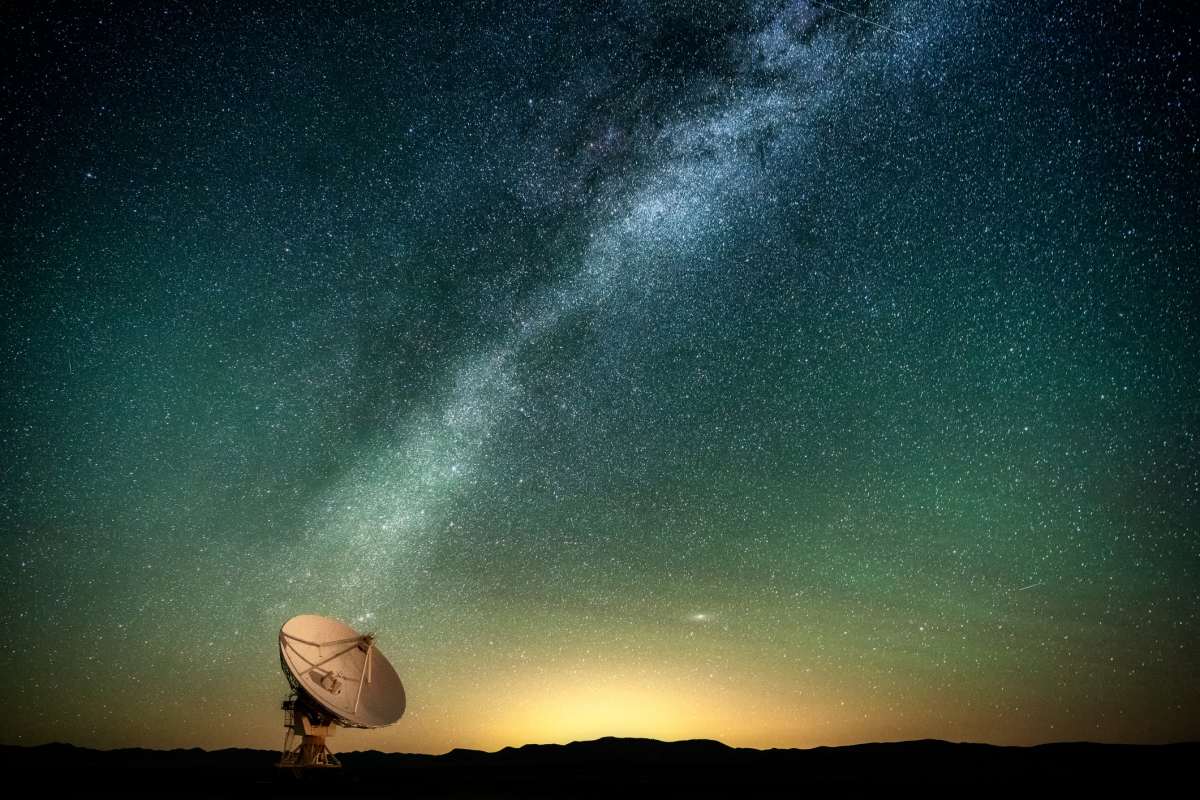
“It’s a place of extremes, invisible to our eyes, but now revealed in extraordinary detail,” said Ashley Barnes, an astronomer at the European Southern Observatory (ESO) in Germany who is part of the team that obtained the new data, in a statement. The ALMA images provide a view of a region that stretches 650 light-years across. Within it, the CMZ houses tremendous amounts of cold gas, which constitute the raw materials of stars. The ALMA images revealed finer details of the CMZ, ranging from small gas structures that span dozens of light-years across to small gas clouds hovering around individual stars.
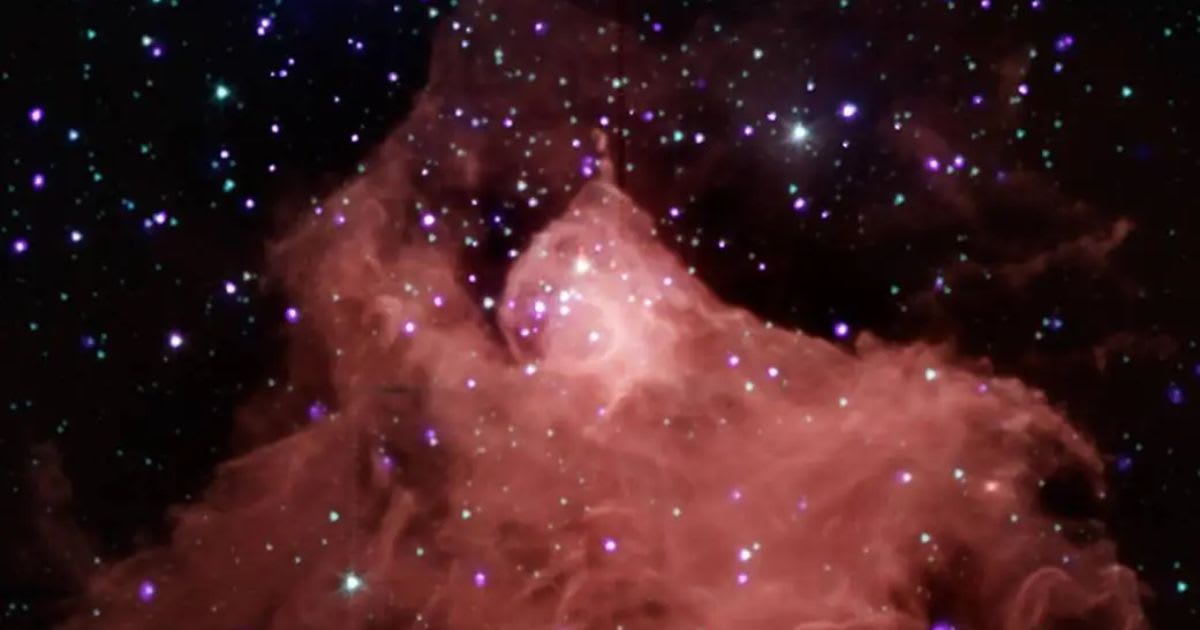
The survey, known as the ALMA CMZ Exploration Survey (ACES), was designed to explore cold molecular gas and understand how it converts into stars in a chaotic environment at the center of our galaxy. It is well-known that on the edges of the Milky Way, cold gas is channeled into clumps of matter, which eventually spawn stars. However, the star-forming processes in the center of the galaxy are way more extreme. In fact, the researchers believe that the CMZ has a lot in common with the galaxies in the early universe, which saw stars being born in a much more chaotic environment. “The CMZ hosts some of the most massive stars known in our galaxy, many of which live fast and die young, ending their lives in powerful supernova explosions, and even hypernovae,” explained ACES leader Steve Longmore, a professor of astrophysics at Liverpool John Moores University, UK.
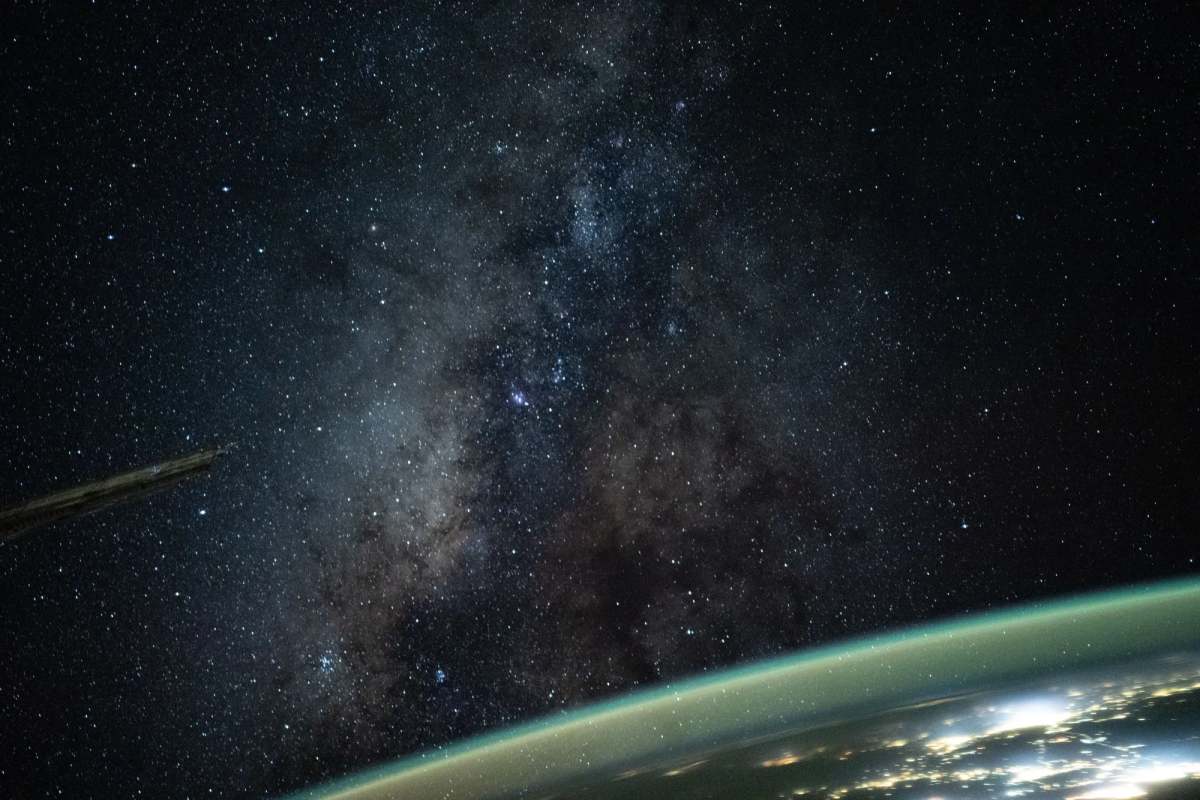
To date, the survey has detected simple molecules such as silicon monoxide as well as complex organic molecules such as methanol, acetone, and ethanol. “We anticipated a high level of detail when designing the survey, but we were genuinely surprised by the complexity and richness revealed in the final mosaic," said Katharina Immer, an ALMA astronomer at ESO who is also part of the project. The mosaic was obtained by stitching many observations together and stretches as long as the combined diameter of three full Moons placed side by side.

The data from ACES have been accepted for publication in five papers of Monthly Notices of the Royal Astronomical Society, with a sixth still being reviewed. “The upcoming ALMA Wideband Sensitivity Upgrade, along with ESO’s Extremely Large Telescope, will soon allow us to push even deeper into this region—resolving finer structures, tracing more complex chemistry, and exploring the interplay between stars, gas and black holes with unprecedented clarity,” says Barnes. “In many ways, this is just the beginning.”
More on Starlust
Dusty galaxies from the universe's far edges show star formation had begun earlier than suspected
NASA's James Webb Space Telescope captures a rare jellyfish galaxy from 8.5 billion years ago