‘Took our breath away’: Scientists amazed as NASA's Curiosity images honeycomb-like features on Mars
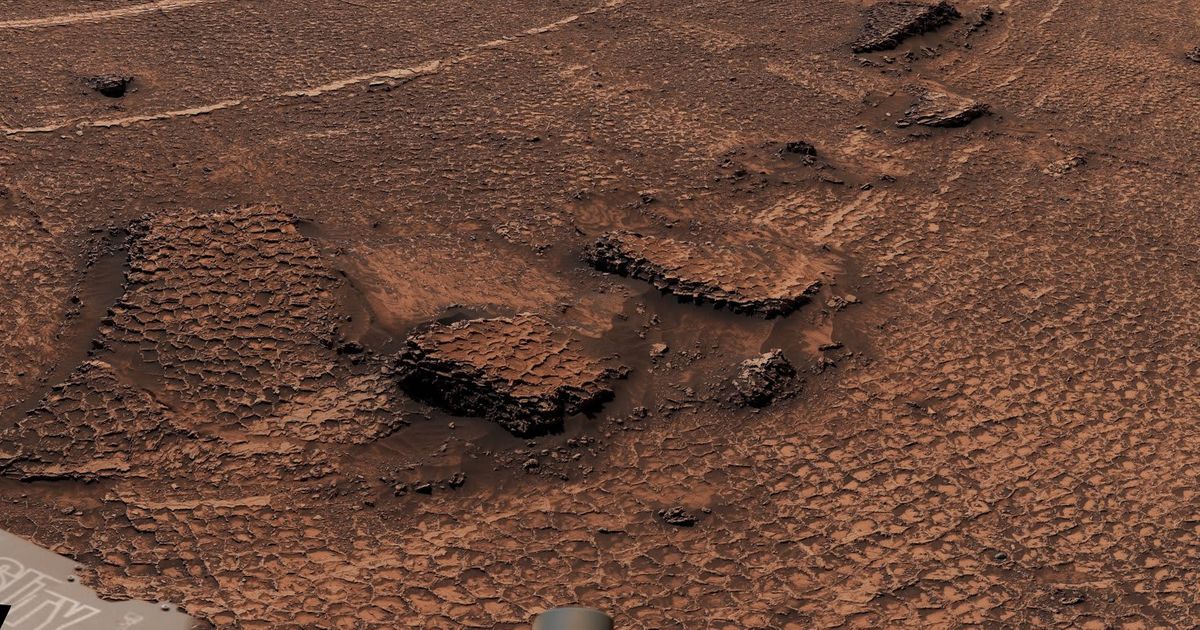
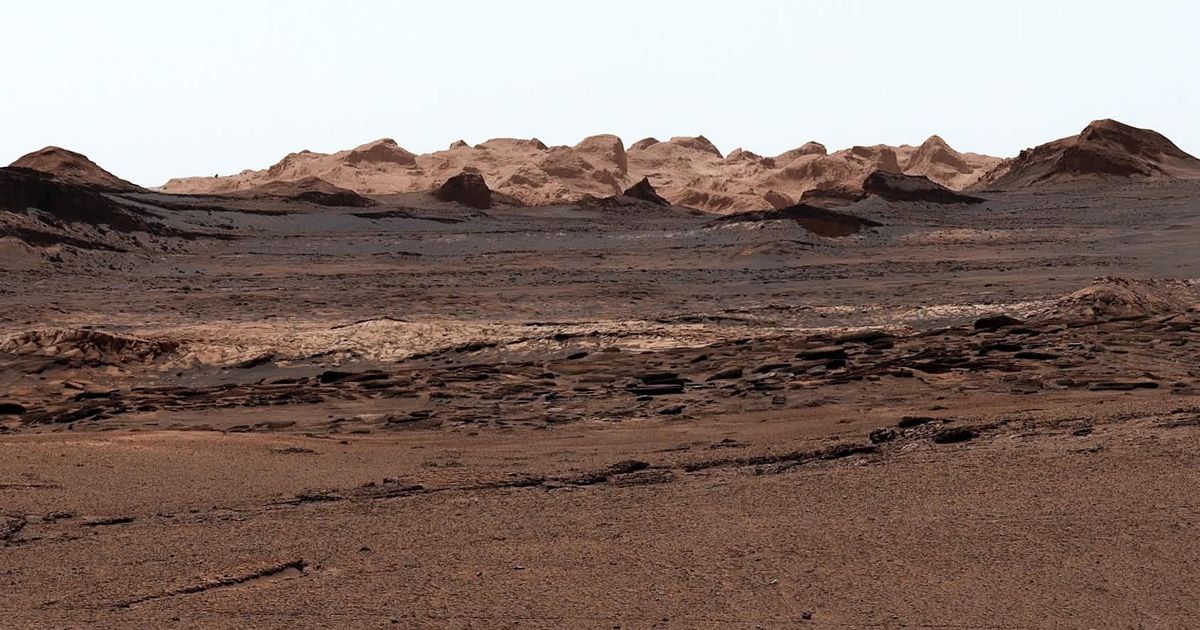
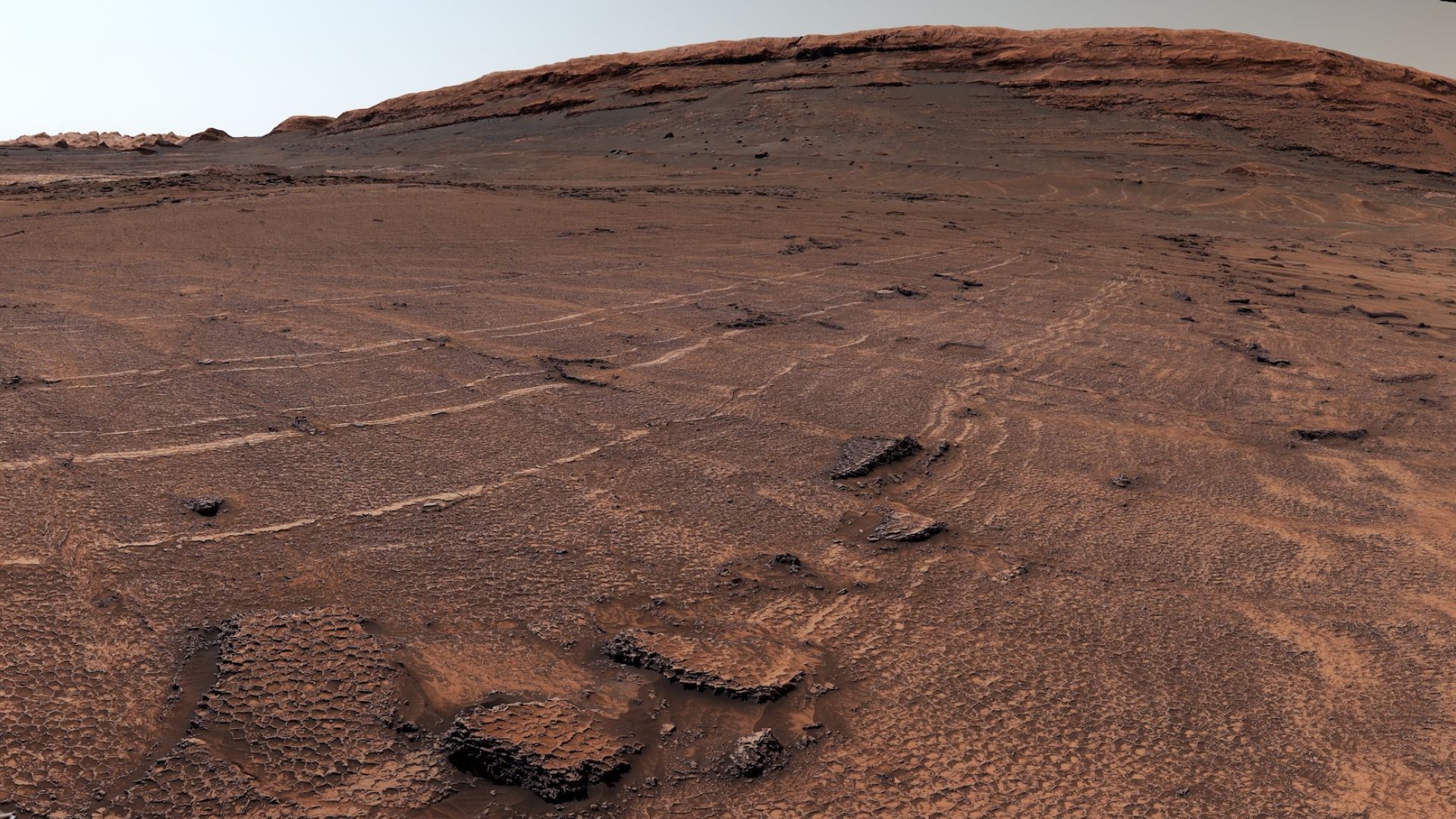
The Curiosity rover on Mars has sent images that have got scientists really excited. They feature a field of honeycomb-like textures called 'polygonal fractures' in a region that carries clues to Mars' watery past. Captured on June 19 and 20, a 360-degree view presents these fractures on a scale never seen before. Spread for as far as the rover could see, they were photographed in a region nicknamed ‘Valle Grande' in the Gale Crater, which Curiosity is currently exploring. According to NASA, each polygonal fracture measures about 1.5 to 3 inches (4 to 8 centimeters) across, and they even wrap around another hill named 'Miraflores,' standing 20 feet (6 meters) tall.
“We’ve seen a lot of fascinating landscapes through Curiosity’s eyes, but this sea of polygons took our breath away,” mission project scientist Ashwin Vasavada of NASA’s Jet Propulsion Laboratory (JPL) said in a statement. “We measured their shapes and chemistry carefully and are hopeful there are clues in the data as to how these features formed.”
The polygon fractures fascinate scientists because they are likely to be mud cracks that formed through repeatedly occurring wet-dry conditions on Mars, similar to what we see at the bottom of a dried-up lake on Earth. While scientists are sure that some of the polygons spotted in the past formed like this, they also concede that other processes can also contribute to the creation of these features. They say that the honeycomb texture could result from cycles of repeated freezing and cooling of water or compression that squeezed water out of the sediment when the surface was buried.
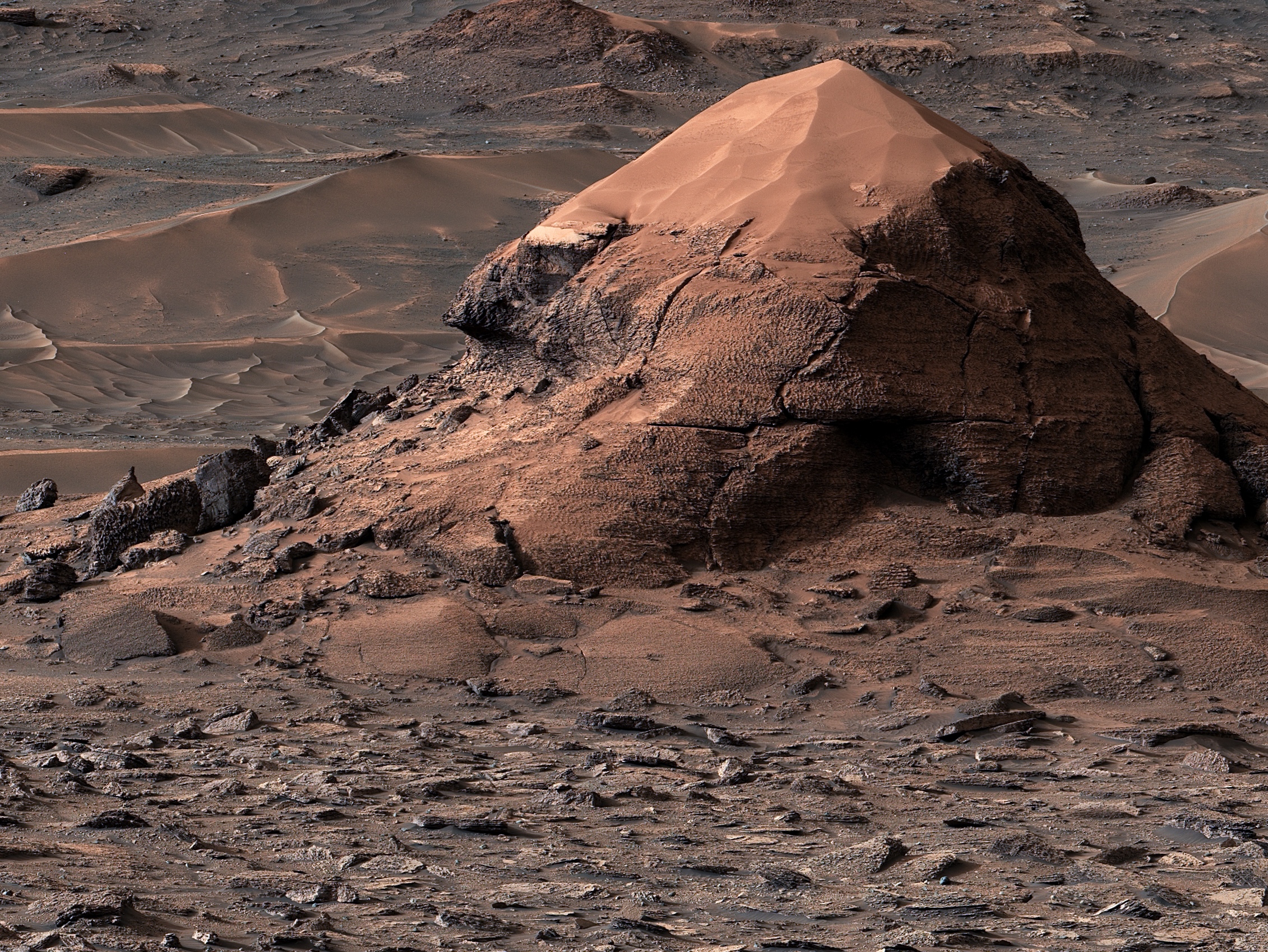
The Curiosity rover landed in the Gale Crater in August 2012 and has been ascending Mount Sharp since 2014. In the last 14 years, it has discovered sulfur crystals, shiny meteorites, and geological features such as a flower-like rock from billions of years ago when Mars had water.
At the lower foothills of Mount Sharp, a 3-mile-tall (5-km-tall) mountain, it has found carbon-based molecules, believed to be precursors to RNA and DNA, which store genetic information. While they can form through both biological and geological processes, their discovery indicates that Mars may have supported chemical reactions to support life.
More on Starlust
SpaceX Falcon 9 rocket debris to crash into the Moon on August 5 at 5,400 mph—can you see it?
NASA’s Psyche teams up with ESA's Mars Express for a coordinated photoshoot at the Red Planet