Fireball spotted over South Atlantic in April successfully traced to its origin
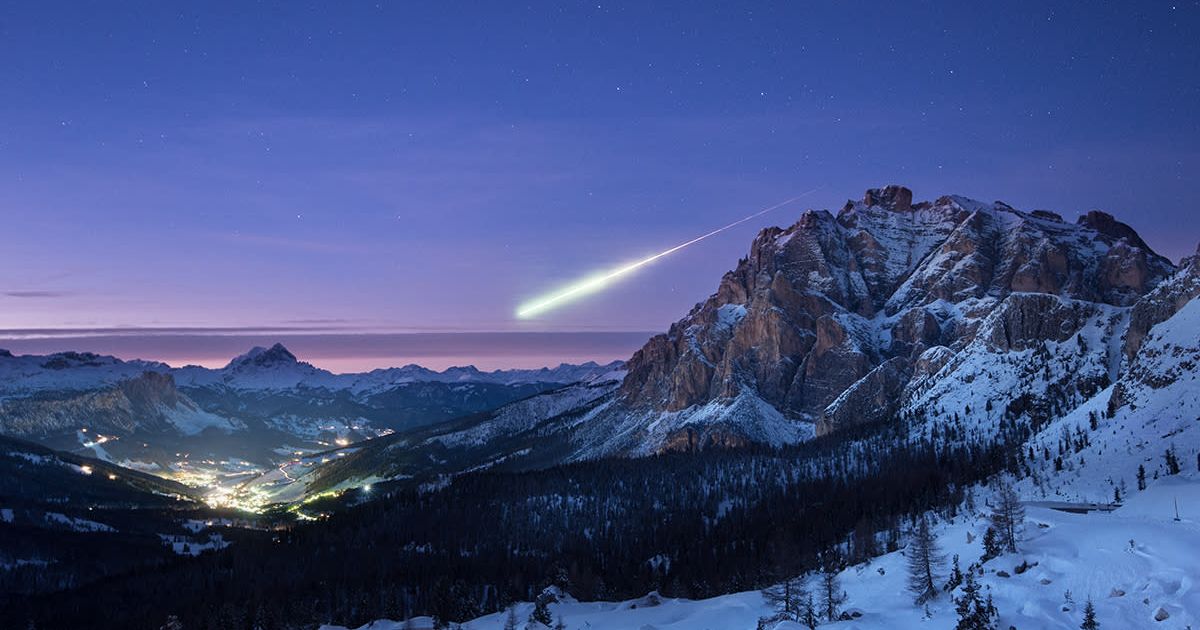
The likely origin of the fireball that had exploded high above the South Atlantic off the coast of Argentina on April 1 has been traced to the outskirts of the solar system. Reaching its peak brightness at an altitude of 56 miles, the fireball had exploded with the intensity equivalent to 86 tons of TNT and was detected by U.S. government sensors. The new study published this month saw the researchers supplement this initial government data with observations made by a pair of civilian lightning imagers aboard geostationary weather satellites. These were the Geostationary Lightning Mapper on the National Oceanic and Atmospheric Administration's (NOAA) U.S. GEOS-East satellite and the Lightning Imager on the European Space Agency's (ESA) Meteosat Third Generation (MTG) Imager-1 satellite.
A high-velocity meteor that exploded high above the South Atlantic off the coast of Argentina in April was detected by lightning imagers aboard European and US weather satellites. Their observations are helping to pin down its likely origin: https://t.co/iCQgdLctRR pic.twitter.com/ZfxD46QyTN
— ESA Operations (@esaoperations) July 28, 2026
The fireball was observed to have entered the atmosphere at such a blinding speed that the researchers had to verify the data collected by the U.S. government sensors with the two weather satellites. "In the case of this 1 April fireball, the reported velocity components implied such a high entry speed that independent verification of such value was required in order to later assess its possible origin," said ESA's Planetary Defense Team's Juan Luis Cano, who's the co-author of the study. Using a technique called stereoscopic triangulation, Juan Luis and his colleagues calculated said velocity to be about 35 miles per second, which was about 18 percent less than what the U.S. government sensors had initially estimated.
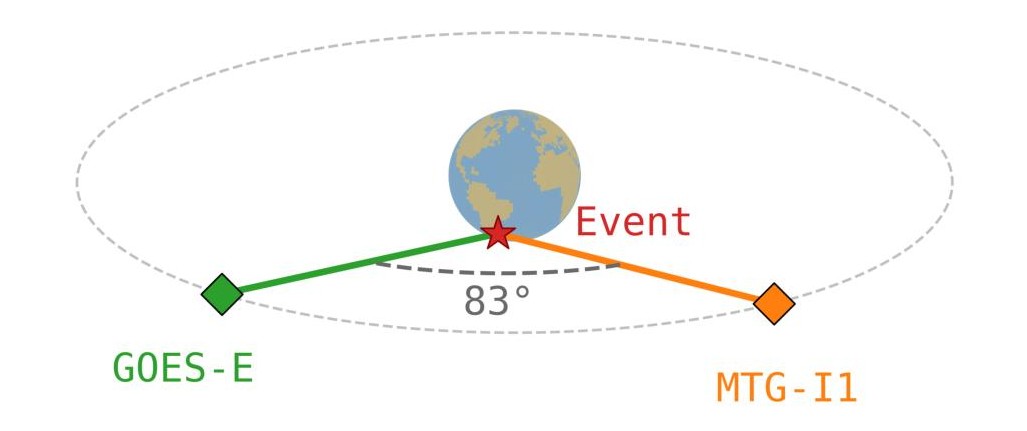
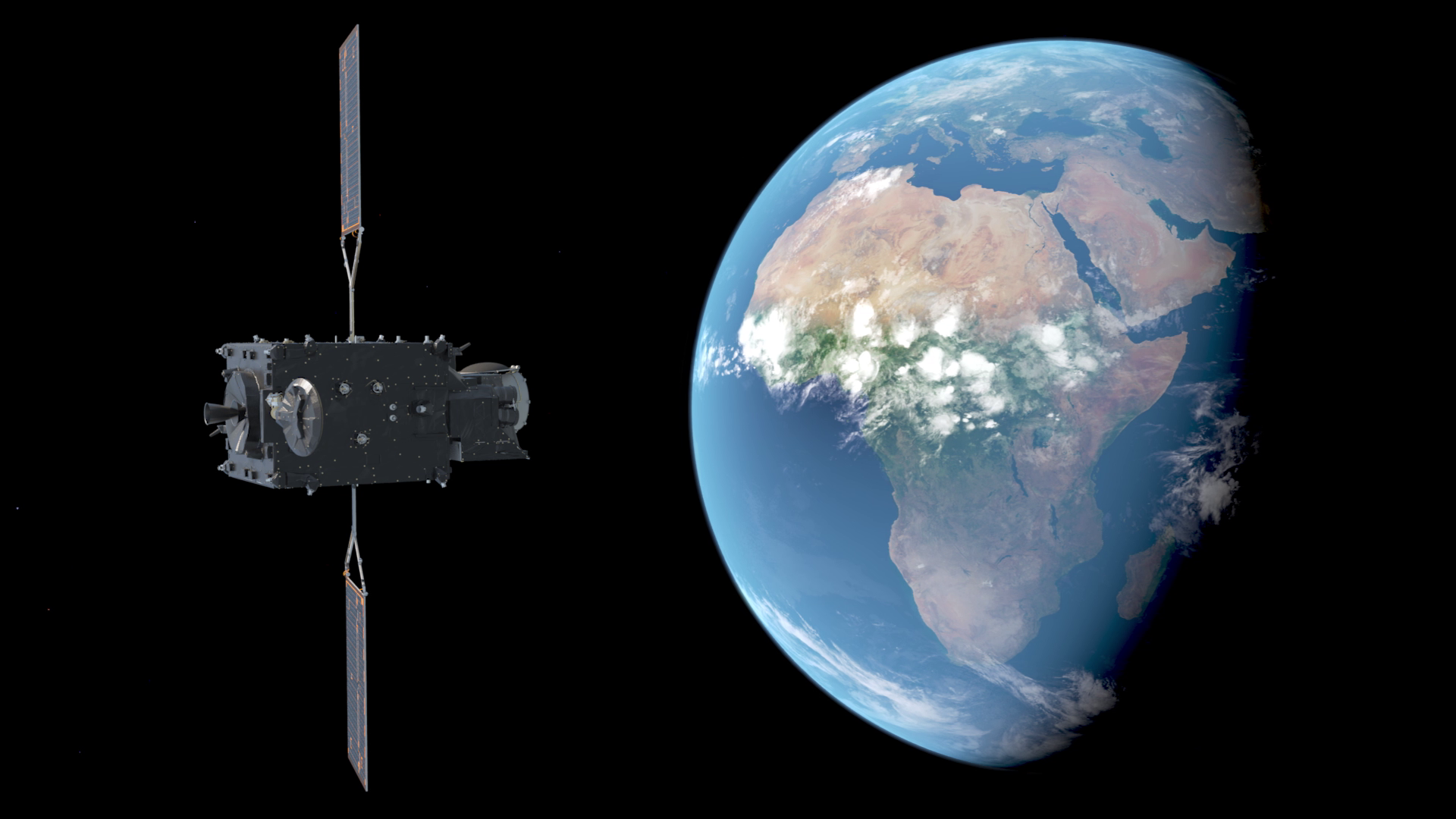
While the imagers onboard the GOES-E and MTG-I1 detect millions of lightning flashes daily from their approximate altitude of 22,000 miles, detecting a fireball detonation was a different game altogether. The MTG-I Lightning Imager, for instance, which was originally designed to reject non-lightning events, made the researchers rethink the entire processing chain. "Working with MTG-I satellite operator Eumetsat as well as with our American colleagues, our research has shown that fireball detonations have their own distinct signatures, possessing clear linear paths and a gradual increase in intensity before fading away, unlike the fixed points of lightning flashes," explained Juan Luis. He and his colleagues have been trying out methods to separate the two signatures and build a "global inventory" of such events to advance their knowledge of very small objects in the near-Earth space for the sake of planetary defense.
The sound produced by the explosion was also used to add context while characterizing the fireball, thanks to a worldwide network of acoustic stations operated by the International Comprehensive Nuclear-Test-Ban Treaty Organization that detect low-frequency ‘infrasound.' These sounds, associated with both nuclear detonations and fireballs, can't be heard by humans. “Having documented the multi-sensor record, our next step will be to carry out the detailed analysis required,” said Juan Luis. "So far, by applying two independent velocity models to the combined satellite observations, we find a peak-brightness location and direction consistent with the U.S. government findings, but with a velocity magnitude around 18% lower, helping constrain its likely origin from the outskirts of our solar system."
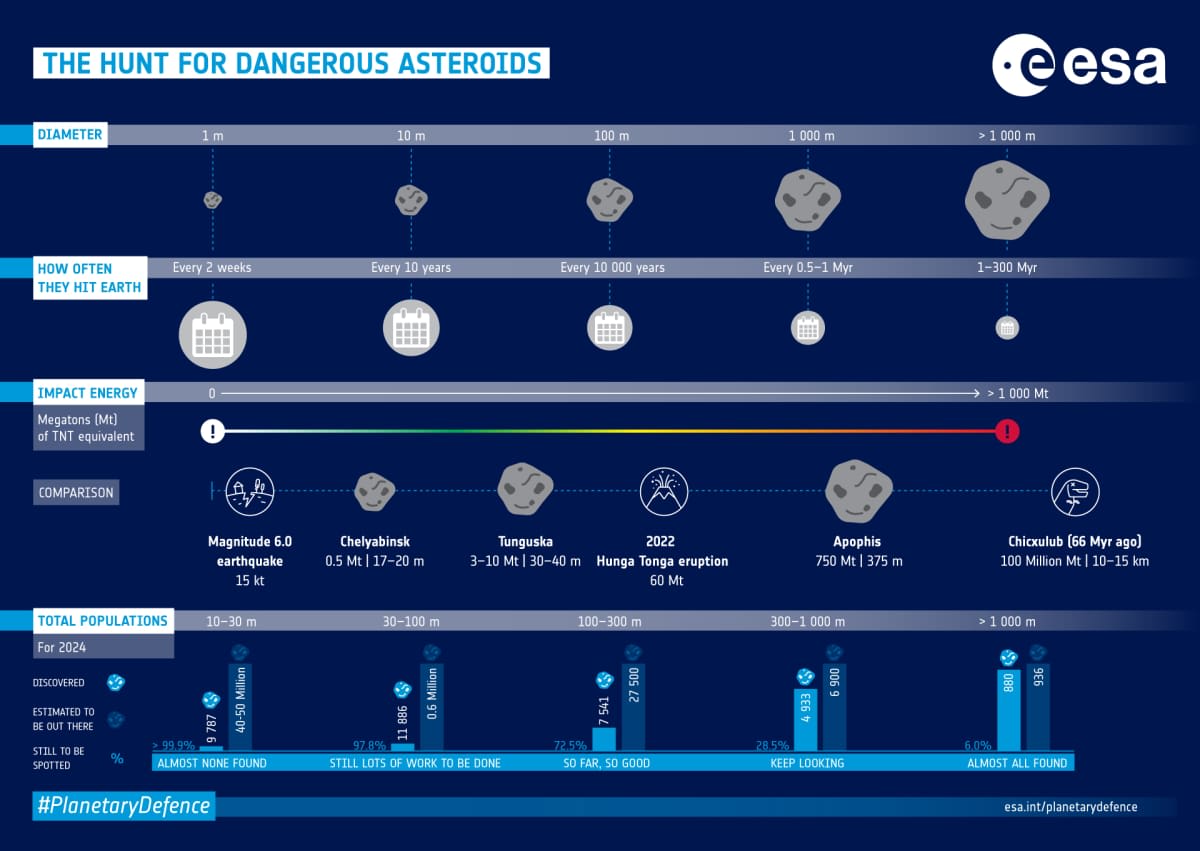
Collaborative efforts across planetary defense and meteor communities, as displayed by the recent study, are of great importance. Less than a month before the aforementioned fireball was detected, a meteorite crashed through the roof of a home in Koblenz, Germany. Fireballs with audible explosions have also been reported in the U.S. in recent months. And who can forget the meteor that exploded over Chelyabinsk, Russia, in 2013, blowing out windows over 200 square miles and injuring more than a thousand people?
More on Starlust
Scientists find life-supporting organic compounds in meteorite that struck New Jersey home
Garnet found in Martian meteorite for the first time could help piece together Red Planet's history