A lobster-eye X-ray telescope could unveil some of the deepest secrets of the Moon's geology
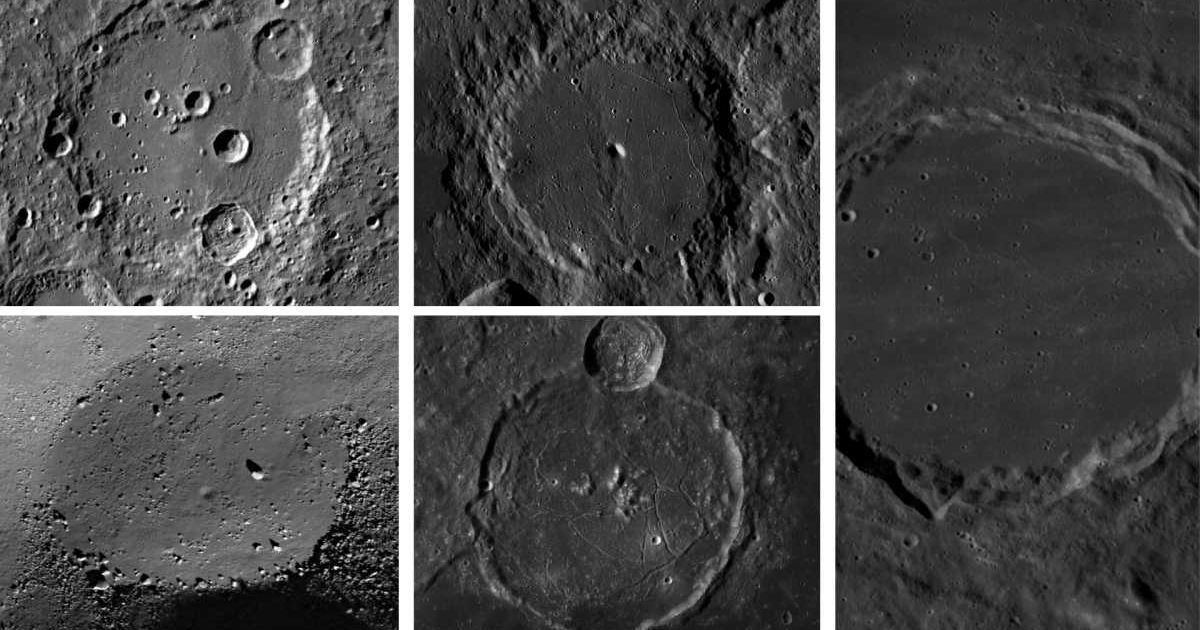
The Moon, with its cratered, barren landscape, is still a mystery, but a new X-ray telescope could unravel some of its deepest secrets by mapping the chemical composition of the entire lunar surface, according to simulations by a Japanese research team. Models of the telescope and a realistic satellite mission help the researchers estimate that the telescope can map five key elements on the lunar surface within two years. The study, published in Earth, Planets and Space, suggests that the telescope will be ultra-compact and lightweight, making it suitable for globally mapping the lunar terrain.
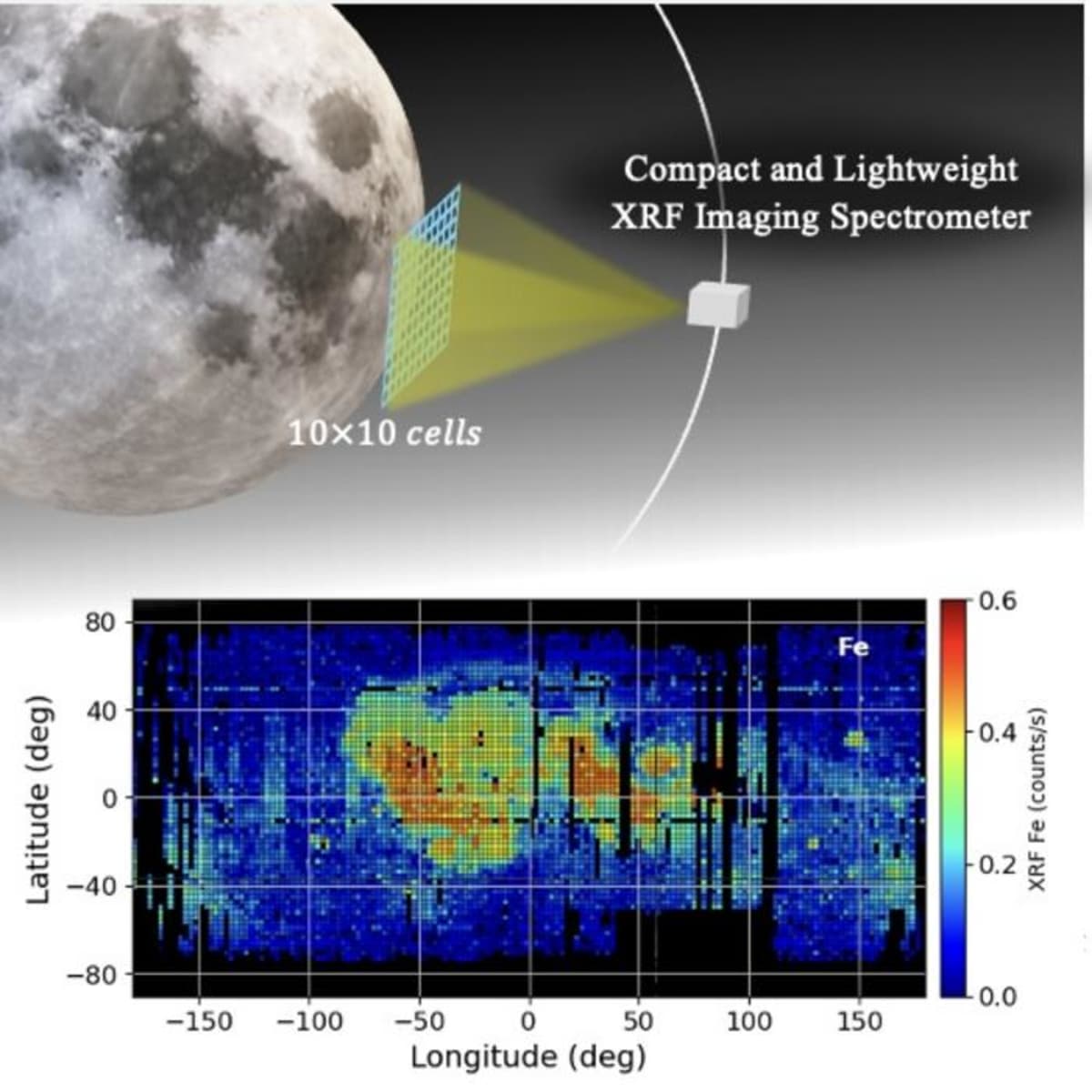
To date, scientists have struggled to figure out how the Moon geologically evolved. Lunar orbiters such as the Lunar Reconnaissance Orbiter have created a 3D map of the entire lunar surface, and rovers have sporadically explored the lunar soil. However, a comprehensive geochemical map of the entire lunar surface is yet to be completed. The Moon lies at an average distance of about 384,400 km from Earth. Because of this vast distance, it is not easy to set down rovers or for human explorers to land and scoop up samples across the entire globe. The Japanese team thinks that an X-ray fluorescence imaging technique could provide the solution. Such a technique uses detectors that face moonward and pick up characteristic X-rays emitted by specific elements when they are exposed to solar rays.

During the Apollo era, the orbiting modules of the Apollo 15 and 16 missions examined elemental abundance but only covered about 10% of the lunar surface near the equator. Later, India's Chandrayaan-1 and 2 orbiters conducted broader X-ray mapping, but the lunar poles—such as the south pole, where Chandrayaan-3 eventually landed—remained exceptionally difficult to map. This is because solar X-rays strike the lunar poles at steep, grazing angles, providing illumination too weak to trigger clear geochemical signatures from the lunar surface. None of these missions yielded a comprehensive map that can shed light on the entirety of lunar geology. To overcome such drawbacks, the Japanese team led by Airi Toida and Prof. Yuichiro Ezoe at Tokyo Metropolitan University has proposed using a compact X-ray telescope which could be mounted on a satellite mission around the Moon. The proposed telescope will keep an eye on the lunar surface during powerful solar flares. It will specifically detect X-ray signals emitted by five elements: oxygen, iron, magnesium, aluminum, and silicon.
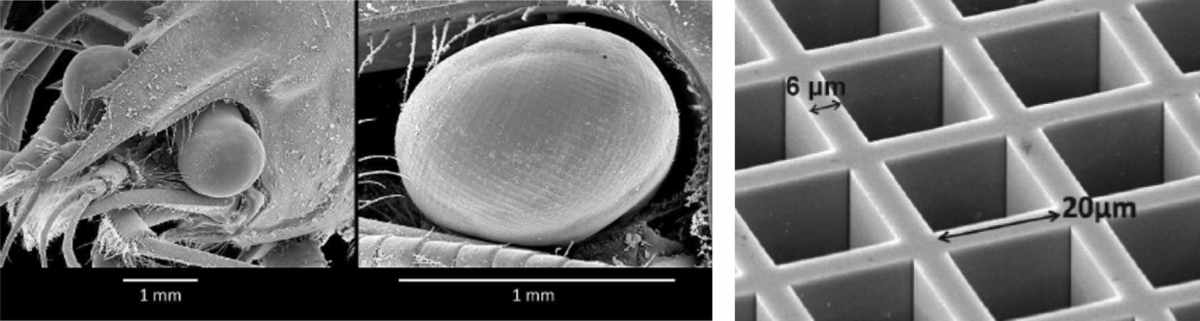
Unlike conventional X-ray telescopes which are large and heavy, the newly designed telescope weighs less than ten kilograms, making it ideal to be loaded onto a small satellite. The team has already tested its detectors under harsh radiation environments that are more severe than those found in lunar orbit. The instrument utilizes Micro-Electro-Mechanical Systems (MEMS) optics in a lobster-eye configuration—a design inspired by the wide-field compound eyes of lobsters. Using numerical simulations, the team assessed how it would perform in reality. Assuming approximately 300 solar flares hit the Moon per year, they found that a single telescope could map the distribution of the five elements at a resolution of 70 by 70 kilometers across the whole lunar surface within two years. The team also explored the possibility of mounting 25 telescopes in a five-by-five array on a single satellite. Such an array of telescopes could map the five elements in a year, and sodium within two years, at a finer resolution of 30 by 30 kilometers. This type of telescope opens new routes for low-cost imaging exploration that is effective even for the Moon’s shadowed polar regions.
More on Starlust:
Micrometeoroids and solar wind are constantly changing the Moon. New study finds how
James Webb detects most distant dormant black hole ever found at over 10 billion light-years away