Venus shines at its peak evening brilliance on August 16; here’s where to look tonight
The planet Venus is achieving peak illumination and now is the best time to look for this neighbouring world in the evening sky. According to NASA, Venus is in ‘greatest eastern elongation’—meaning it will appear the farthest from the Sun as seen from Earth. During an eastern elongation, the inferior planets—those that orbit the Sun closer than Earth—are visible as evening objects that set in the west after the Sun. The opposite happens during a western elongation; the planets rise in the east before the Sun as morning objects.

Elongation is measured in degrees and a higher degree signifies the perfect time to spot Mercury or Venus because they are at the highest point above the horizon and farthest from the Sun’s glare. According to EarthSky, Venus’s maximum distance from the sun at greatest elongation is approximately 47 degrees.
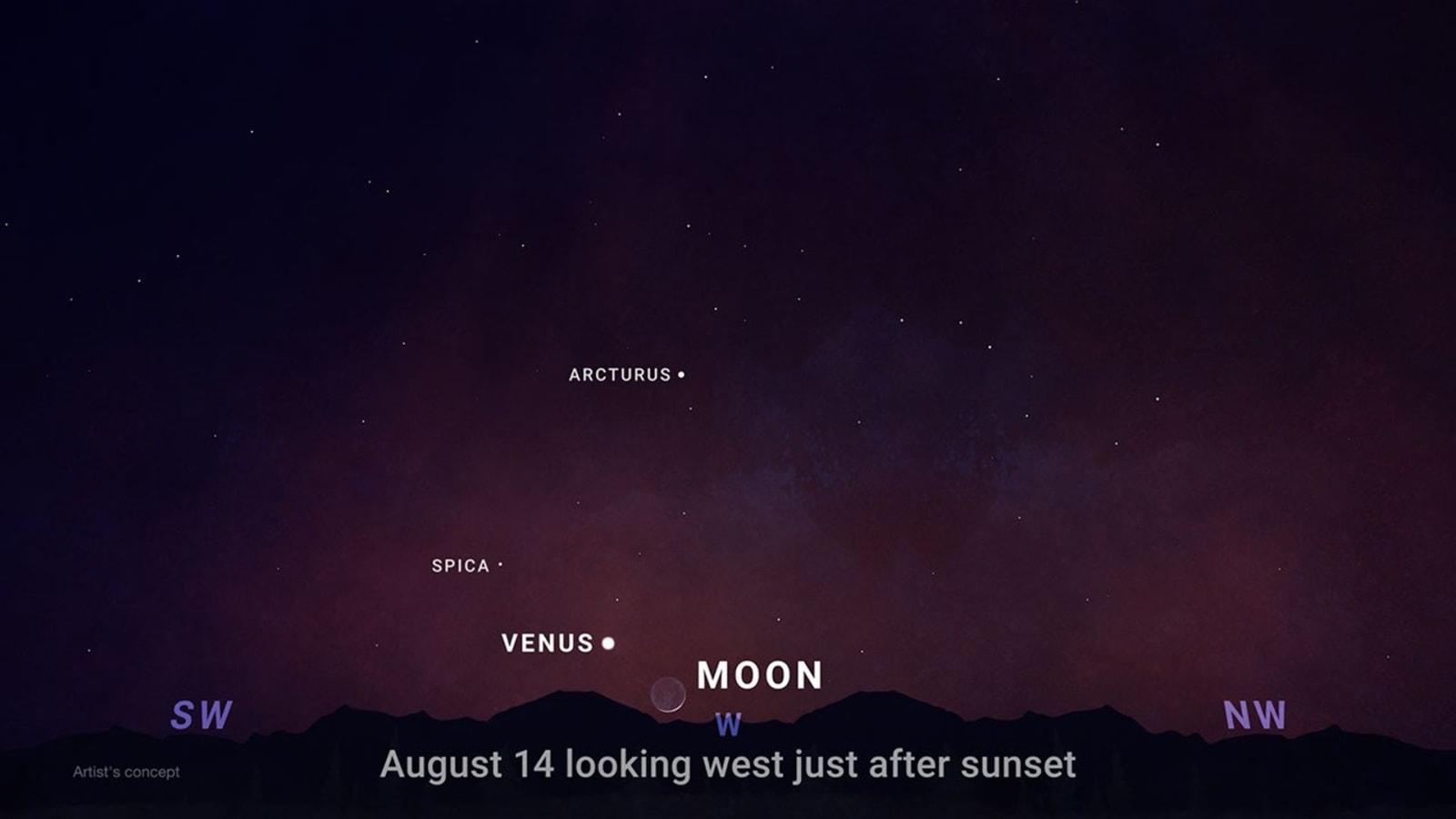
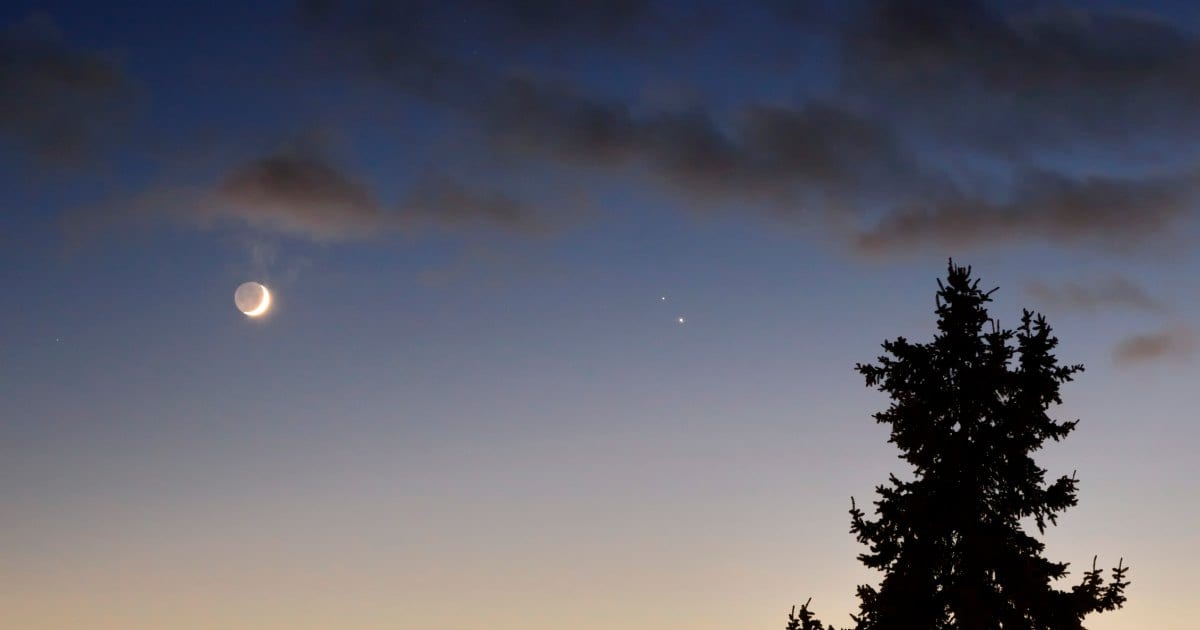
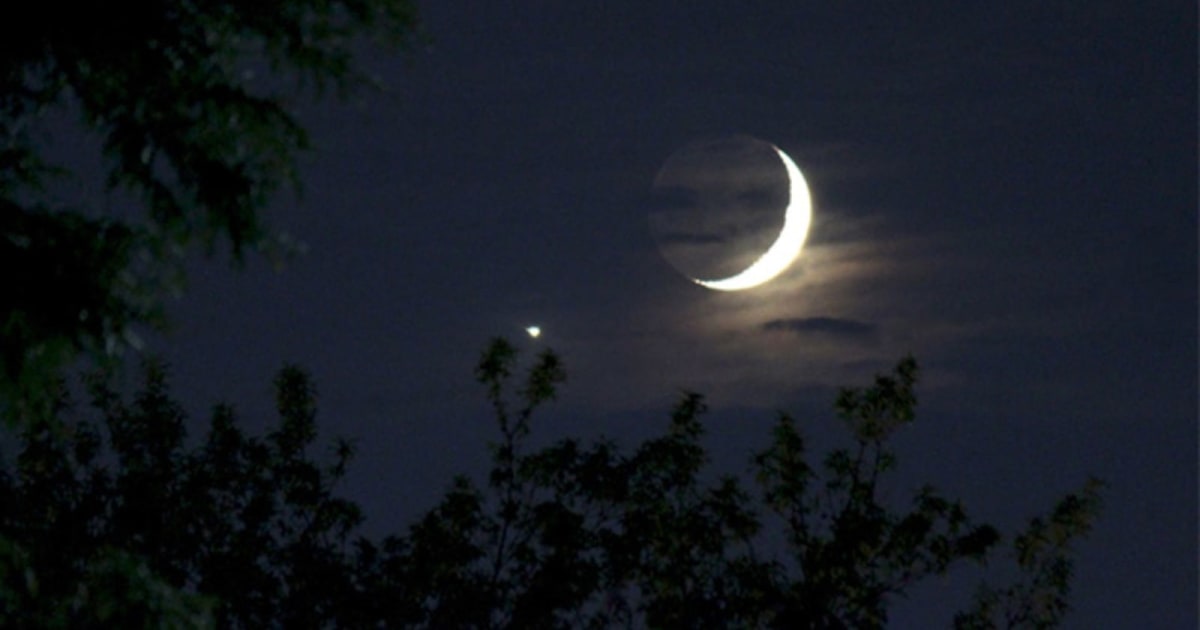
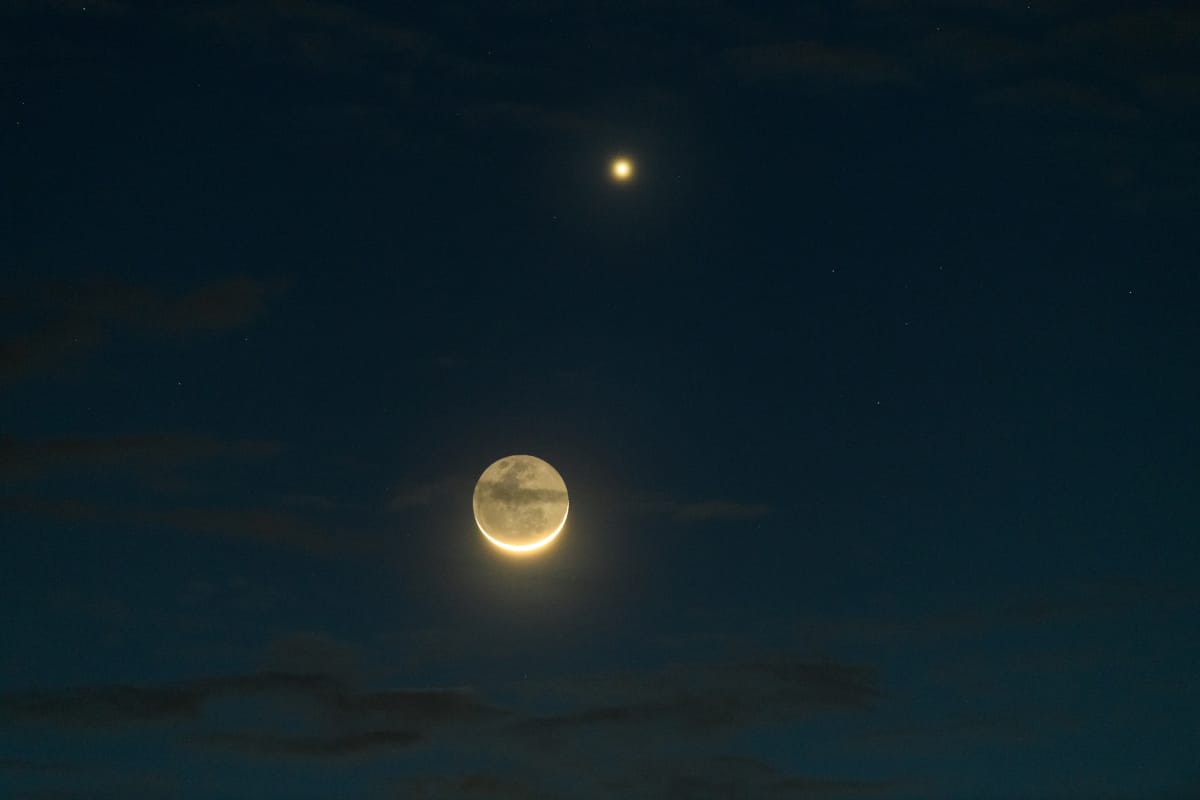
To find Venus on August 16, look towards west after sunset. The planet will be visible next to a crescent Moon as a bright dot, outshining every star near it. Venus, NASA says, will appear close to half lit like a tiny lunar phase when observed through a telescope—the best optical aid for this spectacle. Don’t be discouraged if you don’t have a telescope because the planet will be bright enough for the naked eye. Since the Moon will be in its waxing crescent phase with about 15 per cent illumination, it won’t wash out Venus’s brightness.
Interestingly, Venus is also heading for a conjunction (the apparent meet up) with Spica, the brightest star in the constellation Virgo. The two planets will be in conjunction on September 2-3 before Spica disappears into the sunset, per EarthSky. It will reach another peak illumination in the evening sky around September 18 and won’t appear this bright until April 2028. Around November 29, the planet will appear the brightest in the morning sky. According to the Royal Museums Greenwich, Venus will reach greatest western elongation on January 3, 2027, disguising as a bright morning star.
August’s upcoming ‘almost blood moon’
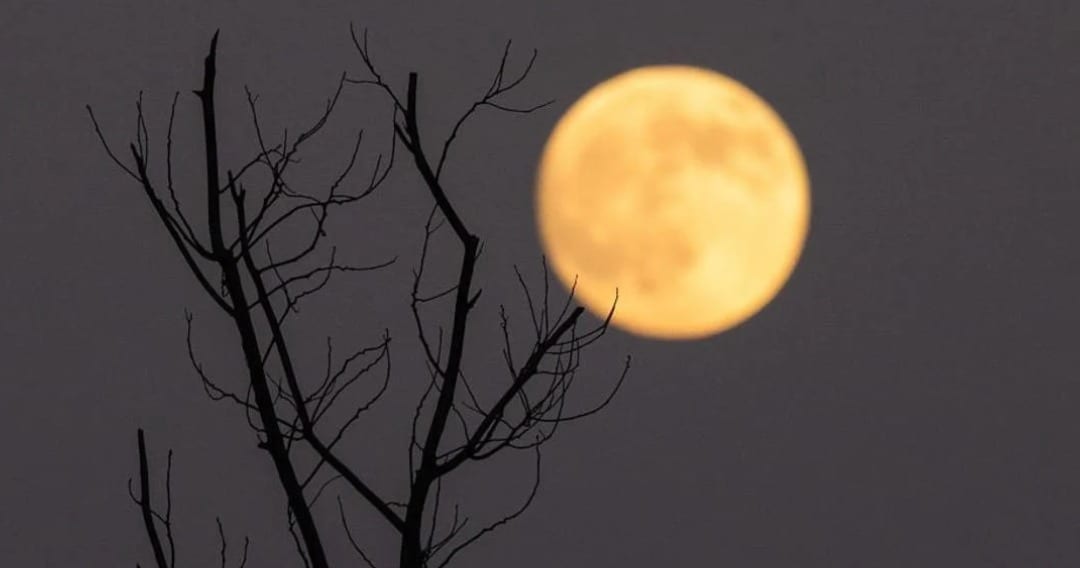
On August 28, much of North and South America, and parts of Europe and Africa will witness a lunar eclipse that follows the total solar eclipse of August 12. NASA says about 93 per cent of the Moon's diameter will be inside Earth's dark central shadow, called the umbra. While it won’t be completely covered, the Moon will appear darkened, with a rusty, coppery tint, almost like a ‘blood Moon’. Check the timings of the eclipse here.