July 2026 Full 'Buck Moon': Date, peak illumination time and everything skywatchers need to know
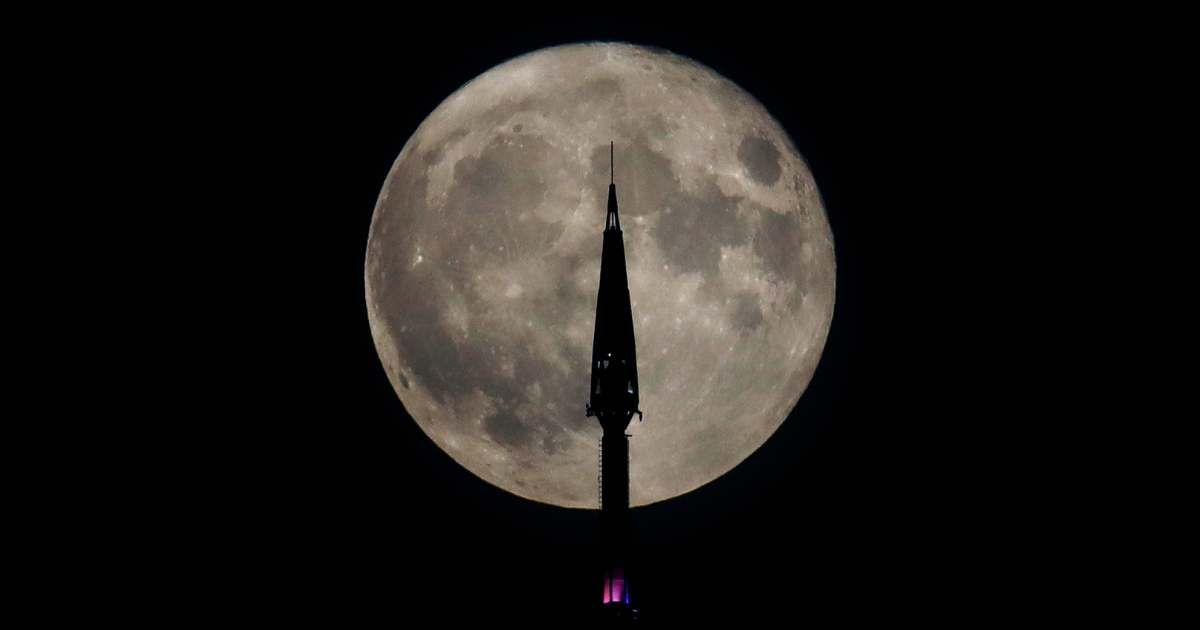
With June’s Strawberry Moon gone, it's time to look forward to July's Full Moon, also called the 'Buck Moon,' which is slated to grace the skies towards the end of the month. Here’s everything you need to know if you are looking forward to the event.

When will the Buck Moon rise?
July's Full Buck Moon will rise on Wednesday, July 29. The Moon will be at its peak illumination at 10:36 AM ET and will be located below the horizon at the time. Thus, skywatchers who plan to catch the Buck Moon must keep a close eye on the southeast sky post-sunset.

Bonus tips for the best Buck Moon experience
Skywatchers planning to catch the event must get to a terrace or an open field with a clear view of the sky. Of course, the 100% illuminated Moon will be visible to the naked eye, but observers should use a telescope or binoculars if they want to get a magnified view of the lunar disk and the various features and landmarks on it. With binoculars, observers will be able to spot features like the Endymion Crater, Mare Frigoris, and Mare Humorum, while those with a telescope will get a good view of the Apollo 17 landing site, provided the weather cooperates.

Why is the July Full Moon called the 'Buck Moon?'
The July Full Moon is named after male deer, or bucks, whose antlers show dramatic growth at this time of the year. There are other names for the July Full Moon too that reference animals. These include the Feather Moulting Moon and the Salmon Moon. There are some names that feature plants too, such as the Berry Moon and Raspberry Moon. These Moon names can be traced back to Native American, colonial American, and European sources.
More on Starlust
August 12, 2026 total solar eclipse to bring rare sunset spectacle—check the best viewing locations
June Bootids 2026: All about one of the most unpredictable meteor showers—when and how to watch