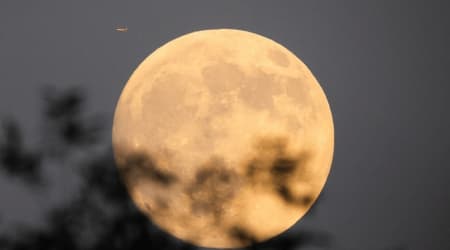
Manhattanhenge 2026: All about spectacular solar event visible from New York City in July
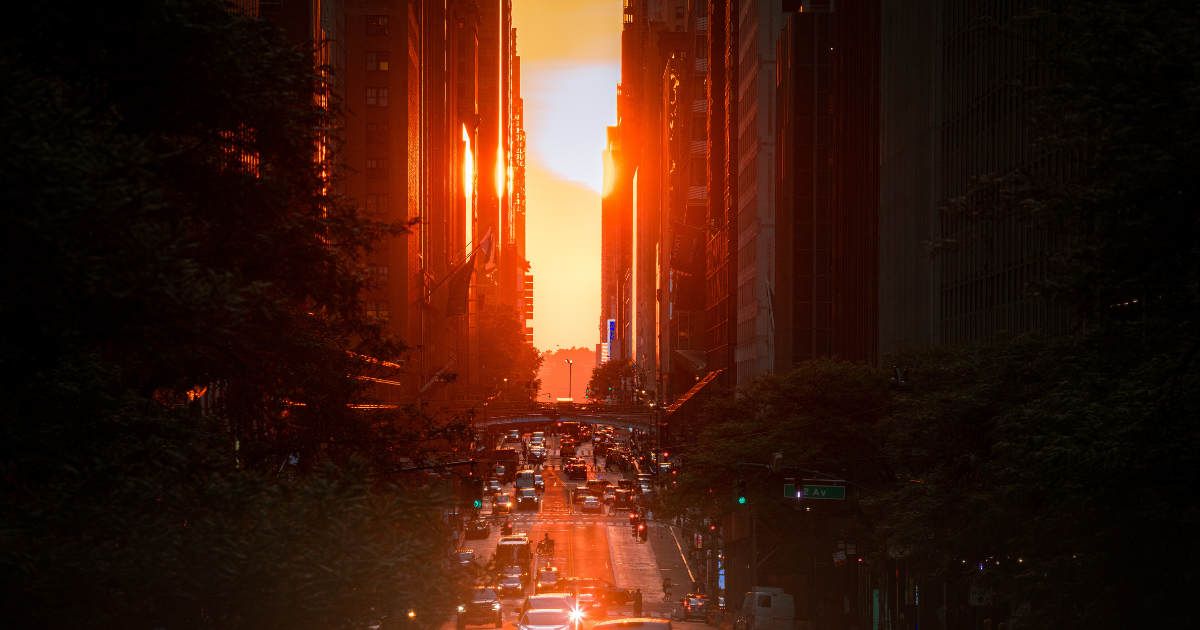
It is time to bask in the beauty of Manhattanhenge, a stunning spectacle often observed in New York City. During this time, the setting (or rising) Sun aligns perfectly with the east-west streets of Manhattan’s main street grid. This phenomenon occurs on four distinct days in a year, split into two sets. In 2026, New Yorkers have already witnessed the event once, prior to the Summer Solstice on May 28 and 29. However, the spectacle will be visible again on July 11 and 12, allowing those who missed the earlier alignment to see it again.

Why is the phenomenon termed the Manhattanhenge?
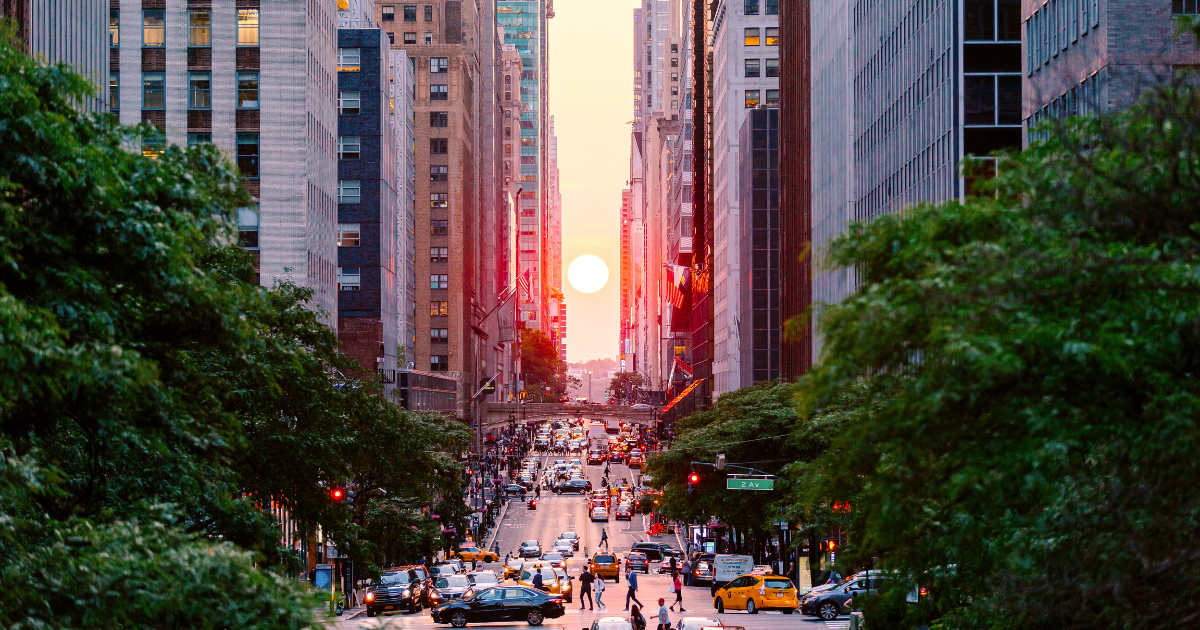
Manhattanhenge derives its name from Stonehenge in Wiltshire, England, an ancient monument famous for its perfect alignment with the Summer Solstice sunrise. Whereas Neolithic builders intentionally built Stonehenge to align with the Sun's path, the city planners of Manhattan, in contrast, had no such vision. Rather, the perfect alignment one sees in Manhattan annually is the outcome of an accident of urban engineering that has worked out perfectly to become a major annual attraction. The secret to this twice-a-year alignment lies in the specific layout of Manhattan’s street grid. According to the Commissioners' Plan of 1811, the grid was angled precisely 29 degrees east of true north. This specific tilt causes the east-west streets of Manhattan to deviate from normal sunset and sunrise directions for the majority of the year, allowing the grid to line up perfectly with the Sun only during these specific windows before and after the Summer Solstice.
The term ‘Manhattanhenge’ was popularized by astrophysicist and popular science author Neil deGrasse Tyson. Tyson first introduced the phrase in a 1997 issue of Natural History magazine, drawing inspiration from his teenage visit to Stonehenge. As deGrasse Tyson explained, "I visited Stonehenge as a kid at age 15 … and that stuck with me, which is why I named this phenomenon in Manhattan where the sun sets along the street grid… I named that Manhattanhenge, sort of harkening back to my early days thinking about the alignment of the sun and structures that we might build."

When can we see the July 2026 Manhattanhenge?
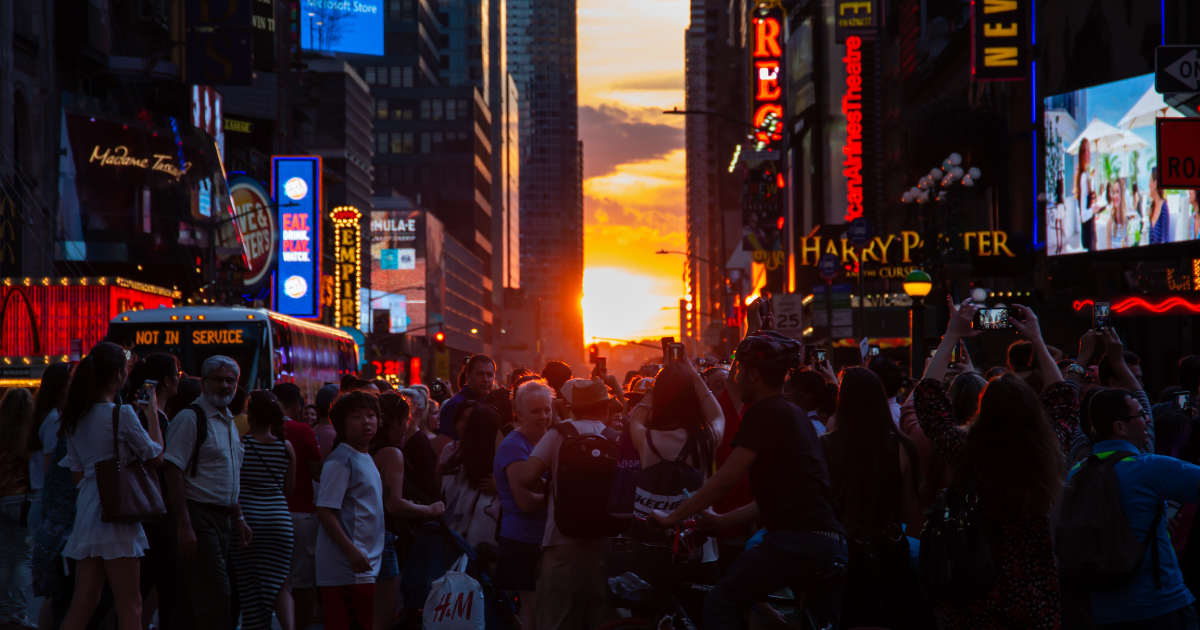
The post-Summer Solstice 2026 Manhattanhenge will take place on July 11 and 12. According to the American Museum of Natural History's Hayden Planetarium, skywatchers will witness a ‘Full Sun on the grid’ on July 11 at 8:20 PM ET. Subsequently, on July 12 at 8:21 PM ET, there will be a ‘Half Sun on the grid.’ A ‘Full Sun on the grid’ means the entire solar disk appears suspended between the city’s skyscrapers, hovering just above the horizon. Conversely, during a ‘Half Sun on the grid,’ skywatchers will only see the top half of the Sun above the horizon, while the bottom half sinks below it. Some of the best viewing locations to witness New York’s Manhattanhenge are along 14th, 23rd, 34th, 42nd, and 57th streets. Looking west from these spots gives skywatchers, tourists, and photographers a direct line of sight stretching all the way to New Jersey across the Hudson River. For those seeking a more elevated, architectural perspective, people can witness the phenomenon from the Tudor City Overpass, which offers an iconic view perfectly framed by the Chrysler Building on 42nd Street, while stargazers down on 34th Street will be treated to a striking vista heavily flanked by the Empire State Building.
Do other cities experience similar phenomena?
While the specific "Manhattanhenge" only happens on Manhattan Island in New York City, several other cities—namely Chicago, Toronto, and Baltimore—experience their own spectacular solar alignments. Chicago and Baltimore, which have street grids oriented almost exactly to true north, experience the Sun lining up with their east-west streets during the spring and fall equinoxes in March and September. A similar effect, popularly known as Torontohenge, takes place in Toronto roughly every February and October.
More on Starlust:
Southern Delta Aquariids set to peak in July: Date, time, how to watch—here's all you need to know
June Bootids 2026: All about one of the most unpredictable meteor showers—when and how to watch
August 12, 2026 total solar eclipse to bring rare sunset spectacle—check the best viewing locations