James Webb Space Telescope spots a Saturn-mass exoplanet that has Earth-like temperatures
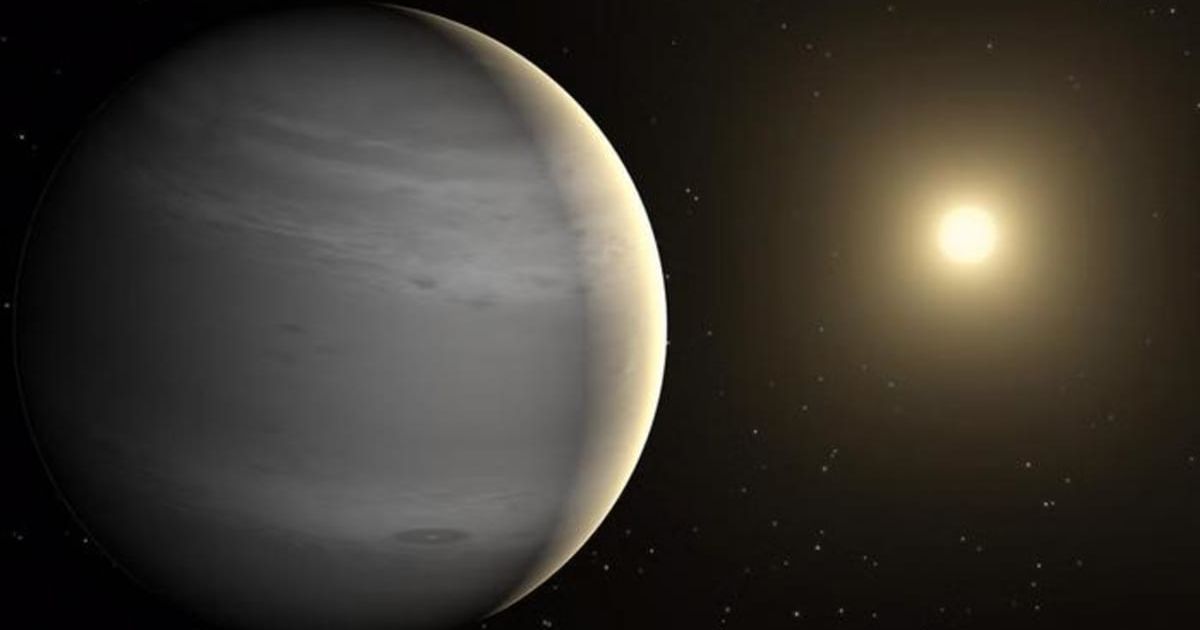
A team led by astronomers at Penn State and NASA’s Jet Propulsion Laboratory (JPL) at the California Institute of Technology has used the James Webb Space Telescope’s sharp vision to provide the first insights into the atmospheric content of a Saturn-sized exoplanet. The planet has a temperate climate with an atmosphere rich in methane. It orbits a star that is 330 light-years away. The study, published in The Astronomical Journal, will improve astronomers’ understanding by shedding light on how giant planets form and evolve. It will also help broaden our knowledge of planetary atmospheres, including Earth’s.
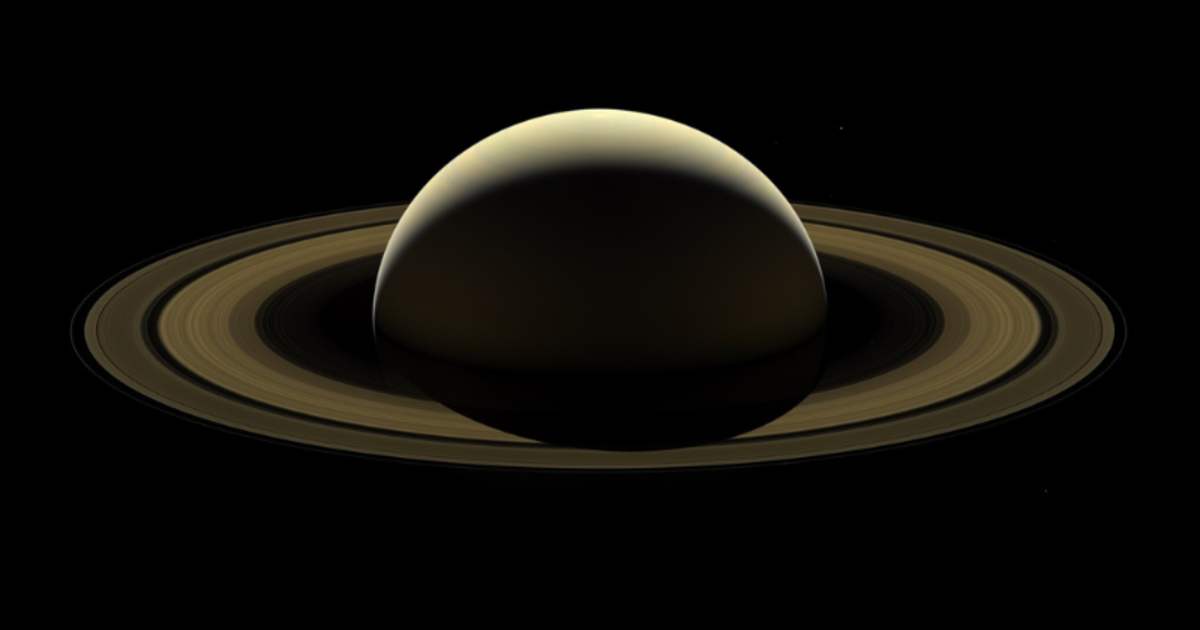
“One of the main advantages of studies of planets beyond our Solar System, known as exoplanets, is the ability to study many different types of planets — especially ones that we don’t see in the solar system — to learn about how planetary systems form and evolve,” said Renyu Hu, associate professor of astronomy and astrophysics at the Penn State Eberly College of Science and leader of the research team. “Since the first exoplanet was discovered in 1992 by a team that included Aleksander Wolszczan at Penn State, astronomers have found thousands of exoplanets. But only a few giant, temperate exoplanets are known, and this is the first time that we have been able to study the atmosphere of one of them in detail.”
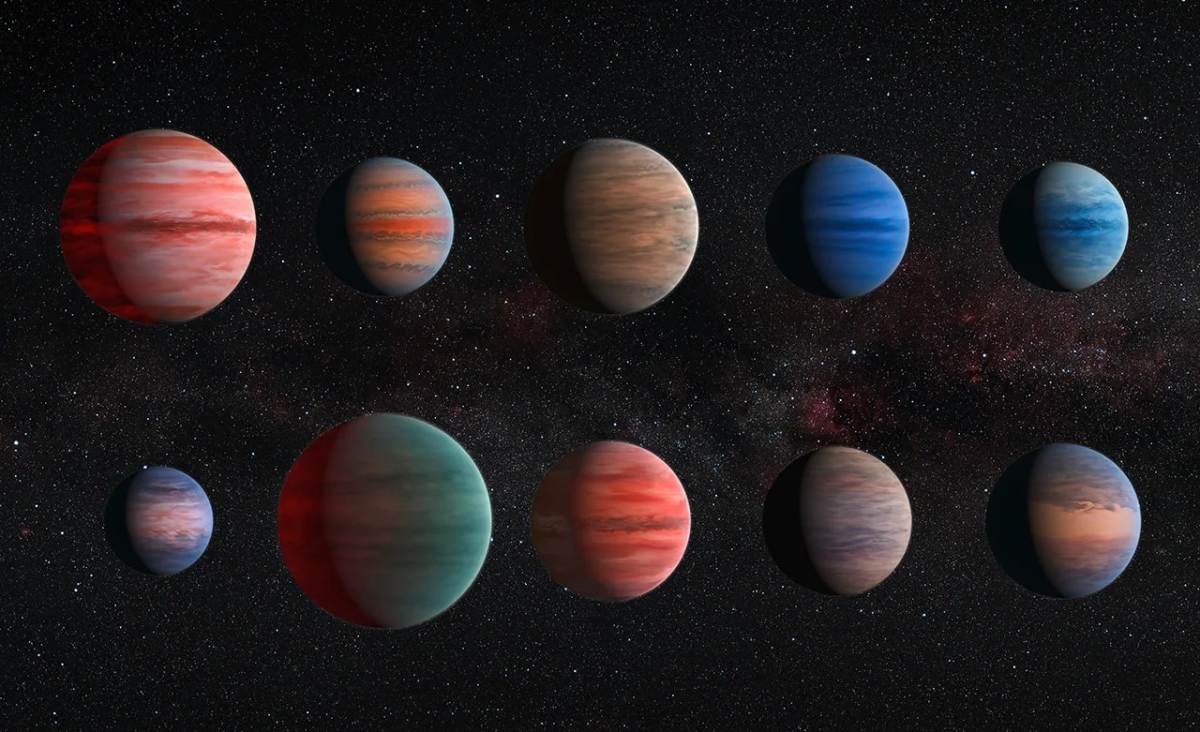
The planet, called TOI-199b, is far more temperate than so-called 'hot Jupiters', whose temperatures soar to thousands of degrees. Yet, it is not as cold as our Solar System's gas giants, whose temperatures plunge far below zero degrees Celsius. The planet completes one orbit every hundred days and maintains a temperature near 80 degrees Celsius (175 degrees Fahrenheit). While hotter than the most extreme deserts on Earth—where temperatures can cross 56 degrees Celsius—a temperature such as this is still astonishingly mild by the standards of giant planets. The team used a technique called transmission spectroscopy to analyze a tiny fraction of starlight that filtered through the planet’s atmosphere. State-of-the-art spectrographs on the JWST split the star’s light into its component wavelengths, much like a glass prism scatters white light into a rainbow. Because different molecules block different colors of light, the missing segments in that rainbow act as a chemical barcode, revealing exactly what is present in an alien atmosphere.
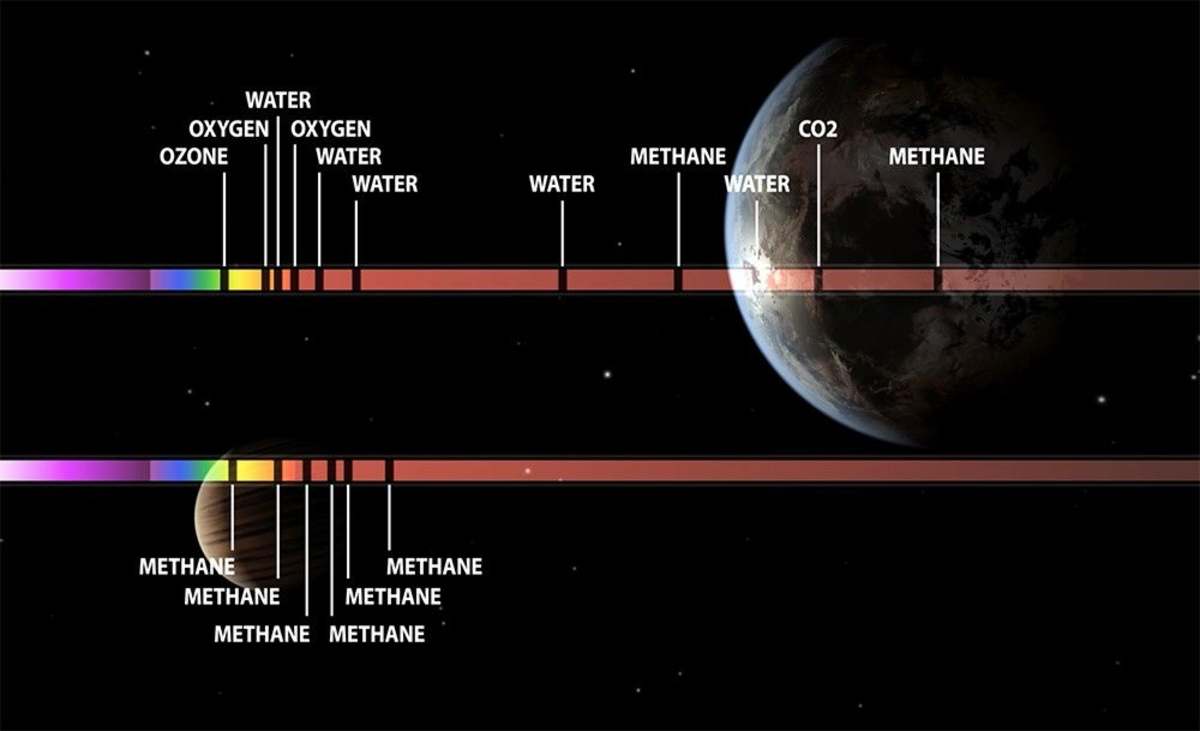
“As a planet passes in front of its star, some of the star’s light passes through the planet’s atmosphere where it interacts with the elements and molecules in the atmosphere,” explained Aaron Bello-Arufe, a postdoctoral researcher at JPL and the first author of the paper. “Specific elements will absorb specific wavelengths of light, creating a fingerprint in the spectrum of light that JWST detects that reflects the atmosphere’s composition,” he explained.

The transit (the passing of the planet in front of the star) lasted nearly seven hours, while JWST gathered almost 20 continuous hours of observations to establish a clean baseline of the star’s normal light. By comparing the two sets of data, the scientists isolated specific light signals that reveal the planet's atmospheric composition. The most unmistakable signature to emerge was that of methane. Besides this gas, the atmosphere also contained hints of ammonia and carbon dioxide. “With additional observations of this planet, we could establish the relative abundance of these various gases in its atmosphere,” Hu mentioned.
More on Starlust
James Webb Space Telescope provides crucial information about lonely Jupiter-like gas giant