Water on near-Earth asteroids can make spaceflight cheaper
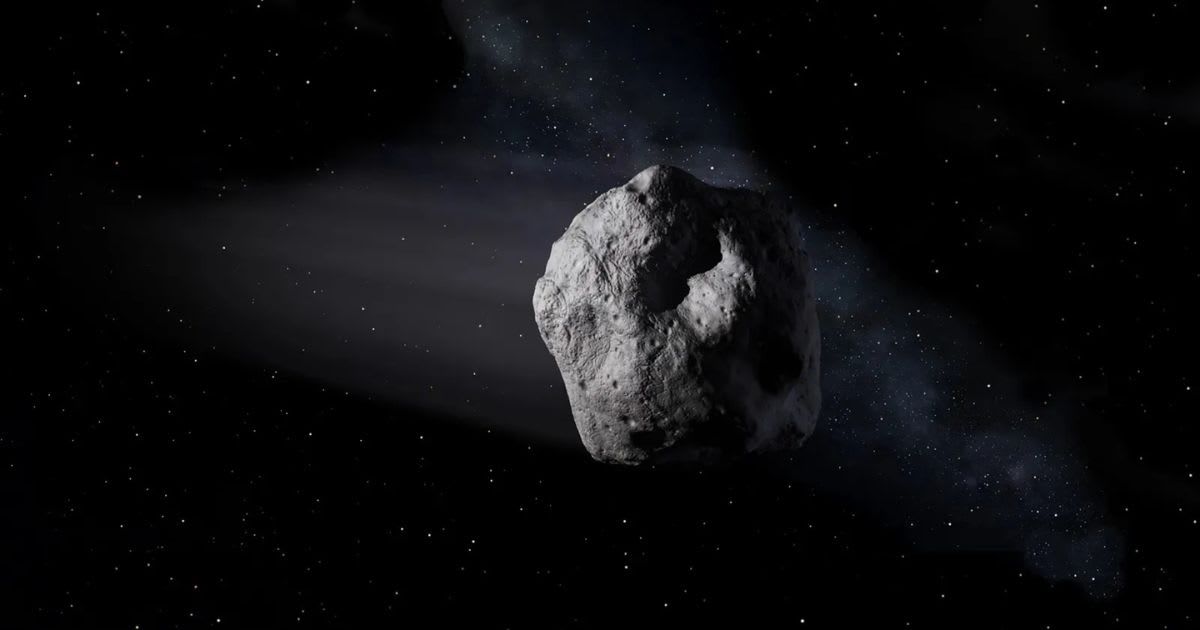
For common people, asteroids conjure up a picture of death and disaster. But the growing scholarship on these rocky objects will tell you that they are also rich in resources—and pretty important ones at that. Now, a recent study published in The Planetary Science Journal has found that hydroxide is the dominant hydrated material on a few Near-Earth objects (NEOs). “There was and is a lot more water in near-Earth space than we thought,” says lead author Lauren McGraw from Northern Arizona University in an exclusive interview with Starlust.org.
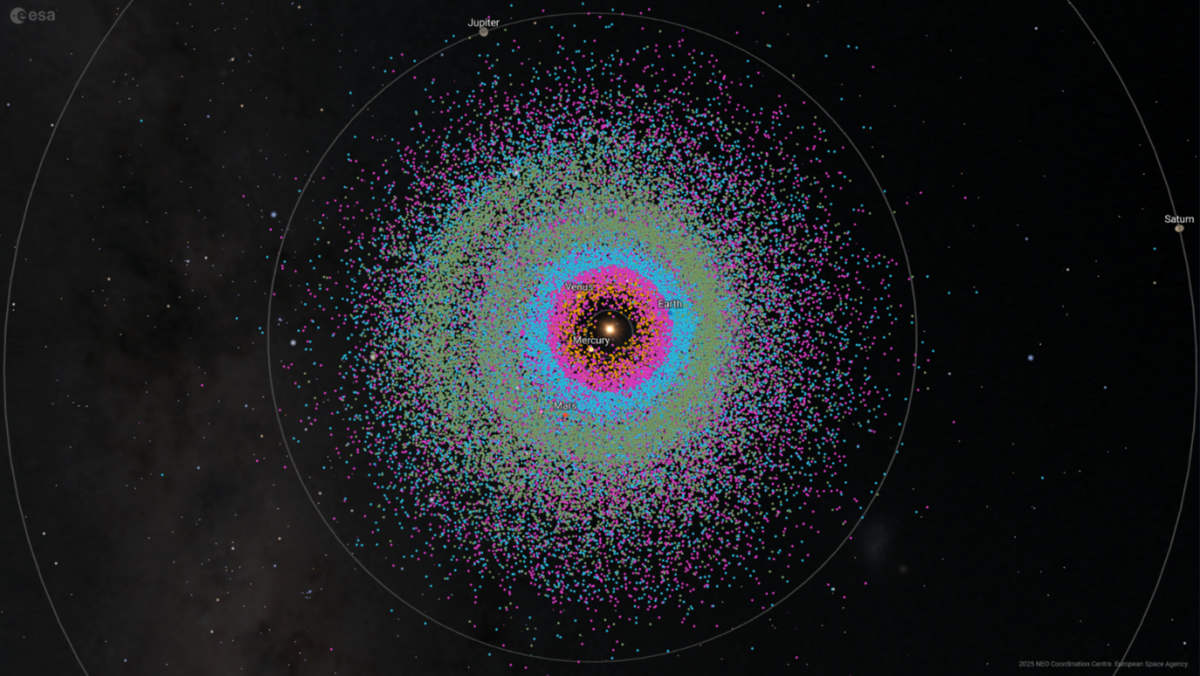
The findings of this research radically change our view about NEOs or Near-Earth asteroids (NEAs), whose orbits bring them within roughly 45 million kilometers of Earth's orbit, prompting planetary defense teams to keep a watchful eye. “If we thought these asteroids were not supposed to have water, but they do, then our understanding of the hydration budget of near-Earth space is faulty, and we have to address that,” adds McGraw. “There is actually a lot of water in the outer solar system, because this region of space was cool enough during solar system formation for water to condense,” she adds. The inner solar system was too hot for water to easily form. However, these rocky sources could have been vital in providing Earth with water while it was forming. “While Near-Earth asteroids do not have nearly as much water as comets, which are often thought to have delivered water to Earth, near-Earth asteroids may have played a key role,” McGraw notes.
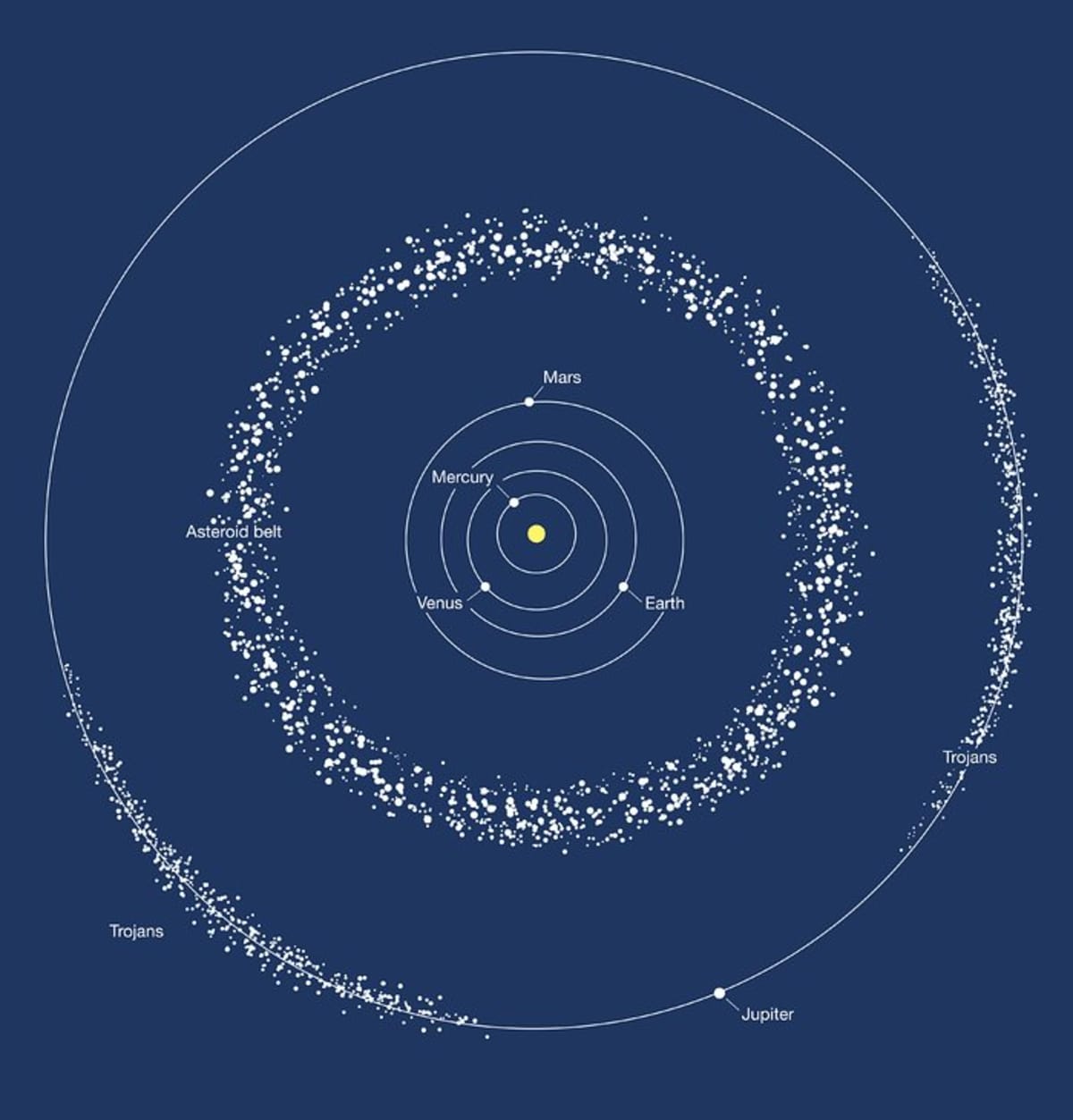
McGraw and her colleagues suggest that the hydroxide or water on some of these nominally dry NEAs may have been created by solar wind hydrogen implantation, the same process suggested for the global lunar hydration feature. NEAs are born from main-belt asteroids (MBAs) that orbit the Sun between Mars and Jupiter. The asteroids are easy to reach by spacecraft. The presence of volatiles and metals makes them coveted targets. But is it possible to extract such resources? “The first step to successfully mining asteroids for materials rare on Earth is making spaceflight cheaper all around,” says McGraw. “This can be done by mining the volatiles such as water and hydroxide to make fuel.”
Then these materials can be used to make fuel in space in facilities that would essentially be space-based gas stations. “If rockets and spacecraft can be fueled in space, then spaceflight will become cheaper because we only need enough fuel at launch to escape Earth's gravity, rather than enough fuel to reach orbit plus enough fuel for whatever the mission needs,” McGraw points out. The asteroids are also wandering time capsules. Buried in their rocks are chemical fingerprints that could tell us how the solar system has evolved since its birth. “These allow us to understand what the solar system was like when it was forming, as well as how it has changed over billions of years,” says McGraw.
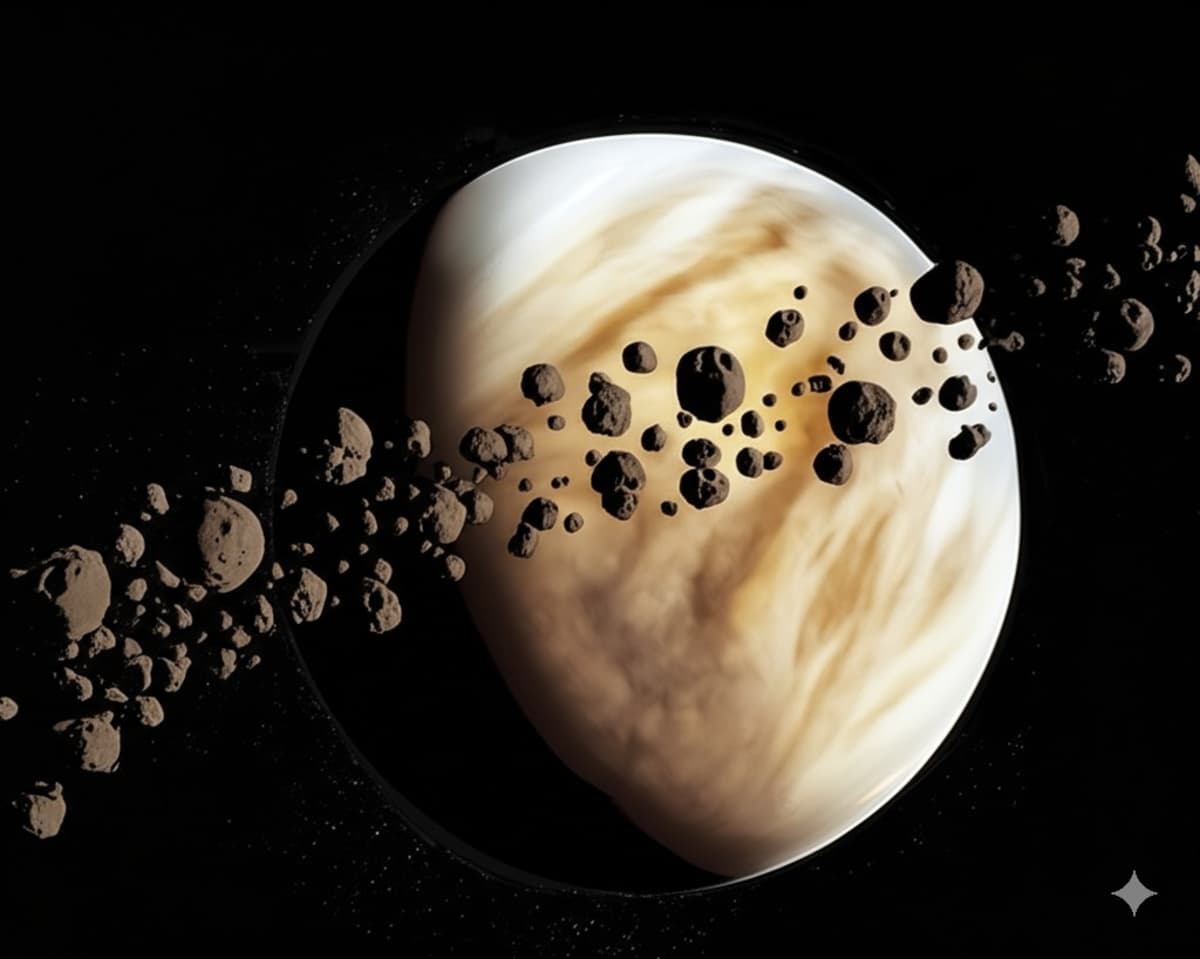
Despite such promises, asteroids still pose collision threats. A recent study reveals that an asteroid lying close to the orbit of Venus is capable of unleashing city-level damage on Earth. “Most plans to protect Earth from asteroid impacts require action to take place years before the potential impact in order to alter the asteroid's orbit sufficiently to miss Earth,” McGraw explains. “Even in cases where the plan calls for destroying an asteroid, such an explosion needs to take place early enough for any remaining fragments to disperse without impacting Earth.”
More on Starlust
A visit to an asteroid could be cheaper than trips to the Moon, claims new study
Microbes may survive asteroid impacts and travel between planets, new study finds