NASA's MAVEN finds first evidence of Zwan-Wolf effect deep in the atmosphere of Mars
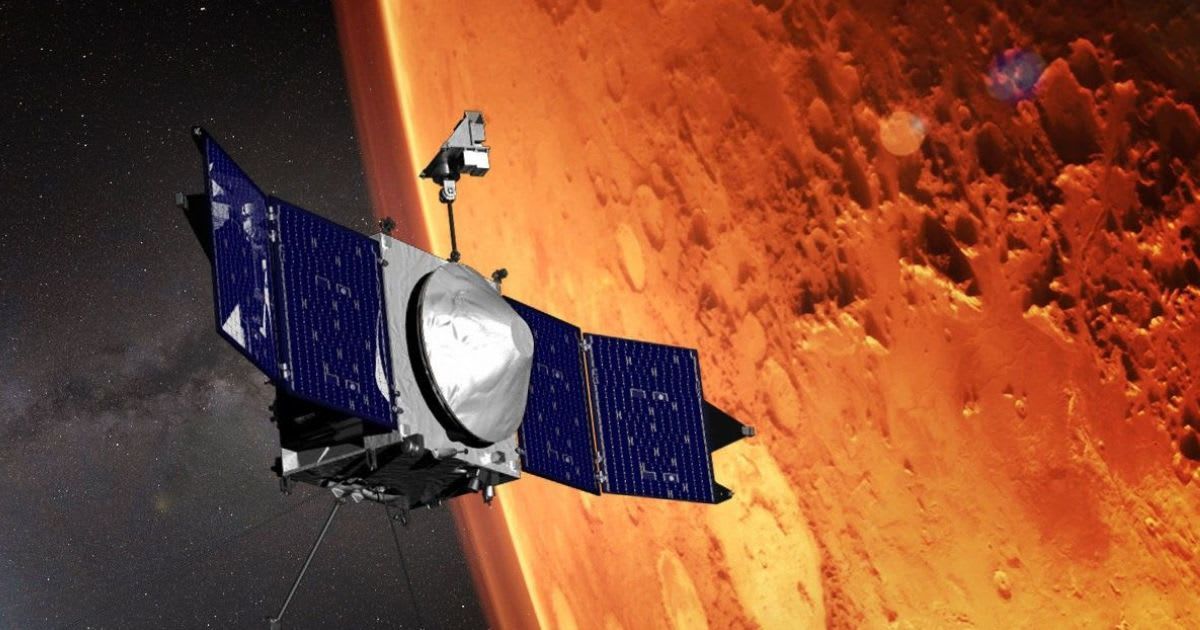
Back in December 2023, while analyzing Martian telemetry, astronomers came across an unusual finding. The team found an atmospheric effect on the Red Planet that nobody had ever observed before. Immediately, the scientists used data collected by NASA’s Mars Atmosphere and Volatile Evolution (MAVEN) mission to get a closer look at their new findings. The team found that charged particles were being dynamically squeezed along magnetic structures called flux tubes, which surprisingly mimics a similar effect occurring in Earth’s magnetosphere. Known as the Zwan-Wolf effect, this particular phenomenon helps in deflecting harsh solar wind around Earth, and now, a new study published in Nature Communications has detailed the first comprehensive evidence of this phenomenon occurring on Mars.
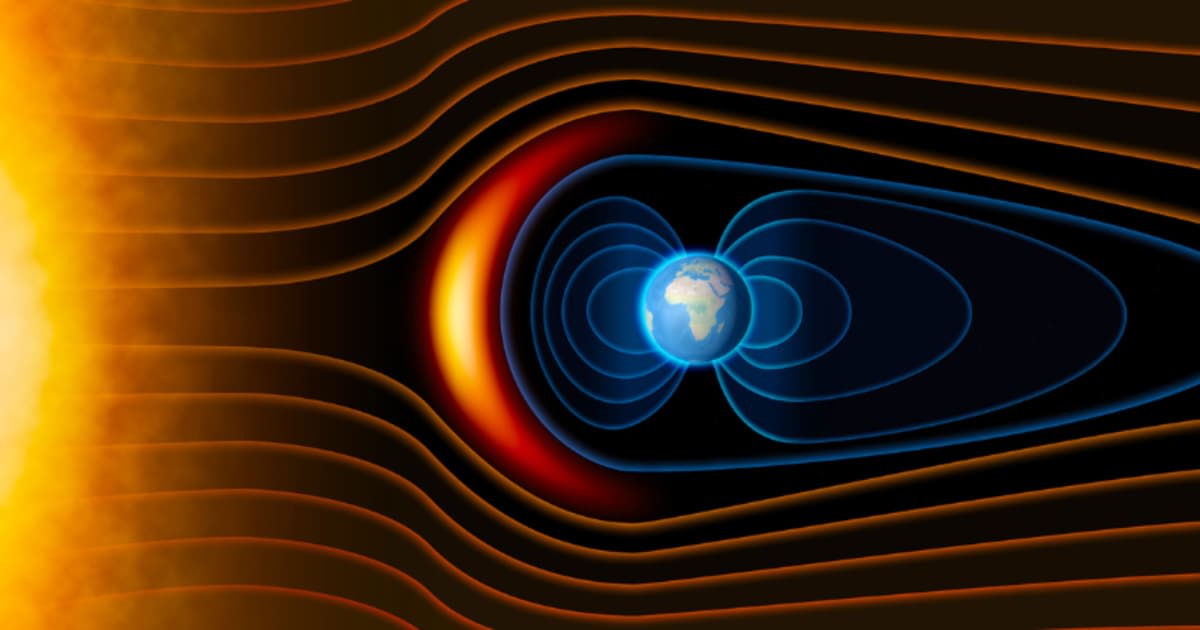
Since its discovery in 1976, the Zwan-Wolf effect has only been found in planetary magnetospheres, never in an atmosphere. However, as Mars does not have a global intrinsic magnetic field, its interactions with solar wind and space weather are fundamentally different from those of Earth. The latest study found that Mars experiences this Zwan-Wolf effect in its ionosphere, a layer of electrically charged gas deep within the Martian upper atmosphere, at altitudes below 200 km. Speaking about the latest study, its lead author, Christopher Fowler, a research assistant professor at West Virginia University in Morgantown, said, “When investigating the data, I all of a sudden noticed some very interesting wiggles. I would never have guessed it would be this effect, since it's never been seen in a planetary atmosphere before."
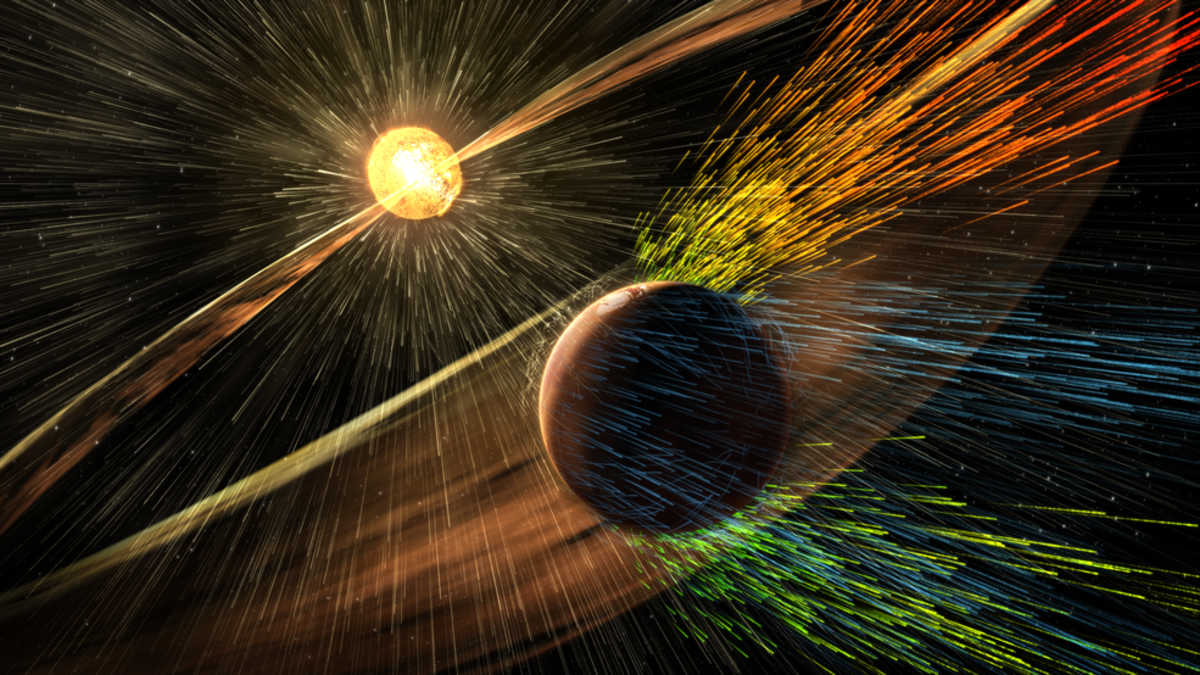
As supersonic solar wind slams into the Martian atmosphere, it generates a magnetic field, which in turn leads to the Red Planet having an induced magnetosphere. However, unlike Earth's rigid shield, this magnetic bubble can vary largely in terms of shape and size in response to large-scale solar wind or space weather events. When Fowler and his team rigorously analyzed the data from MAVEN following a large solar storm on Mars, the team concluded that the Zwan-Wolf effect might be constantly happening within the Martian ionosphere. However, the phenomenon normally occurs at a baseline level that remains undetected by MAVEN. The only reason the team was able to trace it was that the extreme solar storm amplified the effect, resulting in MAVEN’s instruments finally picking up on it.

During their research, the team initially noted several localized fluctuations in the magnetic field as the spacecraft passed through the Martian atmosphere. Trying to find a plausible physical mechanism, Fowler and his team closely studied the observations made by the MAVEN instruments. As they dug deep into the spacecraft's measurements of charged particles in the ionosphere, the team came across some groundbreaking findings.

Eliminating several standard solar-wind interaction models, the team determined that the characteristics witnessed in the study were due to the Zwan-Wolf effect—a plasma-depletion process previously thought impossible in an unmagnetized atmosphere. Detailing the impact of this revelation, Fowler said, “No one expected that this effect could even occur in the atmosphere. That's what makes this even more exciting. It introduces interesting physics that we haven't yet explored, and a new way the sun and space weather can change the dynamics of the Martian atmosphere." The study will now push scientists to study the Zwan-Wolf effect on Mars more closely. This will help astrophysicists fathom exactly how the Red Planet's atmosphere is affected by space weather. Further studies will also reveal how the phenomenon works in other unmagnetized bodies like Titan, Venus, and beyond.
More on Starlust
Astronauts may be able to grow plants on Mars and the Moon—the 'how' will surprise you
NASA’s Curiosity rover spends 5 days 'shaking off' stuck Mars rock