A giant volcanic tunnel on Venus has been confirmed. It dwarfs Earth’s caves.
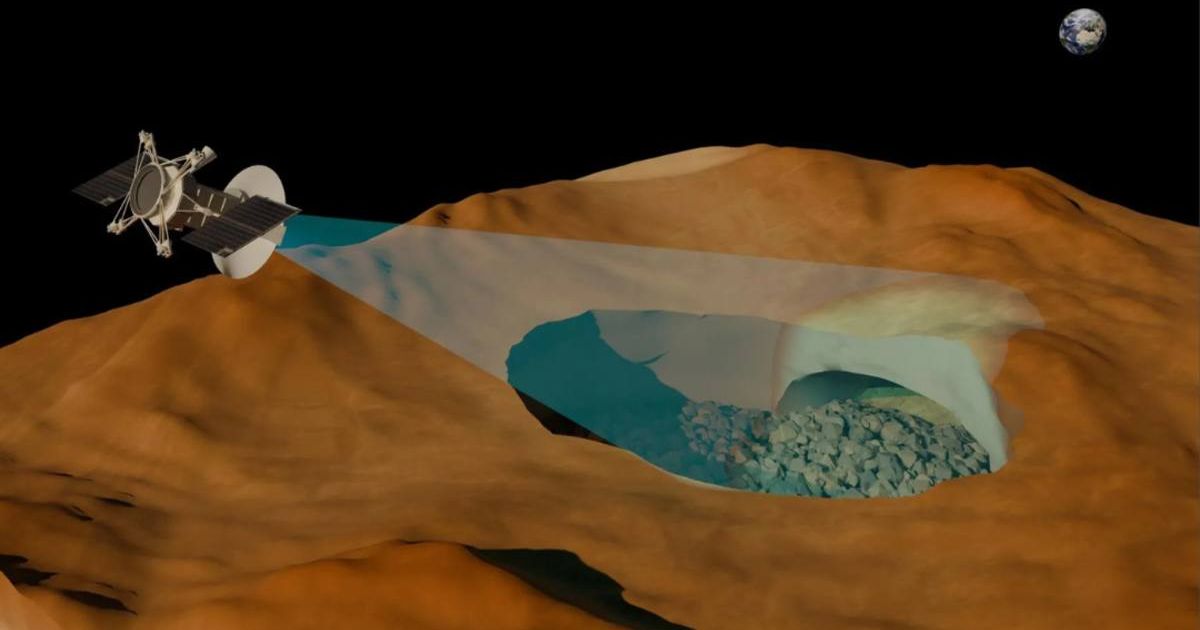
Could a giant tunnel of lava exist beneath Venus? Latest inspection of the long-standing radar data obtained by NASA's Magellan mission confirms the full size and stability of a subsurface volcanic tunnel that beats the size of Earth's caves. It is several tens of kilometers in length under the western side of Nyx Mons, a huge shield volcano of Earth's evil twin, Venus. This finding not only changes the way we think about Venus's volcanic plumbing but also reveals other prospects for future exploration, as planetary scientists view these huge, roofed lava channels as possible habitats in one of the most hostile environments in the solar system. The study published in Nature Communications' 2026 issue conveyed, "Being a subsurface structure, the presence of a lava tube can be revealed by a localized collapse of the roof denoted as skylight."
The research led by Leonardo Carrer, Elena Diana and Lorenzo Bruzzone from the University of Trento has achieved the first radar-based detection of a lava tube on Venus, identifying the structure beneath the shield volcano Nyx Mons. The sheer scale of the structure is almost beyond imagination. The underground conduit is estimated to span roughly 1,000 meters in diameter. By contrast, one of Earth’s largest lava tubes in Lanzarote, Spain, measures just 28 meters across, highlighting how dramatically Venusian geology exceeds anything seen on our planet. During their examination of the NASA Magellan spacecraft's data collected in the early 1990s, they stumbled upon the discovery.
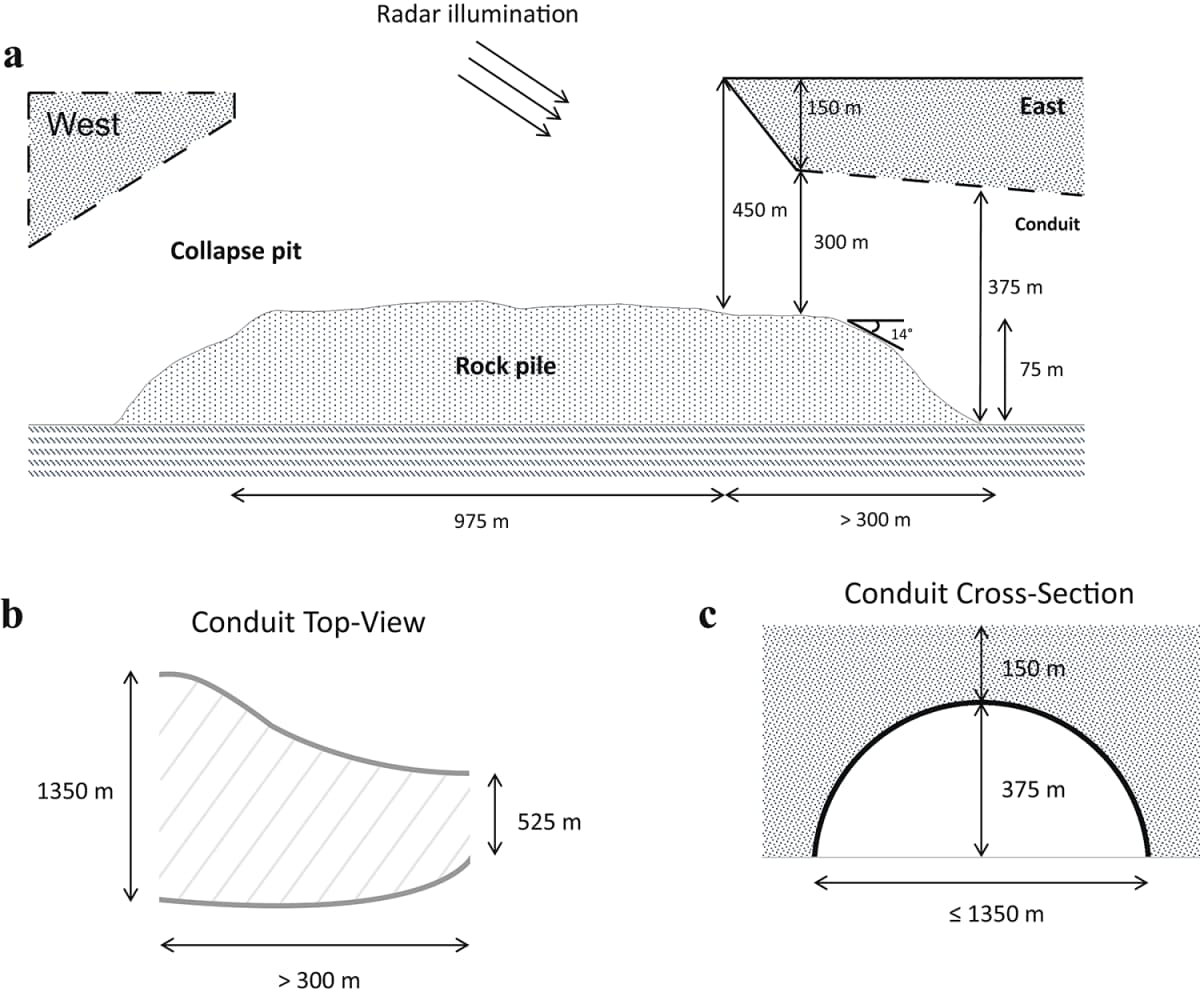
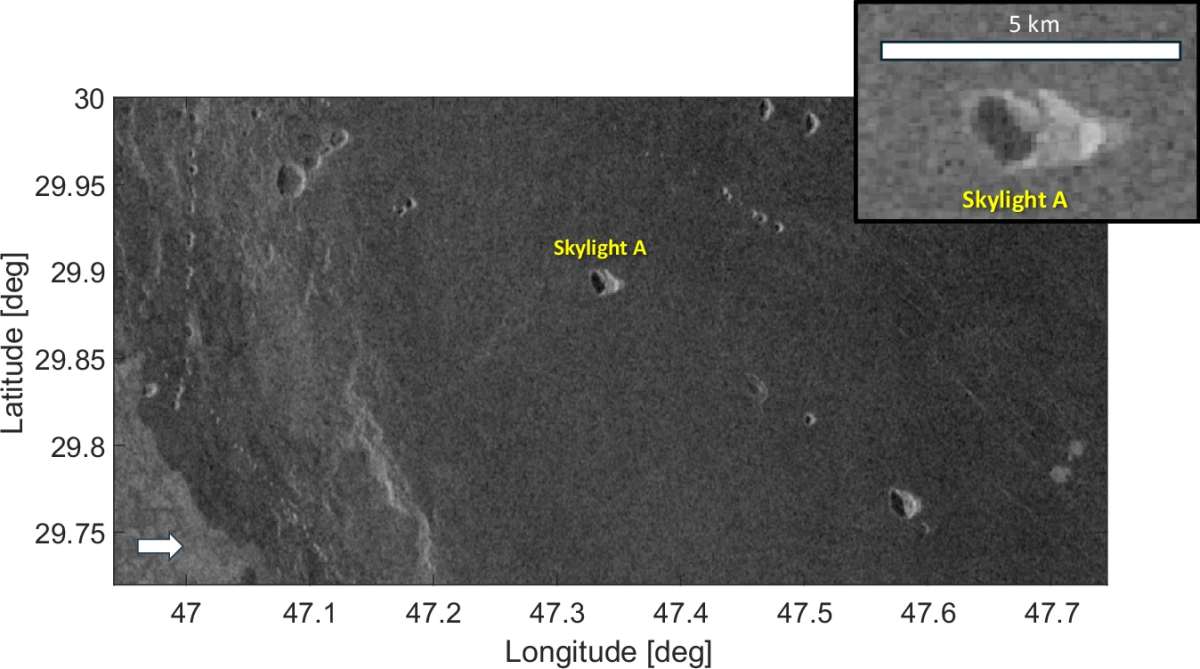
Radar has been essentially a magic eye for scientists to explore the surface of Venus, especially to find caves formed by the collapse of the roofs of flowing lava tunnels. Generally, a lava tube has an entrance (like a skylight) where radar signals can enter, and these signals reflect to tell radar that there is something hollow inside. These skylights often go hand in hand with other surface features, like the collapse pits. The most spectacular of these features is "pit A." On radar images, it is definitely different from other pits in the region because it has a bright ray that extends beyond its rim. This is a classic indication of a missing signal, suggesting the radar wave entered a hollow cavity and then re-emerged. The findings mentioned that the tube is 1km wide on average, with an overcrusted lava roof at least 150 meters thick and a space below, which is not less than 375 metres high. The echoes inside the radar show that the signal is travelling inside the tube for at least 300 metres from the skylight. Based on the alignment of nearby pits and the slope of the surrounding terrain, the full system may extend for around 45 kilometers beneath Nyx Mons.
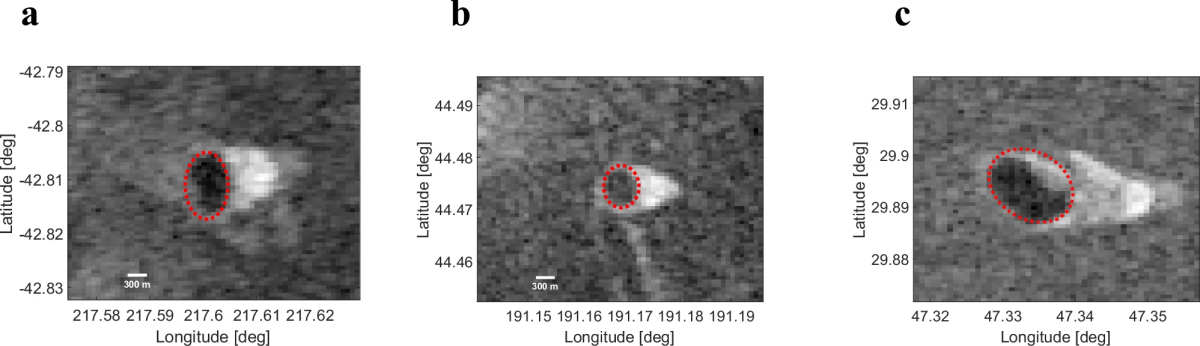
Even more thrilling is that about 13 km of the cave is seemingly untouched. This supports the idea that some parts of the tunnel are still whole and hidden from our view. Conditions on Venus play a big role in the creation of such huge geological features. Since it has less gravity and a dense atmosphere, lava can remain hot for a longer period of time, even if the ground solidifies on top of it. This is the over-crusting phenomenon. This results in lava channels being covered that can carry lava for very long distances and create huge tubes. While on Earth and the Moon, such processes occur in smaller areas, it seems that Venus is on a whole different level. In fact, it already has on its surface some of the largest lava channels in the solar system, indicating that its volcanic engine is much more powerful.
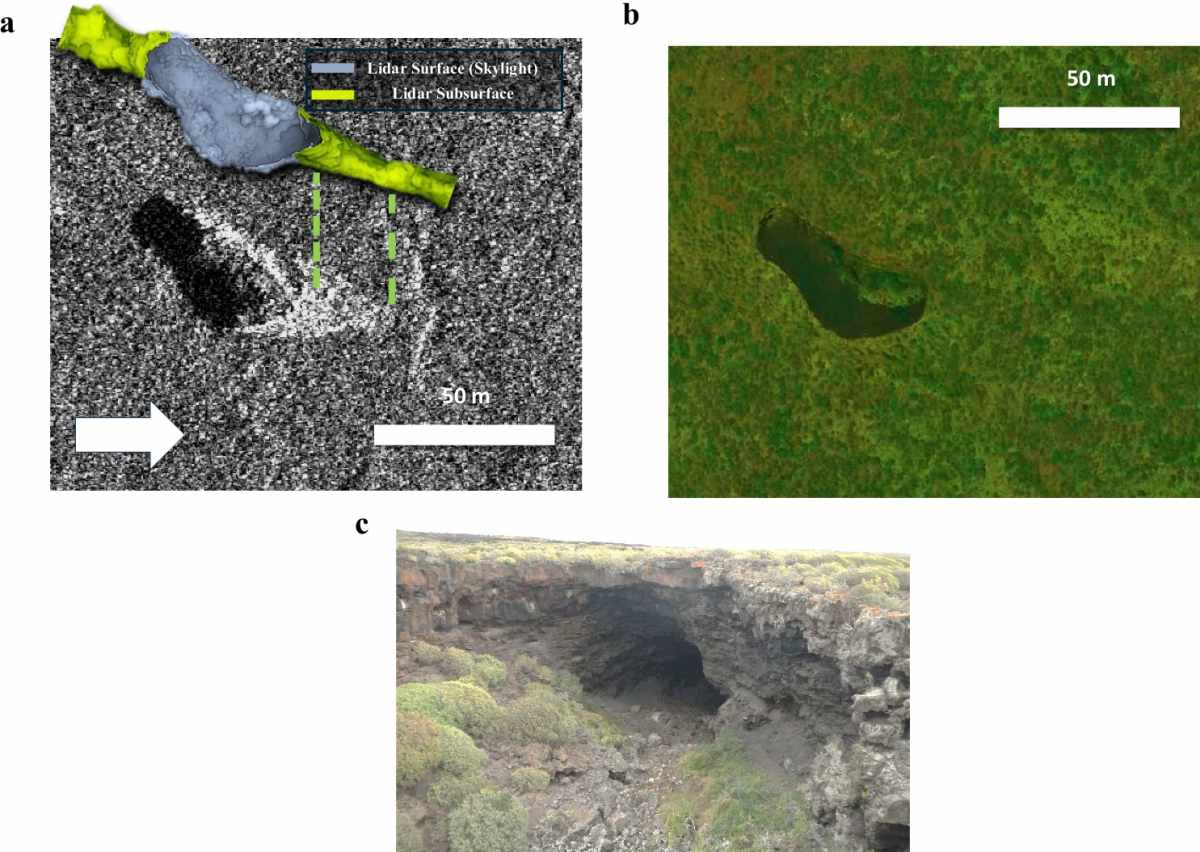
They ruled out impact craters, volcanic vents, and tectonic voids as the sources since each of them would have produced characteristic radar patterns that were not consistent with the detected one. The nearest resemblance to the detected radar image was from a lava tube entrance on Lanzarote, a feature known to the researchers, and that is what convinced them that there is a lava tube on Venus. The Magellan pictures were taken at about 75-meter resolution. So, small objects might have eluded the radar. There could have been many more lava tubes if the study had been extended.
Further Venus landings shall examine the matter more deeply. Future investigations will be taken over by two missions - NASA's VERITAS (Venus Emissivity, Radio Science, InSAR, Topography, and Spectroscopy) and EnVision. It will feature advanced instruments that allow the spacecraft to obtain images with much higher resolutions. EnVision's package will contain a subsurface radar, a technology that can probe down to a few hundred meters underground, and most likely it will also unveil the hidden tunnels under Nyx Mons.
More On Starlust
Did life come to Venus from Earth or Mars? New study offers clues
Russia to revive Venus exploration with Venera-D mission planned for 2036