Blue Origin announces major New Glenn upgrades as rivalry with SpaceX intensifies
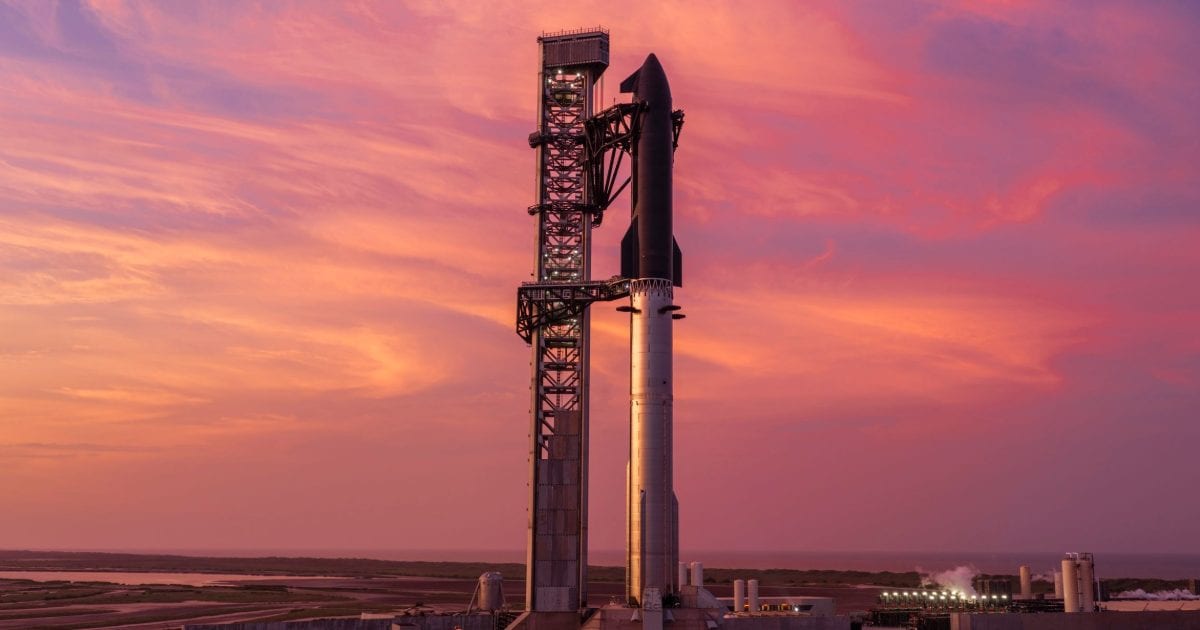
Jeff Bezos' space venture, Blue Origin, is really stepping up its game, announcing a plethora of upgrades for New Glenn, as well as "the next chapter" around a new super-heavy class rocket, New Glenn 9x4.

The long list of upgrades that will be phased into future New Glenn missions, starting with NG-3, includes significant improvements in the output of both engine stages on the standard New Glenn. The total thrust from the seven BE-4 booster engines is increasing from 3.9 million lbf (approximately 17K kN) to 4.5 million lbf (19,928 kN). Blue Origin confirmed the BE-4 has already reached 625,000 lbf in tests and will go to 640,000 lbf shortly with the cooling of propellant. The two BE-3U engines are likewise taking a thrust leap from 320,000 lbf (1,423 kN) to 400,000 lbf (1,779 kN) in future missions. These potent changes, combined with other new features such as a reusable fairing and faster-turnaround thermal protection system, are targeted at immediately benefiting booked customers and increasing the flight frequency of the rocket.
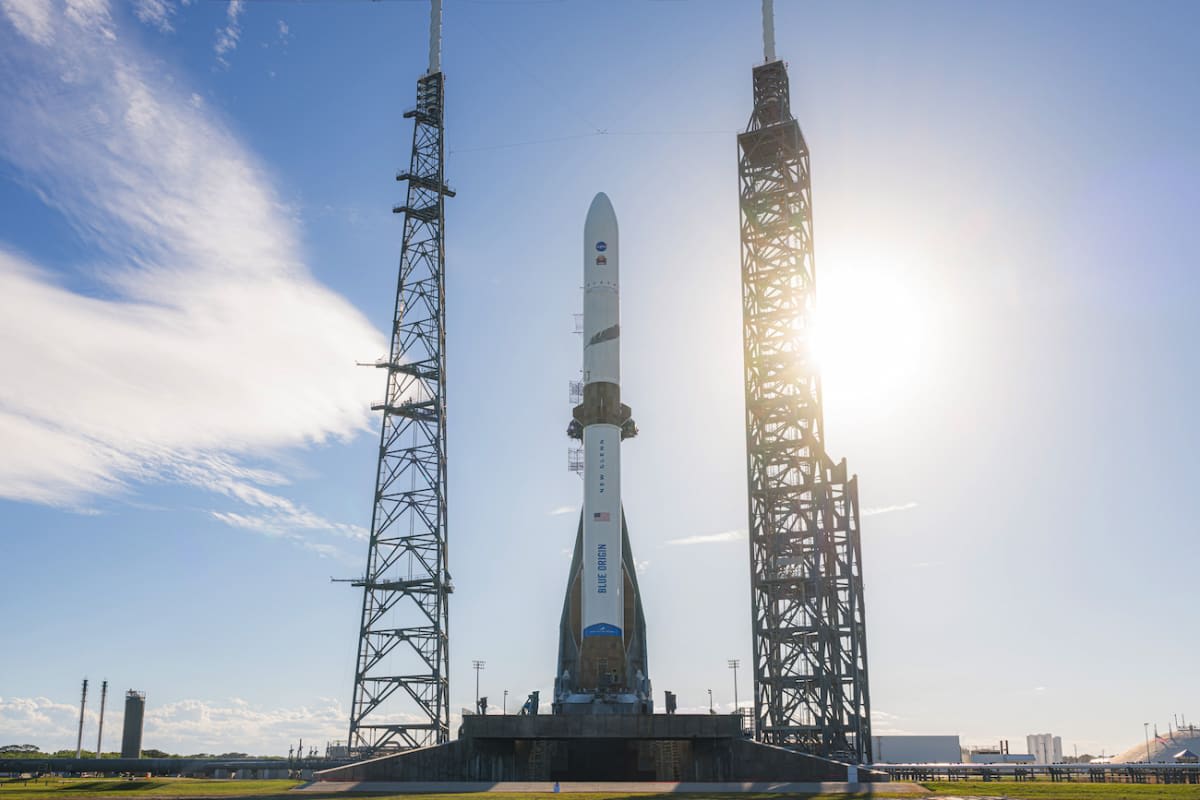
Meanwhile, the new flagship, New Glenn 9x4, is designed for missions requiring maximum muscle. This behemoth of a vehicle will be able to launch an estimated payload of more than 70 metric tons to low-Earth orbit, placing it squarely in competition with some of the largest rockets currently in development. The centerpiece of the upgrade strategy is all about raw power. Additionally, it will boast an expanded 8.7-meter fairing for large satellites. Both the standard 7x2 and the new 9x4 models will be flown side by side, affording clients maximum flexibility for missions ranging from satellite mega-constellations to deep space exploration and national security projects.
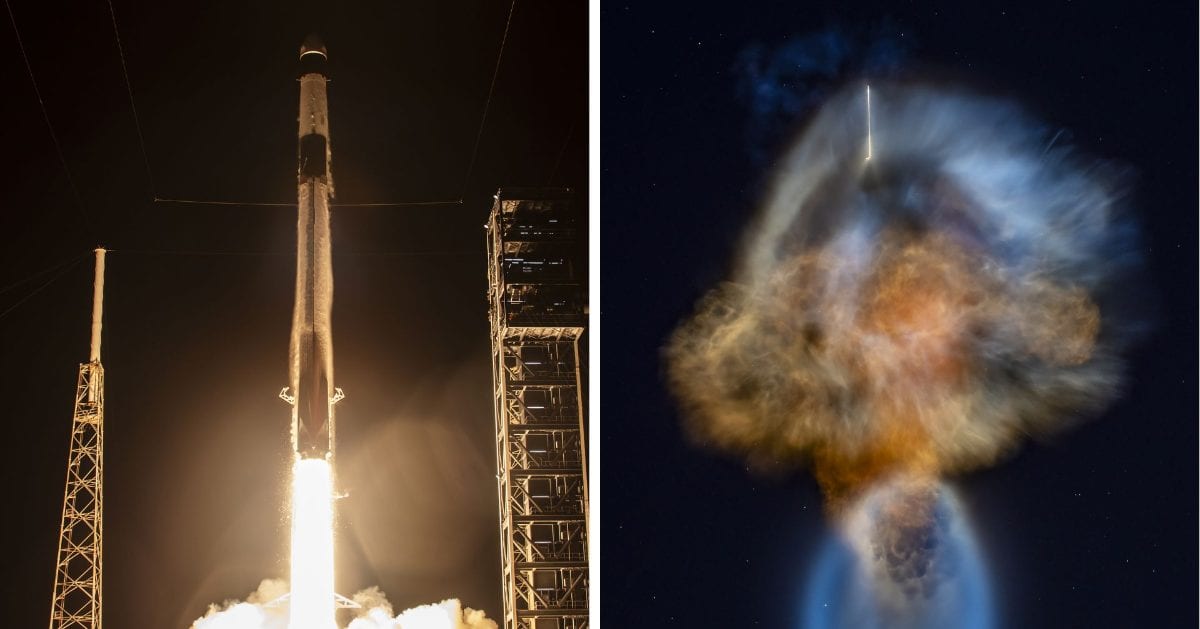
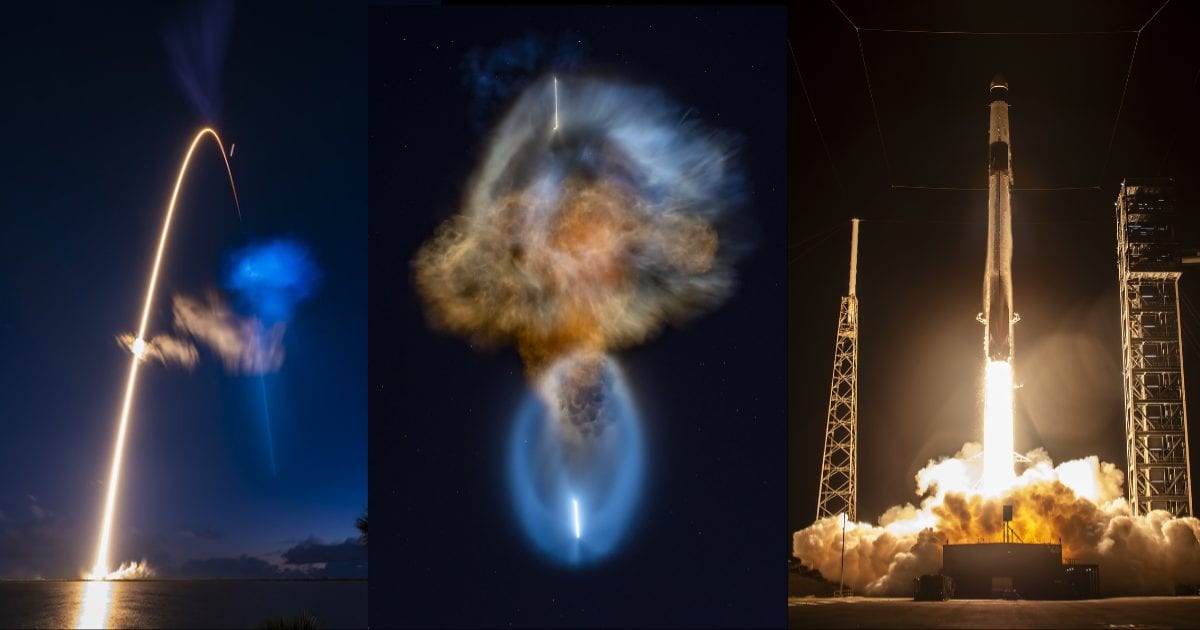
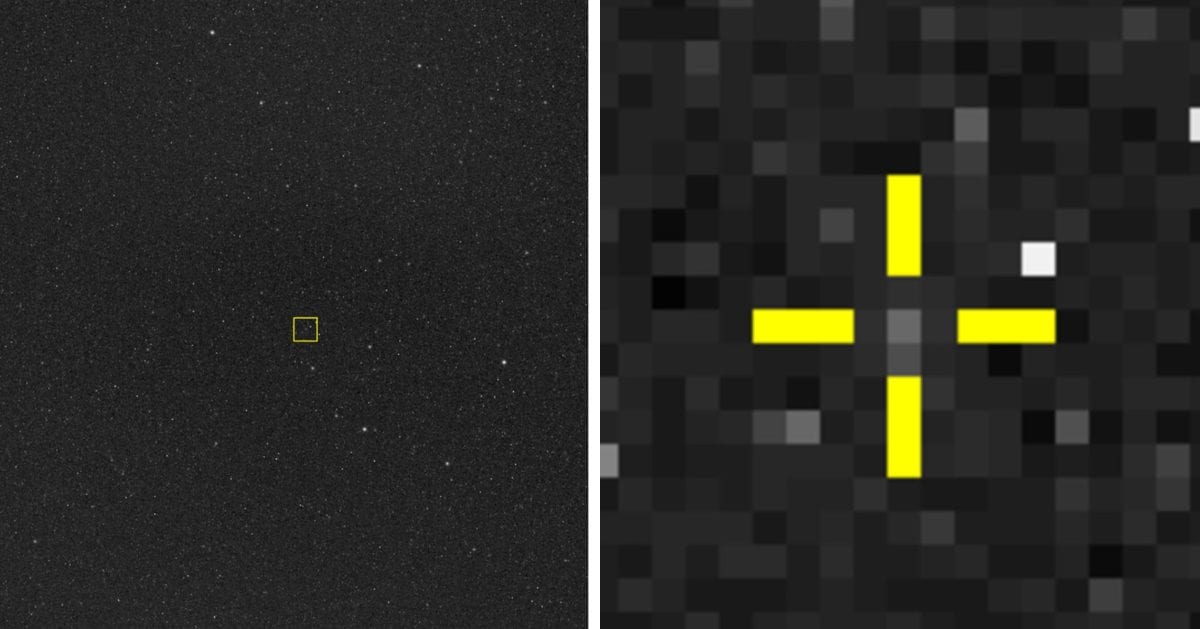
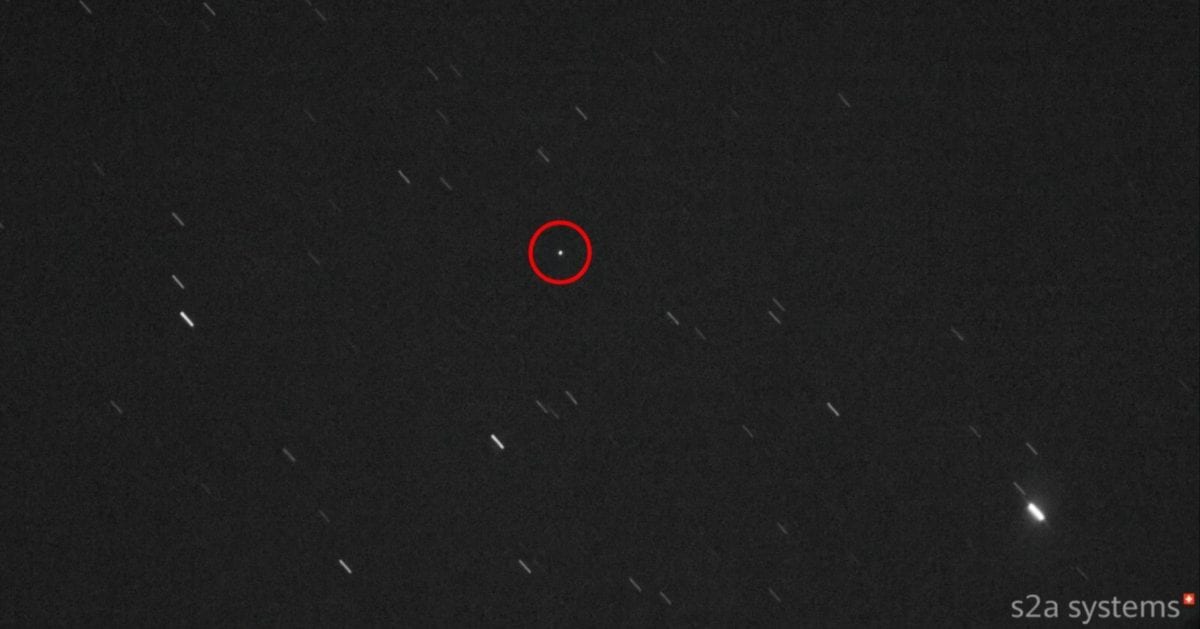
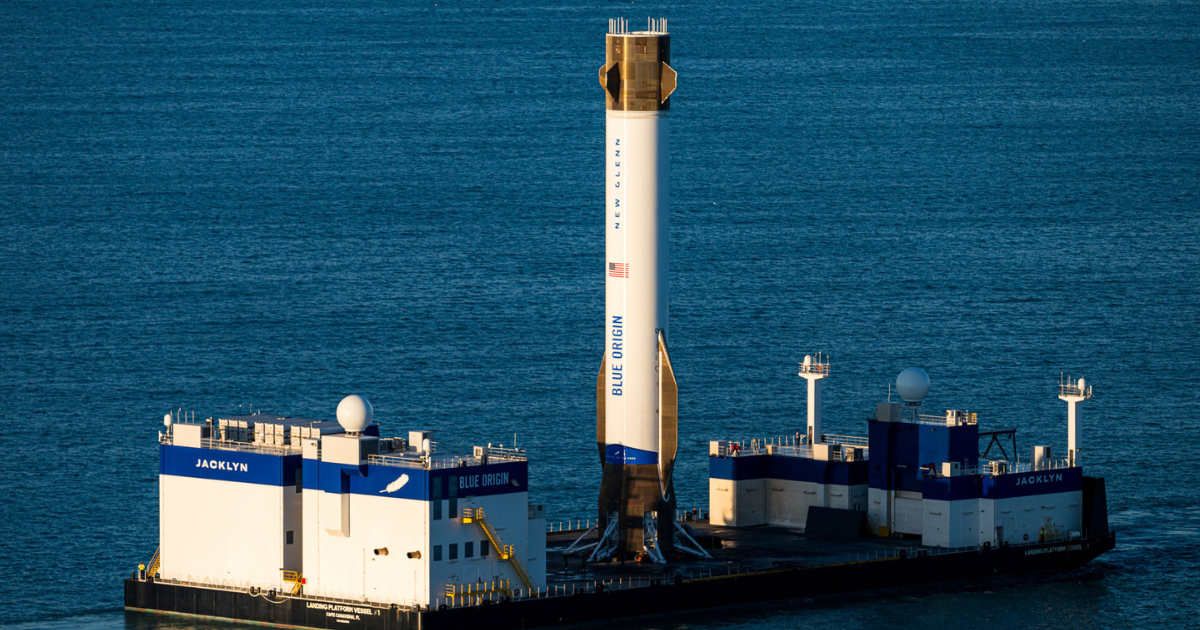
Recently, Blue Origin demonstrated the reliability of its existing technology on a key NASA mission. On Thursday, November 13, 2025, the company launched its second-ever New Glenn rocket, known as NG-2, from Cape Canaveral Space Force Station. The rocket successfully deployed NASA's twin ESCAPADE spacecraft into a designated parking orbit. More importantly, the large first stage, the largest element propelled by the seven BE-4 engines, made a successful and safe return, coming down to land precisely on the recovery ship, "Jacklyn," stationed out in the Atlantic Ocean.
New Glenn successfully completed its second mission by deploying @NASA’s ESCAPADE twin spacecraft, powering on and transmitting data for @Viasat’s HaloNet technology demonstration, and landing the fully reusable first stage on Jacklyn. Learn more: https://t.co/a4PycrFeEP pic.twitter.com/knH7Mf5uts
— Blue Origin (@blueorigin) November 13, 2025
Blue Origin CEO Dave Limp hailed the execution of the mission, saying, “We achieved full mission success today, and I am so proud of the team.” This successful recovery further validates Blue Origin's focus on reusability, a key factor in competing with rivals like SpaceX.
Some fun stills! Congrats Team Blue and NASA on an amazing day. Never tell me the odds! pic.twitter.com/jUr31RoOgH
— Dave Limp (@davill) November 13, 2025
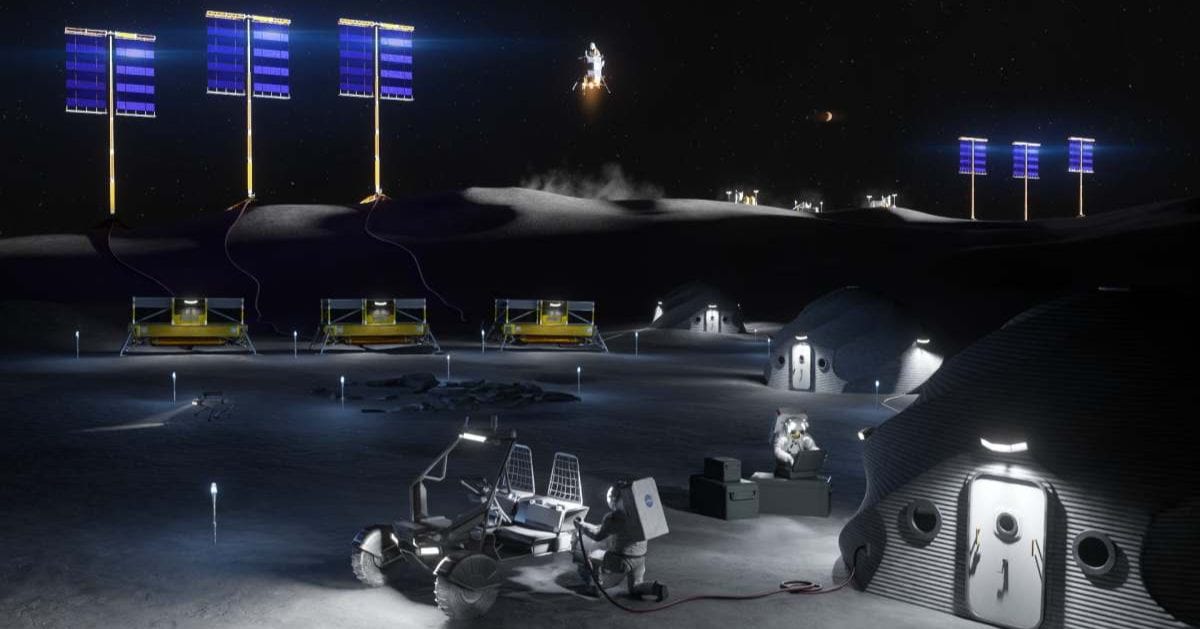
This announcement comes as the company looks to aggressively win more business, Universe Today reports. The company is also set for key roles in NASA's Artemis lunar program. As the U.S. government could be looking to outsource more services in space and amid delays in the Starship's development, NASA has reopened competitive bids for the Human Landing System. Blue Origin is positioning itself clearly to capture more share in this growing market, estimated to reach $35.95 billion by 2030, per Markets and Markets.
More on Starlust
Severe solar storm forces Blue Origin to postpone NG-2 launch of NASA’s twin ESCAPADE spacecraft
Blue Origin shares fascinating details about ‘transporter’ vehicle for its Blue Moon lunar lander