What happens when a star dies? New research gets closer to an answer
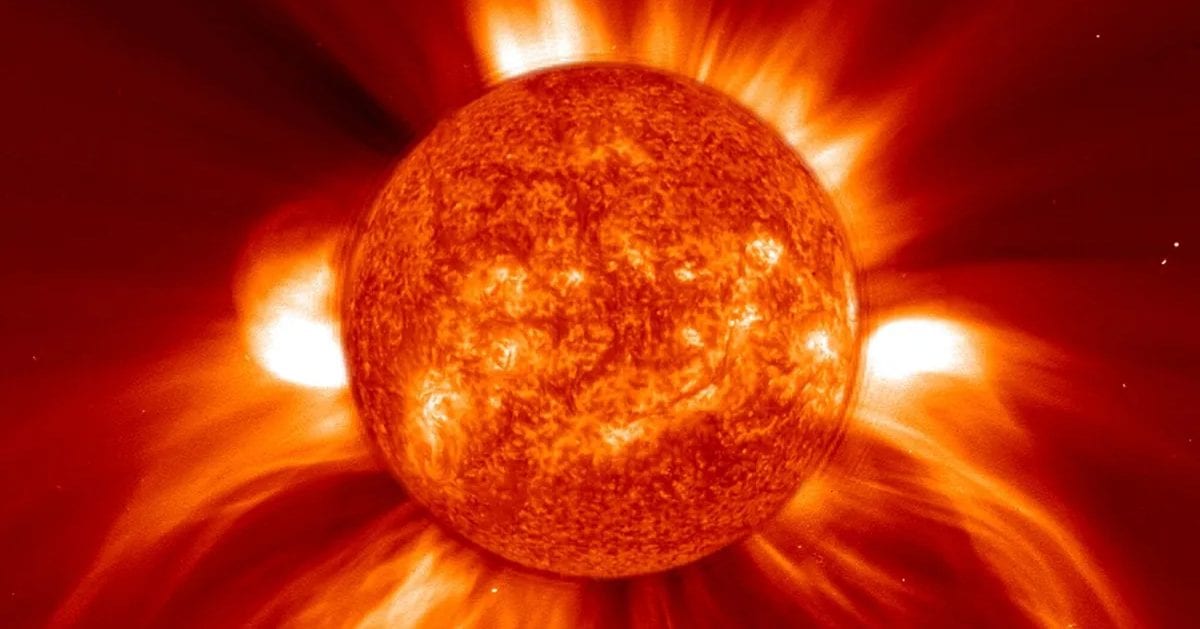
For a long time, scientists have studied how stars die across the universe, but they can’t yet fully explain what happens during their final moments. Now, scientists offer some fresh clues. In new research, scientists have closely studied two different kinds of stellar explosions. Their research gives us a much clearer picture of how these explosions happen. It could also help answer “one of the biggest unanswered questions in astrophysics,” says Christopher Cousins, a postdoctoral researcher at the University of Surrey's Nuclear Physics Group.
The matter that makes up you and all that we see in the universe was actually made inside stars a very, very long time ago. Explaining this, NASA shared, "These were all part of stars that existed well before our Sun and Earth and solar system were even formed." But we still do not know what happens when these stars die or how they form. This new research takes us one step closer to the answer.
So how do stars actually make new elements?
The two new studies published in Physical Review Letters study two different kinds of stellar explosions closely. The first study focuses on titanium-44, which is a radioactive element that supernovas produce. This can still be detected by space telescopes long after the explosion fades. Researchers from the University of Surrey, working at Argonne National Laboratory in the United States, measured the nuclear reaction rate that controls how much of this element forms. As per their findings, the reaction runs slower than scientists had assumed. That means supernovas are producing up to 35% more titanium-44 than previously calculated.
The second study focuses on Type-I X-ray bursts, which are the most frequent stellar explosions in the universe. These happen when a neutron star, an incredibly dense collapsed star, pulls material off a companion star until the stolen matter ignites in a thermonuclear blast. Researchers at the Facility for Rare Isotope Beams in Michigan measured the reaction behind these bursts with far greater precision than before.
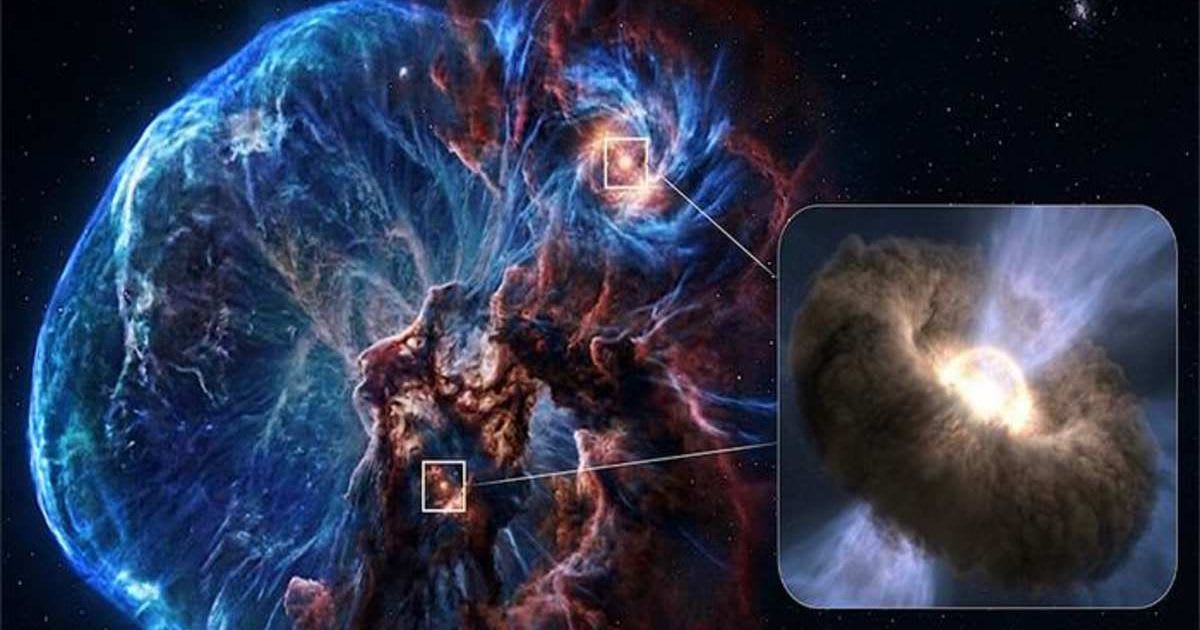
Explaining the findings, Dr. Connor O'Shea, post-doctoral research fellow in nuclear astrophysics, said in a statement, "One of the biggest unknowns was whether material becomes trapped in the nickel-copper cycle during an X-ray burst. We've shown that it does, but likely only a small proportion, giving us a much more realistic picture of these explosions."
What does this mean for our understanding of stellar explosions?
Now, with more precise reaction rates, astronomers can make their supernova and X-ray burst models more accurate. From there, they can test those models against actual observations and see if the simulations hold up. This would help them finally understand the physics of these explosions.
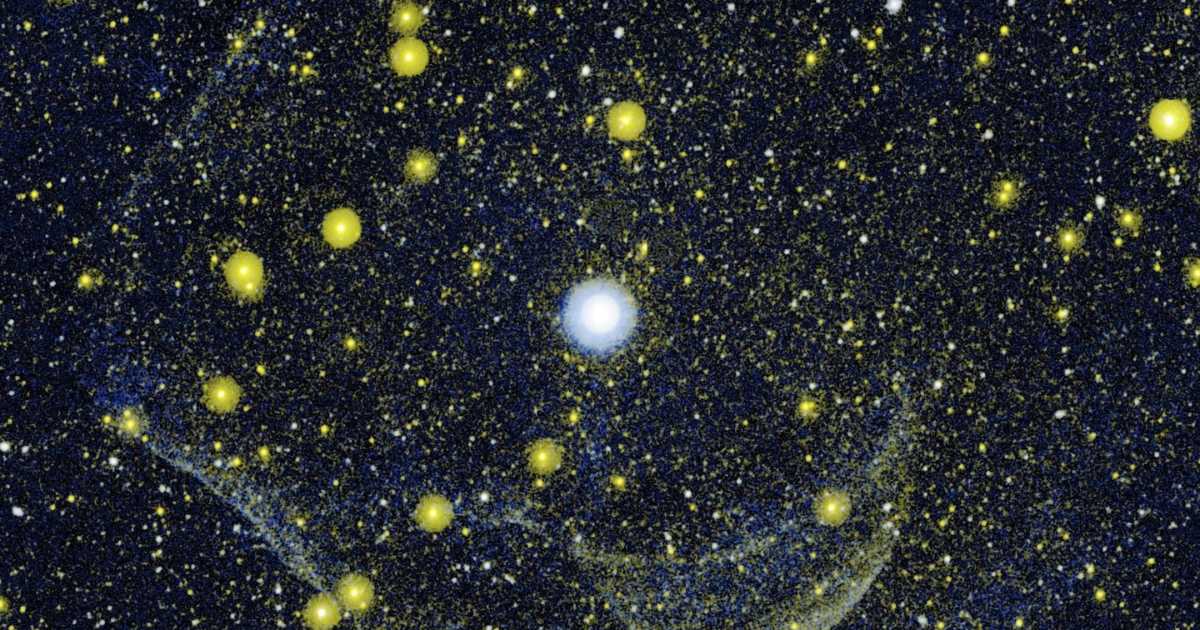
Commenting on the significance of this study, Professor Gavin Lotay, who worked on both papers, added, "Despite decades of research, we still don't fully understand the nuclear reactions that power some of the Universe's most spectacular stellar explosions. These two studies answer important questions about what happens inside both X-ray bursts and supernovae, providing experimental evidence where scientists previously had to rely on theory and estimates.”
More on Starlust
Did comets carry water to inner Solar System planets? Study of young star system offers clues