Scientists discover organic molecules in the ruins of a massive supernova explosion
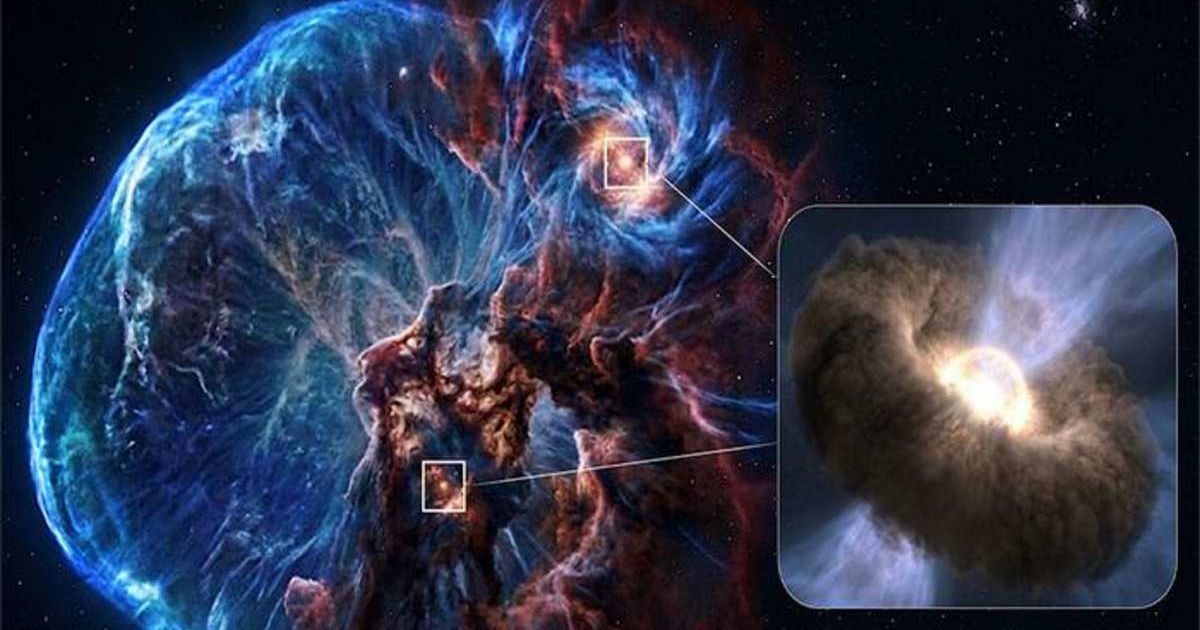
About 1,600 years ago, a massive star died in a spectacular supernova explosion, leaving behind hot, dense stellar cocoons rich in complex organic molecules within its remnants. Now, a research team from Niigata University, Gifu University, RIKEN, and Kyoto University in Japan has discovered the leftovers of that star using the Atacama Large Millimeter/submillimeter Array (ALMA). The discovery, published in The Astrophysical Journal, marks the first detection of newborn stars blanketed by such molecular gas within a supernova remnant. This also indicates that these stellar cocoons can protect molecular compositions of newborn stars from even supernova shockwaves.
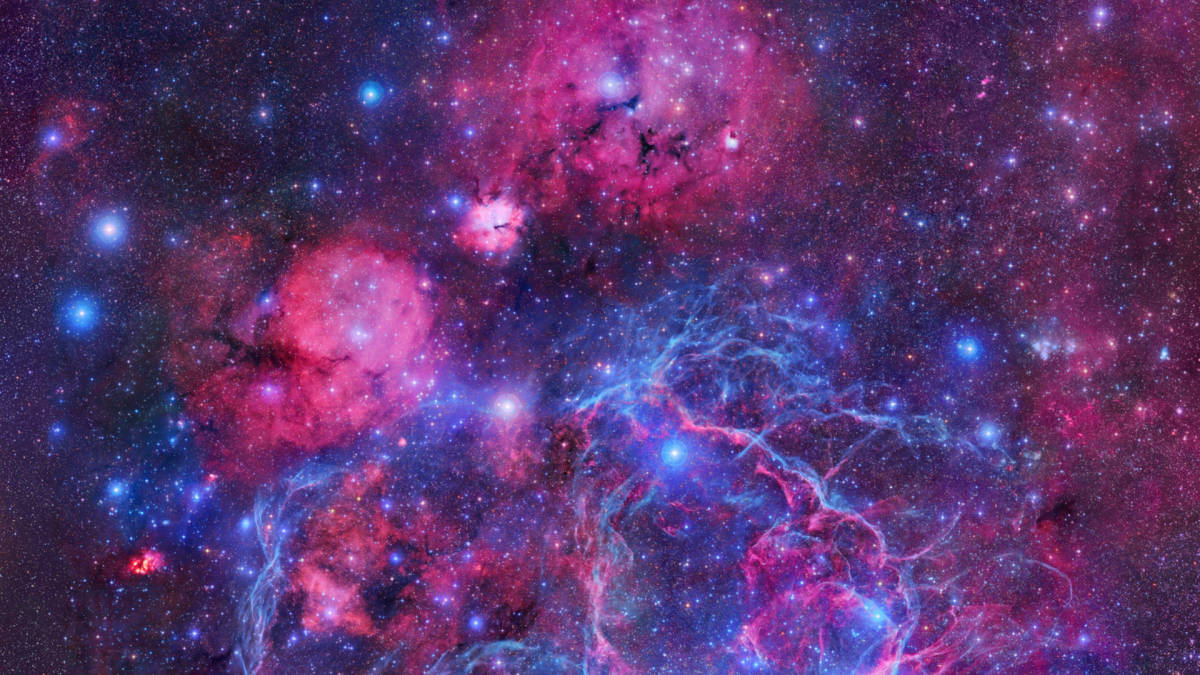
Massive stars, which are about 10 times heavier than the Sun, perish via supernova explosions, churning out elements heavier than iron, emitting high-energy cosmic rays, and paving the way for the birth of new stars. However, astronomers have not been able to tell for sure how the shock waves produced by supernova explosions affect the chemical components that make up the building blocks of stars and planets.

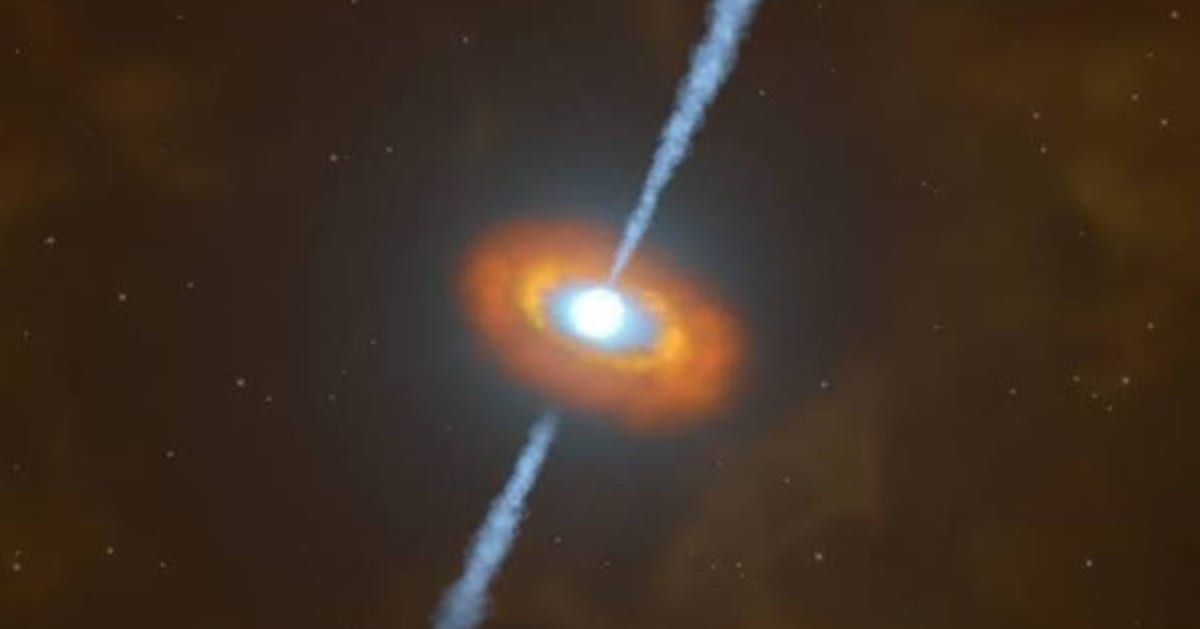
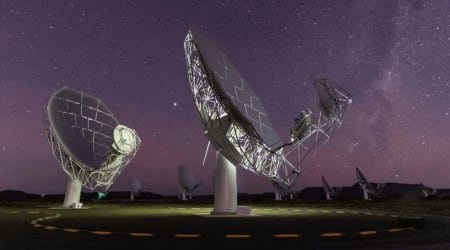
To pin down what exactly happens, the researchers focused on the supernova remnant RX J1713.7−3946 using ALMA, which identified two hidden "hot cores"—compact pockets of warm gas surrounding infant stars. These hot cores act as cosmic incubators, shielding their young residents from the chaos outside. And the hot cores don’t just harbor young stars, they also emit signals that indicate the presence of a wide variety of organic molecules. One of the hot cores has abundances of organic molecules that are strikingly similar to those found in normal star-forming regions unaffected by supernova explosions.
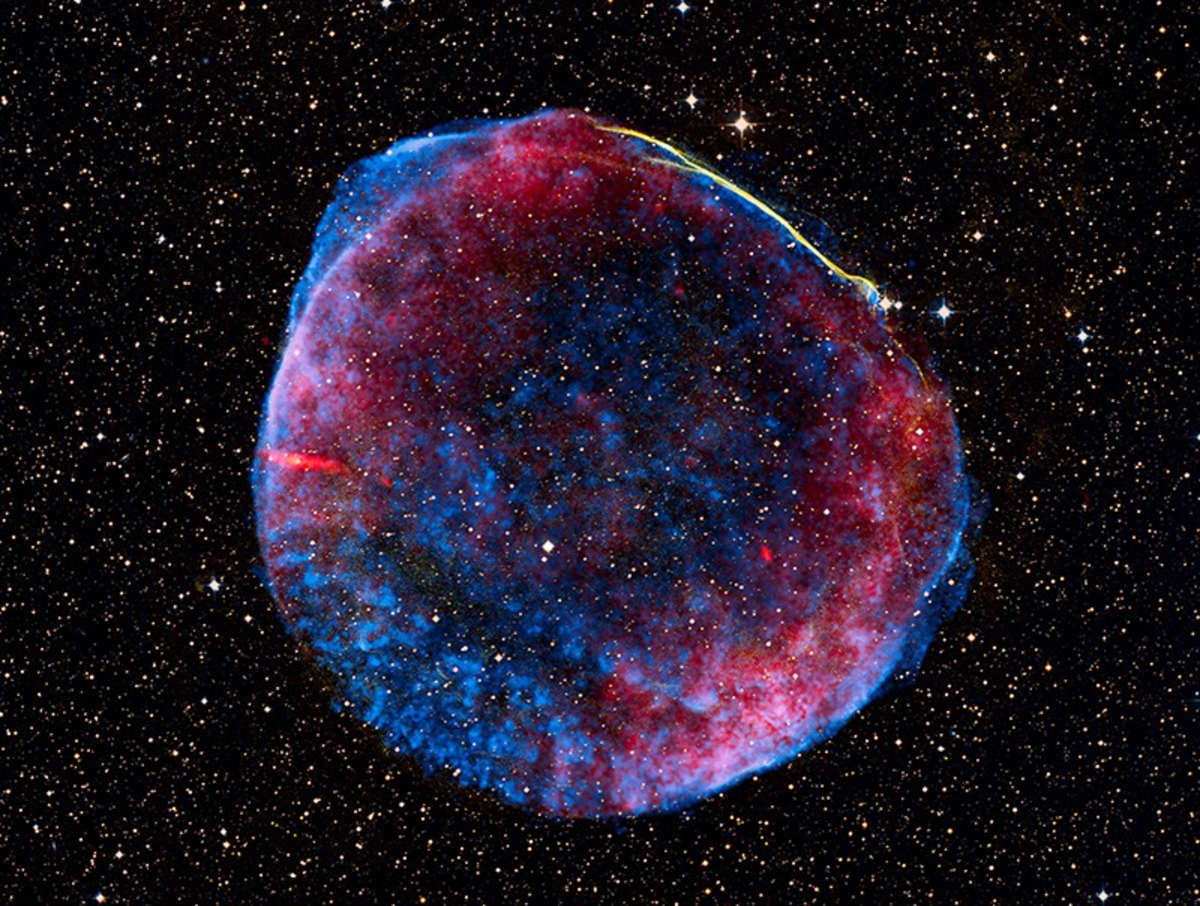
The molecules are too fragile to endure such a hostile environment. Then, how did they survive? The team suggests two possibilities. One of them is that the 1,600 years that have passed since the explosion have been insufficient to allow the energetic particles to significantly alter the chemistry inside the hot cores. Another possibility is that strong magnetic fields intensified by the supernova shock may be acting like shields, blocking cosmic rays from penetrating the dense molecular gas. In a statement, lead author Takashi Shimonishi, an astronomer at Niigata University, Japan, said, "These observations indicate that even in the harsh environment of a supernova remnant, newborn stars can remain well protected within their natal cocoons, preserving their rich molecular composition."

"The environments capable of harboring complex organic molecules—potential building blocks of prebiotic chemistry—may be more diverse than previously recognized," he added. Although the hot cores discovered in this study have been able to retain their molecular richness, it is not clear whether all supernova explosions could lead to such an outcome. Future observations are expected to provide further insights into how supernova explosions affect the star and planet-forming regions. And since our own Solar System may have also been formed in a region shaped by a supernova explosion, the observations could also tell us if that particular environment was typical or unique.
More on Starlust
Cosmic connections: NASA's Fermi spots first-ever evidence of a sibling supernova
A supernova remnant may have been found near the Milky Way's central supermassive black hole