What exactly is a Black Moon — here's when it will appear in the night sky this month
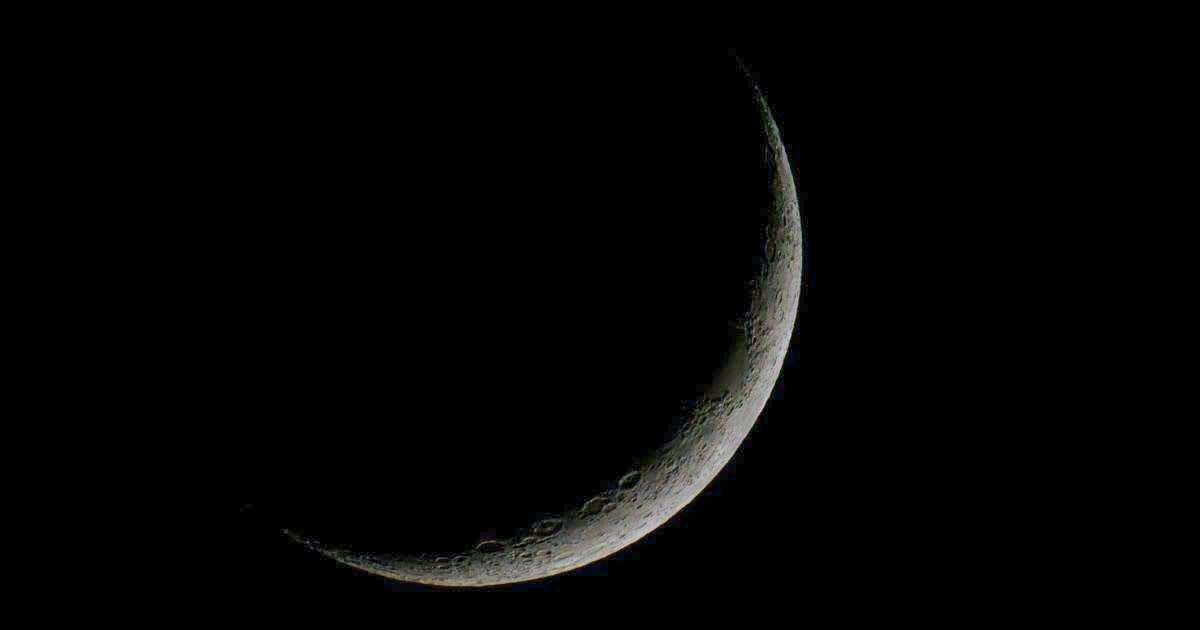
A rare celestial event known as a 'Black Moon' is set to occur this month, although skywatchers hoping for a spectacle will be disappointed. The phenomenon, which is a rare type of New Moon, will be invisible to the naked eye. The term Black Moon is not a formal astronomical designation, but rather a calendrical one that describes an infrequent New Moon occurrence, according to Timeanddate.com.
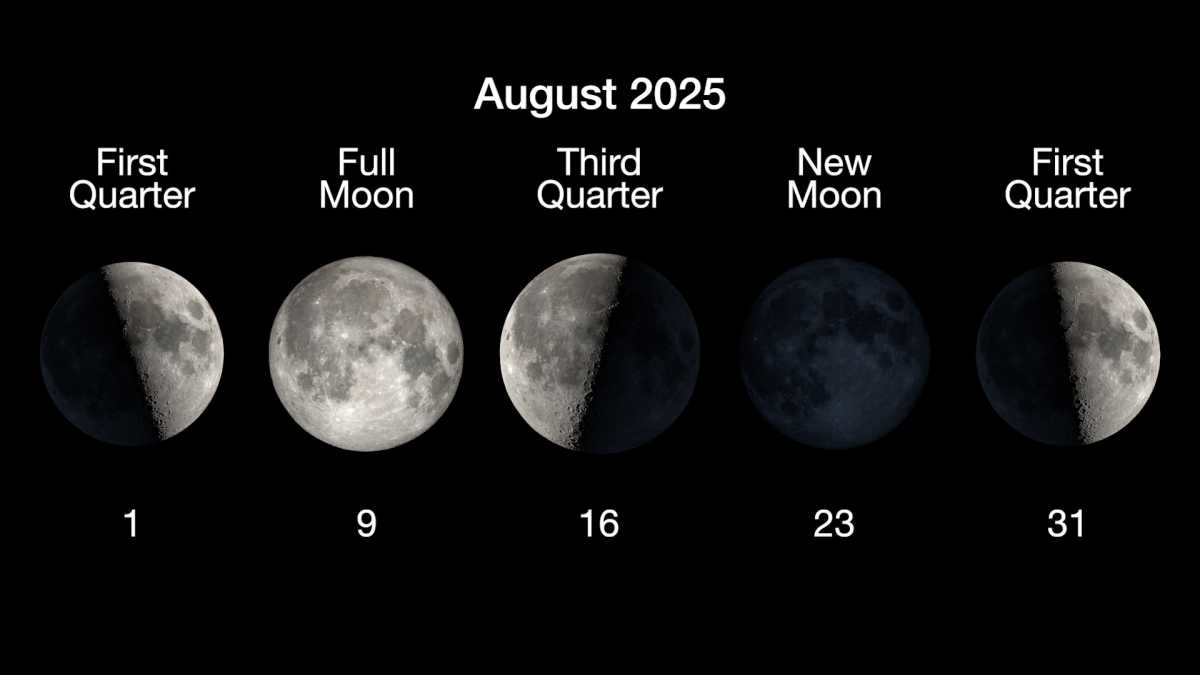
It can be defined in two primary ways. The first is a monthly Black Moon, which occurs when the second New Moon falls within a single calendar month. This happens roughly every 29 months. The second definition, a seasonal Black Moon, is a bit rarer, occurring approximately every 33 months. This is the third New Moon in a season that contains four New Moons instead of the usual three. This is the type of Black Moon that will be taking place in most of the world on August 23, 2025, or August 22 in Western time zones.
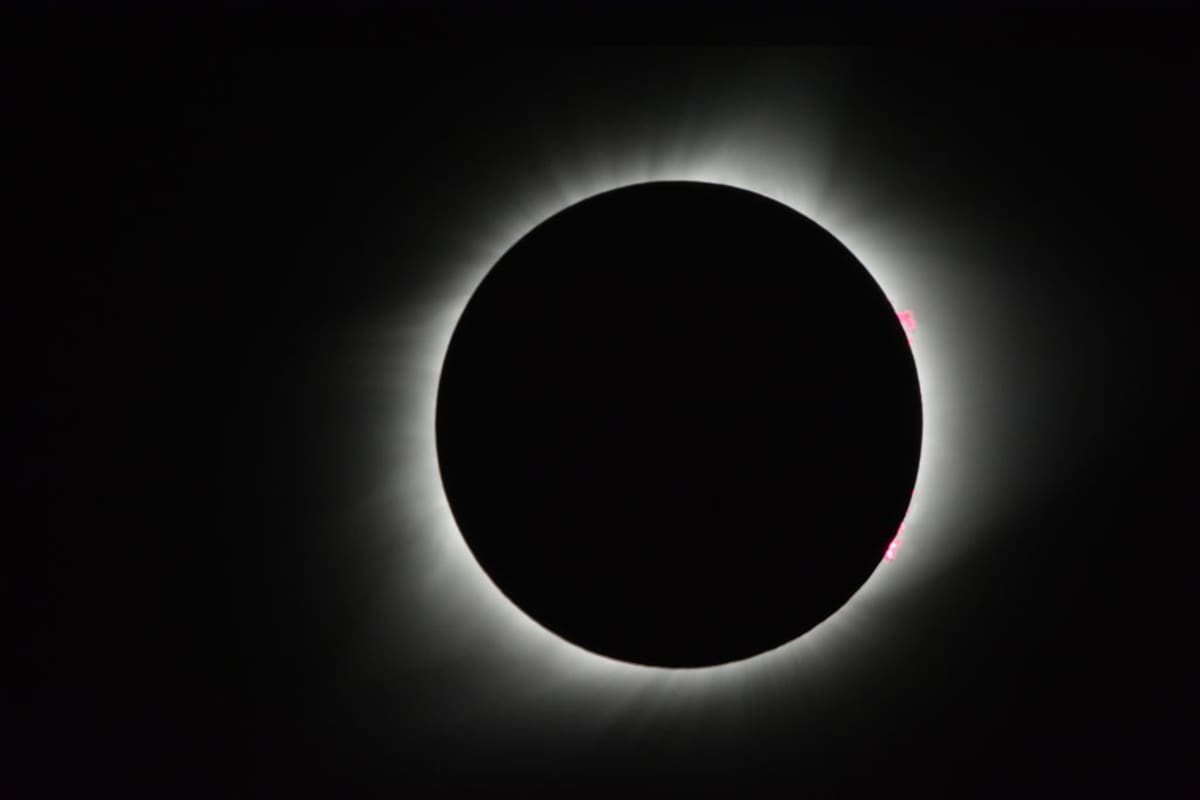
Like any New Moon, a Black Moon is impossible to see. This is because the Moon is positioned between the Earth and the Sun, and its sunlit side is facing away from us. Consequently, the unilluminated side is the one facing Earth, making it appear invisible. The Moon's position in the sky also causes it to be lost in the Sun's glare. The only time a New Moon can be seen is during a solar eclipse, when it passes directly in front of the Sun. This causes the Moon to appear as a silhouette, a rare event that happens only a few times a year. A notable example of this occurred during the Great American Eclipse of 2017, when a seasonal Black Moon was visible as it covered the Sun.
Interestingly, the Black Moon has other definitions tied to the calendar's shortest month, February. A black Moon can also refer to a February with no New Moon or no Full Moon, a phenomenon that occurs roughly every 19 years. When there is no New Moon in February, both January and March will have two instead. Similarly, a February without a Full Moon means that January and March will both feature two Full Moons, also known as a "double Blue Moon."
While the Black Moon remains unseen, another significant lunar event is scheduled to occur this month. The Sturgeon Moon, August's Full Moon, will reach its peak illumination on Saturday, August 9, at 7:54 a.m. UTC (3:54 a.m. ET). The Moon will appear full to the naked eye for several days surrounding this peak, but viewers should look up on the evening of Friday, August 8, for the best view. Unlike the New Moon, the full moon is visible throughout the entire night, rising as the Sun sets and setting as the Sun rises.
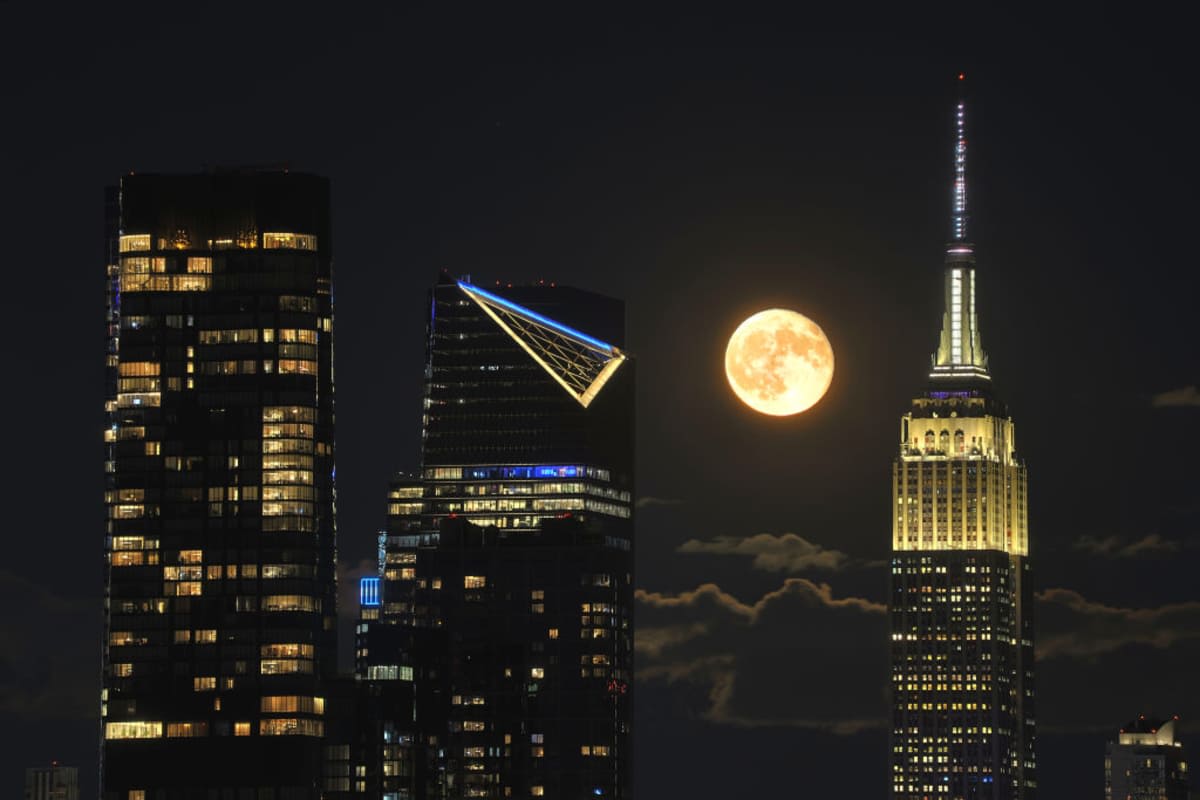
The name "Sturgeon Moon" has a rich history tied to North American wildlife. It refers to the time of the year when large numbers of sturgeon fish, specifically the lake sturgeon, were most plentiful in the Great Lakes. This unique fish is the oldest and largest native species in the Great Lakes ecosystem, with individuals capable of growing over six feet long and weighing up to 200 pounds. It's also known for its incredible longevity, with some females living up to 150 years. This fascinating creature held significant cultural importance for Native American tribes in the region for centuries.