Moon soil reveals secrets for sustaining human life and future lunar outposts, say scientists
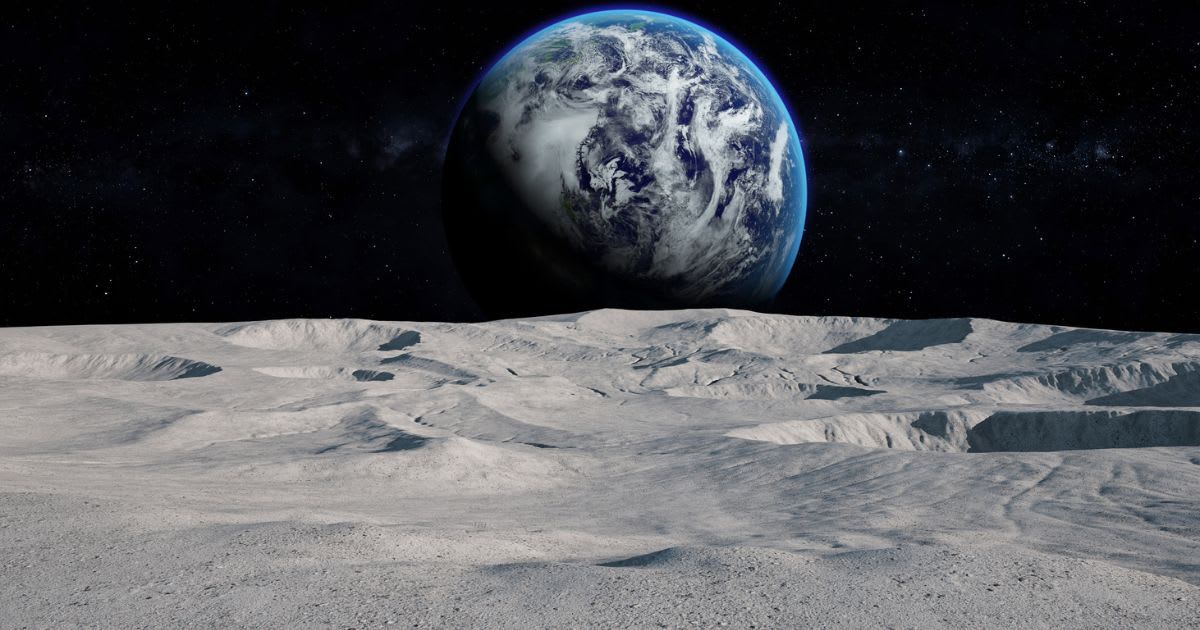
New research suggests that lunar soil isn't just barren rock but a vital resource capable of sustaining future human outposts on the Moon. Scientists are proposing an innovative method to extract water directly from lunar regolith and simultaneously convert carbon dioxide, marking a significant stride toward self-sufficiency in space, according to a recent study published in Joule.
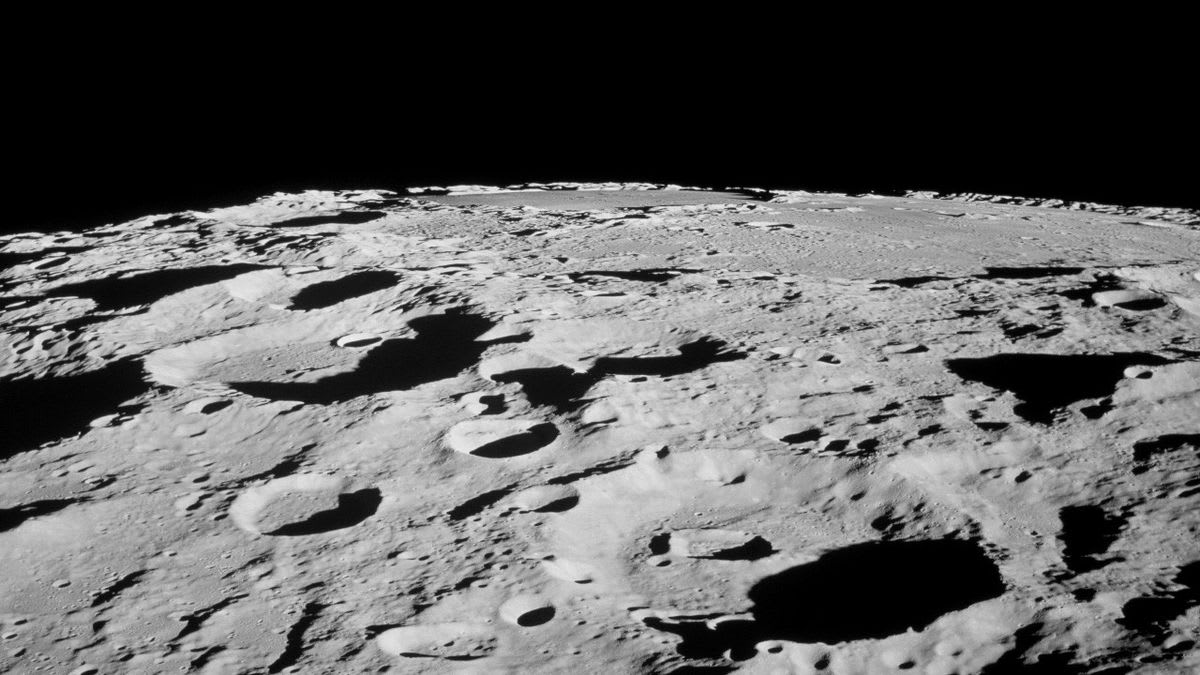
The high cost and logistical challenges of ferrying water from Earth have long been a major hurdle for extended lunar missions. However, the confirmed presence of hydrogen in lunar soil has ignited interest in in-situ resource utilization (ISRU). Traditionally, water extraction methods have been complex and energy-intensive. This new approach offers a streamlined solution.
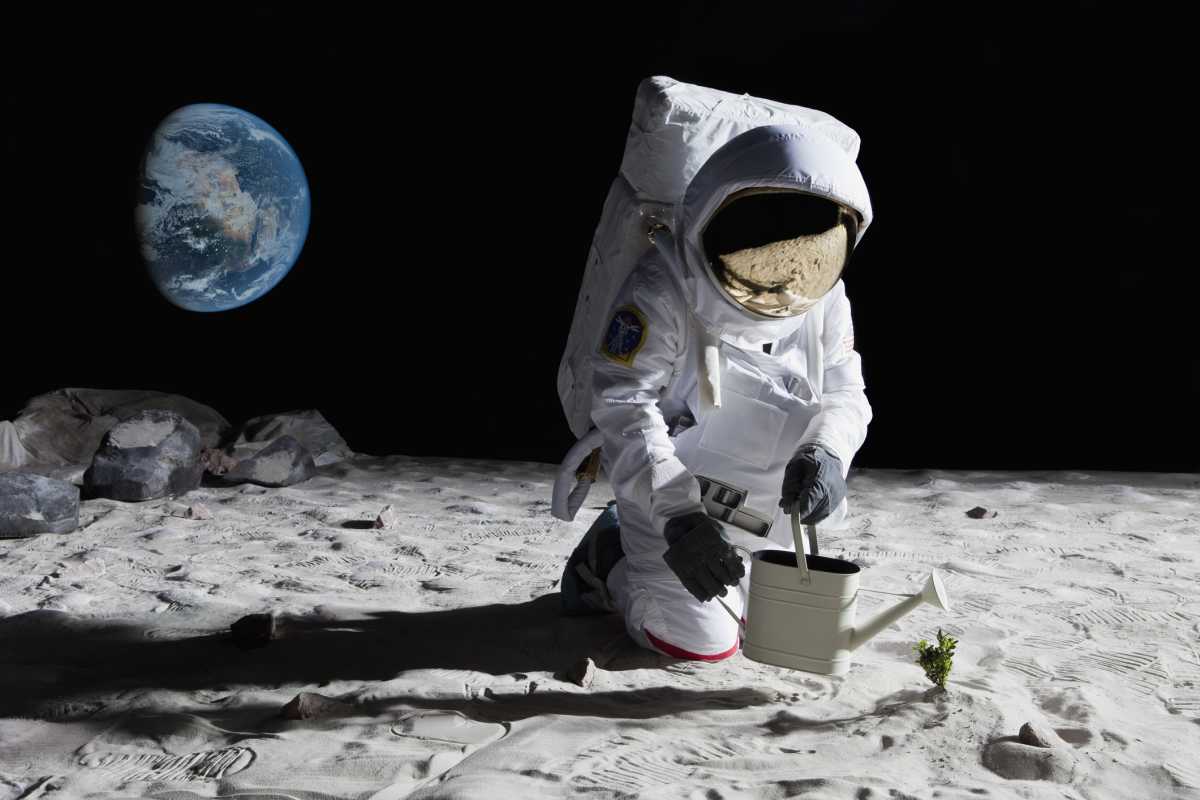
Researchers have unveiled a novel photothermal strategy that leverages the moon's abundant solar energy and extreme temperatures. This integrated process not only pulls water from the lunar soil but also directly uses it for photothermal CO2 conversion, yielding essential elements like carbon monoxide, hydrogen, and oxygen. This dual-purpose system drastically reduces the need for external energy and simplifies operations. This groundbreaking study demonstrates the viability of linking lunar water extraction with CO2 conversion within a single, efficient photothermal process. The implications are profound, potentially paving the way for long-term human habitation on the Moon and accelerating our journey into deeper space.
"We never fully imagined the 'magic' that the lunar soil possessed," remarked Lu Wang of the Chinese University of Hong Kong, Shenzhen. He emphasized the surprise and success of their integrated approach. "The one-step integration of lunar H2O extraction and photothermal CO2 catalysis could enhance energy utilization efficiency and decrease the cost and complexity of infrastructure development," as mentioned on Phys.org.
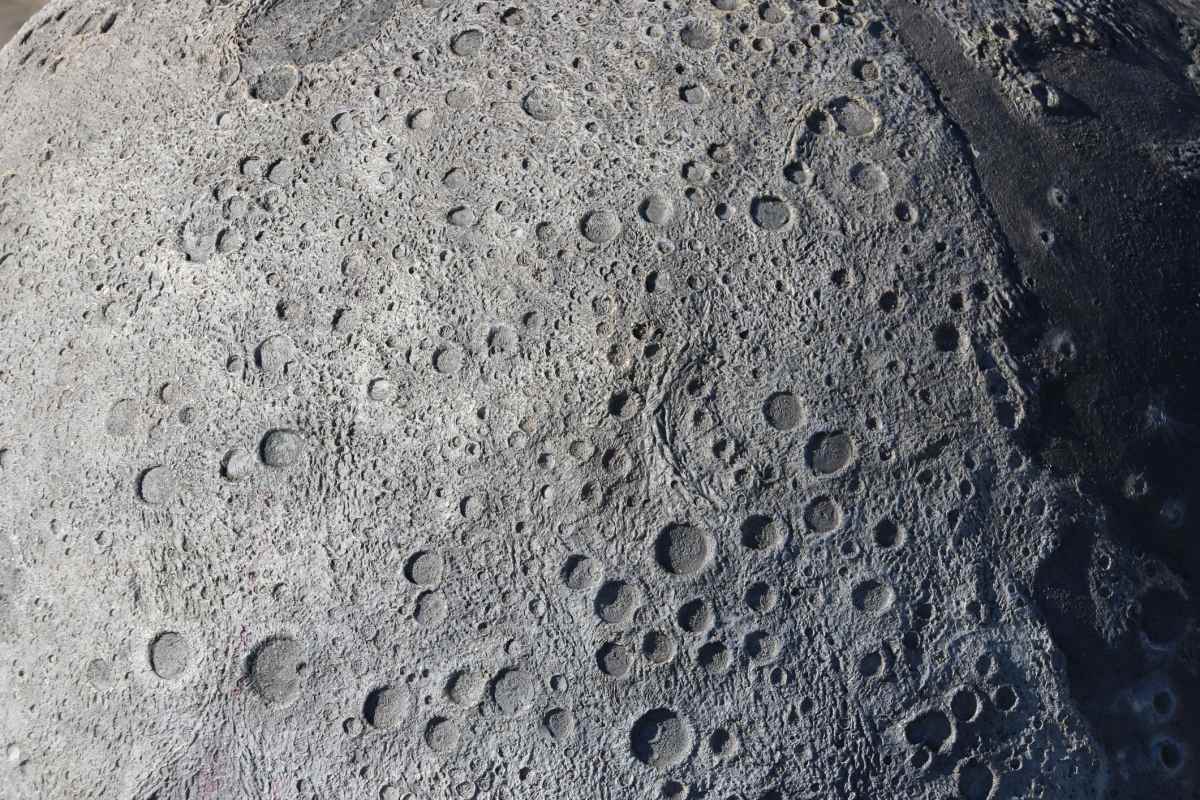
Despite the technology's demonstrable success in laboratory settings, the authors acknowledged that the Moon's extreme environment presents formidable challenges to its real-world implementation. These include drastic temperature fluctuations, intense radiation, and the pervasive low gravity. Furthermore, the natural variability in lunar soil composition could lead to inconsistent properties, and the CO2 exhaled by astronauts might not suffice to meet all their water, fuel, and oxygen requirements. Wang also highlighted ongoing technological limitations, noting that current catalytic performance remains insufficient to fully sustain human life in extraterrestrial environments. "Overcoming these technical hurdles and significant associated costs in development, deployment, and operation will be crucial to realizing sustainable lunar water utilization and space exploration," the authors concluded.
These advancements in utilizing lunar resources are underscored by groundbreaking discoveries emerging from China's recent Chang'e 6 lunar mission. Its revolutionary findings are dramatically altering our perception of the Moon's mysterious far side. This remote region, which has long captivated scientists due to its distinct geological contrasts with the Earth-facing near side, is now divulging its long-held secrets thanks to the mission's remarkable sample return. Significantly, analysis of these samples indicates that ancient volcanic activity dominated the Moon's far side for an astonishing billion years, fundamentally revising established timelines of lunar geological processes.

Adding to these revelations, the samples also provided clear evidence of an uneven water distribution within the Moon's internal structure. Analysis showed the farside mantle contains a noticeably lower water content compared to the nearside mantle, highlighting an asymmetrical spread of volatile elements inside the Moon and further contributing it its inherent geological disparities. This ongoing flux of data and physical samples from missions like Chang'e 5 and Chang'e 6 is not merely broadening our fundamental knowledge of the Moon; it is actively fueling and facilitating the development of the very technologies crucial for establishing a lasting human presence beyond Earth.