SpaceX gears up to launch its second classified Space Force mission; Here's how to watch it live
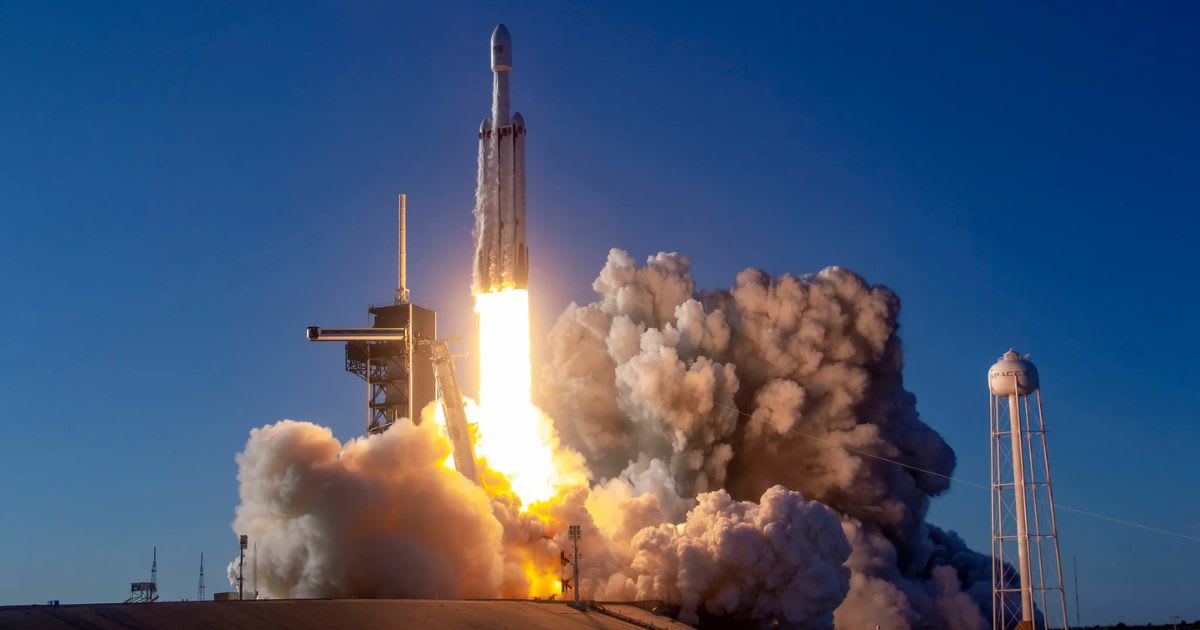
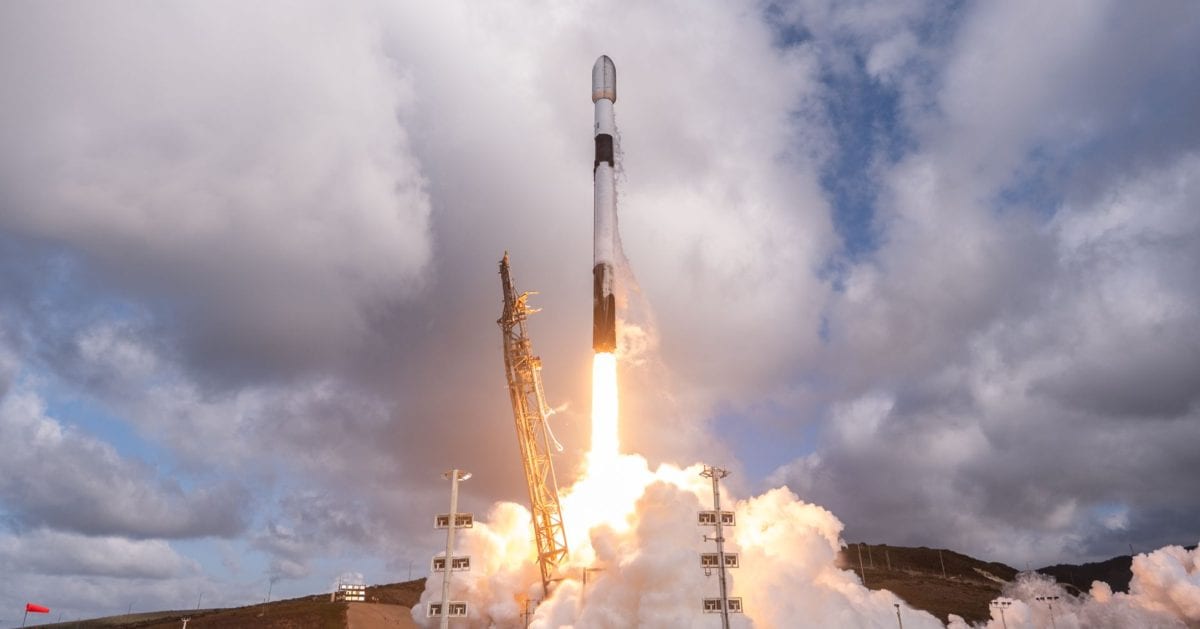
SpaceX is now preparing to launch its Falcon 9 from Vandenberg Space Force Base in Southern California tonight, on September 15, 2026. This flight will carry a classified U.S. Space Force payload known as USSF-259. This recent launch will take place during a four-hour window that will start at 9 p.m. EDT (6 p.m. local California time and 0100 GMT on September 16, 2026).
Falcon 9 is vertical at pad 4E in California ahead of tonight’s launch of the USSF-259 mission → https://t.co/L2HTgohXdK pic.twitter.com/JwV3pf2D2m
— SpaceX (@SpaceX) September 15, 2026
This will be the second secret military mission that SpaceX has launched from that same site in less than a week. Earlier on September 10, 2026, SpaceX completed the major event for the U.S. Space Force (USSF) and launched the USSF-153 mission from its Space Launch Complex 4E at the Vandenberg Space Force Station. This marked the 27th flight for its first-stage booster.
What does this mission include, and how to watch it live?
Those who are looking forward to the launch can head to the SpaceX website for the direct link to the live stream. Additionally, SpaceX will also stream the event on its official X account. It’s also expected that those who are living in Santa Barbara, San Luis Obispo, and Ventura counties may hear sonic booms due to the launch.
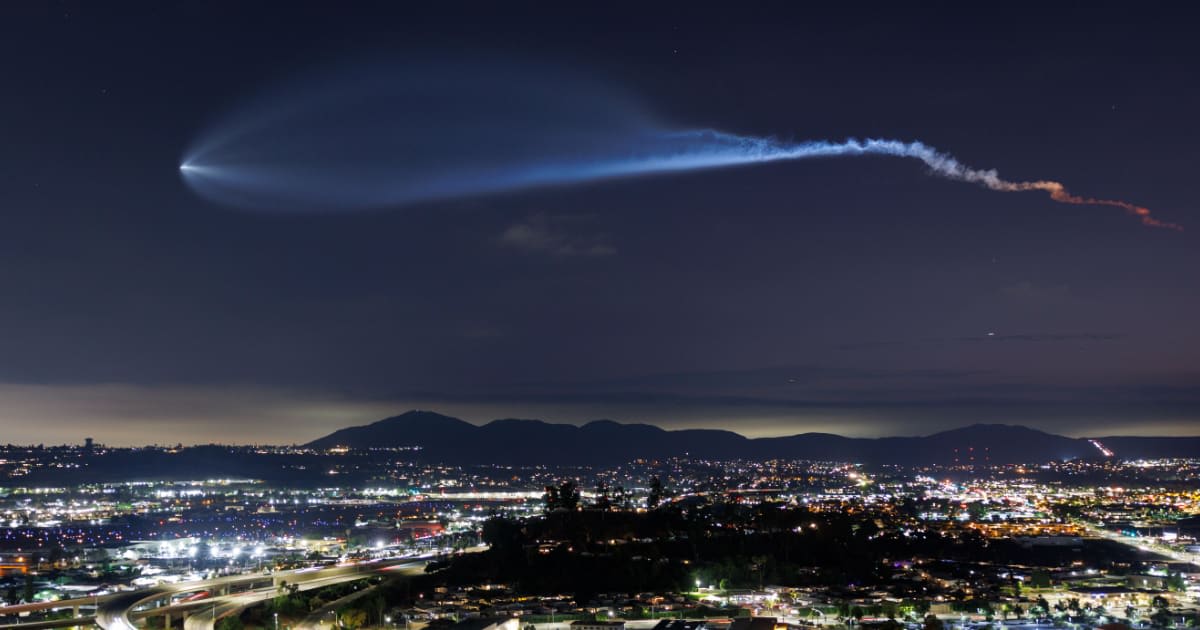
The company has not shared many details about the launch, which is expected from national security launches. As per the official website, "This will be the 13th flight for the first stage booster supporting this mission, which previously launched Sentinel-6B, Twilight, NROL-172, Transporter-17, and eight Starlink missions. Following stage separation, the first stage will land on the Of Course I Still Love You droneship, which will be stationed in the Pacific Ocean."
United States confirms deploying ‘space weapons’ in orbit
In a very rare announcement on Monday (September 14, 2026), the US Air Force Secretary Troy Meink has confirmed that the space weapons have been deployed in orbit. Meink said at the Air, Space and Cyber Conference, “Today, we continue to ensure we remain ready to meet the challenges of evolving threats wherever they exist. This is why the United States now has on-orbit space control weapons capable of defending the Joint Force against hostile adversary action.” However, he did not give any more information on what these "space control weapons" are for and what they can do.
“We are increasing readiness against existing threats, and the United States has on-orbit space control weapons capable of defending the Joint Force against hostile adversary action.”
— United States Space Force (@USSpaceForce) September 15, 2026
– @SecAFOfficial at #AFANational
More: https://t.co/qYW91qFf2h pic.twitter.com/oC8ap10LnN
Also, his remarks were not tied to any particular launch. Therefore, there is no indication yet that this is connected to tonight's SpaceX mission. Victoria Samson, chief director of Space Security and Stability for Secure World Foundation, told Al Jazeera, “That’s the first time any official has acknowledged an actually designed weapon has been placed in space. It’s always been ‘systems with capabilities’ prior.”
What’s next for SpaceX?
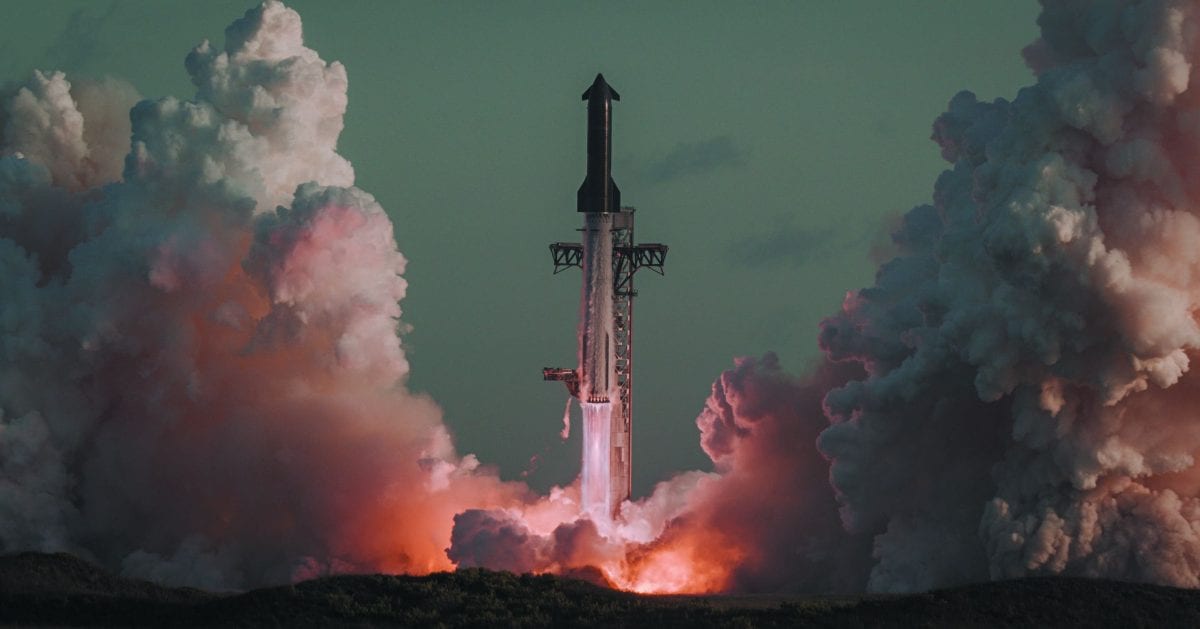
Next up, SpaceX will launch its most awaited Flight 14 on September 22, 2026. As per an advisory released by the Federal Aviation Administration, the flight could take place from 7:15 am CDT and end at 9:14 am CDT. As per CEO Elon Musk, this would be the last flight before a ship-catch maneuver takes place for Flight 15.
Starship is preparing to go to orbit. Flight 14 is targeting to launch as early as Tuesday, September 22, pending regulatory approval → https://t.co/LwJ4g6dg9v pic.twitter.com/Ds0aGWpT9V
— SpaceX (@SpaceX) September 15, 2026
Commenting on this, he said in a post, "Either at the end of this year or more likely early next, we will refly the ship and refly the booster. Once we can refly the ship, we will have made the first fully reusable orbital rocket. It’s designed for not just full reusability, but also rapid reusability like an aircraft. This is a very important breakthrough. It’s really the critical breakthrough that’s necessary to extend life beyond Earth."
More on Starlust
Watch: SpaceX successfully launches and lands Falcon 9 for U.S. Space Force classified mission