'Catastrophic': Million-satellite 'ring' around Earth could be crippling for observational astronomy

Around the world, many companies have filed plans to launch well over a million satellites built for data storage into low Earth orbit, plus tens of thousands of mirrors designed to bounce sunlight down to the ground after dark. But astronomers aren’t happy. Experts say the sheer number of these spacecraft would force them into a single, tightly packed orbital path, and the result would look like nothing humanity has ever seen before. It would result in a bright band wrapping around the planet, which would be visible from anywhere on Earth, much like “Saturn’s rings” of our own making.
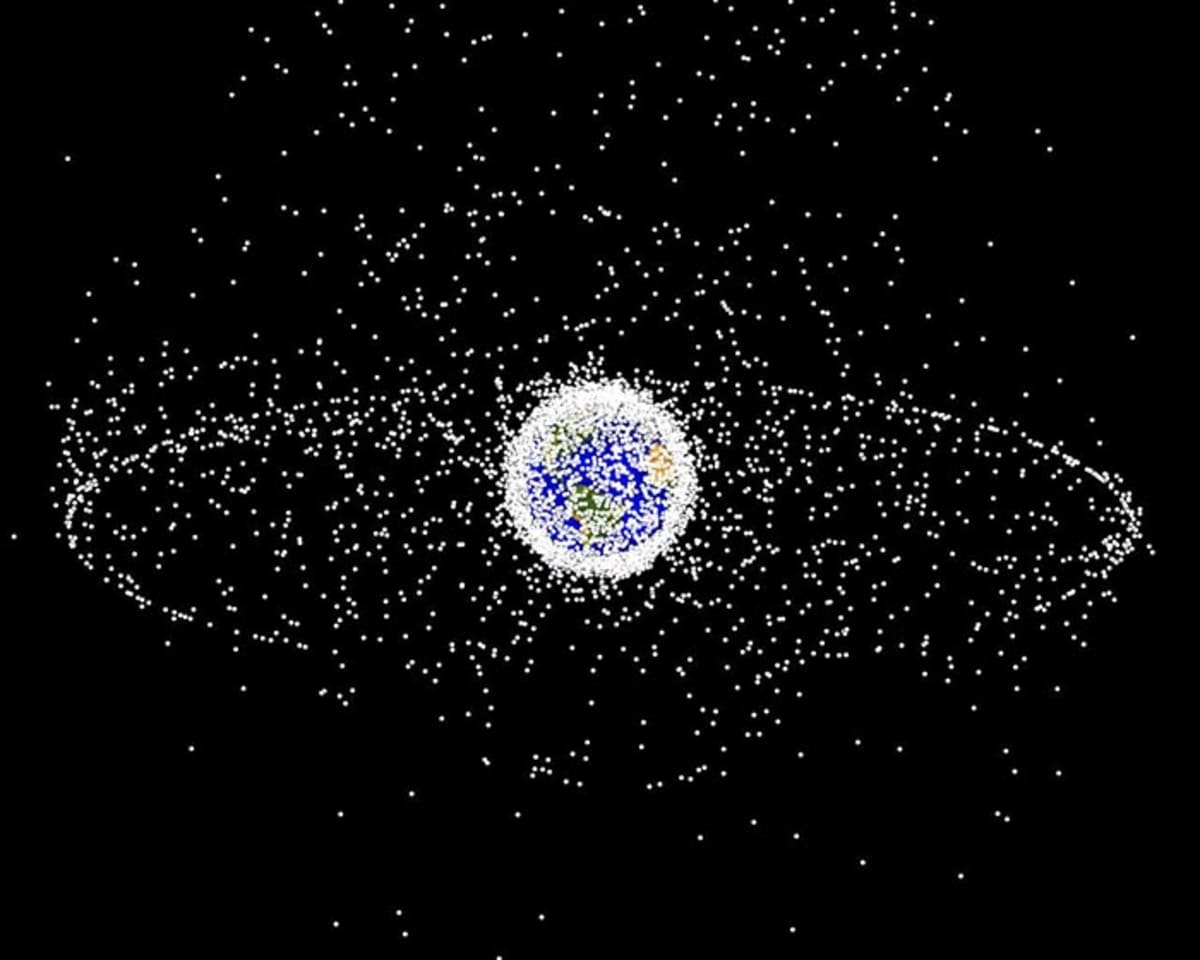
This concern came after five companies—SpaceX, Starcloud, Cowboy Space, Orbital Compute, and Blue Origin—filed applications with the U.S. Federal Communications Commission to ask for permission to launch more than a million data center satellites combined. On top of that, China has separately announced plans to build its own orbital data center network within the next five years. Reflect Orbital's project is further along than the rest. This California-based company has already received FCC approval on July 10 to launch its first demonstration mirror, an 18-by-18-meter satellite named Eärendil-1, which is expected to fly before the end of this year.
What effects will it have on space science and everyday life?
Hugh Lewis, who teaches astronautics at the University of Birmingham in the U.K., explained that because so many companies want to occupy the same narrow lane in space, the satellites would have to stack on top of one another and circle the globe together. "The impact on the night sky would be absolutely catastrophic," he told Space.com. Unlike Starlink, which spreads across many orbital paths, this fleet would sit in one shared plane and move as a single visible mass.

Samantha Lawler, an astronomer at the University of Regina, ran computer simulations to see what this would look like from the ground by using proposed fleets from SpaceX, Blue Origin, and a company called Cowboy Space. The results showed a glowing arc crossing the sky twice daily, once in the early evening and again before sunrise. This would outshine and outnumber the visible stars combined. Lawler explained, "[The ring] would pass overhead at the same time every night. That means its effect would be worse during wintertime than the summertime." Expressing her concerns, she added, "It would make our taxpayer-funded telescope time much less effective. We could do a lot less science for the same cost, and many science cases, including the search for dangerous near-Earth asteroids, would be seriously compromised." Lawler also noted that her team's projections rely on publicly available data and the work hasn't been peer-reviewed yet.
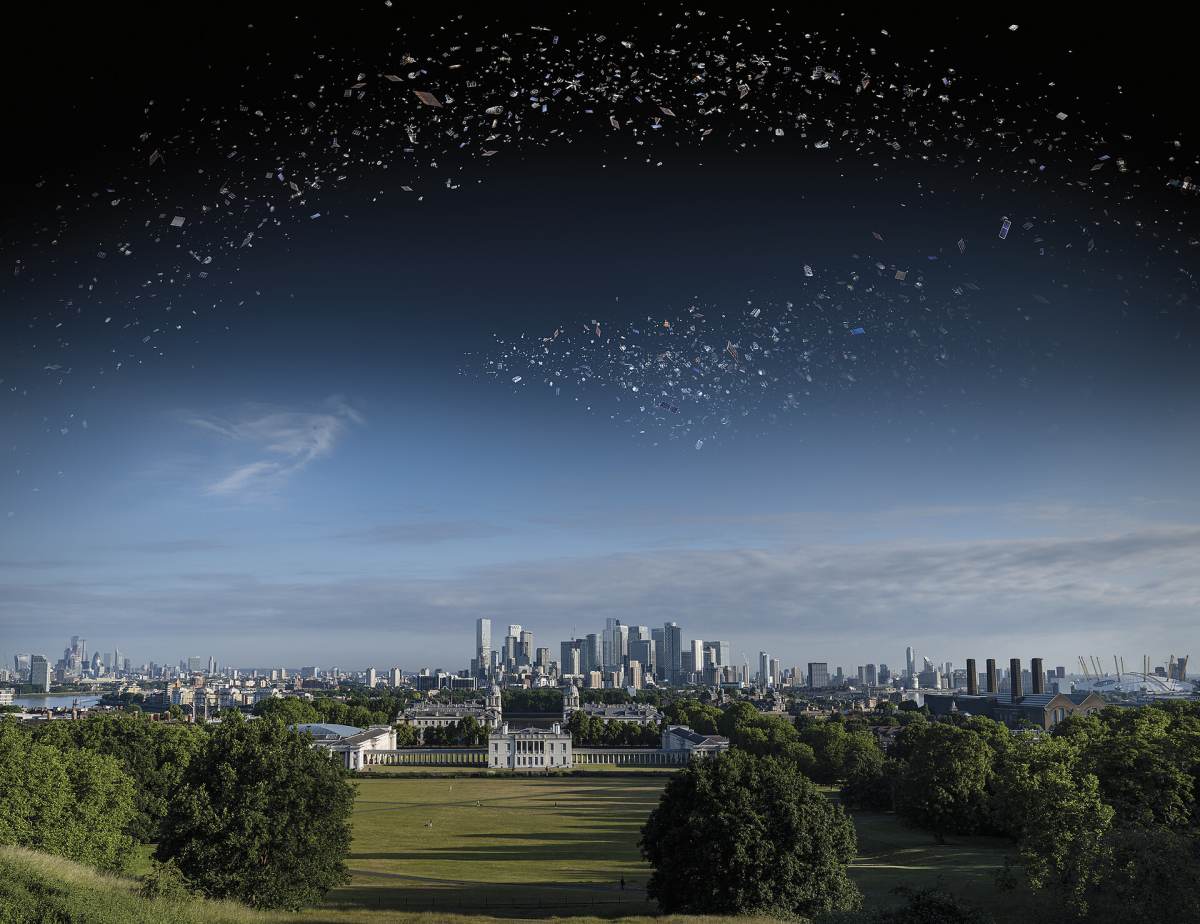
An earlier analysis from the European Southern Observatory estimated that a full fleet of 50,000 mirrors could make the sky up to 300 percent brighter. This would compromise even the world's most advanced telescopes. Astronomer John Barentine said, "Humanity has already fundamentally altered the cosmos to the point where Earth is now an artificial 'ringed planet' choked by satellites and space debris." He added, "But projects like Reflect Orbital will turn those mostly now invisible rings into bright reflective tracks. We aren't talking about just a scattered field of bright, moving dots anymore.”
What's ahead for the project?
Reflect Orbital has already received approval to move forward, and the FCC has shared that protecting optical astronomy falls outside its authority. The American Astronomical Society (AAS) has raised concerns over this decision and issued a public statement. "Reflect Orbital's proposed satellite, which would reflect sunlight back to Earth at night, carries the potential for significant harm to our members and the broader community of those who depend on a dark night sky," the AAS wrote. "This harm could include damage to sensitive research telescope equipment, potential flash-blinding of pilots and drivers, and — as Reflect Orbital stated in its own FCC filings — potential permanent eye damage to anyone looking through a mid-sized telescope." The AAS urged the FCC to consider the impact these satellites could have on Earth and their long-term effects.
More on Starlust:
NASA concerned after discovering mysterious new cloud of tiny space debris
Which country is contributing to space debris the most? The numbers may surprise you