Twin spiral 'arms' caught feeding a black hole in the Circinus galaxy
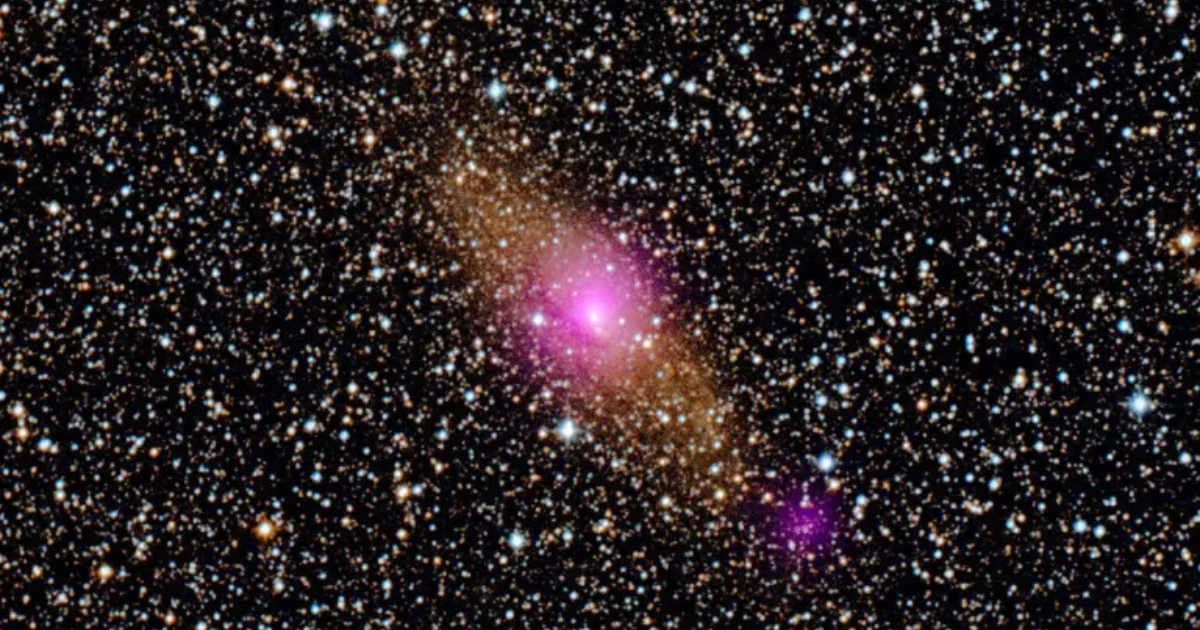
A supermassive black hole, long theorized as a "messy eater," has had its exact feeding mechanism mapped out, revealing an unexpected dual-arm structure funneling gas directly to the cosmic behemoth. The finding, which challenges traditional disk-only accretion models, was spearheaded by PhD candidate Wout Goesaert during his prior master's research, according to Leiden University.
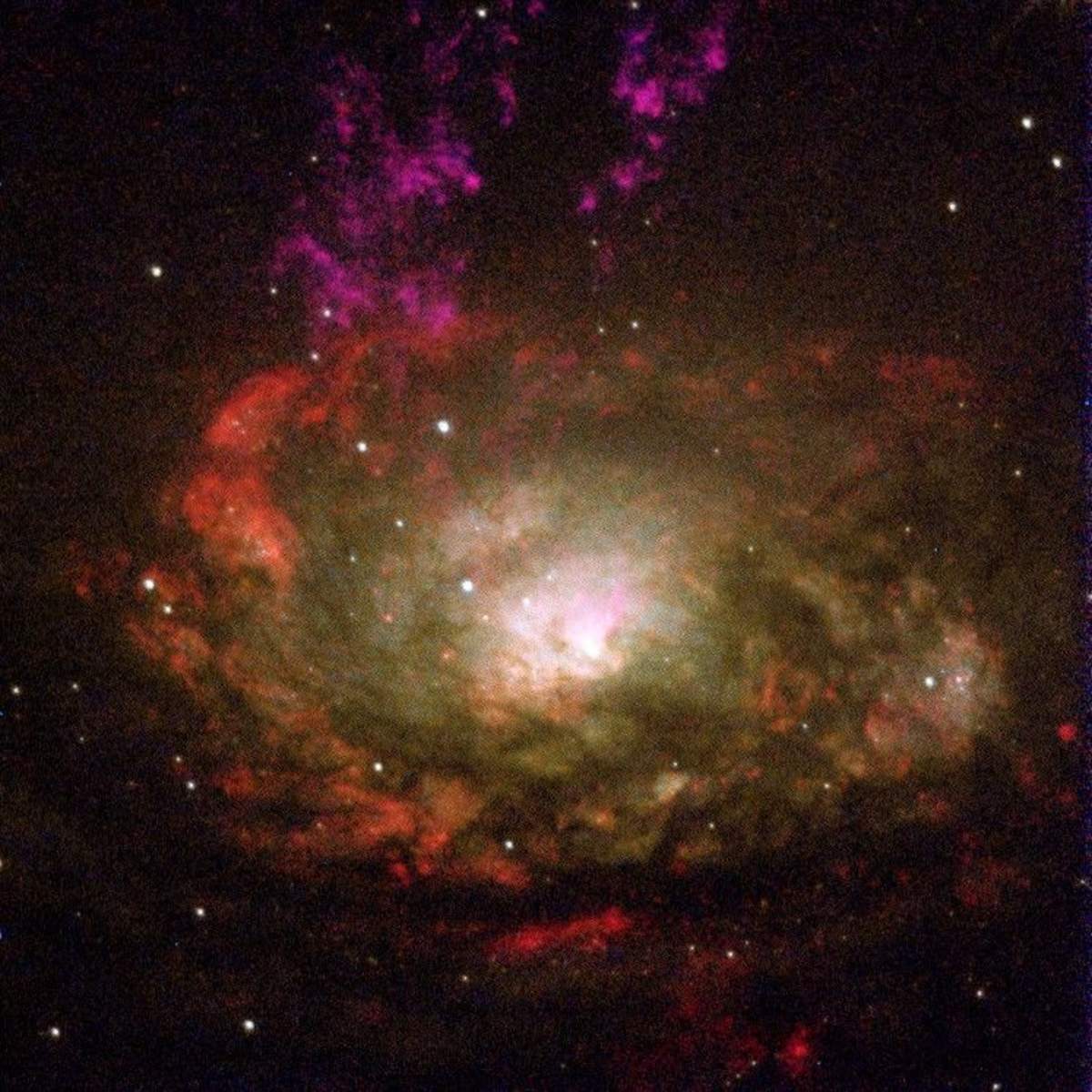
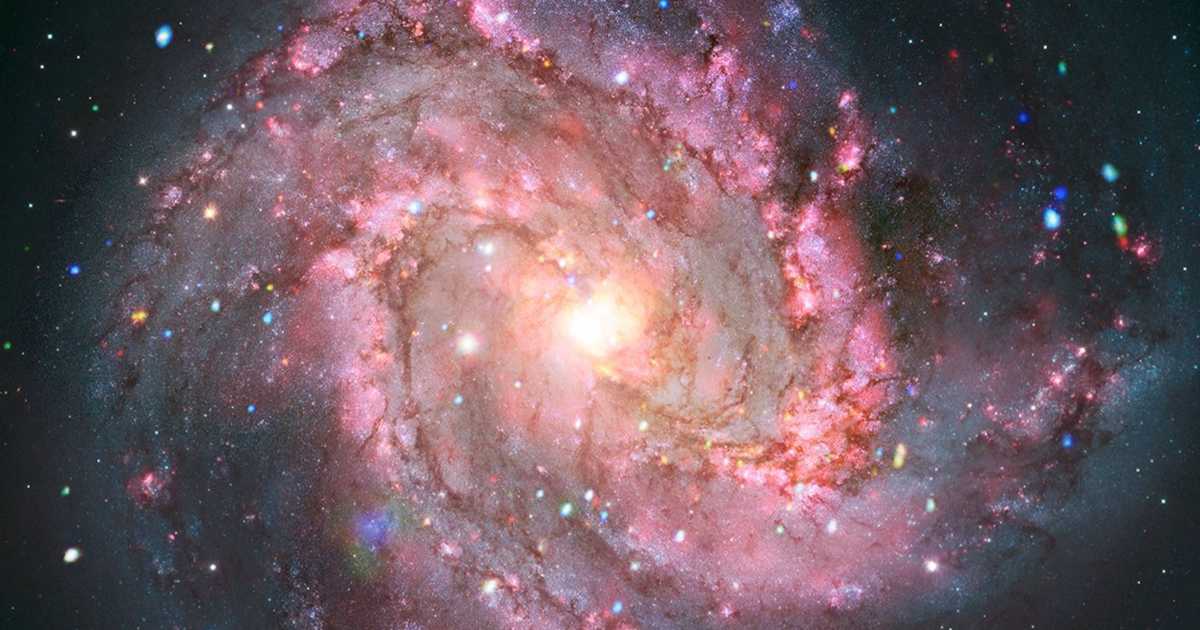
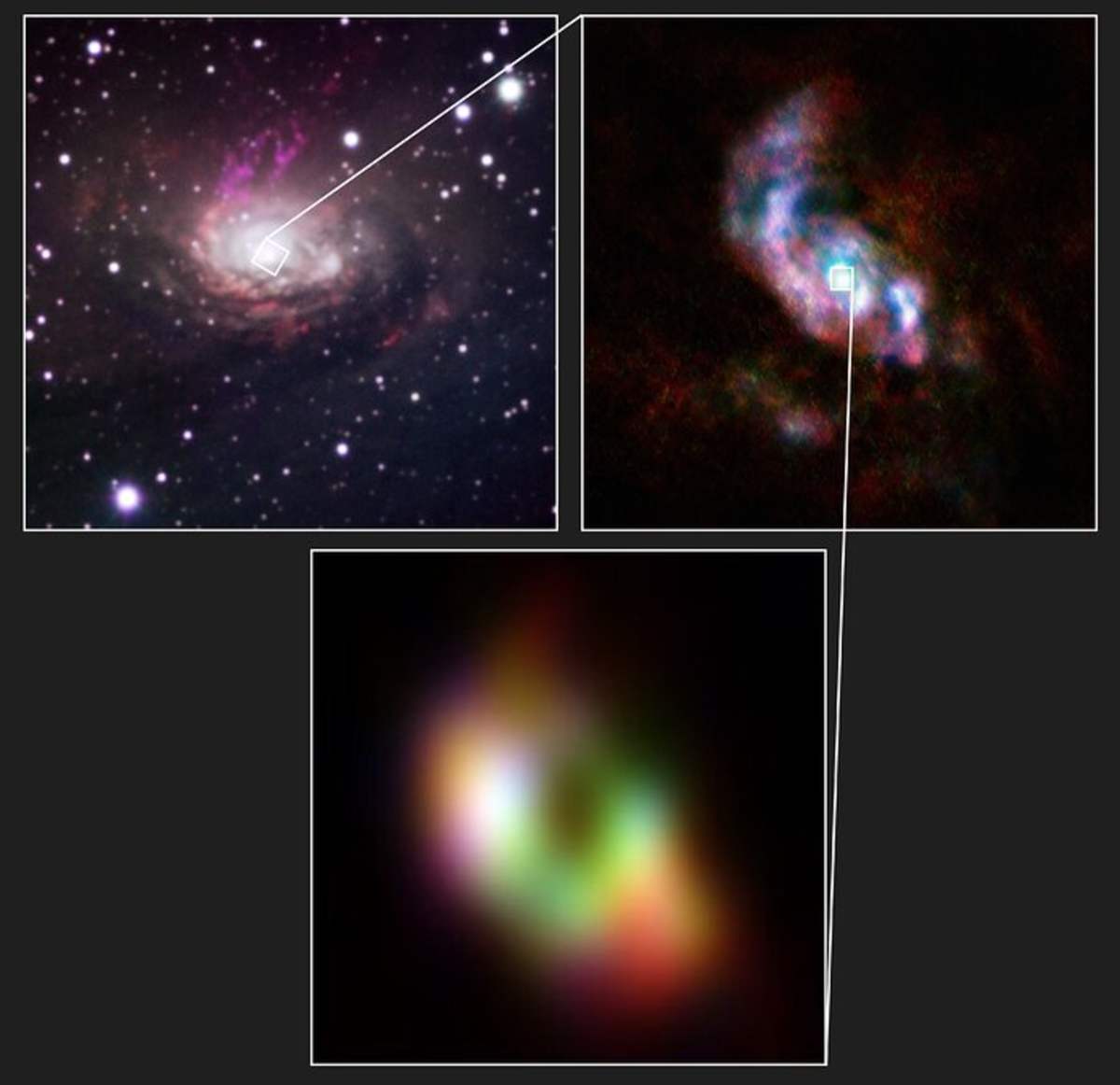
The team analyzed archival observations from the Atacama Large Millimeter/submillimeter Array (ALMA), focusing on the Circinus Galaxy, a relatively close neighbor situated just 13 million light-years away. Although only discovered in 1977 due to its concealment behind the Milky Way's disc, the galaxy's core provided a clear view of black hole activity. Goesaert and his collaborators utilized advanced modeling techniques on the 2023 ALMA data, confirming the existence of two distinct spiral arms actively transporting cold gas inward. This observation moves beyond the simplified "whirlpool" visualization of an accretion disc.
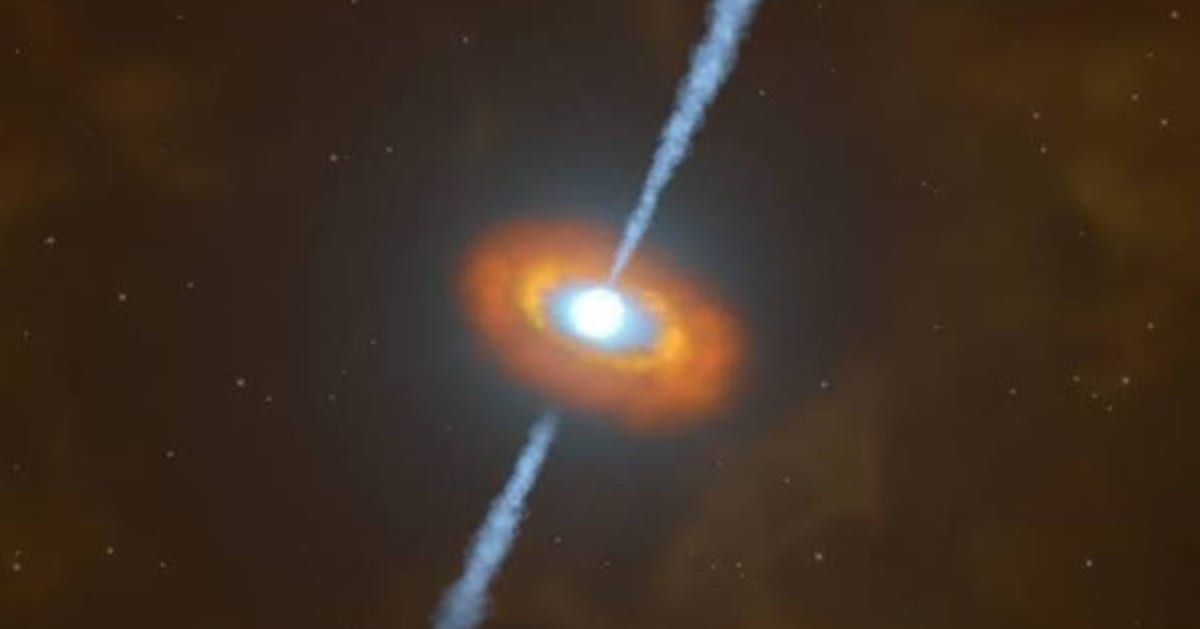
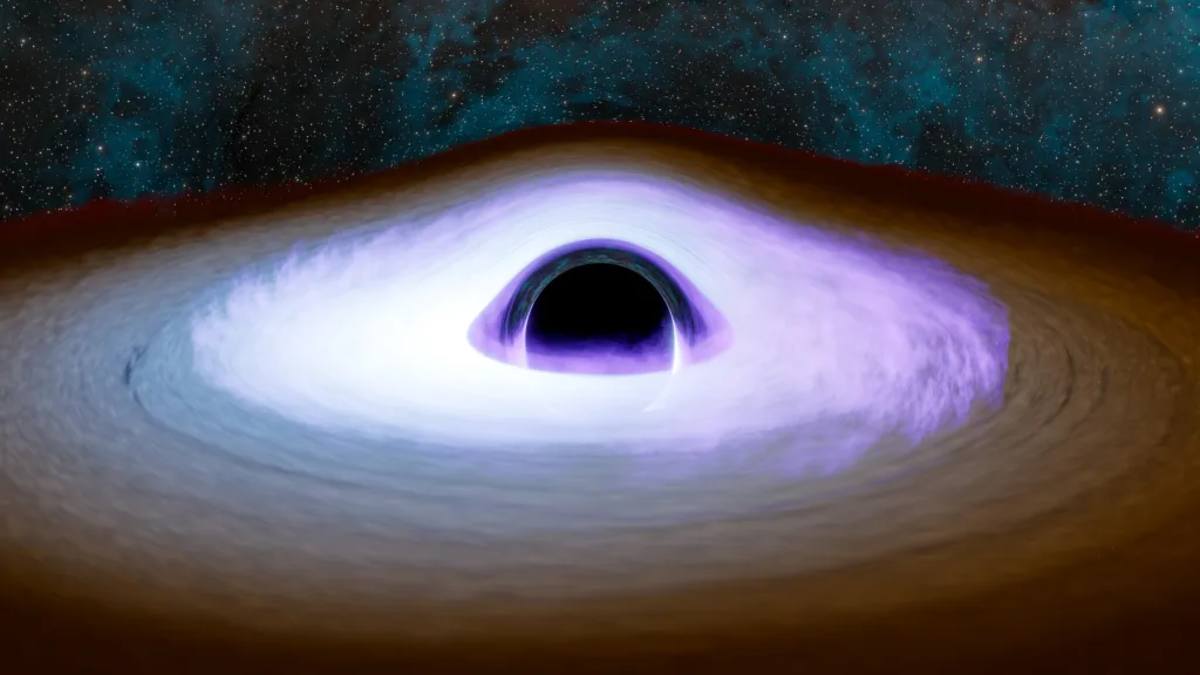
"In cartoons, you sometimes see a disc of gas disappearing into a black hole as if it were a whirlpool. However, if there is no supply channel, such a disc will continue to spin around at a decent distance forever," Goesaert explained. "So you need a passageway of some kind. And that’s where our spiral arms come into play."
The research went forward despite an initial publication on the same data by a competing group. Violette Impellizzeri, Goesaert's supervisor at ASTRON, noted, "We decided not to give up and delved deeper into the subject, searching for more details." The perseverance paid off. By incorporating additional ALMA observations and employing more complex models, the team calculated that the gas within the arms is rushing toward the center at speeds up to 150,000 kilometers per hour.
Crucially, the study determined that the black hole is far from efficient, with at most 12% of the inflowing matter actually crossing the event horizon. The vast majority is ejected back into space before being consumed. The groundbreaking results immediately prompt new questions for astronomers: Why is the consumption rate so low? Is this twin-spiral arm structure common to all supermassive black holes? And what is the ultimate fate of the ejected material? Does it fall back, or does it trigger new star formation?
Researchers are now setting their sights on follow-up observations using next-generation instruments like the Event Horizon Telescope (EHT) and the powerful Extremely Large Telescope (ELT) currently under construction in Chile to unlock the broader implications of this unusual feeding habit.

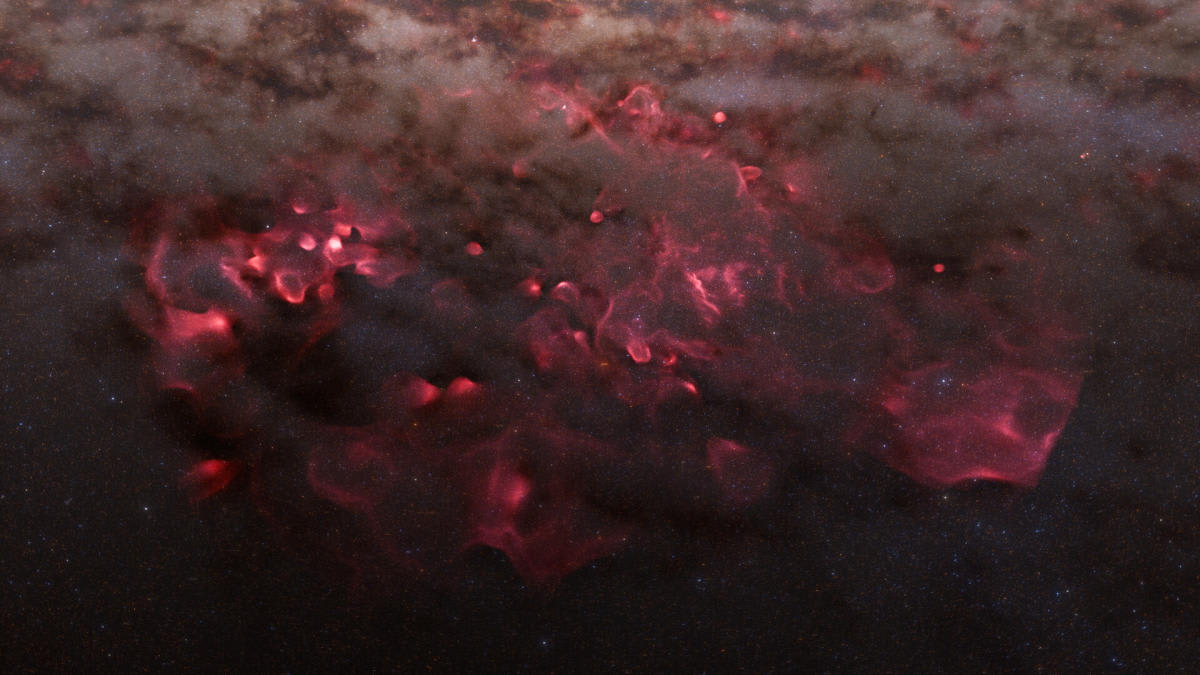
Further observations, including those from the NASA Hubble Space Telescope, paint a vivid picture of the Circinus Galaxy's core, which has been described as a "swirling witch's cauldron of glowing vapors" powered by the central black hole, as per NASA Science.
Astronomers classify Circinus as a Type 2 Seyfert galaxy, a category of often spiral-shaped galaxies characterized by their compact, intensely bright nuclei believed to harbor supermassive black holes. Seyferts are a subset of Active Galactic Nuclei (AGN), objects known for their immense energy output and ability to eject vast amounts of gas from their centers at phenomenal speeds. The evidence gathered confirms that the black hole in Circinus is indeed a powerful AGN, actively influencing its galactic environment by violently venting material, a process now better understood thanks to the detection of the twin spiral feeding arms.
More on Starlust
Black hole shadows could finally help detect the universe’s 'invisible' dark matter, say scientists