ALMA captures stunning evidence of cosmic tug-of-war between gravity and magnetic fields during star birth
A landmark astronomical survey has provided the first statistical evidence that gravity is the dominant force in the birth of massive stars, decisively realigning magnetic fields during the colossal collapse of gas clouds, as per ALMA.
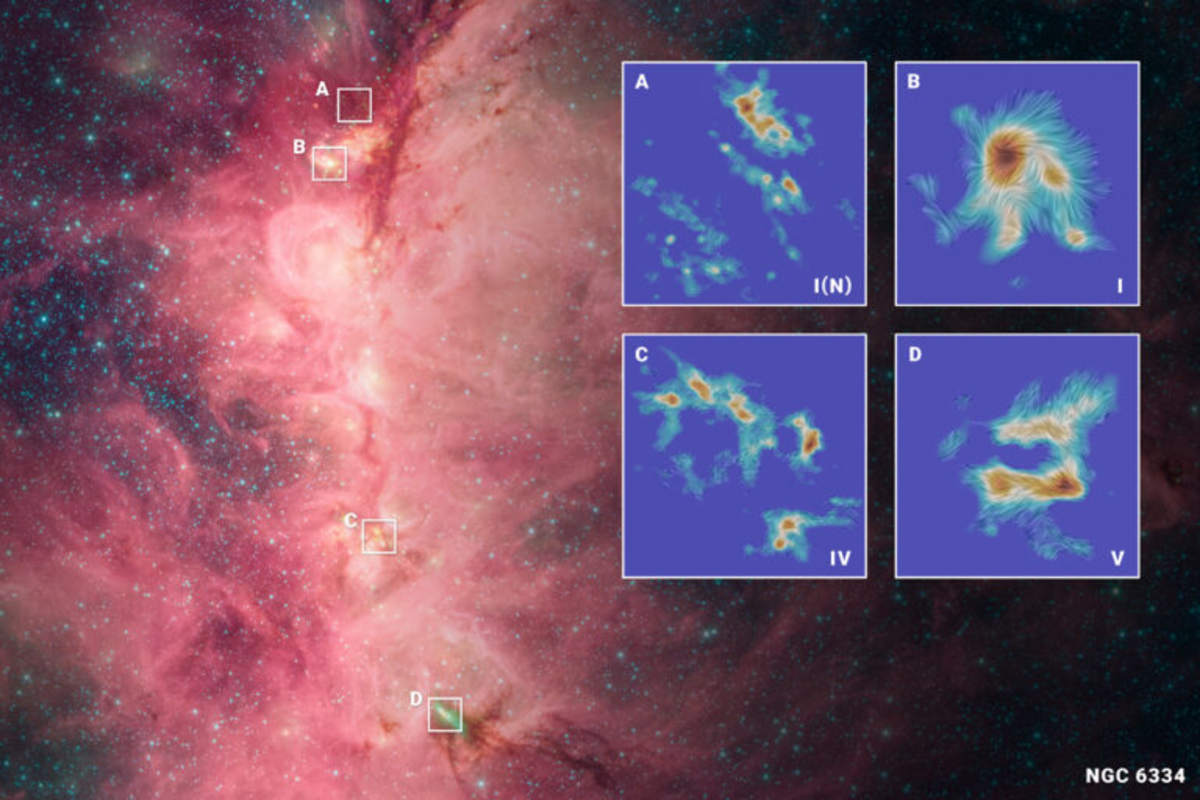
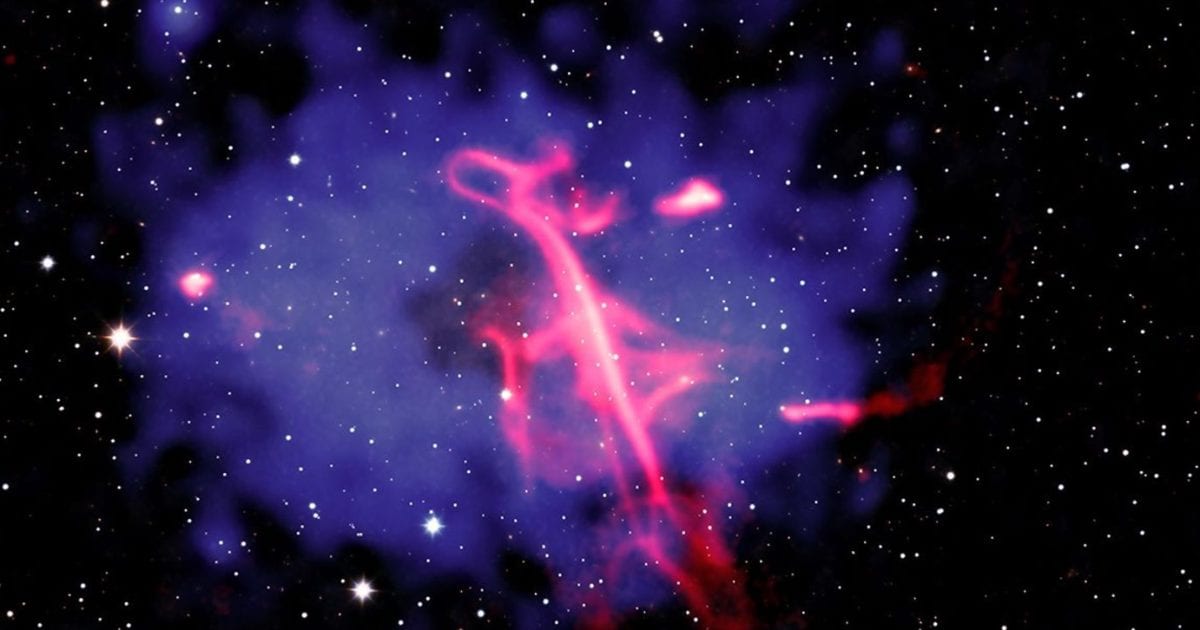
In this major development for astrophysics, an international team, spearheaded by Dr. Qizhou Zhang of the Center for Astrophysics | Harvard & Smithsonian, utilized the Atacama Large Millimeter/submillimeter Array (ALMA) to conduct the most comprehensive mapping of magnetic fields ever achieved across 17 regions where clusters of massive stars are forming. The findings resolve a decades-long debate over which cosmic force, gravity, magnetism, or turbulence, prevails as interstellar gas is compressed to densities ten trillion times greater than its initial state to ignite new stars. These critical results are detailed in a paper in The Astrophysical Journal under the authorship of Q. Zhang et al.
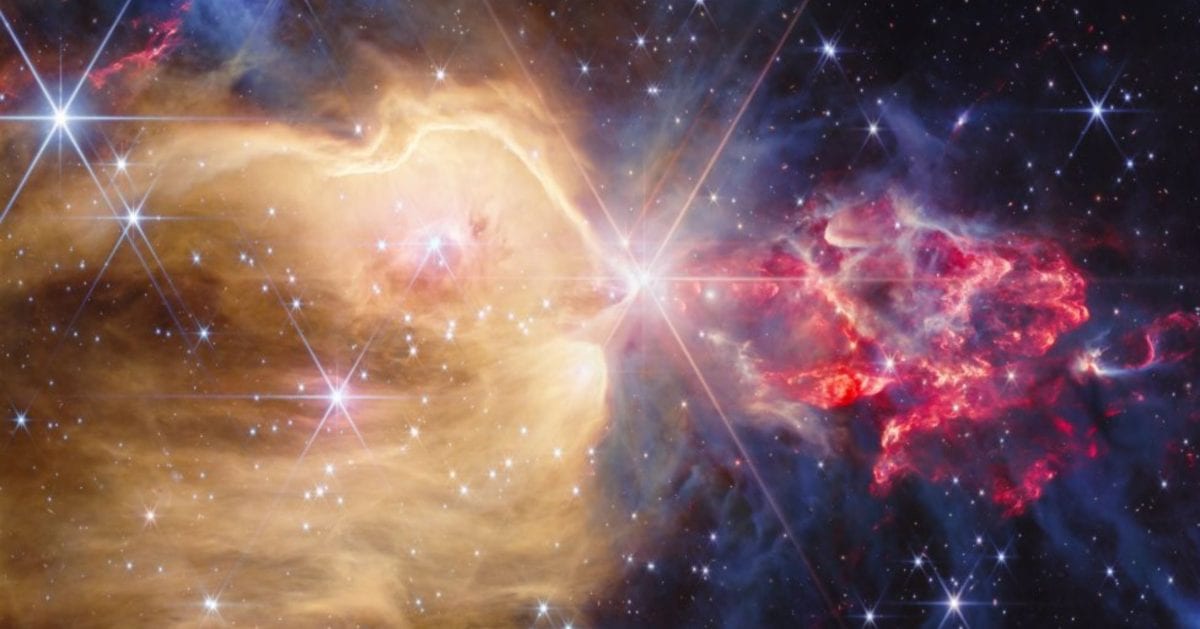
The survey, which peered into the cosmic birthplaces at scales as small as a few thousand astronomical units (roughly ten times the distance from the Sun to Pluto), captured an unprecedented view of this dramatic interplay. Researchers measured how the orientation of magnetic fields shifted at various distances from young protostars. The data unequivocally show that as gas density increases, gravity takes the lead, forcing the magnetic field lines to align with the infalling matter.
This is the first time scientists have been able to statistically trace this gravitational influence across a large sample of star-forming regions. “We see that gravity actually reorients the magnetic field as clouds collapse, offering new clues about how massive stars—and the clusters they inhabit—emerge from the interstellar medium,” stated Dr. Zhang, highlighting ALMA's unmatched sensitivity and resolution.
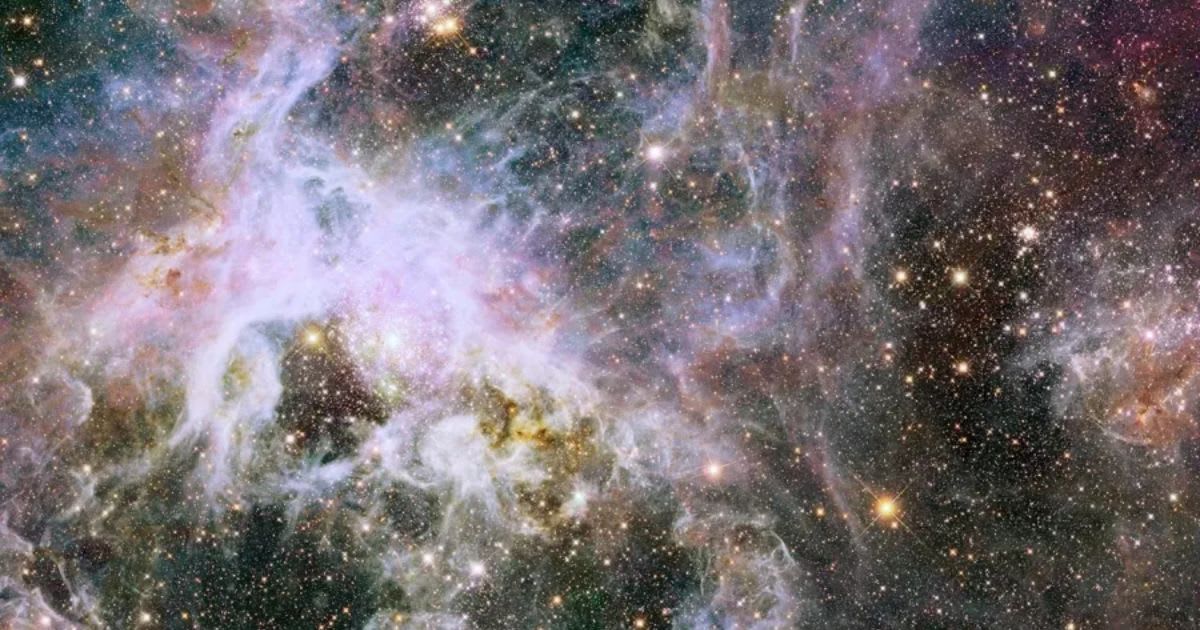
The observations revealed a surprising, non-random pattern in the field orientations, which showed a preference for lining up either parallel or perpendicular to the flow of gravity, indicating a complex and evolving relationship between the two fundamental forces. This work not only confirms gravity's ultimate victory in the star-forming process but also furnishes astronomers with powerful new metrics to refine theories on the life cycles of stars, planets, and galaxies. The results from this extensive ALMA polarimetric study establish a new benchmark for understanding the invisible forces governing our galaxy.
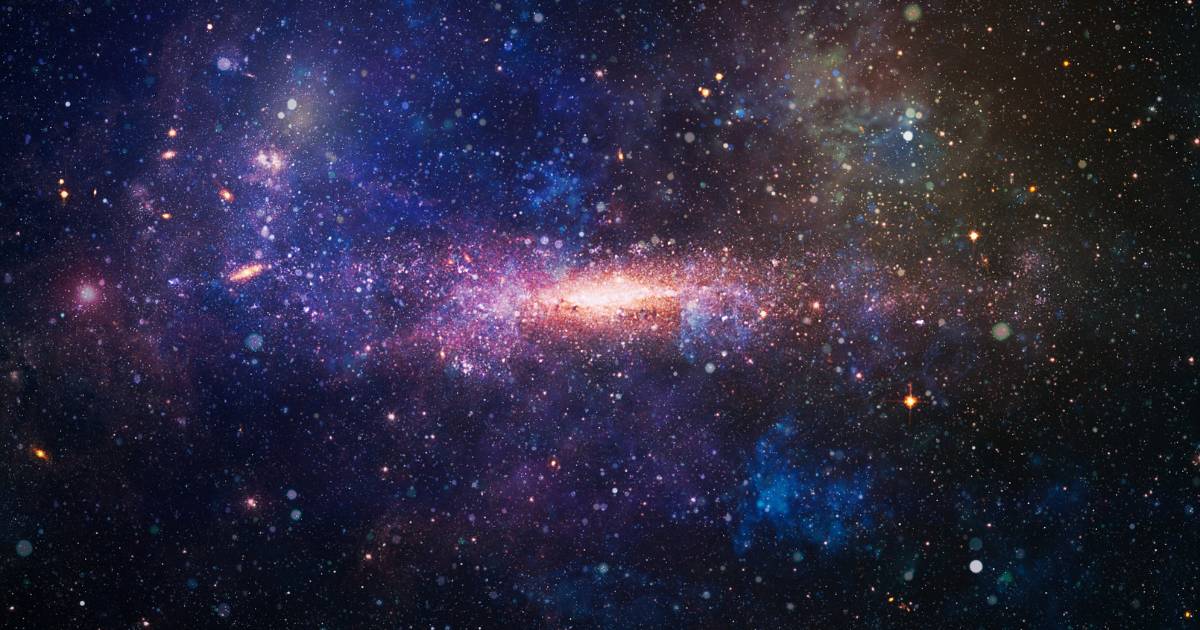
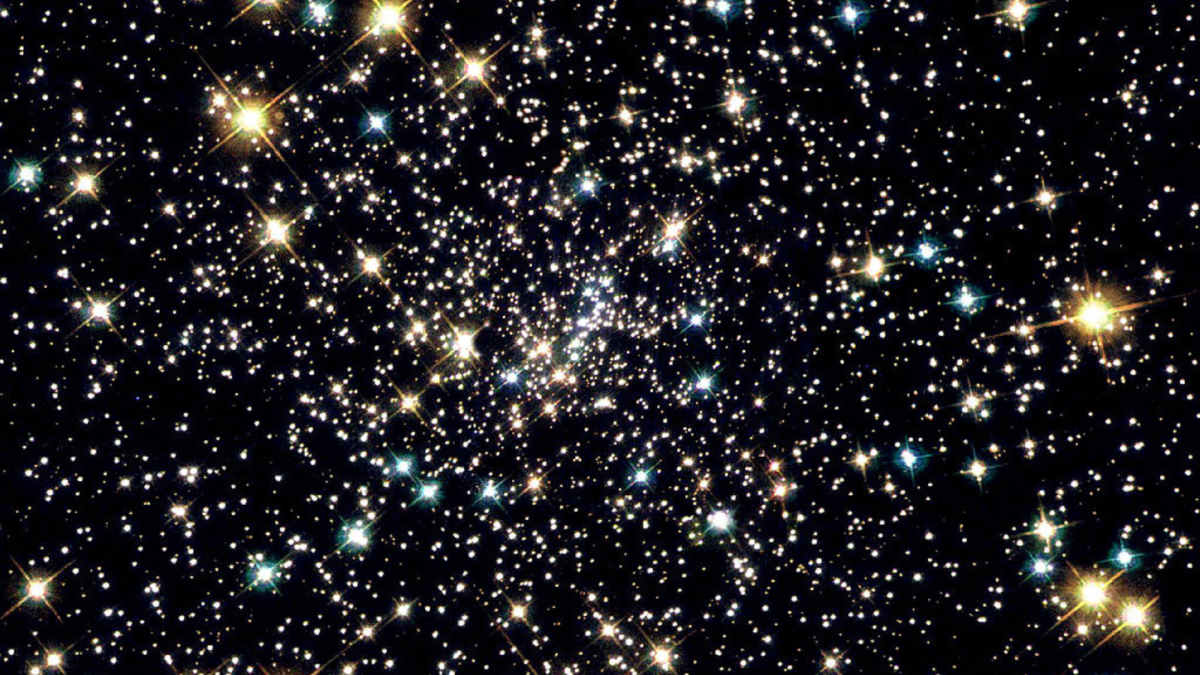
Stars don't usually form alone. They are born together in star clusters, which are groups of stars that share a common origin, forming at the same time and place, according to NASA. These clusters, held together by gravity, can persist for millions or even billions of years, populating the universe with its billions of trillions of stars. The initial step in star formation requires the collapse of gas and dust, primarily hydrogen, under its own gravity.
As a cloud contracts, the immense pressure at its center generates heat, creating a protostar. This hot core continuously gathers more material, eventually evolving into a stable, newly-born star. This entire stellar creation process takes approximately one million years, though the longest-lived stars may then shine for over 10 billion years. Since the conditions that favor the birth of a single star often lead to multiple formations, star clusters are a natural outcome of cosmic creation.
More on Starlust
Infant universe had magnetic fields weaker than your typical toy magnet, study reveals
Scientists successfully mapped magnetic fields at Milky Way's heart to unlock how stars form