Today, for the first time in 11 years, the U.S. will get to see the Moon occult Venus during the day
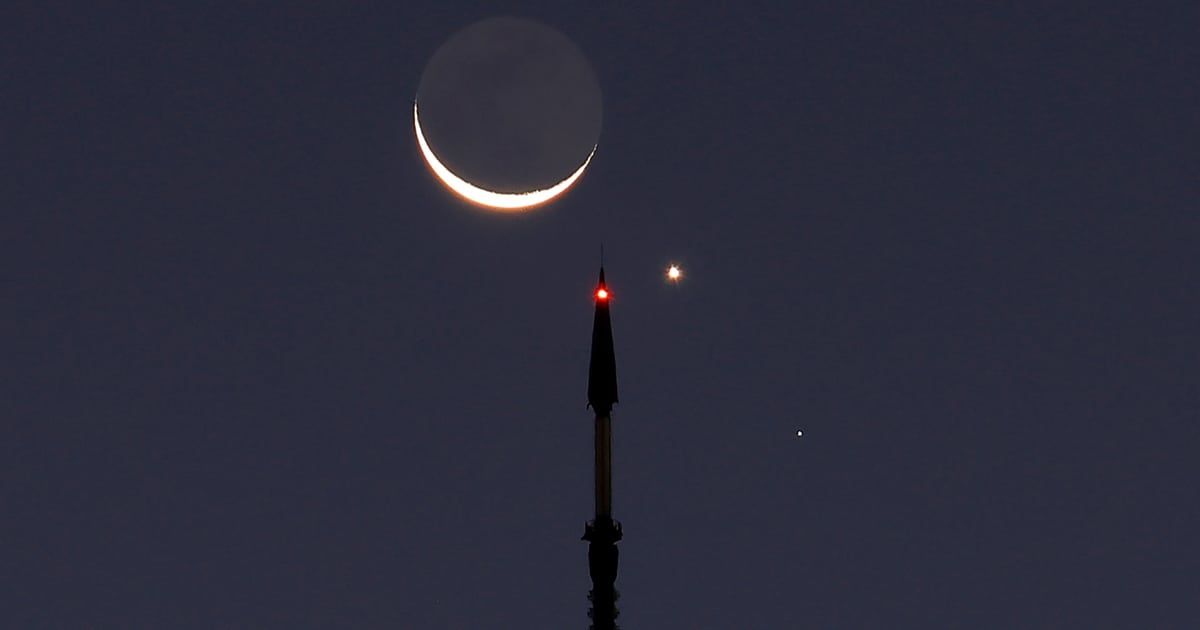
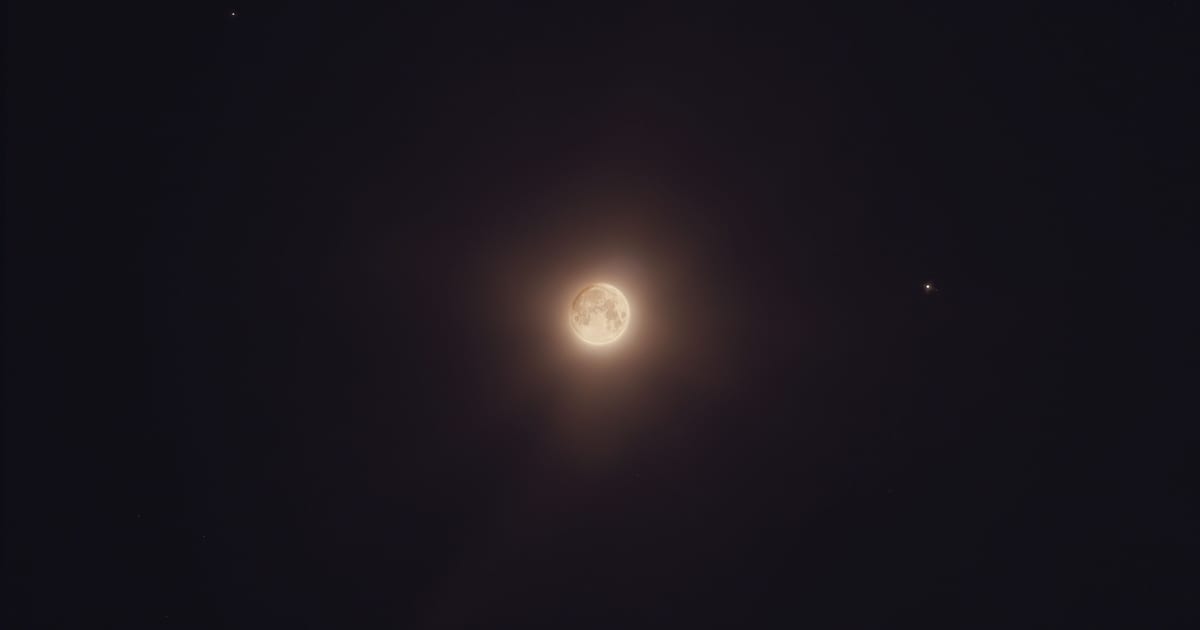
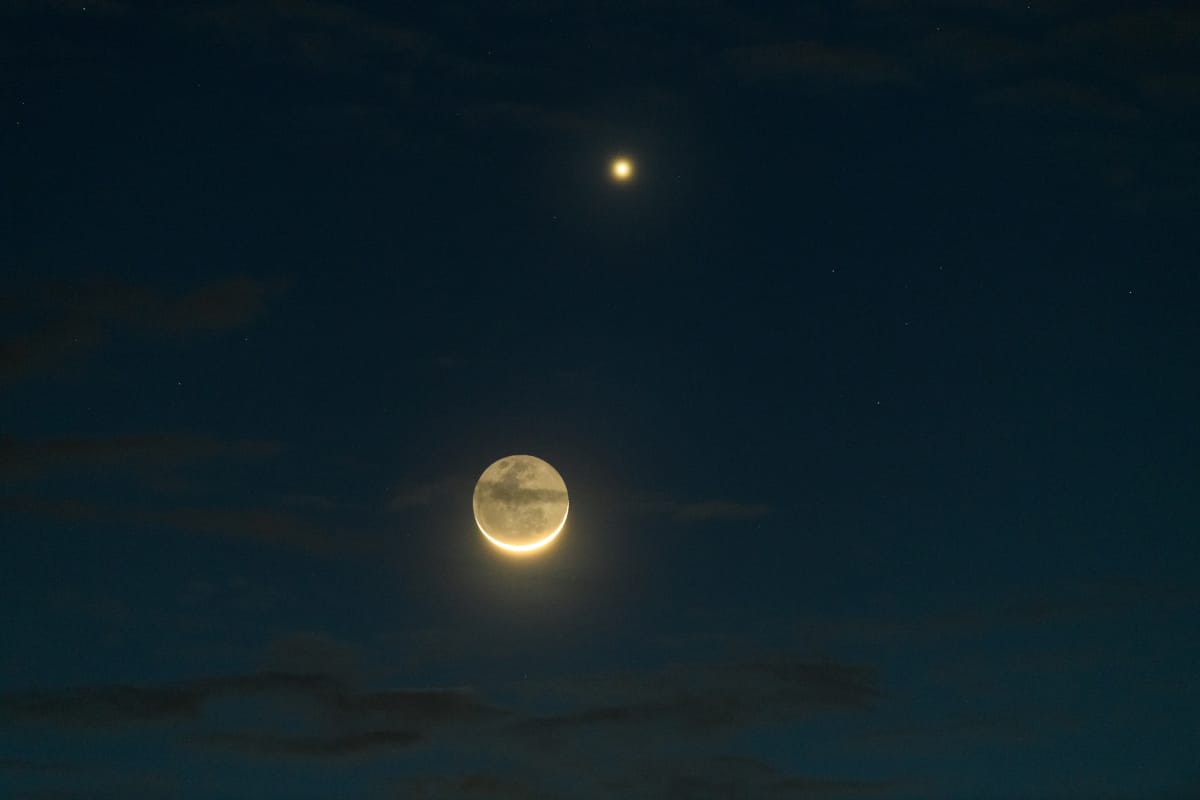
Skywatchers across the contiguous United States and regions of Canada, Brazil, and Venezuela will get to see the Crescent Moon pass directly in front of Venus and hide it for an hour today, on June 17, according to In-The-Sky.org. It will mark the first time in 11 years that this event, known as the lunar occultation of Venus, will be visible over the U.S. during the daytime.
When to watch the lunar occultation of Venus?
Although the occultation will be visible across 48 states in the U.S., the exact timing for the event will depend on the geographical location of the skywatcher and can be found on the International Occultation Timing Association website. For convenience, however, here are the exact timings for a few cities in the U.S.:
- Newark, New Jersey: 3:53:21 p.m.–5:10:27 p.m. EDT (1 hour, 17 minutes, 6 seconds)
- Philadelphia, Pennsylvania: 3:51:21 p.m.–5:11:19 p.m. EDT (1 hour, 19 minutes, 58 seconds)
- Chicago, Illinois: 2:24:49 p.m.–3:50:09 p.m. CDT (1 hour, 25 minutes, 20 seconds)
- Houston, Texas: 2:29:27 p.m.–3:36:04 p.m. CDT (1 hour, 6 minutes, 37 seconds)
- Dallas, Texas: 2:18:13 p.m.–3:34:35 p.m. CDT (1 hour, 16 minutes, 22 seconds)
- Fort Worth, Texas: 2:17:54 p.m.–3:33:58 p.m. CDT (1 hour, 16 minutes, 4 seconds)
- San Antonio, Texas: 2:26:06 p.m.–3:23:53 p.m. CDT (57 minutes, 47 seconds)
- Phoenix, Arizona: 11:50:54 a.m.–12:55:07 p.m. MST (1 hour, 4 minutes, 13 seconds)
How to watch the lunar occultation of Venus?
Since the event is taking place during the daytime, skywatchers will need to use binoculars to track down the Moon, which will be just 11% illuminated and lie about 38 degrees from the Sun. It must be noted, however, that pointing binoculars at the Sun can cause permanent eye damage. Skywatchers can instead choose to stand in the shadows of buildings to avoid using binoculars altogether.
A planetary parade awaits after the occultation
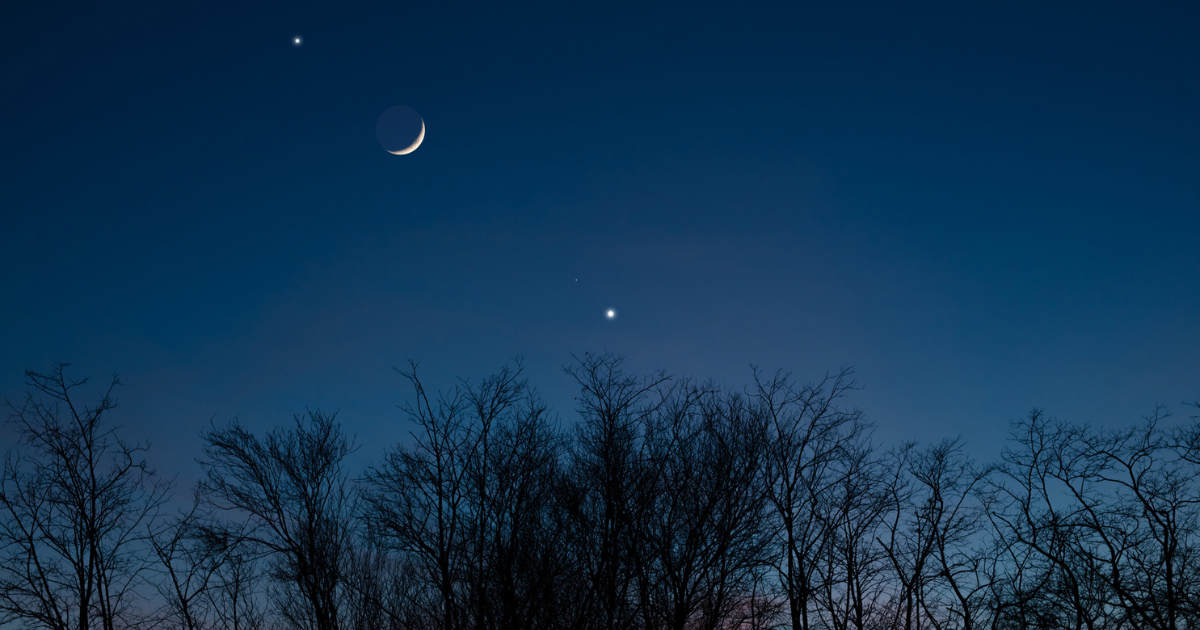
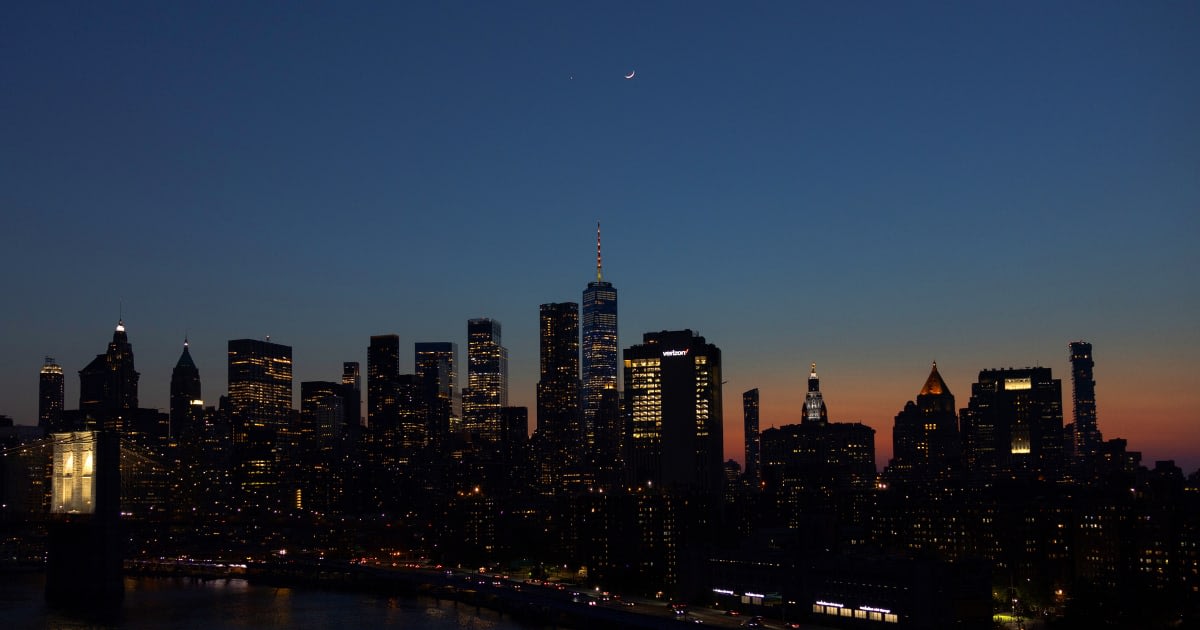
About an hour after sunset, when the Moon is 12% lit and has moved slightly away from Venus, Jupiter and Mercury will join the pair for a planetary parade in the western sky. A pair of decent binoculars will also allow skywatchers to catch the Beehive Cluster, which contains around 1,000 stars, behind the Crescent Moon. Images of both the planetary parade and the Beehive Cluster will be livestreamed starting at 3:45 p.m. EDT by The Virtual Telescope Project.
More on Starlust
Remember the fireball that shook New England on Saturday? NASA has released its latest numbers on it
Fireball 16 times brighter than Venus seen streaking across multiple U.S. states on June 14
Total Solar Eclipse 2026: Date, time, viewing locations, and safety measures—all you need to know