These 14 states in the U.S. may witness the Northern lights on June 25

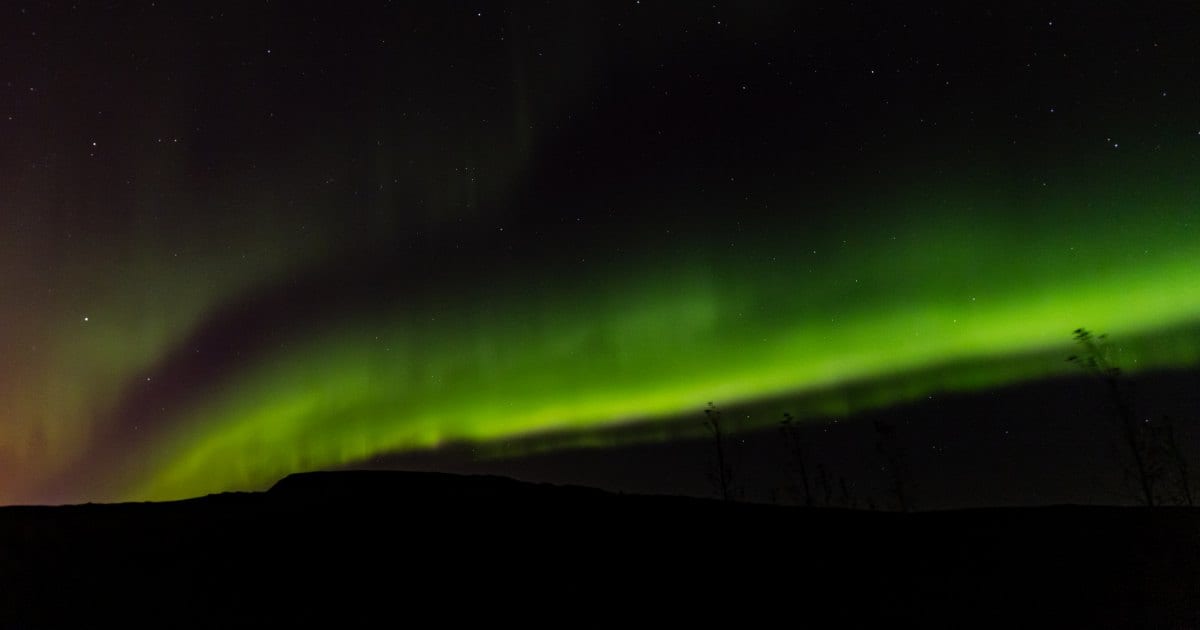
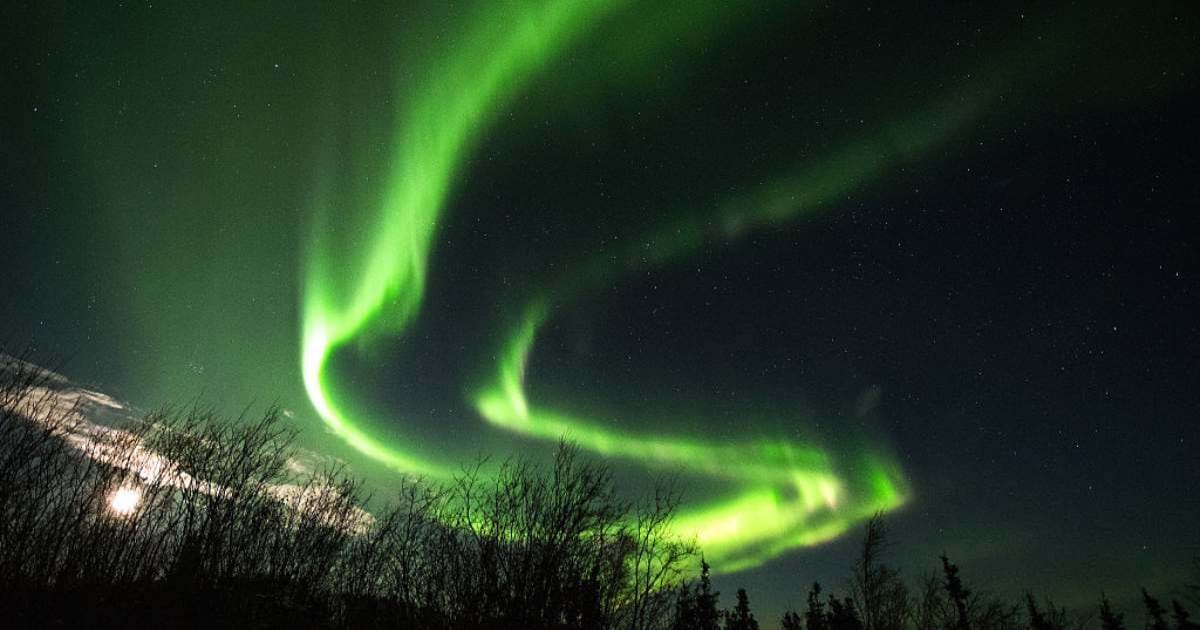
A potential G1 to G2 (Minor to Moderate) geomagnetic storm is anticipated to bring the aurora borealis into view across up to 14 U.S. states tonight, June 25. The event is attributed to a high-speed solar wind stream emanating from a coronal hole on the Sun, per Space.com.

The National Oceanic and Atmospheric Administration's (NOAA) Space Weather Prediction Center (SWPC) projects the Kp index, a key indicator of geomagnetic activity, to reach 5.67. This level signifies a moderate G2 storm and suggests that the auroral oval could extend southward, offering glimpses of the Northern Lights on the northern horizon. States such as New York, Oregon, and South Dakota are identified as potential viewing locations, particularly for those in dark-sky areas.

The UK Met Office corroborates these forecasts, indicating that a "fast wind is expected to arrive" late on June 25, which will significantly elevate the likelihood of auroras at high altitudes despite generally low solar activity. However, the proximity to the June solstice means shorter nights and extended twilight could impede visibility in certain regions. Alaska maintains the highest probability of witnessing the northern lights tonight. Should the predicted G2 storm materialize, the aurora could extend as far south as New York and Idaho, with NOAA suggesting even further potential visibility.

14 U.S. states are positioned within or near the projected auroral view line for June 25's display. These include, in order of most likely to least likely for visibility: Alaska, Minnesota, North Dakota, Montana, Maine, Michigan, Wisconsin, Vermont, New Hampshire, Washington, Oregon, Idaho, New York, and South Dakota. Officials caution that aurora displays are inherently unpredictable. For residents in these states, the best chance to witness the aurora borealis will be around 1 a.m. local time. Viewers should seek a north-facing vantage point and minimize light pollution for optimal visibility, especially as the window of darkness for observing the northern lights is reduced during summer months. While there is a possibility of the aurora extending beyond current predictions, it is also plausible that the display may be less extensive. Optimal viewing is contingent on a complex interplay of atmospheric conditions.

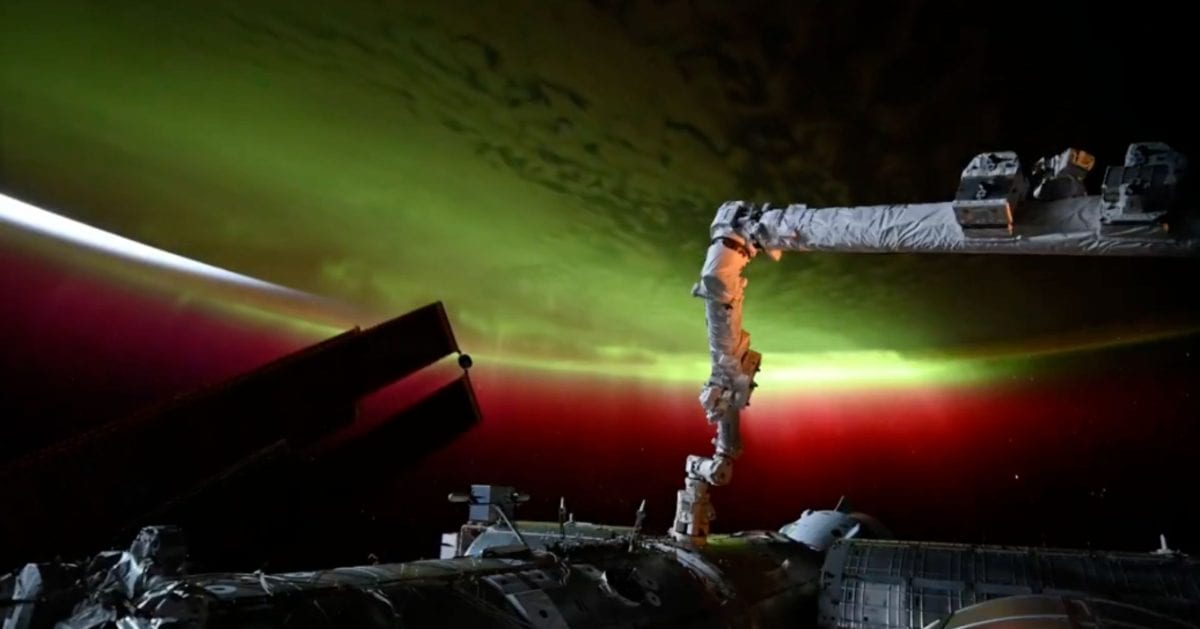
Known as the northern lights (aurora borealis) in the Northern Hemisphere and the Southern lights (aurora australis) in the Southern Hemisphere, auroras are captivating natural displays. These vibrant phenomena are the visible result of space weather, an intricate interplay of energetic particles and magnetism between the Sun and Earth. The spectacular colors arise when high-energy particles from space collide with atoms and molecules in Earth's atmosphere, energizing them. As these energized gases release their excess energy, they emit specks of light, creating the glowing curtains we observe, as mentioned by NASA.
The specific color of an aurora is determined by both the type of being struck and its altitude within the atmosphere. Oxygen interactions can produce green hues at altitudes of approximately 60 to 120 miles (100-200 km), while red light appears above 120 miles (200 km). Nitrogen gas, when excited, typically glows blue between 60 and 120 miles (100-200 km). If Nitrogen interacts with particles below about 60 miles (100 km), it can contribute to a reddish-purple or pink glow at the aurora's lower edge. The blending of these individual gas emissions can also result in mixed colors, such as purple, pink, or even white.