NASA's Moon orbiter makes once-in-a-century discovery, spots solar system's largest new crater—see picture
Editor's note: The story was updated at 6:39 a.m. EDT on September 17 with the correct link to the second paper and a link to the NASA blog post.
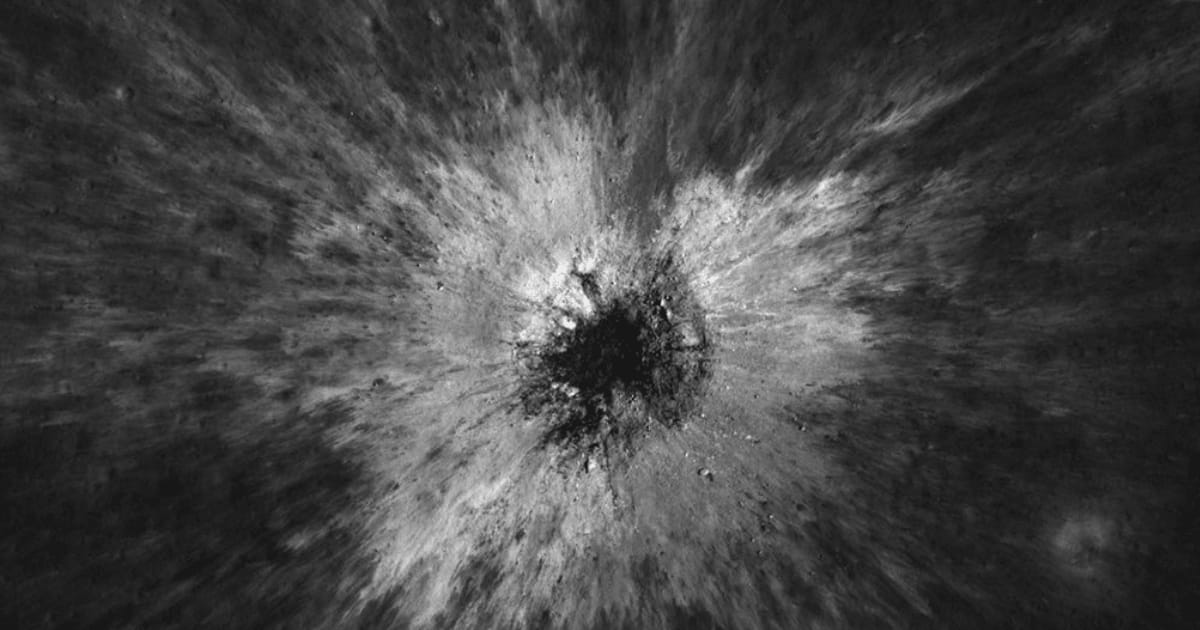
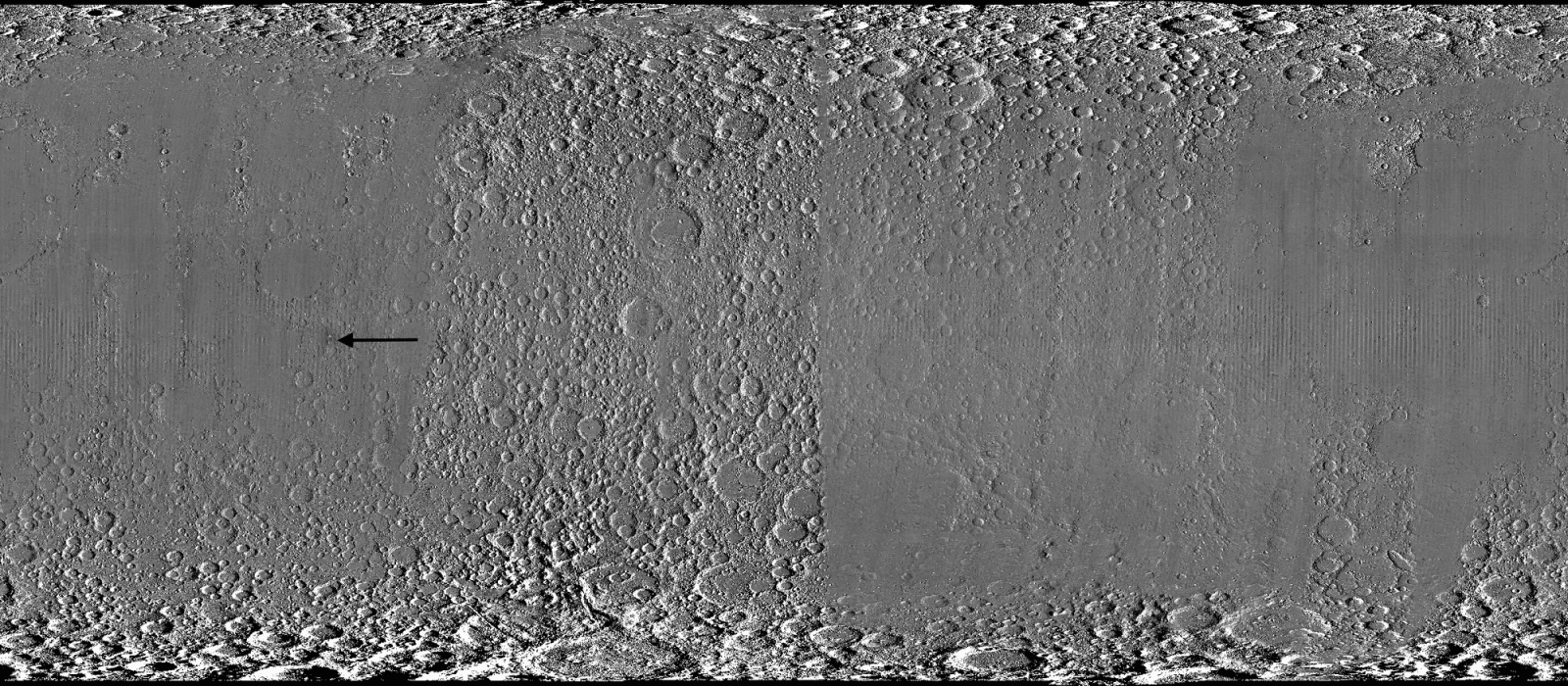
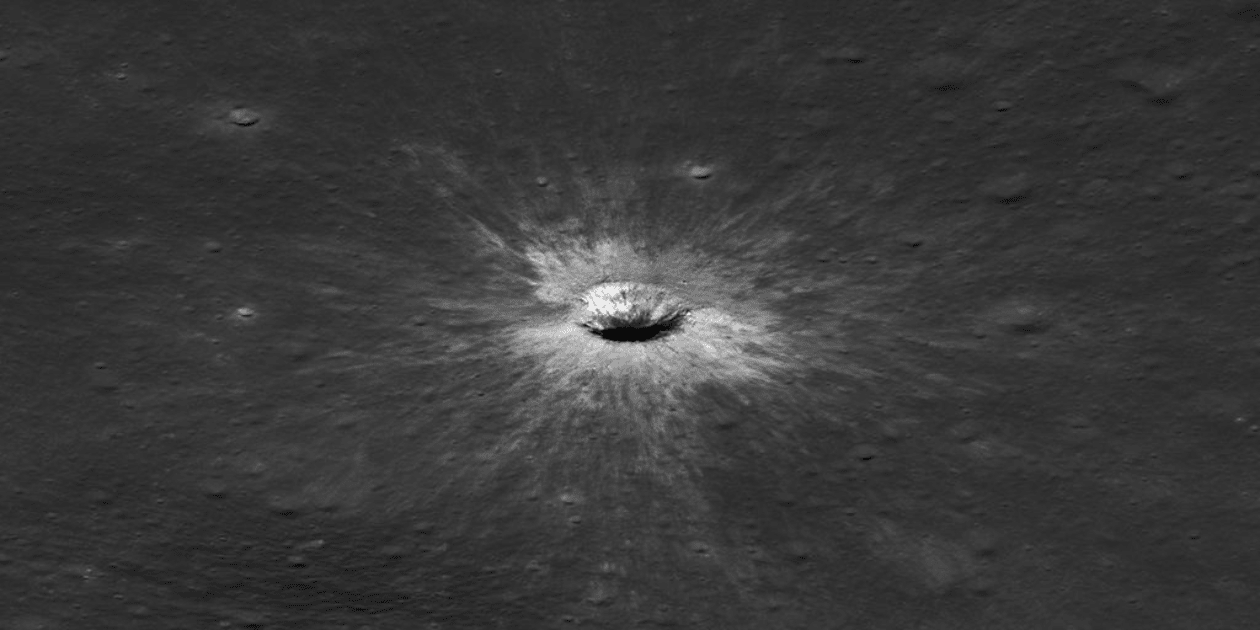
NASA's Lunar Reconnaissance Orbiter (LRO) has spotted a fresh crater on the Moon. Named McGetchin after lunar scientist Tom McGetchin, it is the largest newly formed crater discovered in the solar system, measuring 728 feet wide and 141 feet deep. The crater formed on the Moon's eastern edge between April 11 and May 22, 2024, after a comet or an asteroid the size of a three-to-six-story building crashed into the surface. Such impacts, scientists say, happen once in a century, if not longer. The discovery was reported in a paper that was published on September 16 in the journal Science Advances.
The Moon’s got a big new crater! 🕳️
— NASA Solar System (@NASASolarSystem) September 16, 2026
Spotted by NASA’s Lunar Reconnaissance Orbiter, the McGetchin crater formed when a rock as big as a six-story building crashed into the Moon. It’s 141 feet deep and wider than the length of two football fields.🪨💥🌕https://t.co/I2fX7bPts1 pic.twitter.com/Zft4mKUv1Z
The crater was spotted on October 24 last year by Robert Wagner, an image-processing specialist from Intuitive Machines, who works with data obtained by the Lunar Reconnaissance Orbiter Camera (LROC) system. He spotted McGetchin while conducting a routine data quality check, using software to identify changes across hundreds of "before" and "after" images taken by LROC's Wide-Angle Camera. “It was by far the most obvious impact debris pattern I’ve ever seen in one of these images,” he said, referring to McGetchin, which stood out as a large bright spot surrounded by a dark halo on his computer screen.
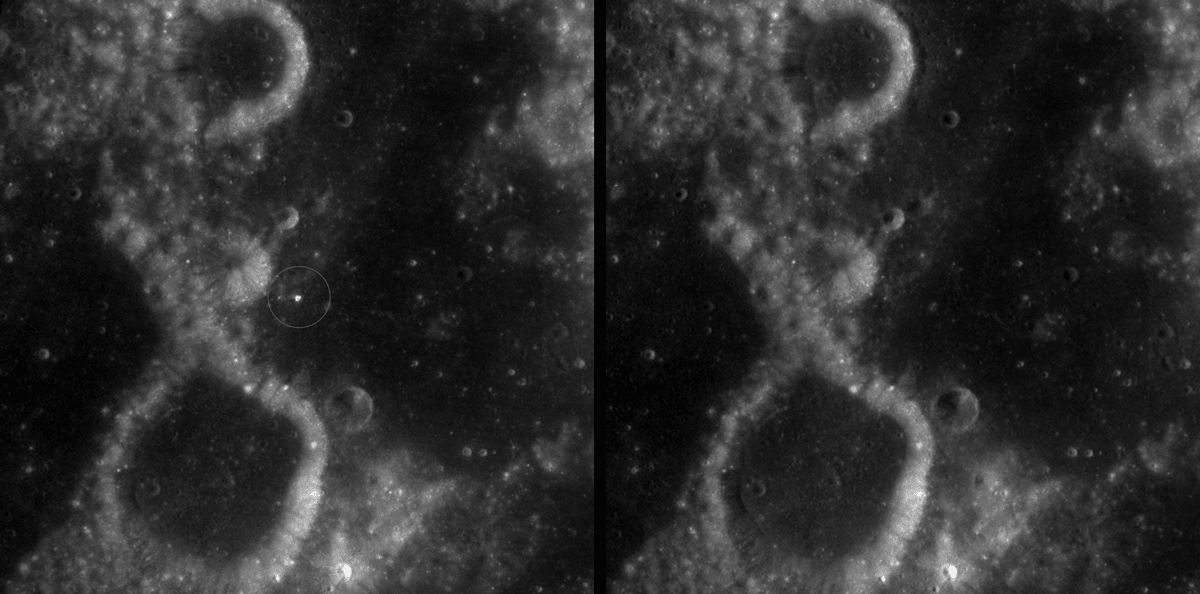
After the discovery was made, follow-up close-up images captured by LRO's sharper Narrow-Angle Camera verified the crater's dimensions and aided scientists in determining the size and force of the impact object, the details of which are expected to be reported in a future paper.
The impact changed more than just the crater: A "cold spot" was discovered
Follow-up observations were also made with Diviner, LRO's thermal instrument, and it revealed a four-mile-wide zone surrounding the crater that is cooler than its adjacent areas by 16°F during the night. This cooling occurs because an impact can fluff up the regolith surrounding a crater, decreasing its density and, thereby, its ability to retain heat. This "cold spot," reported in a separate paper published in the same journal on September 16, shows that an impact on the Moon can alter the lunar surface in regions far beyond the crater. According to scientists, these changes can impact how a rover travels on the lunar surface.
LRO's contributions over the years
LRO, which has been NASA's eye on the Moon for more than 17 years, is equipped with a suite of seven instruments to study the Moon's geology and surface environment. The spacecraft has detected around 1000 new impact craters along with 100,000 additional surface changes associated with objects crashing on the Moon or the debris scattered by them. However, most of these impacts seen are much smaller than the one that formed McGetchin. Scientists say that around 140 small-sized craters (around 30 feet wide) are formed on the lunar surface annually, mainly from microscopic rocks that reach the surface easily due to the absence of atmosphere, but such craters are too small to be identified in orbital images.
More on Starlust
Moon's darkest craters may now reveal how ice accumulated over a billion years at the South Pole
Asteroid impacts shaped the early Earth's surface, creating conditions conducive for life