‘A jaundiced Moon’: Artemis II astronauts saw the lunar surface in colors like never before
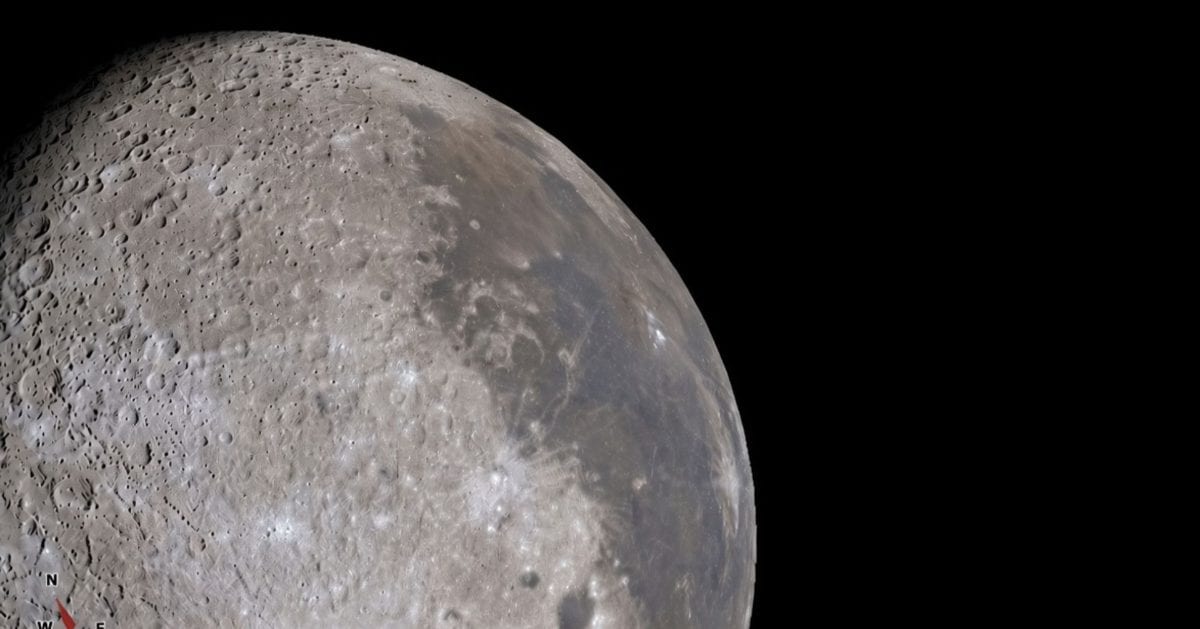
NASA’s Preliminary Lunar Science Report of the Artemis II mission is out, and it features detailed findings by the four astronauts who flew around the Moon earlier this year. The highlights of this report are the impact flashes on the lunar surface witnessed by the crew and an incredible total solar eclipse that occurred from their point of view when the astronauts went behind the Moon. However, there’s another interesting finding mentioned in the report, and this data could help scientists uncover the evolutionary journey of the Moon.
Artemis II update! We just dropped 814GB of observations — including nearly 1,000 new images and 521 minutes of crew audio — in our Artemis II Preliminary Lunar Science Report: https://t.co/qHFSHiJUza https://t.co/vnAC5gByT1
— NASA (@NASA) October 7, 2026
As the Artemis II crew was looping around the Moon, they saw colorful hues on the sunlit surface, which has vast lava plains stretching hundreds of miles. Mission specialist Christina Koch described the Aristarchus Plateau as a “jaundiced cheek of the Moon,” with distinct yellow, brown, and green colors. According to NASA, these colors offer clues to the rocks and minerals that make up different lunar regions. As for the individual colors, the agency said that the blue hues point to titanium-rich volcanic rocks, while brown reflects varying levels of iron. The color green, on the other hand, signifies glass formed during volcanic eruptions or asteroid impacts on the lunar surface. “For future human explorers, these color differences could highlight potential resources," says NASA.
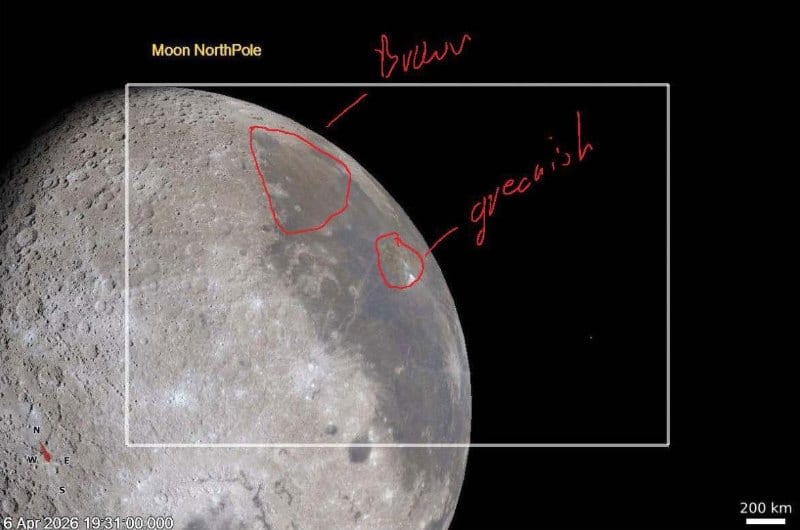
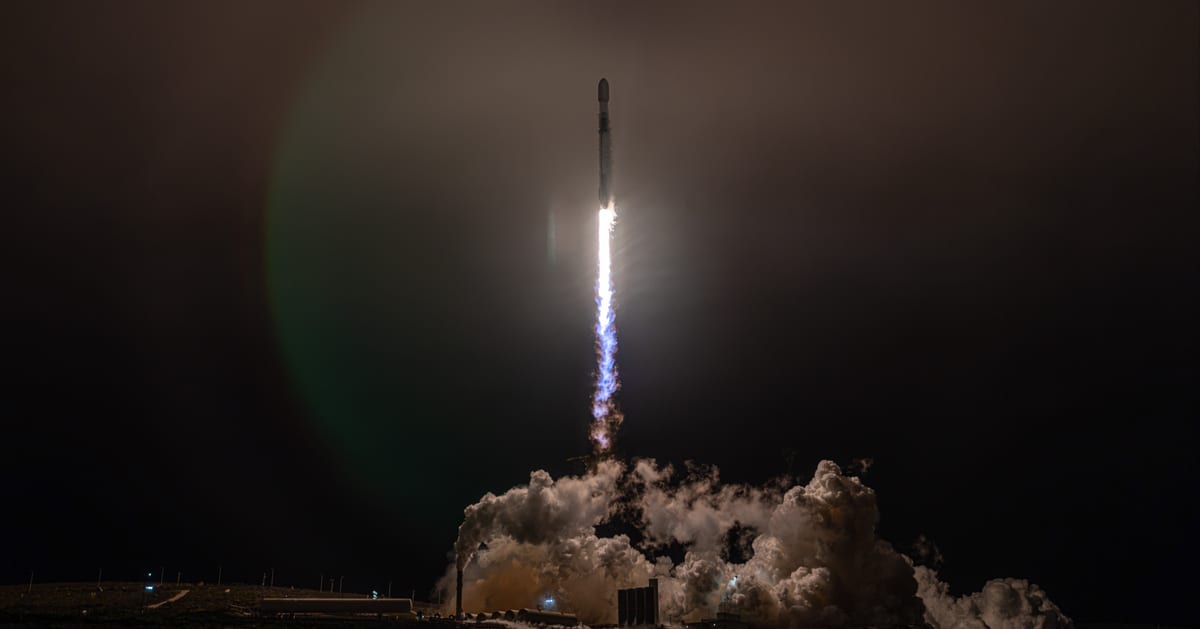
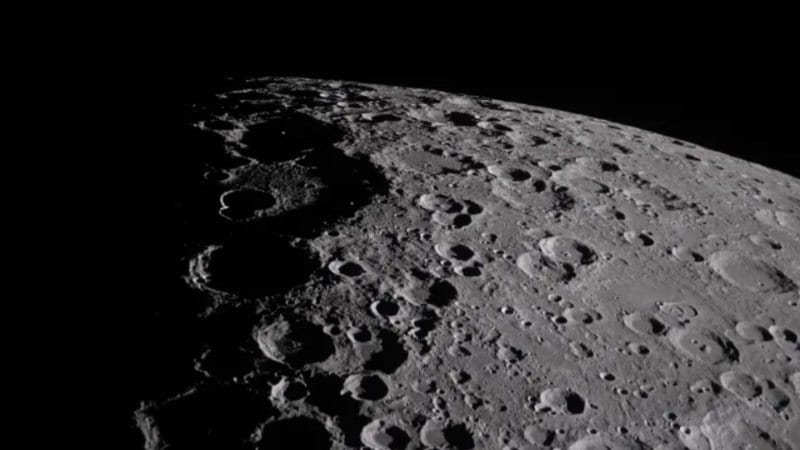
These observations were made by the crew on the sixth day of the mission, which launched on April 1 from the Kennedy Space Center. On the sixth day, the crew completed the lunar flyby and came within 4,067 miles of the Moon’s surface during the closest approach. The astronauts also documented the ‘terminator’—the boundary between the day and night sides where the low-angle sunlight revealed the topography of the Moon in great detail. “The terminator is the most striking thing that I’ve seen so far,” Victor Glover, pilot of Artemis II, said.
In the same report, NASA also revealed that the four astronauts saw impact flashes resulting from meteoroids striking the lunar surface. Artemis II commander Reid Wiseman, Victor Glover, and mission specialist Jeremy Hansen saw a total of five flashes, which was later confirmed by the Lunar Science Team at NASA’s Johnson Space Center. “The crew’s direct observations of this process on the Moon’s far side provided a rare dataset that will help us understand how often these small impacts occur, which is essential for assessing long-term risks to future lunar habitats and infrastructure,” NASA said.

The Artemis II mission was the first crewed lunar endeavor since 1972, when NASA launched Apollo 17—the final mission of the Apollo program. The Orion spacecraft carrying four astronauts traveled 252,756 miles from Earth, breaking Apollo 13’s 56-year-old record. The mission spanned a total of 9 days, 1 hour, and 32 minutes, clocking in 694,481 miles in total. Among other firsts were Glover being the first person of color on a lunar mission, Koch being the first woman, and Hansen being the first Canadian who flew to the Moon.
More on Starlust
President Trump awards NASA's Artemis II crew the Congressional Space Medal of Honor
How NASA's Artemis III mission differs from Artemis I, II and Apollo 9