NASA head to share updates on Artemis III and Artemis IV during live briefing on October 23

NASA officials will soon be sharing updates about the progress made on the crewed missions being developed under the Artemis program. The agency has scheduled a live press briefing on October 23 at the Kennedy Space Center in Florida, where officials will discuss the Artemis III and Artemis IV missions that are targeted for launch in 2027 and 2028, respectively. “The update will include details about NASA’s Artemis III mission that will send four astronauts to low Earth orbit next year to test critical systems needed for future lunar landings, and how plans to return American astronauts to the Moon by 2028 are progressing,” the agency said in a statement.
Join us on Oct. 23 for an update on our plans to return American astronauts to the Moon by 2028. NASA leadership will also give details on the upcoming Artemis III mission to test critical systems needed for future Moon landings. https://t.co/m8VK2JC6n3 https://t.co/m8UCnP9suT
— NASA (@NASA) October 14, 2026
While Artemis III will be an Earth-orbit technology demonstration, we will see American astronauts walk on the Moon for the first time since 1972 during Artemis IV. NASA Administrator Jared Isaacman will lead the briefing with Deputy Associate Administrator Amit Kshatriya and Artemis Program Manager Jeremy Parsons. The conference will begin at 2 pm EDT, and you can stream it live on X, Discovery+, Amazon Prime, YouTube, and NASA+.
NASA’s plan for Artemis III and Artemis IV
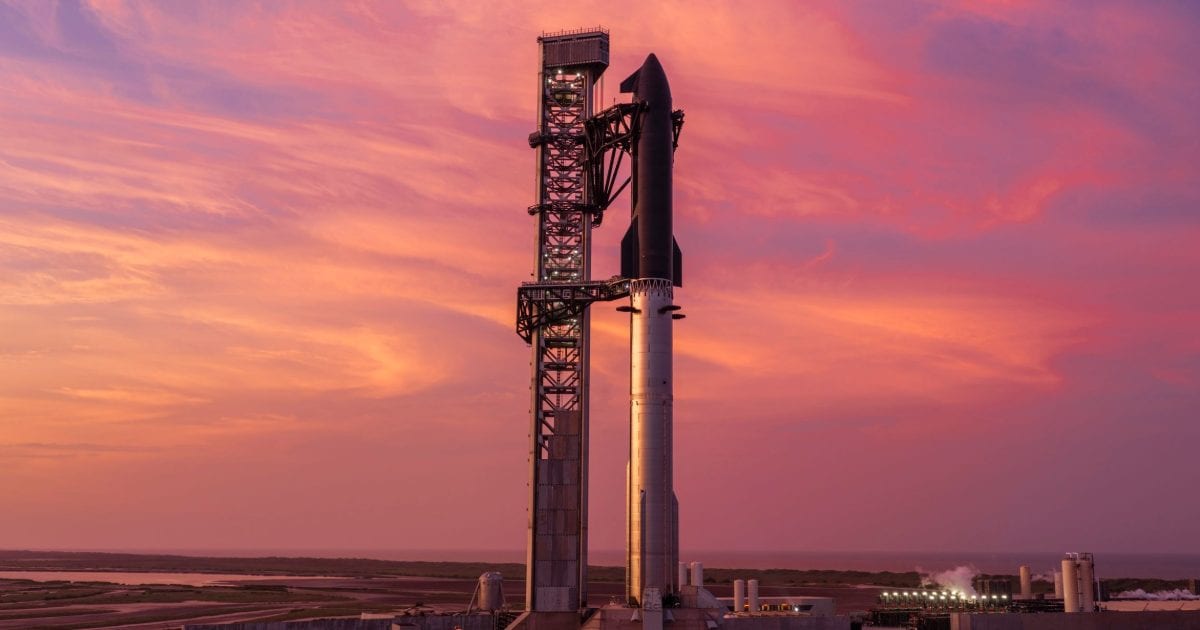
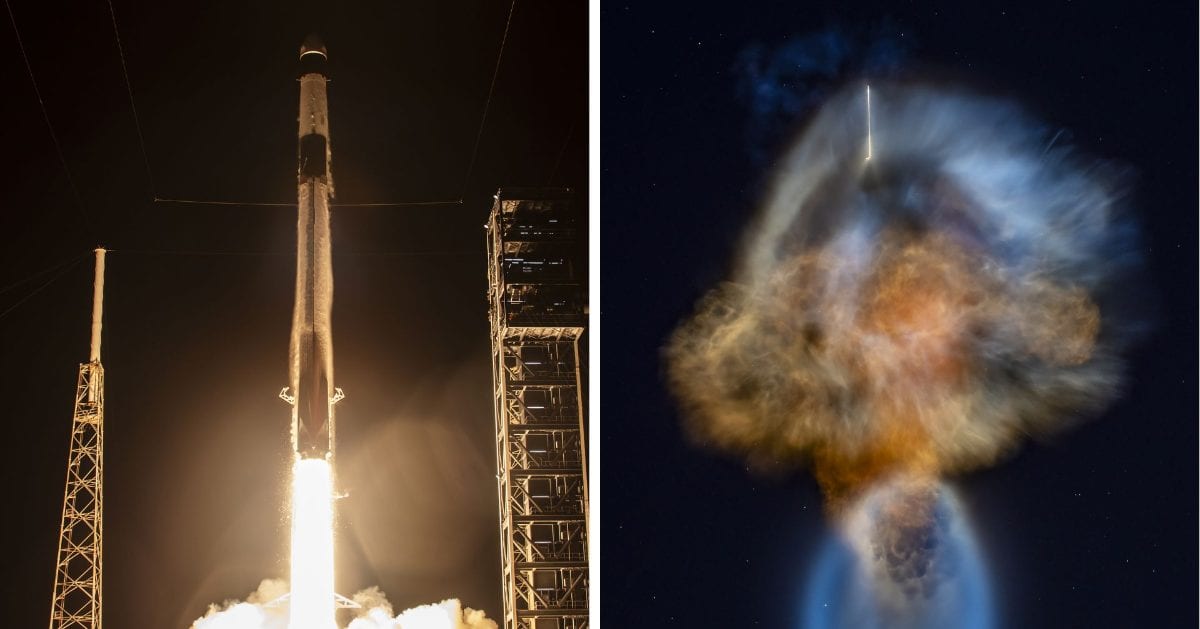
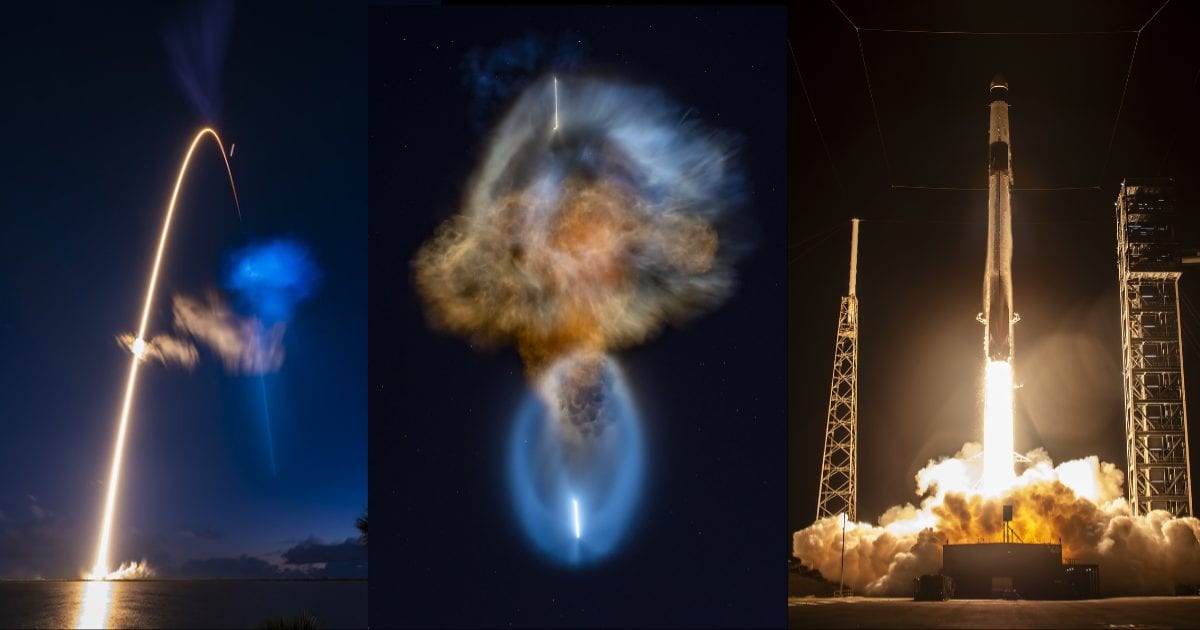
Artemis III is a crewed demonstration mission that has four members—NASA astronauts Randy Bresnik, Frank Rubio, Andre Douglas, and ESA’s Luca Parmitano, with Bob Hines as the backup astronaut. According to the preliminary mission plan, the four astronauts will launch atop the Space Launch System (SLS) inside the Orion spacecraft to low Earth orbit. For Artemis III, NASA has made a major change to the rocket. Since the crew is not going to the Moon, the interim cryogenic propulsion stage, or ICPS (the second stage) that pushes the spacecraft on a lunar trajectory, will be replaced with a ‘spacer’. This element will have the same dimensions as the ICPS and will ensure the rocket maintains its structure and launches like the vehicles on previous missions.
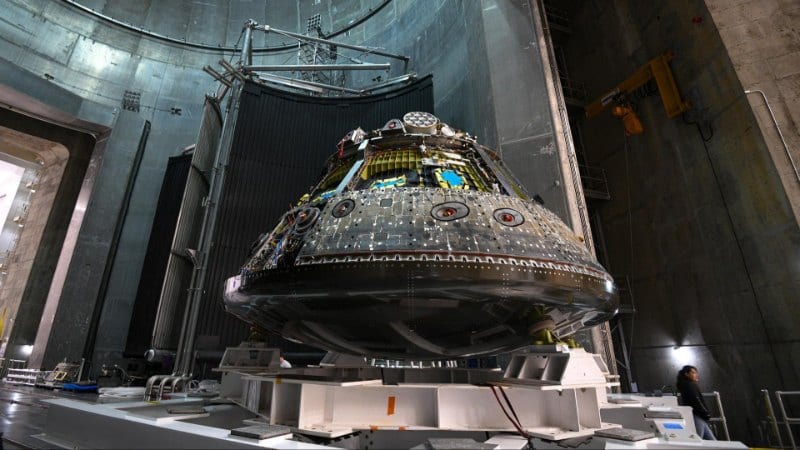
The objective of Artemis III is to test the docking of Orion with commercial landers being built by SpaceX (Starship) and Blue Origin (Blue Moon Mark 2). Both companies are building human-rated landers under multibillion-dollar contracts awarded by NASA. The agency says that the astronauts will enter at least one lander by either SpaceX or Blue Origin when Orion docks with it in orbit. During the mission, the four astronauts are also expected to spend more time inside Orion than the crew did on Artemis II, which lasted 9 days, 1 hour, and 32 minutes. Artemis III will also involve three rocket launches, with the other two launching the respective commercial lander test articles.
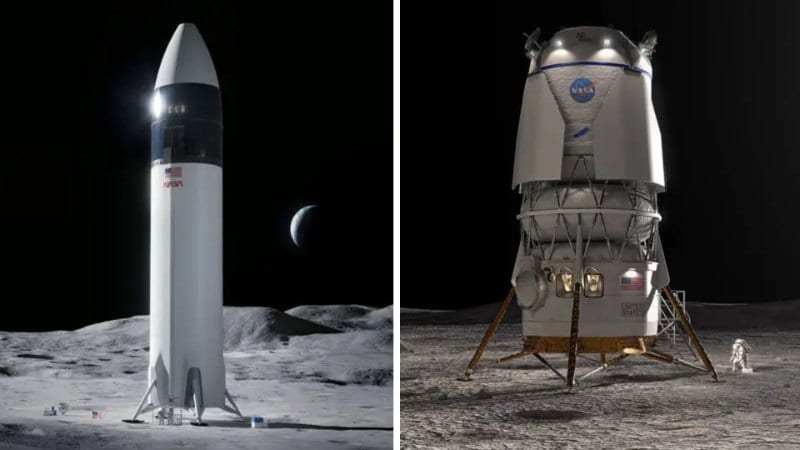
Artemis III was initially a Moon landing mission, but it was altered to test the critical docking maneuvers that will help land astronauts on the Moon. If it goes as planned, the method will be applied in lunar orbit as well. One of the private landers will be waiting in the Moon’s orbit for Orion to arrive, and when the two dock, the astronauts will switch vehicles and the lander will take them to the lunar surface. Interestingly, Administrator Isaacman has previously said NASA could attempt a second crewed landing on the Moon during Artemis V in 2028 itself. But this requires that the agency and its partners avoid unnecessary delays. Last month, Isaacman reportedly noted that Artemis III was roughly 90 days behind schedule.
More on Starlust
Artemis II astronaut Christina Koch steps away from spaceflight as she takes on new role at NASA
NASA confirms Artemis II crew saw five lunar impact flashes—‘Most ridiculous thing I’ve ever seen’