Don't miss Draconid and Orionid meteor showers this October: Here are peak timings and viewing tips
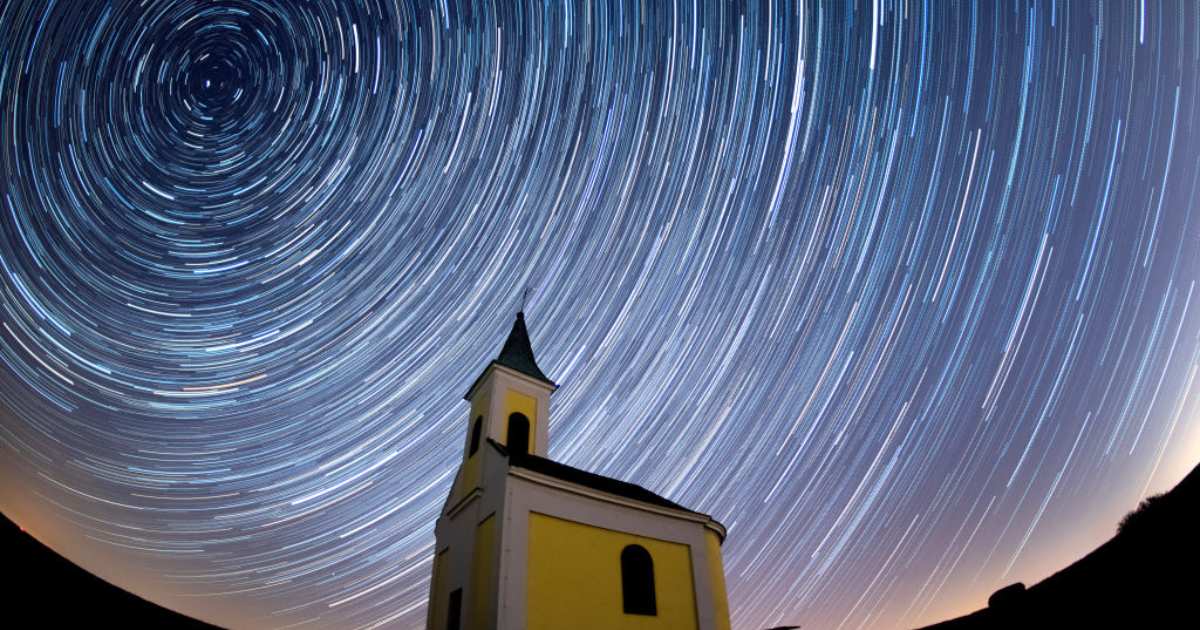
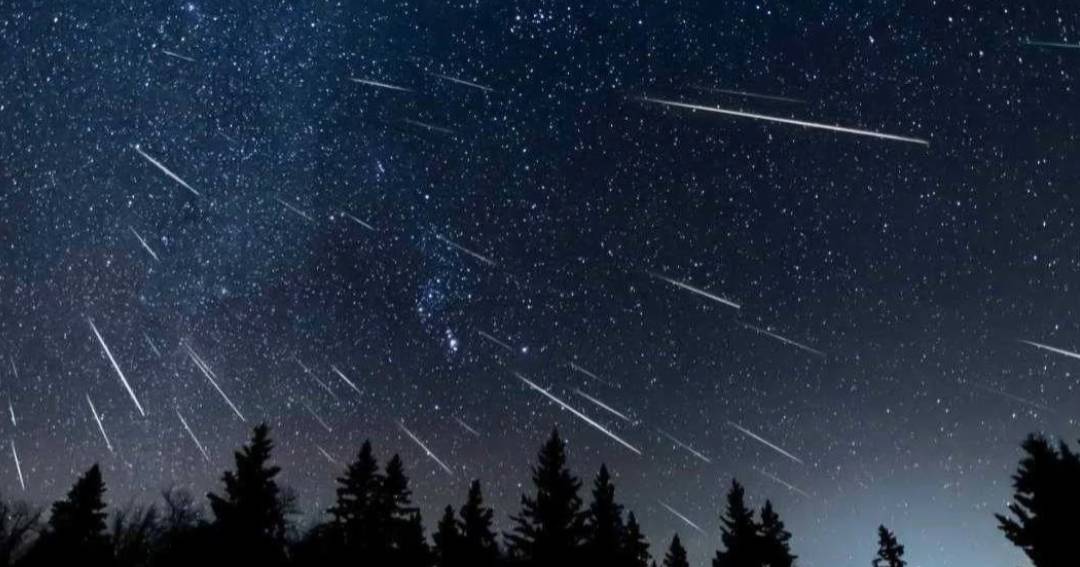
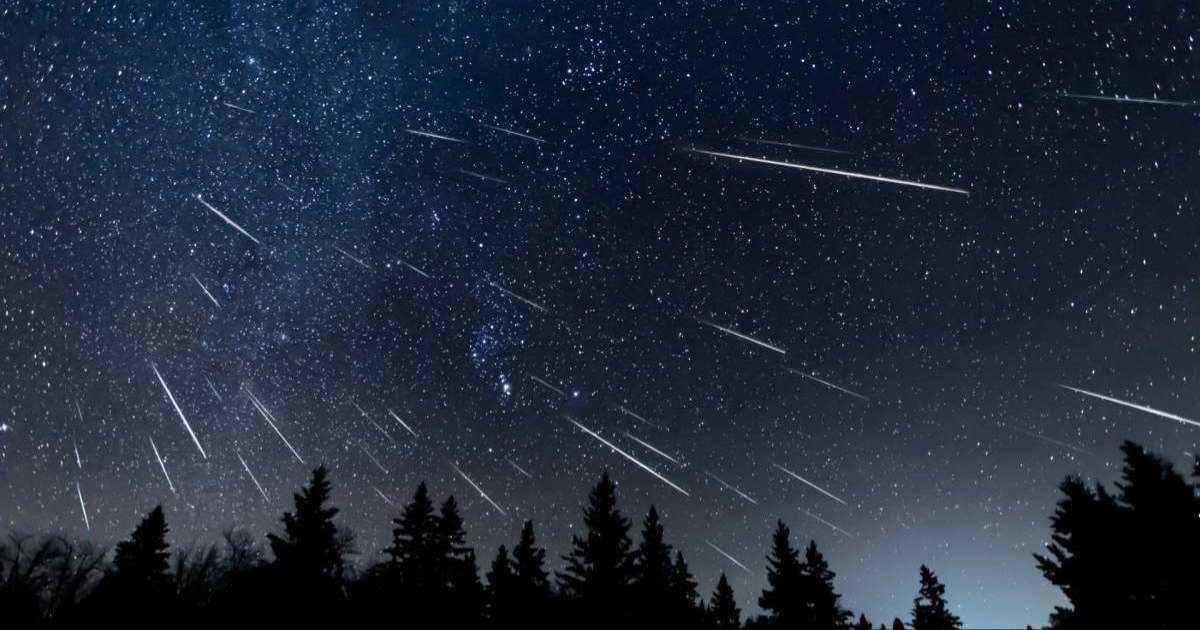
The month of October has a couple of meteor showers in store—the Draconids, peaking on October 8-9, and the Orionids, peaking on October 21-22. Both the events would be enthralling for skywatchers, although the Orionids may be tougher to spot than the Draconids, as moonlight may interfere with the visibility of the former.
Draconid meteor shower 2026
The name "Draconid" originates from the constellation Draco, the Dragon, where the shower’s radiant is located. This meteor shower is produced when the Earth travels through the dust debris left by the small, periodic comet 21P/Giacobini-Zinner. Even though the Draconids are not considered among the most prominent meteor showers of the year, the viewing conditions this year are going to be favorable because the peak of the shower is around the New Moon phase on October 10, resulting in minimal interference from moonlight, which will make it easier to spot.
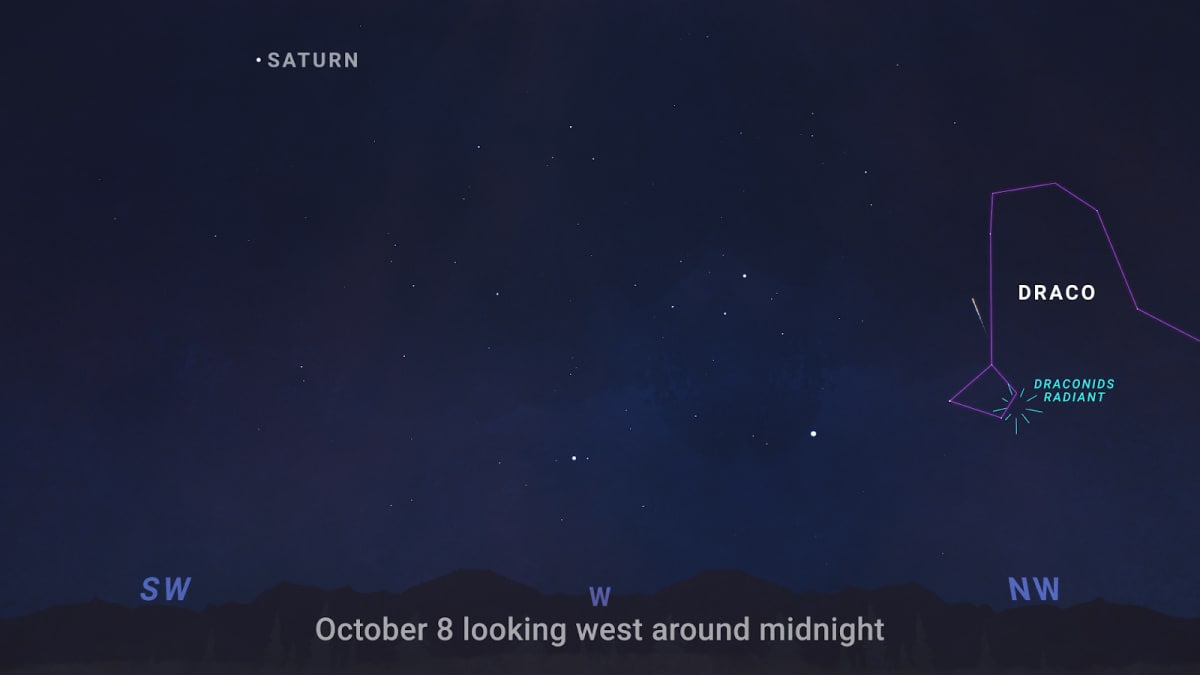
When to watch the Draconid meteor shower 2026
The Draconids will be visible from October 6 to 10. According to NASA, the best time to spot the shower will be the peak period, starting approximately at 9 p.m. EDT on the evening of Thursday, October 8, and lasting until the early morning of Friday, October 9.
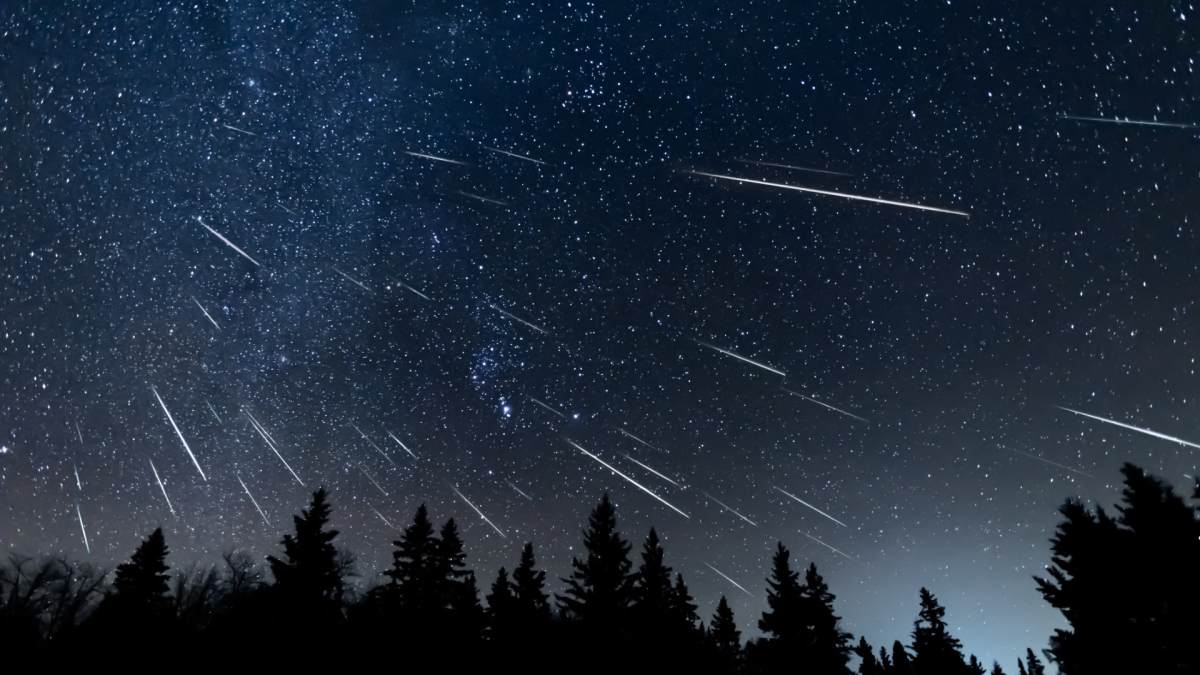
Where to watch the Draconid meteor shower 2026
According to Time and Date, this meteor shower offers the most ideal view from the Northern Hemisphere, where the shower's radiant is located. You can spot the Dragon's head by observing the star Vega, with a set of four stars forming a square-shaped structure nearby. Eltanin and Rastaban, two of the most prominent stars, form the eyes of the Dragon. Also, the tail of Draco can be observed amidst the Big Dipper and Little Dipper.
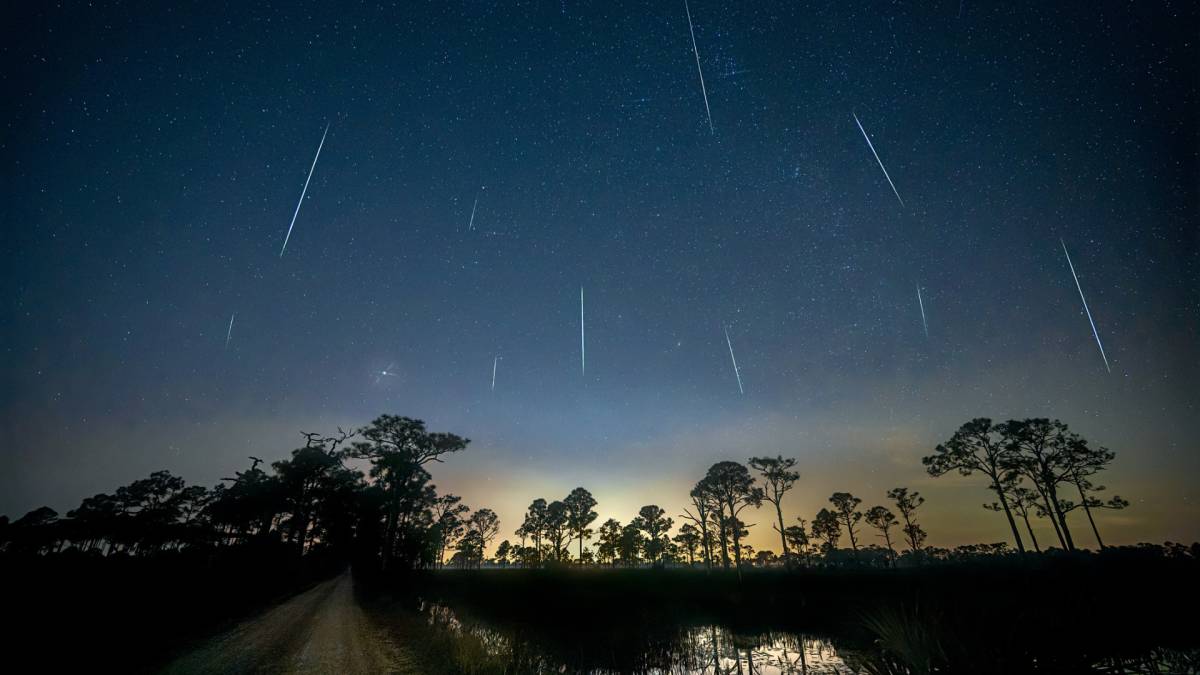
Orionid meteor shower 2026
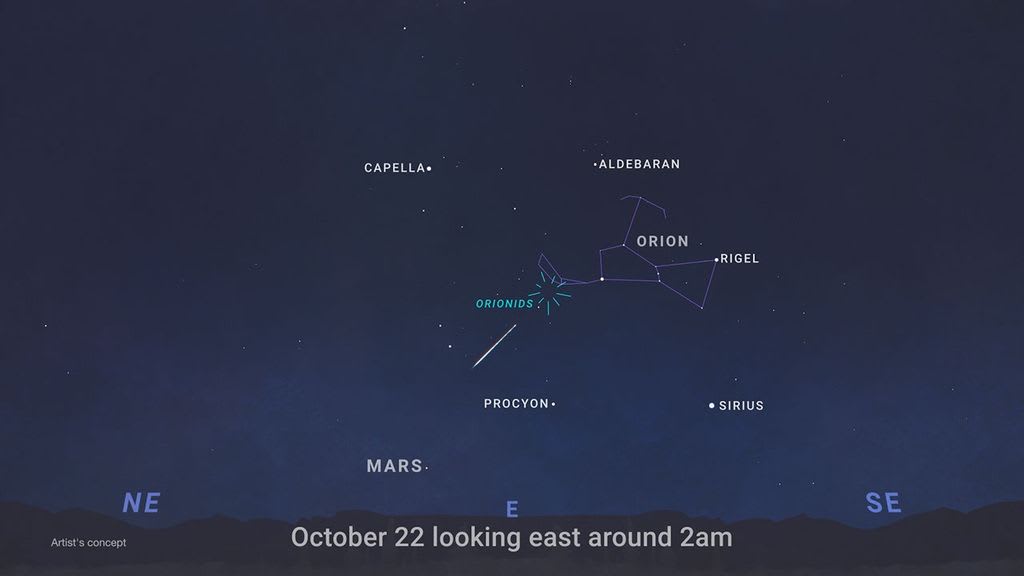
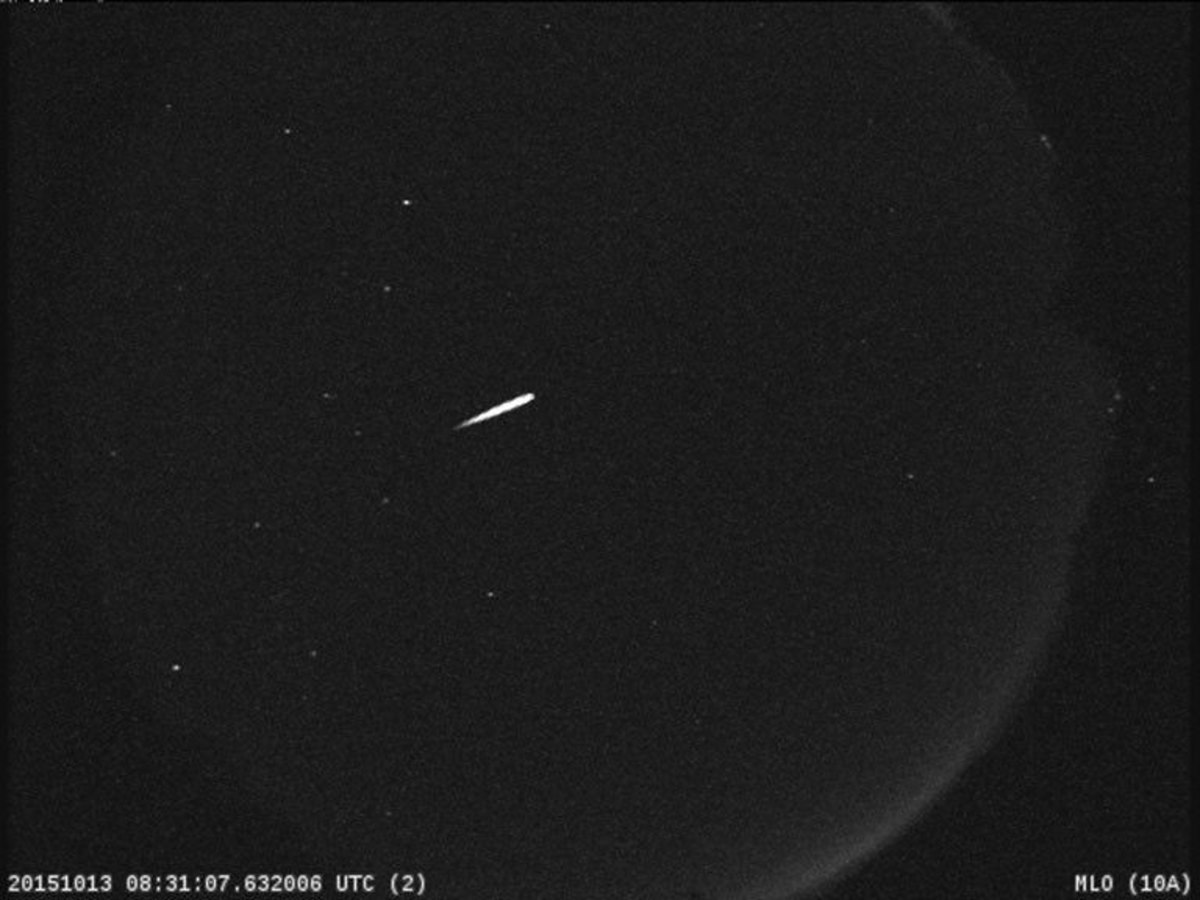
The Orionid shower is formed from the debris of Halley's comet, and the name of the shower originates from its radiant, adjacent to the constellation Orion, the hunter. This year, the Moon, which will be seen in a waxing gibbous phase, may obscure some of the fainter streaks of the shower. When it is at its peak, skywatchers may see 3-6 meteors an hour in suburban areas with some ambient light. You may even get to see a few more if you can find a darker area.
When to watch the Orionid meteor shower 2026
The shower is visible from October 2 to November 7, with the peak period occurring on October 21-22. You can catch the best view during the hours before dawn—when the Moon sets around 3 a.m. local time and the radiant goes higher in the night sky.
Where to watch the Orionid meteor shower 2026
The Orionids can be seen in both the Northern and Southern Hemispheres. The meteor lights will appear to originate from the region of the Orion constellation, located in the east after midnight. You can catch meteors radiating from this region in all directions.
No special equipment required
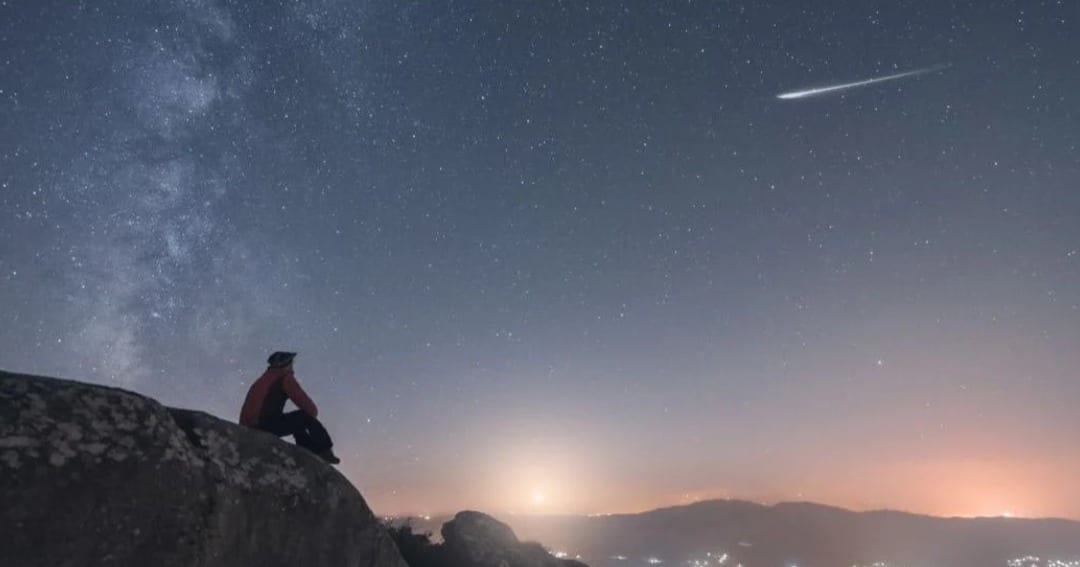
Perhaps the best part about meteor showers is that you don't need any special equipment to view them. For the best viewing experience, decide on a secluded spot located far from the city lights, allow your eyes to adjust to the dark for around 15 to 20 minutes, and enjoy the show.
More on Starlust
October's Full Moon 2026: Peak date, city-wise timings and viewing tips for Hunter's Moon
When and where to watch the next 5 total lunar eclipses in the U.S.: Dates and city-wise timings