Spot Capella, Arcturus and Sirius: 3 bright stars are dazzling the October night sky

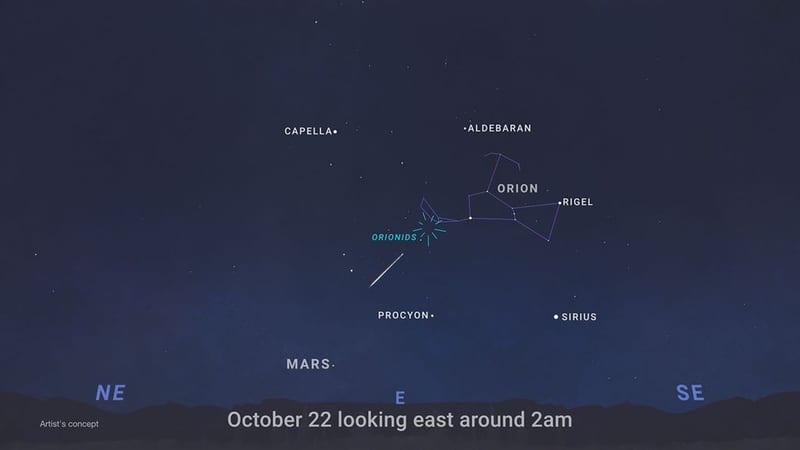
October has been an eventful month for skywatchers, featuring meteor showers and celestial alignments taking place in quick succession. But if you tend to look up at the sky even when there's no big celestial event scheduled, you might have noticed Capella, Arcturus, or Sirius—three of autumn's brightest stars. And if you haven't, here's a guide for your convenience.
Capella: The colorful star of the northeastern sky
This flashy star, also called the Goat Star, is the brightest star in the pentagon-shaped constellation Auriga. Its name in Greek implies 'little she-goat'. The star shines with a magnitude of 0.24, as per EarthSky, which makes it one of the brightest stars in the night sky.
Where to spot Capella in October
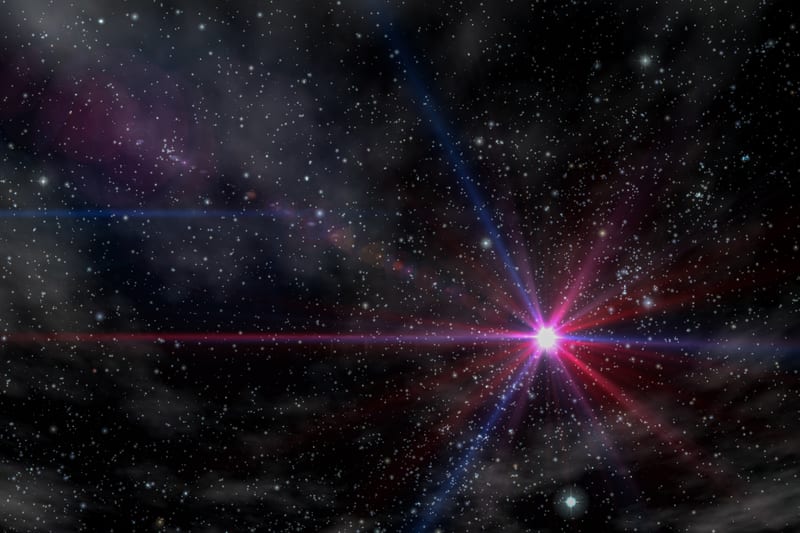
Viewers from Northern Hemisphere latitudes can spot Capella by looking at the northeastern sky during the evening hours in October. Its light may appear to flicker in shades of red and green when the star is low above the horizon. That's because the light from the star has to travel through more of Earth's atmosphere when it's low on the horizon. The twinkling star usually lies near a triangle of stars named 'The Kids'.
Arcturus: An orange-colored flashing star
The brilliant star Arcturus lies in the constellation Boötes, the Herdsman. It gets its name from its Greek meaning, 'keeper or guardian of the bear', in reference to its location in the vicinity of the tail of the constellation Ursa Major (the Great Bear), according to Space.com. Its orange hue distinguishes it from many of the blue-white stars visible in the night sky.

Where to spot Arcturus in October
Arcturus can be found in the northwest early on October evenings. To spot the star, first trace the Big Dipper and locate the three stars in its curved handle. Follow the curve of those stars away from the Big Dipper for about 30 degrees (your fist held at arm's length against the sky measures about 10 degrees), and you’ll reach Arcturus. Keep in mind that while Capella stays up throughout the evening, Arcturus goes down soon after sunset.
Sirius: The brightest star in the night sky
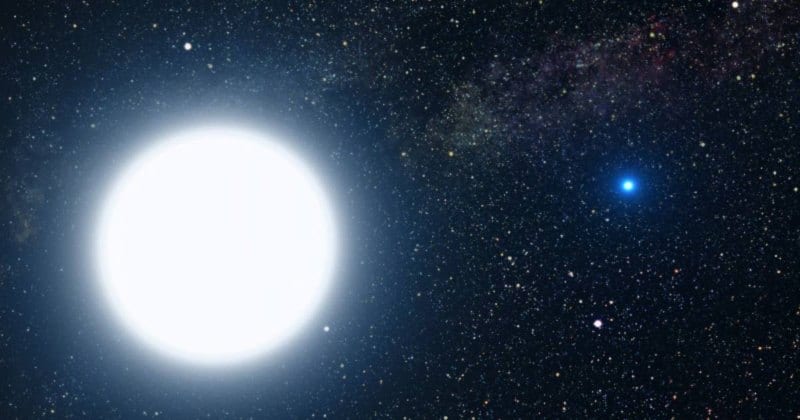
Sirius, also known as the 'Dog Star,' is the brightest star in Earth's night sky, lying just 8.6 light-years away in the constellation Canis Major. It outshines all the other stars in the night sky other than the Sun. The name 'Sirius' is derived from the Greek word for 'glowing,' which perfectly describes this brilliant beacon, which, like Capella, is famous for shining in different colors.
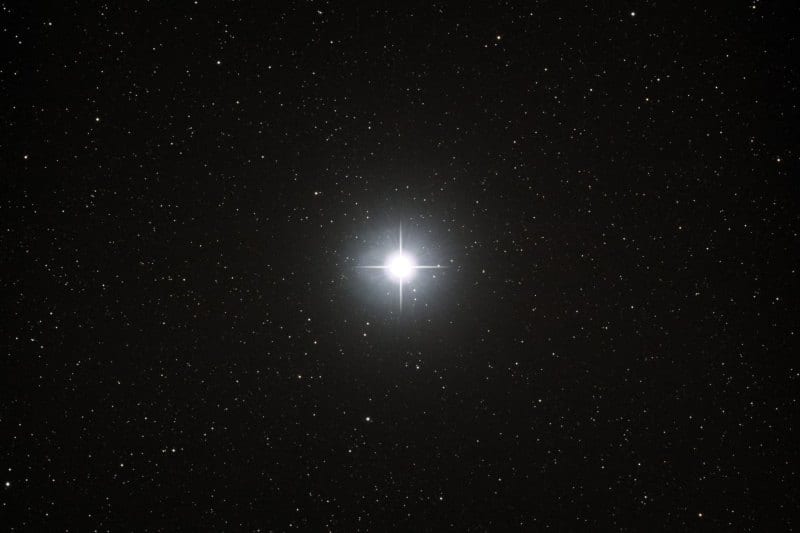
Where to spot Sirius in October
Unlike Capella and Arcturus, Sirius is best sought in the hours after midnight and before dawn during October in the Northern Hemisphere. Look toward the southern sky and use Orion's Belt as a guide: draw an imaginary line through the belt points, and you'll find the star below it about 20 degrees to the left.
More on Starlust
The Moon will pass close to a giant red star on October 14—here's how to spot it
NASA astronaut shares stunning auroras views from ISS amid geomagnetic storm warning in U.S.