October's Full Moon 2026: Peak date, city-wise timings and viewing tips for Hunter's Moon
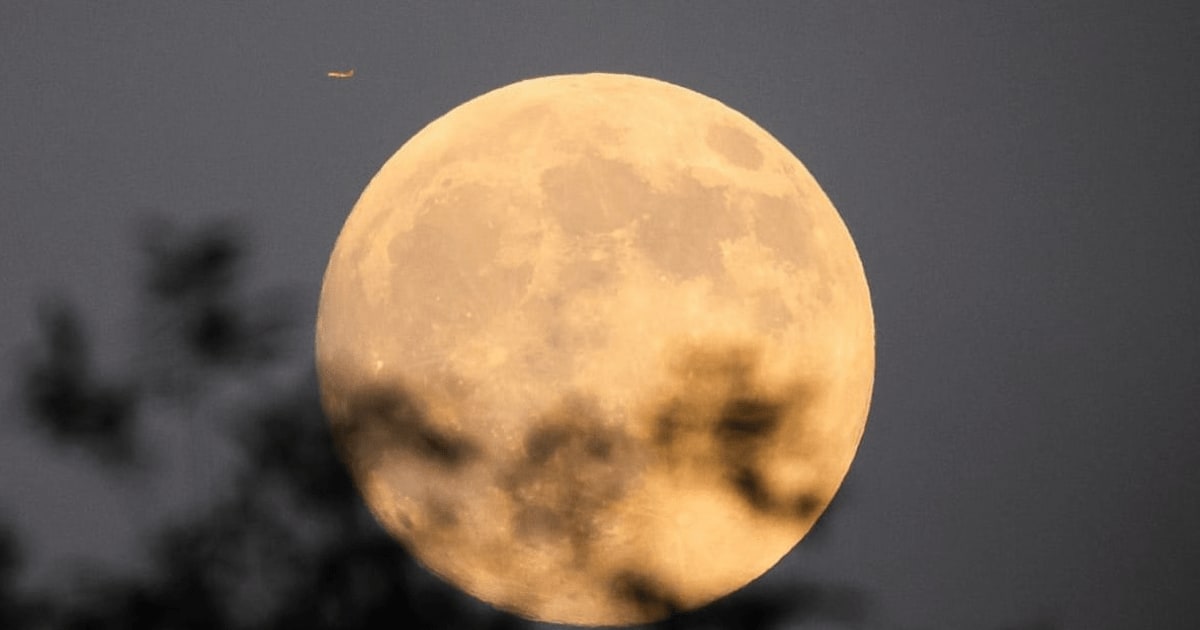
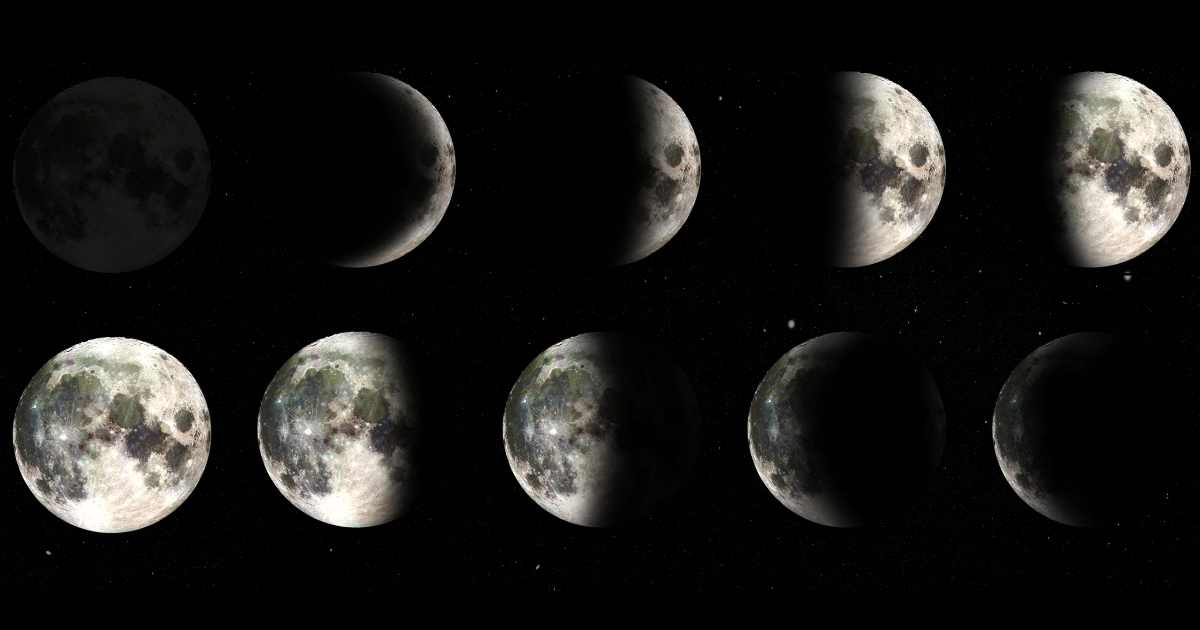
A Full Moon will be lighting up the night sky on October 26, attaining peak illumination at 12:11 a.m. EDT, when the Moon is positioned directly opposite the Sun in Earth's sky.
When to watch the October Full Moon 2026?
While the Full Moon will reach peak illumination shortly after midnight on October 26, there's really no need to stay up till then. That's because the Moon will appear full to the naked eye for a couple of days around October 26. But do make a note of the moonrise timing in your area on the day, as that will be the best time to view the Full Moon.
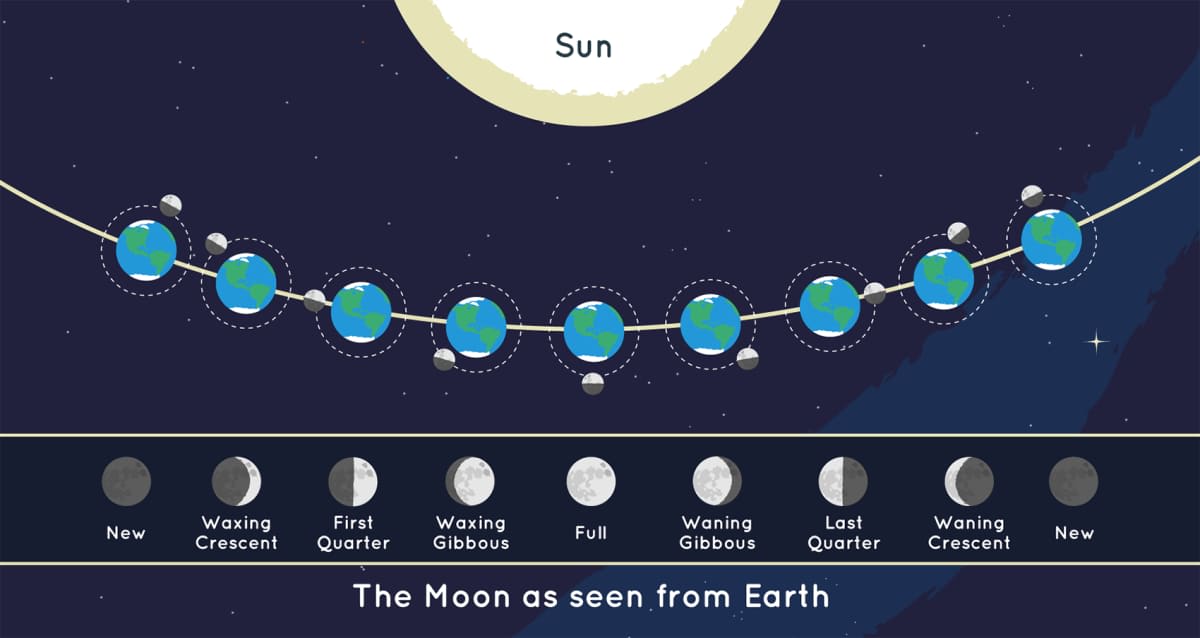
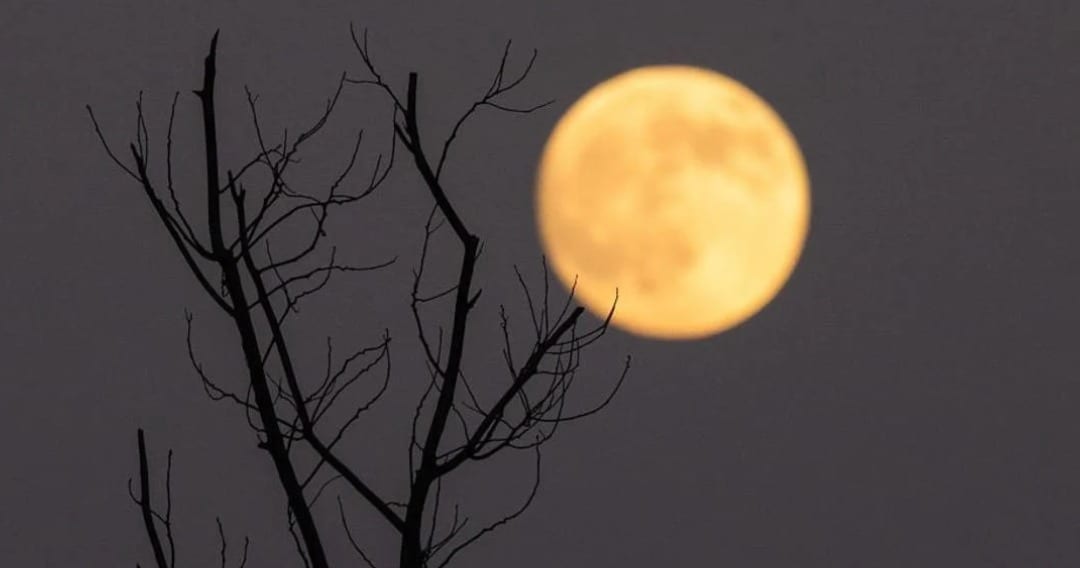
When the Full Moon—also called the Hunter's Moon this time of the year—rises on the eastern horizon after sunset, it will take on a yellow-orange hue. This happens because the blue wavelengths of the Sun's light reflected off its surface undergo scattering while traversing through Earth's dense atmosphere near the horizon, leaving out the yellow and orange wavelengths in the light. Skywatchers will also experience the "Moon illusion" around this time—a psychological phenomenon which causes the Moon to appear much larger when it's near the horizon. The table below contains October 26 moonrise and moonset timings for five major cities in the U.S. If you do not find your city listed here, head to Time and Date for the timings.
| U.S. City | Moonrise Time | Moonset time |
| New York | 05:58 p.m. EDT on Oct. 26 | 09:14 a.m. EDT on Oct. 27 |
| San Francisco | 06:25 p.m. PDT on Oct. 26 | 09:28 a.m. PDT on Oct. 27 |
| Los Angeles | 06:17 p.m. PDT on Oct. 26 | 09:00 a.m. PDT on Oct. 27 |
| Seattle | 05:53 p.m. PDT on Oct. 26 | 10:06 a.m. PDT on Oct. 27 |
| Boston | 05:41 p.m. EDT on Oct. 26 | 09:07 a.m. EDT on Oct. 27 |
How to photograph the Hunter's Moon from the U.S.
The Full Moon phase during October is a great opportunity to image the Moon with a DSLR camera and a telephoto lens because the shadows that mark the lunar surface during other phases temporarily disappear. Use a tripod and a remote shutter to avoid camera shake. Space.com recommends a lens with a focal length of 12-50 mm for taking landscape shots and a 400 mm lens for capturing detailed pictures of the lunar surface.
What you can see on the October 26 Full Moon
These are the different features you can spot on the Full Moon on the day using the naked eye, binoculars, or a telescope, per NASA's Daily Moon Guide.
Naked eye: Since the Moon is full, the features that are most evident with the naked eye would be the large dark lunar plains, or maria, such as Mare Imbrium, Mare Serenitatis, and Mare Tranquillitatis. You can also spot prominent craters such as the Tycho crater and the Copernicus crater.
Binoculars: Using binoculars will help you catch craters and mountain ridges that are difficult to distinguish using the naked eye, such as the Clavius crater, Alphonsus crater, and the Apennine Mountains.
Telescope: A telescope will further enhance the experience and will allow you to spot the various Apollo landing sites.
Why is the October Full Moon called the Hunter's Moon?
The name Hunter's Moon for the Full Moon in October follows the Harvest Moon, around which farmers traditionally finished harvesting their fields. With the crops gone, hunters could track and catch animals more easily in the open landscape, according to the Old Farmer's Almanac. This led it to be called the Hunter's Moon.
Native Americans traditionally named the October Full Moon to reflect events in autumn, such as the Drying Rice Moon, Falling Leaves Moon, and Freezing Moon. The Celts from central and western Europe followed a similar practice by naming it the Seed Fall Moon. In addition, names like Pagan Blood Moon or Sanguine Moon have also been used by people having pagan beliefs, according to Time and Date.
More on Starlust
Next five total solar eclipses after August 2026: Dates, city-wise times and how to watch
When and where to watch the next 5 total lunar eclipses in the U.S.: Dates and city-wise timings