Sun erupts with multiple solar flares, triggering geomagnetic storm and aurora forecasts for June 4-5
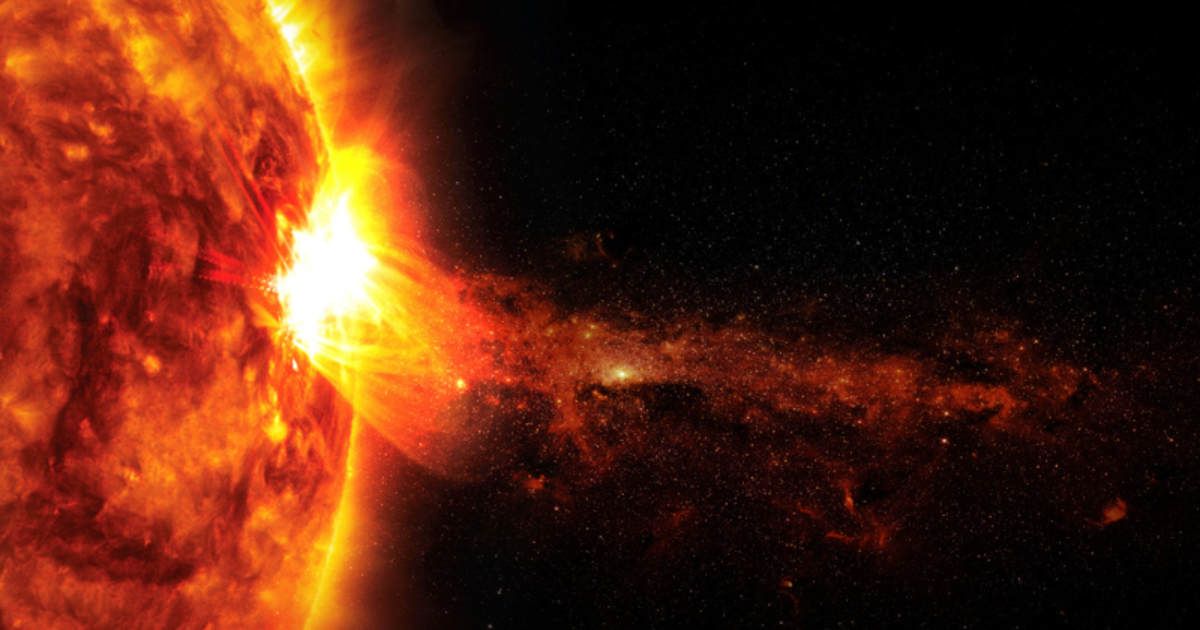
The Sun erupted with three powerful solar flares in less than 24 hours, launching multiple coronal mass ejections (CMEs) towards the Earth in the process. The origin of all three eruptions is the Earth-facing sunspot region 4455.
The current forecast calls for combined CME arrival around mid-afternoon EDT of June 4, with up to G3 levels possible afterwards. CME passage would likely continue into the evening and possibly overnight hours of June 5. Stay aware at https://t.co/TV7Yw6Lq1Y pic.twitter.com/1DzGfhbAxx
— NOAA Space Weather Prediction Center (@NWSSWPC) June 4, 2026
The sequence began with an M9.3 solar flare that peaked at 9:36 PM EDT on June 2. It was followed by an M7.9 flare at 3:00 AM EDT and finally by an X1-class flare several hours later at 7:28 AM EDT on June 3. The eruptions triggered radio blackouts all over. The initial M9.3 solar flare set off a moderate R2 radio blackout in Australia and East Asia, while the M7.9 flare had the same effect in regions of Europe and Africa. As for the X1 flare, it had the biggest impact of the three, triggering an R3 radio blackout in parts of Asia and Europe.
Region 4455 strikes again! M9.3-flare (nearly an X-flare) with a high R2-level radio blackout now! Expect degraded radio communications over next hour, especially Asian Pacific, India, Asia, East Africa, Alaska & Hawaii (colored areas in map). Region 4455 continues to grow in… pic.twitter.com/QyDi6cvNlQ
— Dr. Tamitha Skov (@TamithaSkov) June 3, 2026
According to NOAA's Space Weather Prediction Center (SWPC), as many as three CMEs have left the Sun since June 2. The first one was the broadest and probably has an Earth-directed component. While the other two are directed more northward, the third one is the fastest and has reportedly caught up with the second one and merged with it. This combined "Cannibal CME" is expected to hit Earth in the late hours of June 4 and 5, with the SWPC predicting the resulting geomagnetic activity to reach strong (G3) and even severe (G4) levels.

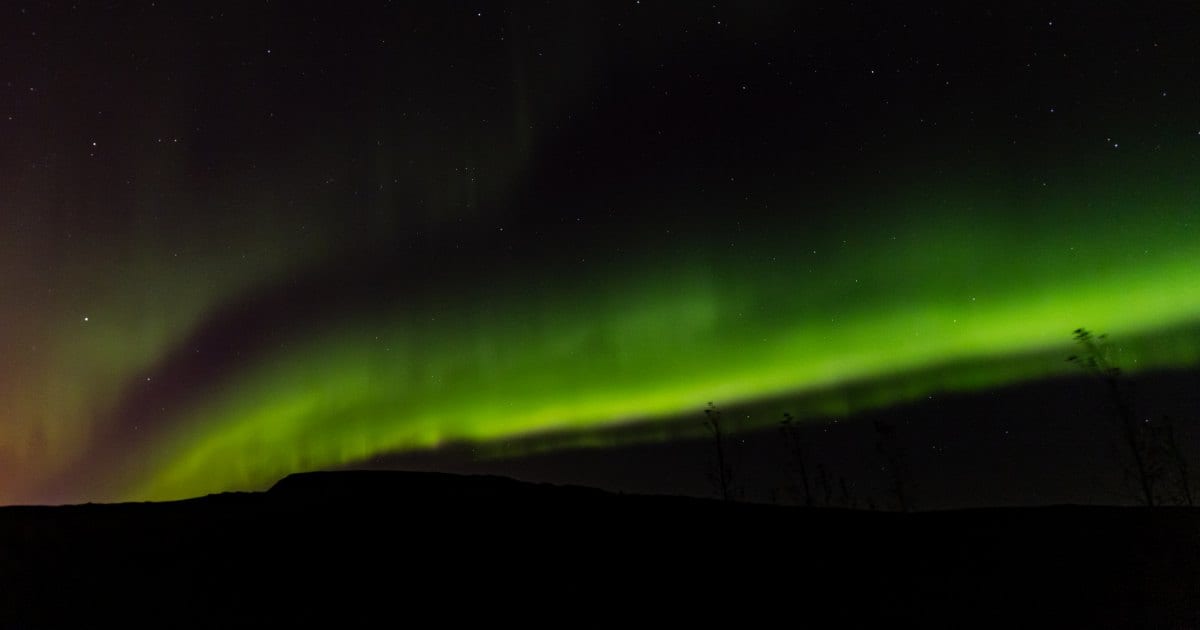
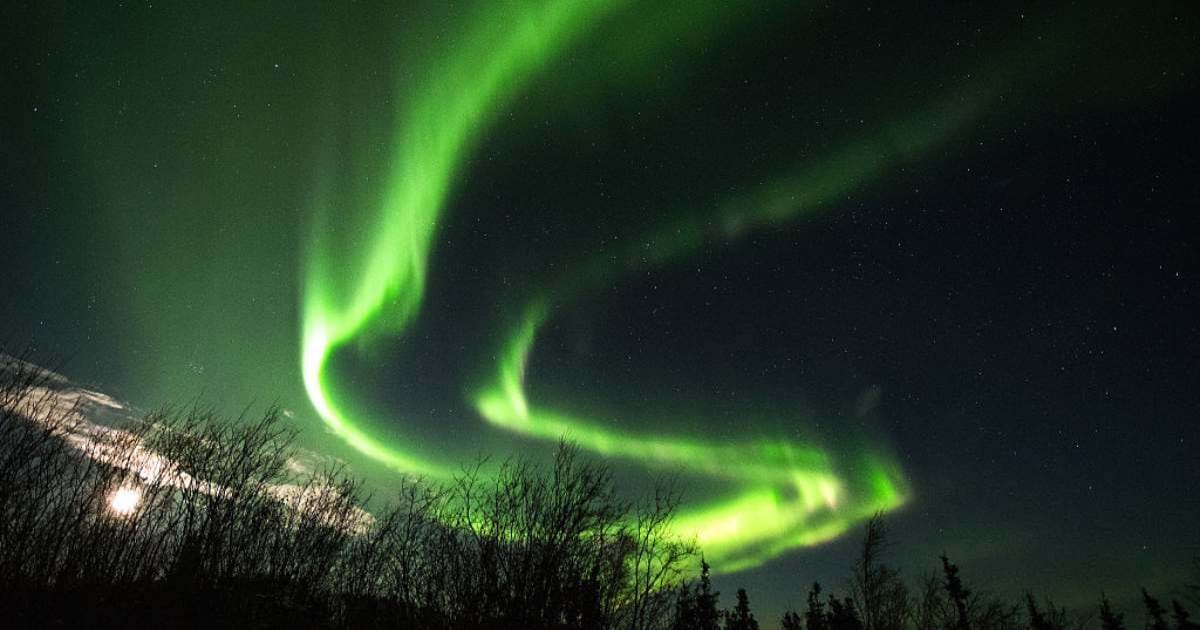
While geomagnetic storms can increase the drag on low-Earth orbit satellites and disrupt radio signals, what is quite literally "the bright side" is that Cannibal CMEs are good at producing both geomagnetic storms and auroras. U.S. states that could experience auroras include northern parts of Washington, Montana, Idaho, Wyoming, North Dakota, South Dakota, Minnesota, New York, Wisconsin, Maine, and Michigan. While northern states are the most likely to experience auroras, states farther down south may not be entirely out of luck. States such as Nebraska, Iowa, Rhode Island, Vermont, New Hampshire, Connecticut, Illinois, Indiana, Massachusetts, Ohio, and Pennsylvania could also get a chance to see their skies light up on June 4 and 5.
More on Starlust
How scientists traced an 800-year-old solar event using ancient trees and historical records
Scientists finally know whether the Sun's activity alters its oxygen levels
Dangerous solar storms can now be predicted up to two years in advance, thanks to new study