SpaceX launches Transporter-16 rideshare mission, putting 119 payloads in low Earth orbit
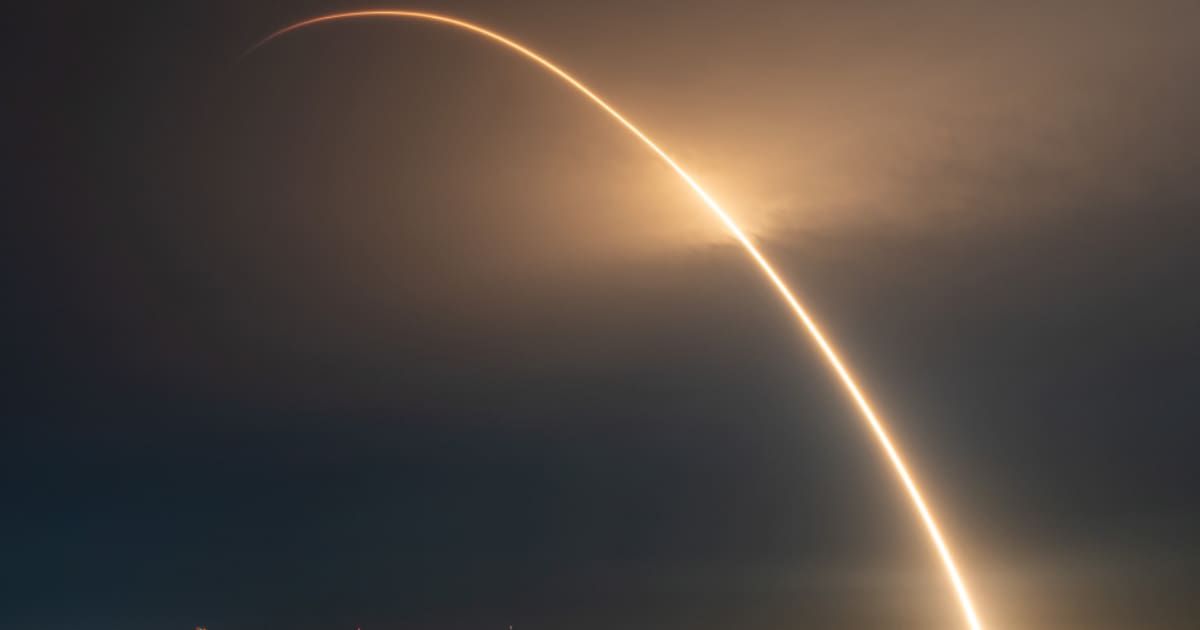
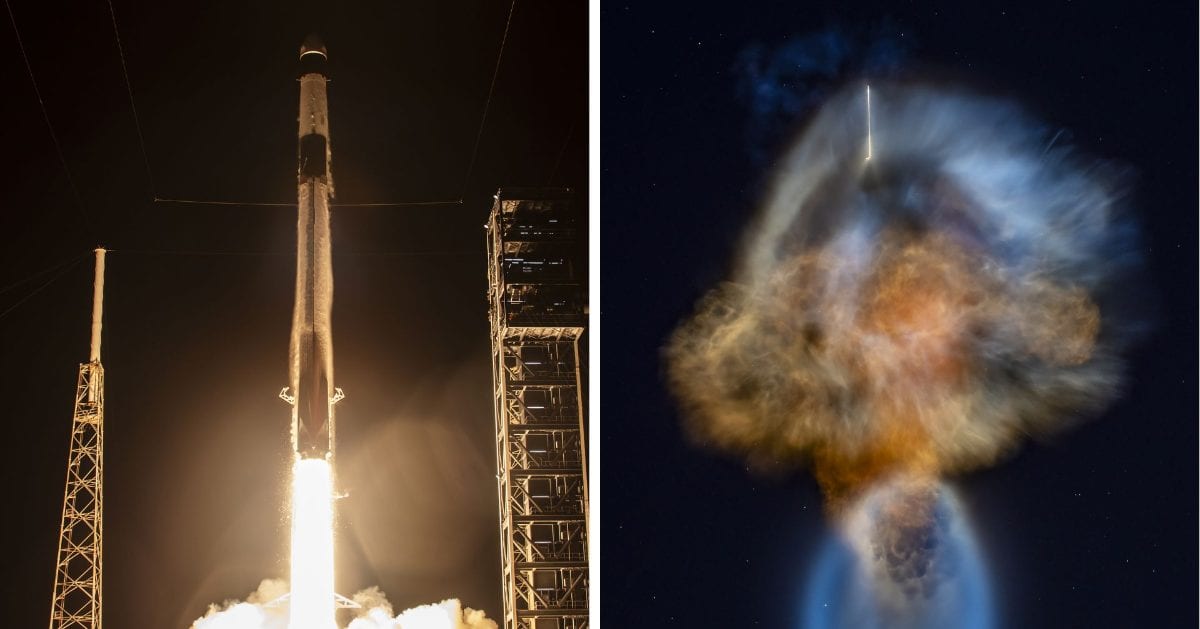
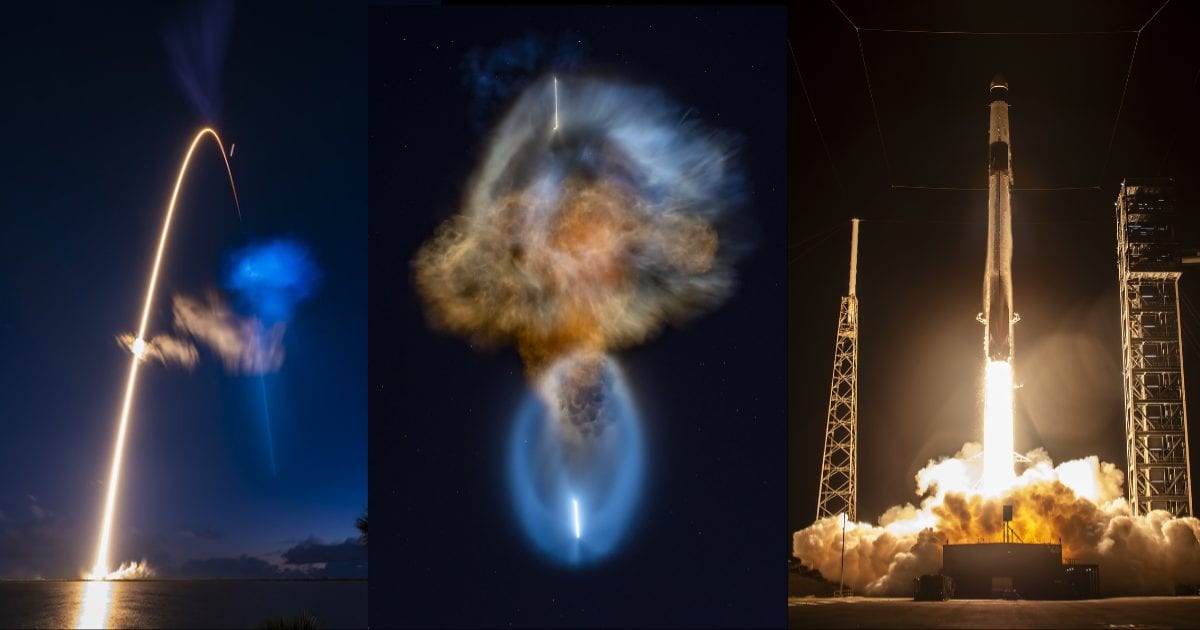
SpaceX, on Monday, launched the Transporter-16 mission carrying 119 payloads to low Earth orbit. Elon Musk's company also confirmed that the residents of Santa Barbara, San Luis Obispo, and Ventura counties in California may have heard a few sonic booms in the early hours of March 30, 2026, depending on weather conditions. This was because of the lift-off of the workhorse Falcon 9 rocket carrying the payloads from Space Launch Complex 4E at Vandenberg Space Force Base at 4:02 am Pacific time (7:02 am EDT).
Falcon 9 launches the 16th Transporter rideshare mission and delivers 119 payloads to orbit pic.twitter.com/h0e6dvxy8X
— SpaceX (@SpaceX) March 30, 2026
The objective of the mission, which falls under SpaceX’s Rideshare program, was to deliver a variety of payloads to their operational orbits. These included a few classes of small satellites known as CubeSats and MicroSats. Out of the 119 payloads delivered, eight will see deployment at a later stage. To achieve this, they have been carried in orbital transfer vehicles. Amongst the many payloads was also Italy’s IRIDE constellation satellites, which are meant for Earth observation, plus scientific payloads from other private entities such as Momentus, SEOPS, Exolaunch, Maverick Space Systems, Satellogic, and many more.
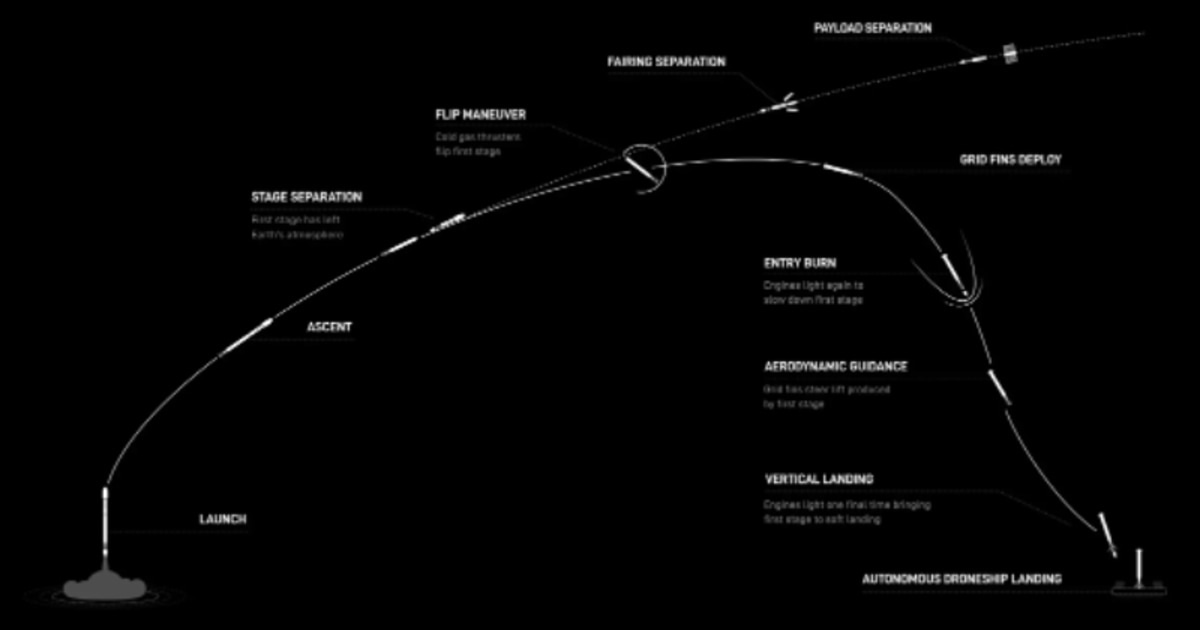
As for the launch vehicle used, Falcon 9 was employed for its well-replicated launch profile consisting of two stages. These lower, or first stage, returned to the Of Course I Love You droneship located in the Pacific Ocean. The deployment of the satellites into orbit worked the same way as a Starlink launch via Falcon 9, with the landing of the reusable first stage occurring roughly at the 8 minute 30 second-mark into the mission. The first stage had previously been used on 11 missions, having been employed for putting Space Development Agency’s Tranche 1 Transport Layer B and C missions, plus nine Starlink missions. The small satellites were released in batches as the second stage Merlin Vacuum engine fired and shut down multiple times.
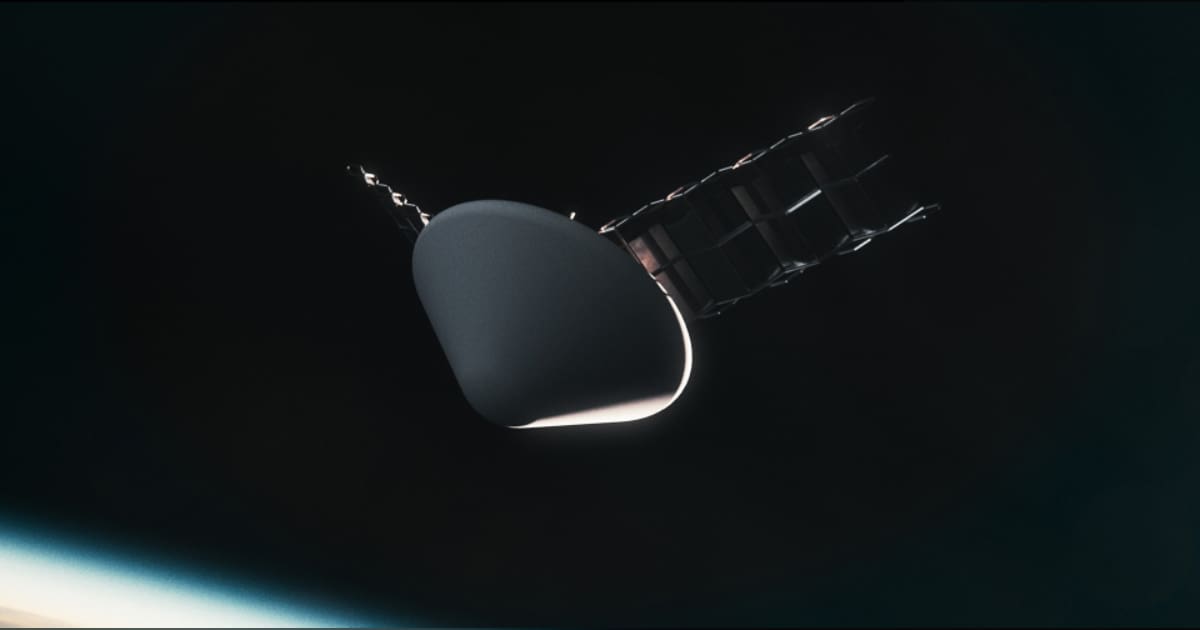
A re-entry vehicle was also part of the 119 payloads, according to SpaceX. This was the W-6 vehicle, developed by Varda Space Industries, testing next-generation thermal protection systems. Re-entry vehicles of another description are also being developed by Lux Aeterna, which recently secured funds amounting to $10 million for developing reusable satellites. This feature will allow payloads to re-enter Earth’s atmosphere without being destroyed, thanks to the heat-shield-bearing spacecraft. The Colorado-based company is just one of many new innovators within the aerospace industry that are challenging the long-held dominance of SpaceX, such as Vast that is working on a successor to the International Space Station after it de-orbits in 2030.
More on Starlust
How is Artemis II SLS rocket different from Apollo era's Saturn V and SpaceX's Starship?
ESA to launch dedicated SpaceX Crew Dragon mission to ISS in early 2028