Sunspot region 4366 erupts with yet another X-class solar flare, causes radio blackout
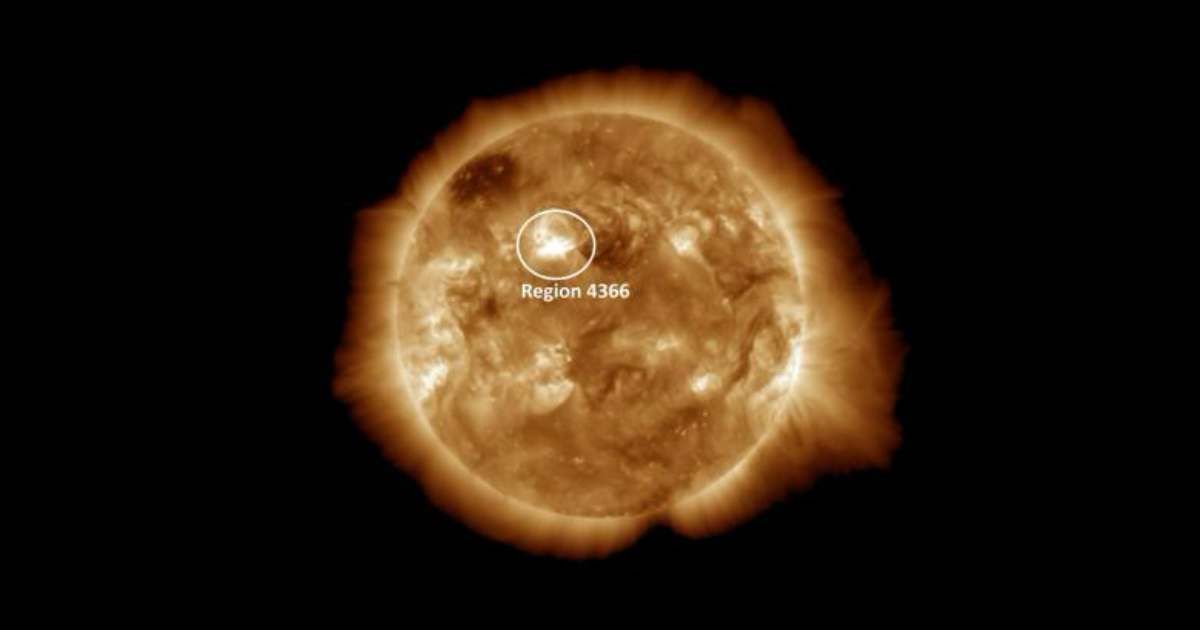
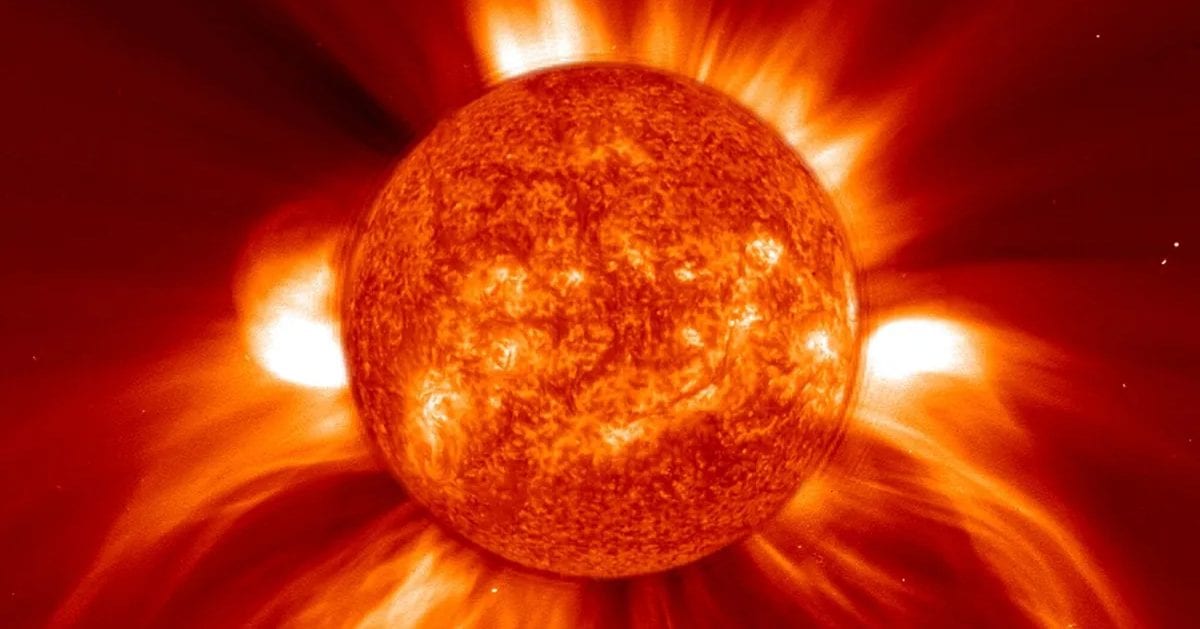
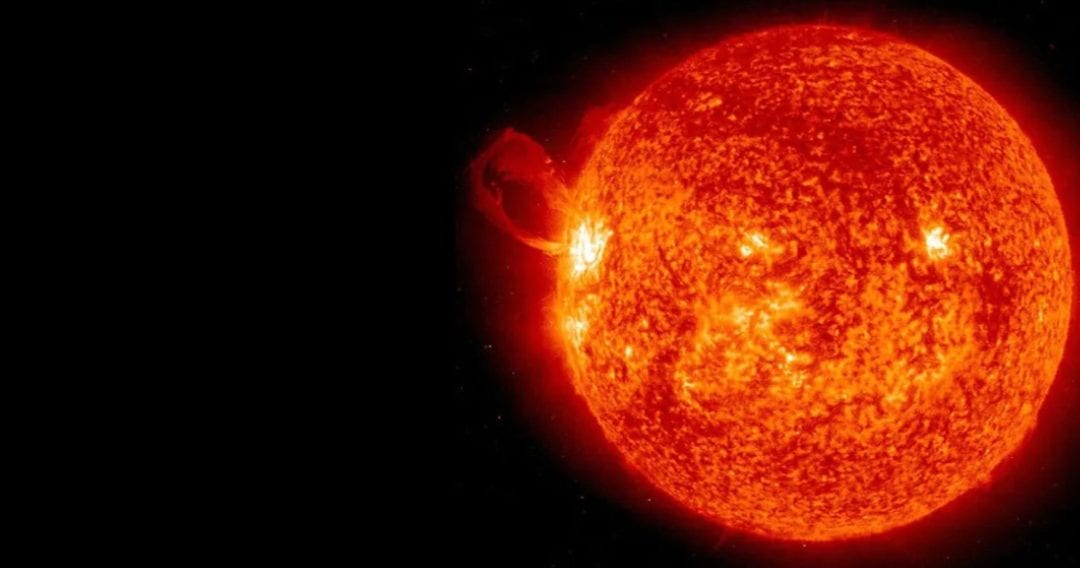
A strong solar flare rated X4.2 erupted from the highly active sunspot region 4366 on February 4, 2026, at 12:13 UTC (7:13 a.m. EST). NOAA’s Space Weather Prediction Center (SWPC) reported it as an ‘impulsive’ flare and characterized it as having a fast burst of energy that subsides just as quickly. This specific flare sent out intense radiation that likely caused radio blackouts in parts of Europe and Africa.
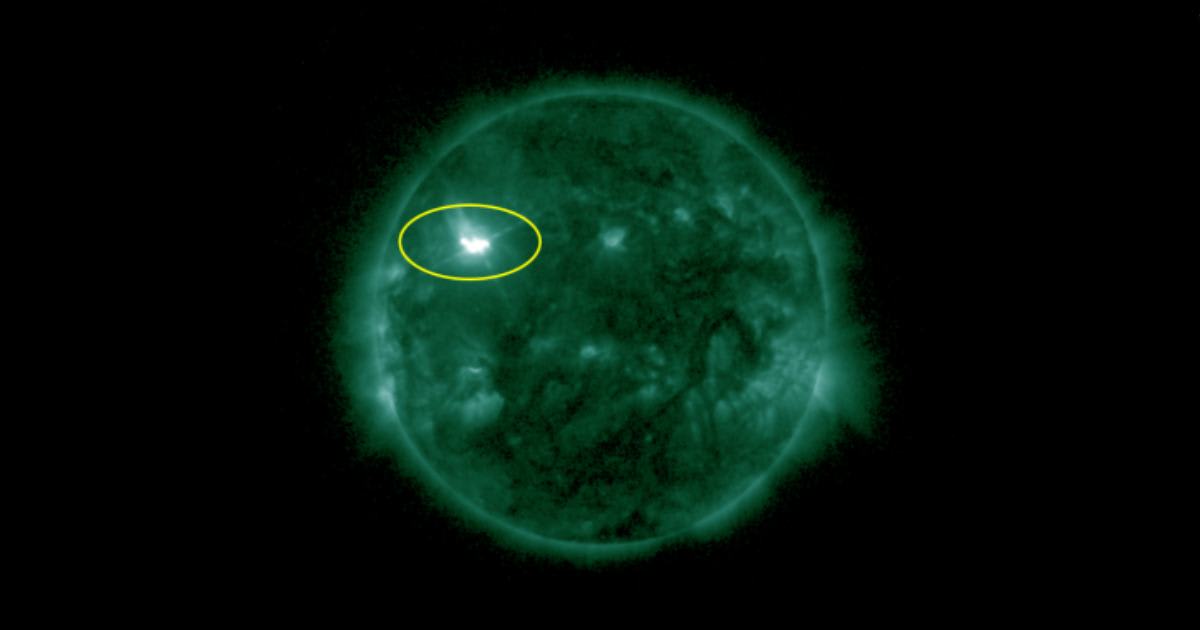
Solar flares are powerful eruptions on the Sun’s surface that explosively emanate electromagnetic radiation like visible light, X-rays, and heat across space. As far as the flares that have erupted recently are concerned, this particular flare’s X4.2 rating ranks it amongst the strongest, with the number 4.2 showing its intensity and X indicating its class as the most powerful amongst classes labelled A, B, C, M, and X, in the order of increasing power. Flares do not hurt human inhabitants on the ground because of the protective properties of our atmosphere. However, they do interfere with radio communications and satellites by ionizing the particles in Earth’s dense atmosphere low down. If a flare is followed by a CME (coronal mass ejection), an enormous chunk of plasma, it can hit Earth’s magnetic shield in the succeeding days and cause geomagnetic storms. Those storms, as observed in January, make spectacular auroras.
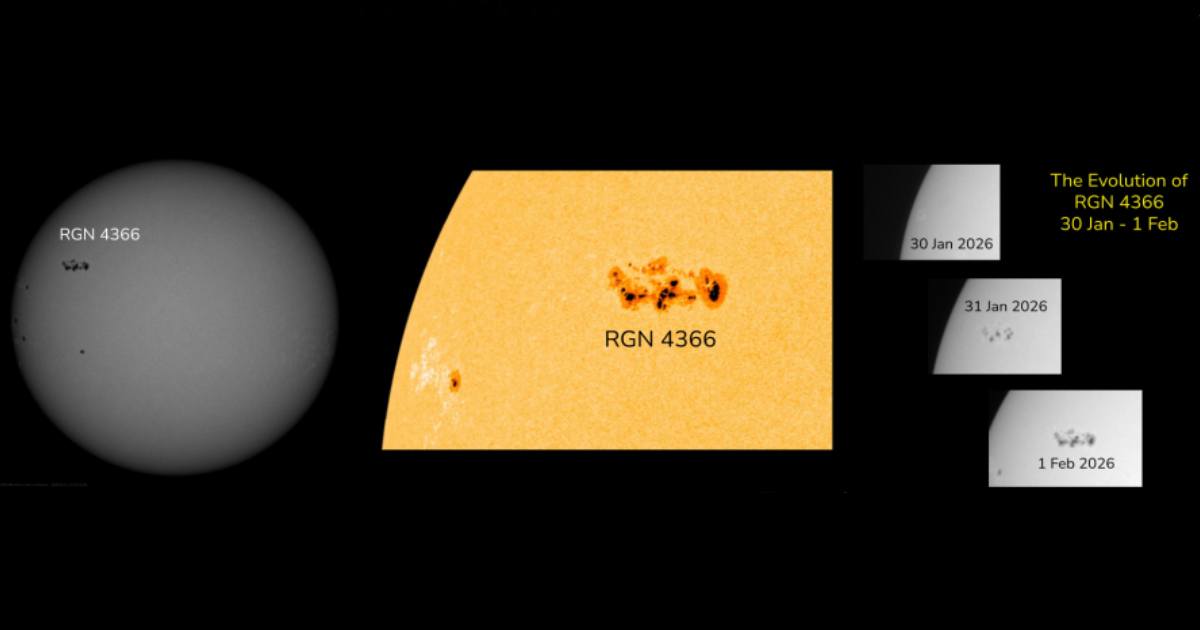
Per the SWPC, the X4.2 hasn’t left evidence of a resulting coronal mass ejection, so no geomagnetic storms or auroras are expected from it alone as of yet. However, with the sunspot region 4366 directly facing us, the SWPC will continue to be on the lookout for further activity, expecting activity over the coming days. Region 4366 has been prolific since it popped up on January 30 in the Sun's northeast quadrant and grew to a size in excess of 200,000 miles. In fact, at 12:27 UTC (6:57 p.m. EST) on February 1, it erupted with an X8.1 class solar flare, the most intense since October 2024, that released a slow-moving CME, whose glancing effects, according to the SWPC, may be felt over February 5 and 6. In the span of the preceding 24 hours, it had released 3 other strong flares, along with 23 M-class ones. Additionally, at 1418 UTC (9:18 a.m. EST) on February 3, it released an X1.5-class flare, which took the numbers to 21 C-class, 38 M-class, and 5 X-class flares, according to the SWPC. The flare on February 4, the sixth X-class one from the region, only confirmed that 4366 has no intention of calming down.
More on Starlust
An annular solar eclipse is due this month: Here's what you need to know
Scientists solve a decades-old mystery by finding the hidden source of solar flare gamma rays