MoonFall—spiritual successor to Ingenuity Mars helicopter—will scout for Artemis landing sites in lunar South Pole
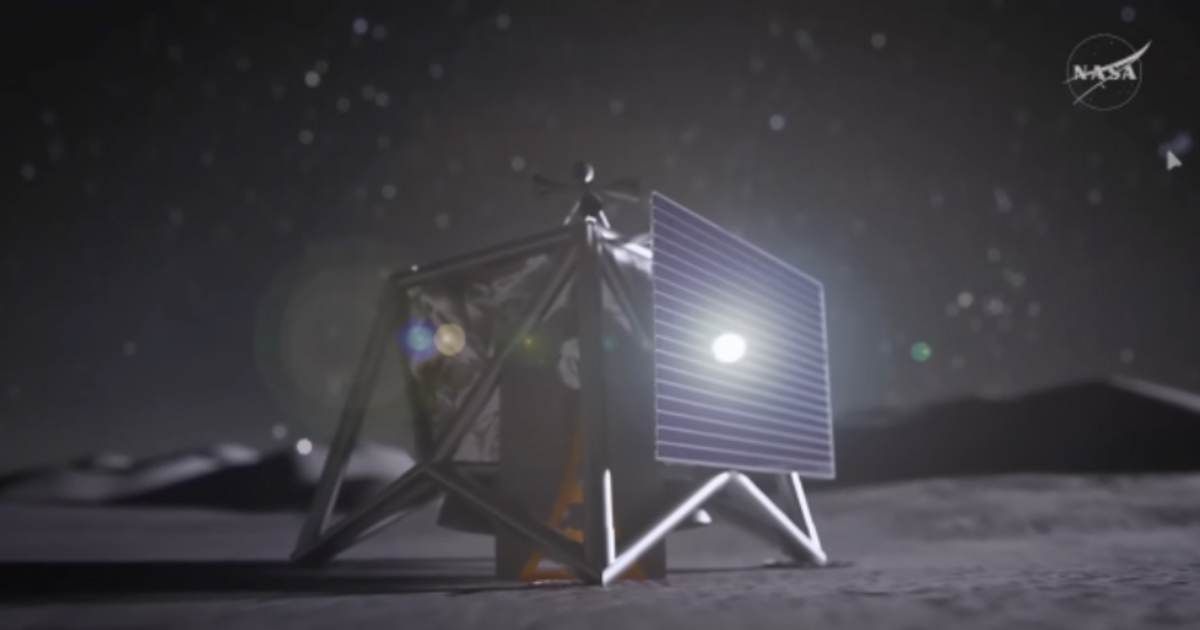
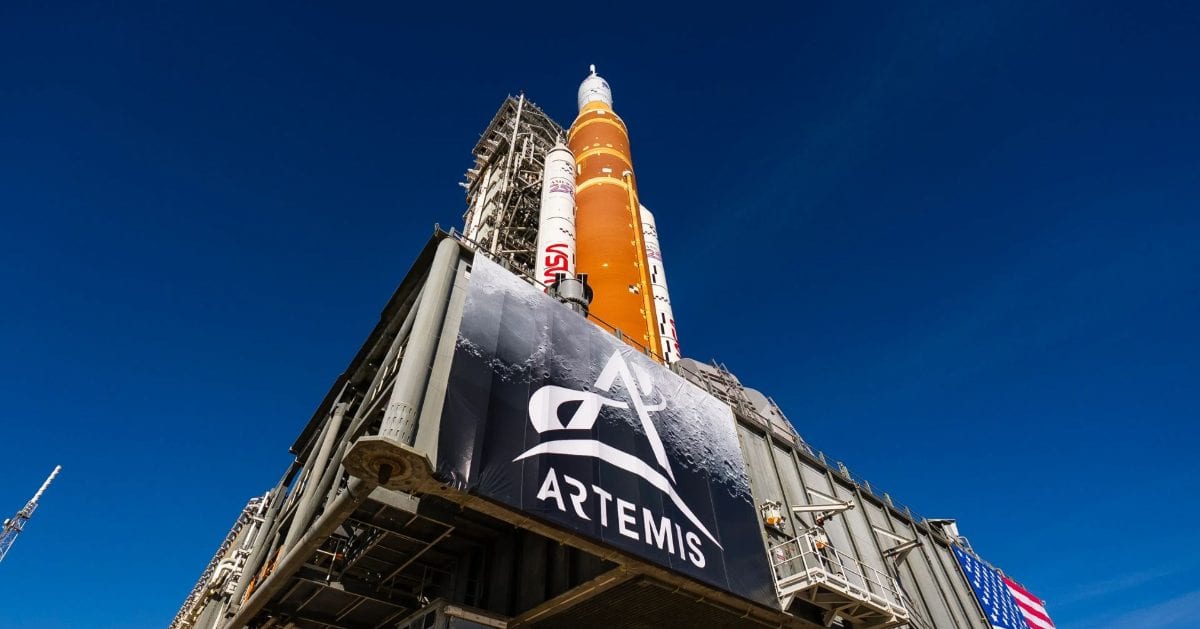
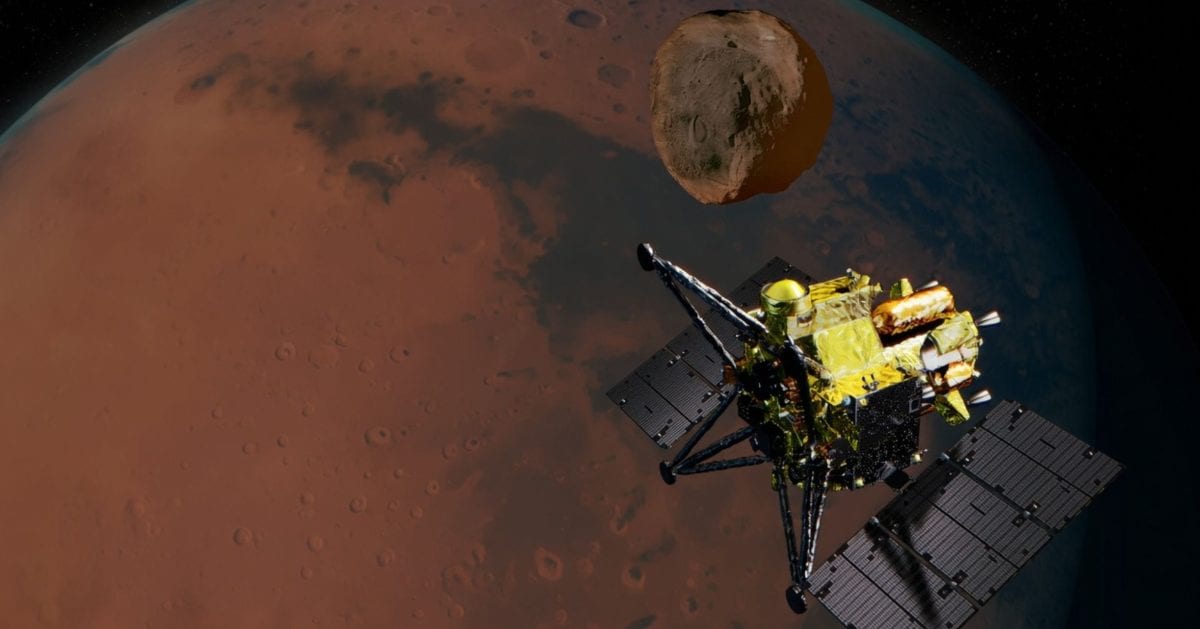
NASA has made it abundantly clear that it not only wants to send astronauts back to the surface of the Moon, but also wants them to stay. And as part of its ambition to build a Moon Base on the surface, the American space agency wants to send a series of robotic missions for the purpose of scouting and conducting experiments. Significant among those probes will be what NASA is calling the MoonFall drones.
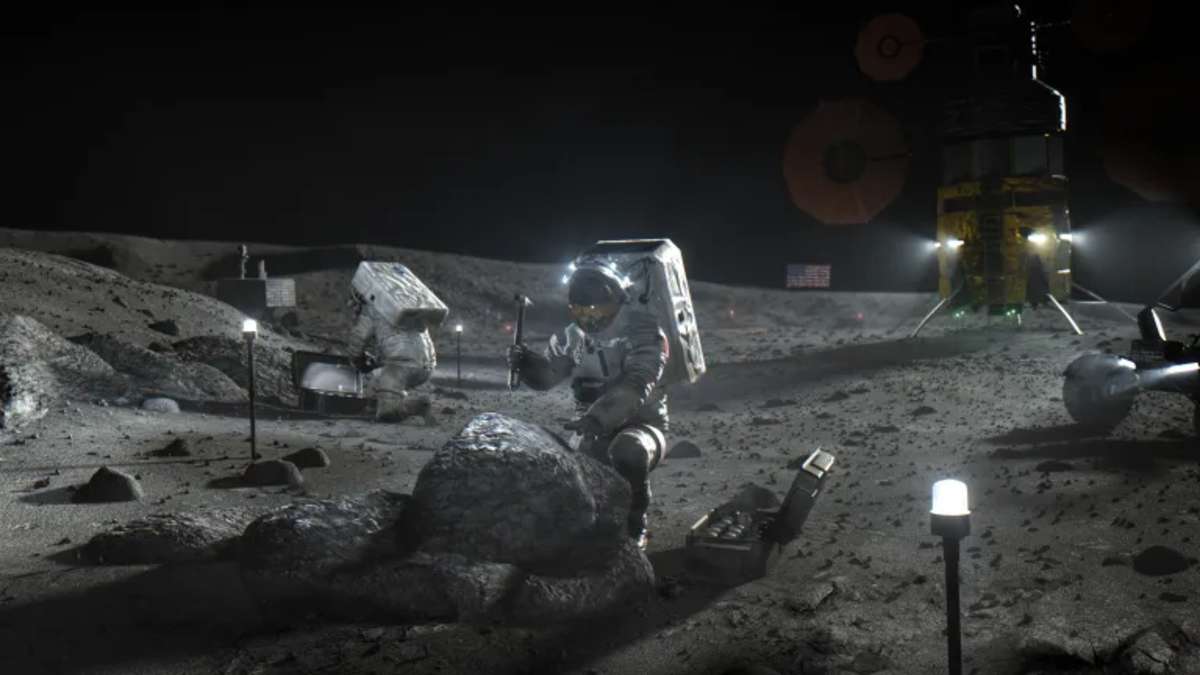
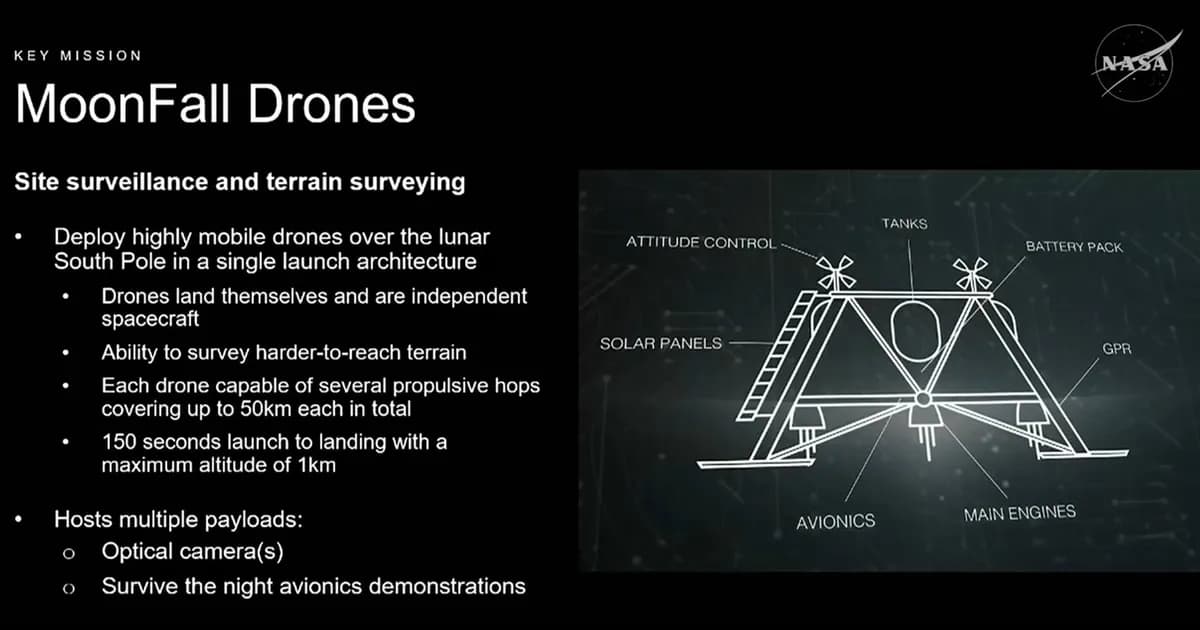
A Request for Proposals for the project was sent out the day of NASA's Ignition event, during which the agency discussed its three-phase, multi-year approach to establishing a Moon Base. Since the Moon's thin atmosphere won't allow helicopters to sustain flight, the fleet of four drones equipped with cameras and sensors will "be capable of basically several propulsive hops that can go about 50 kilometers each in total … about 150 seconds from launch to landing on each hop," explained Carlos Garcia-Galan, NASA's program executive for the Moon Base, during the March 24 event.
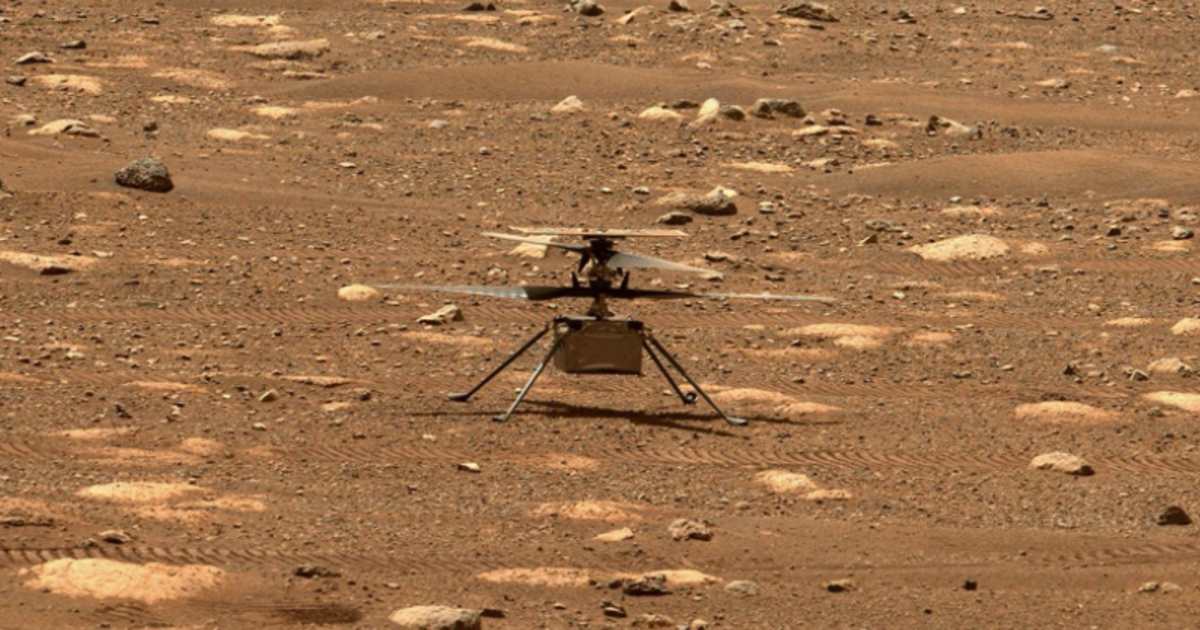
After landing in a yet-to-be-selected site in the lunar south pole, the drones are expected to image the surface of the Moon to help NASA decide on future landing sites for Artemis crews, as well as locations suitable for setting up elements of the Moon Base. In essence, the MoonFall drones are the spiritual successors to the Ingenuity Mars helicopter, which exceeded operational expectations by performing a total of 72 flights over the course of three years. While Ingenuity was equipped with off-the-shelf electronics, it also had the ability to detect and avoid hazards. The MoonFall drones will also come with the ability to diagnose a spot before landing on it. "We're going to marry our success from Ingenuity, all that knowledge, all that skill and success, and couple that with an industry capability. We're going to get this done," Ray Baker, the project lead for MoonFall at NASA's JPL, told Space.com.
Baker also said that the project is moving ahead pretty smoothly: "We're looking forward to selecting our industry partners and getting this done. It's going to be a really exciting ride. By June of this year, we're hoping to have our major partners selected." NASA's reliance on the growing private space industry has increased significantly over the last few years, and it's an arrangement that the agency is happy with. "They have a lot of capability and that's something that we're going to heavily lean into and leverage, along with our JPL capabilities," said Baker.
It is, however, not clear as to how much the project is going to cost. "NASA is still working out details of cost and budget, so we can't provide those details just yet," Baker explained. "But we're confident that, in partnership with industry, JPL has the skills and the technology to deliver on schedule." Elaborating more on the schedule, Baker said that captive-carry tests of the hardware that will look into the navigational and control sensors are slated to take place later this year. Spacecraft integration and test can be expected to happen next year, with the delivery to the launch site scheduled for 2028. "It's going to be fast-paced. We believe we can do it," Baker said.
More on Starlust
China launches its mysterious reusable ‘space plane’ into orbit
Artemis II crew's Nikon Z9 camera was bombarded with heavy ions on Earth before it flew to space