NASA approves Europe's first Mars rover mission for Falcon Heavy launch in late 2028
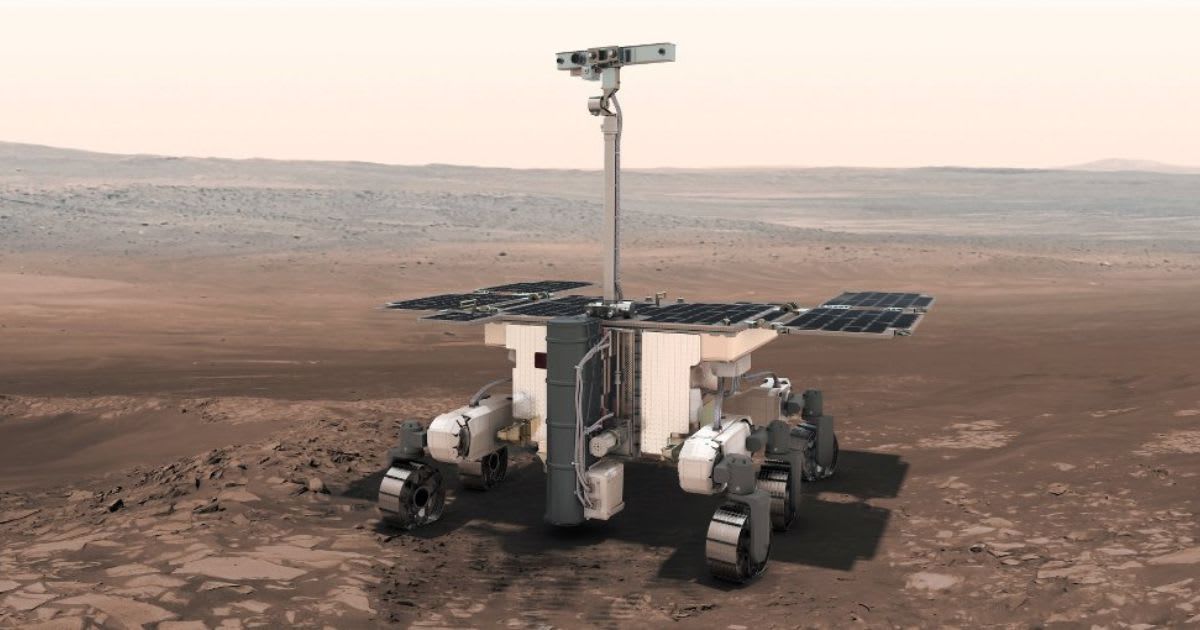
The European Space Agency (ESA) is finally set to launch its first Mars rover mission, as NASA just approved implementing the Rosalind Franklin Support and Augmentation (ROSA) project. Part of the ExoMars programme, ESA will launch the rover aboard a SpaceX Falcon Heavy rocket from NASA’s Kennedy Space Center in Florida around late 2028. The mission’s clearance for launch is a much-needed push for not just Europe but for all of Mars exploration, since the long-delayed Rosalind Franklin will be the first rover designed to search for life below the Martian surface.
NASA has given approval to begin implementing its project to support @ESA's Rosalind Franklin mission. Scheduled to launch in 2028, this Mars rover will be the first to search for signs of past or present life under the Red Planet’s surface. https://t.co/Q7w0Lmvtnf pic.twitter.com/SXrLGrJoLz
— NASA Mars (@NASAMars) April 16, 2026
Over the years, ESA’s attempts to send the surface rover to Mars have been hindered for a number of reasons. However, in 2024, an MoU between NASA and ESA formalized the partnership for which implementation was just approved. ESA will lead things from the front, given that they are primarily responsible for the rover, carrier module, lander platform, and surface operations. Meanwhile, NASA’s ROSA project will support them with launch services and components like braking engines for the lander platform, nuclear-powered heater units, and a key mass spectrometer for the Mars organic molecule analyzer science instrument.
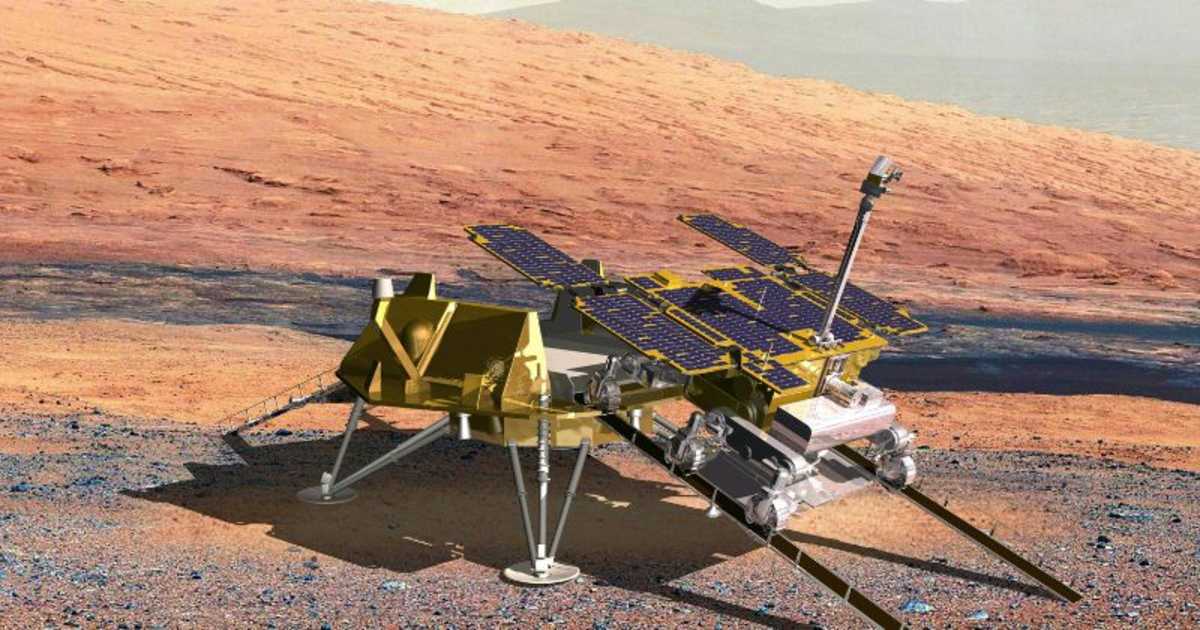
The Rosalind Franklin rover will search for life by drilling up to 2 meters beneath the surface of Mars. Samples from this region are more likely to preserve ancient biomarkers, safe from radiation that typically breaks past the Red Planet’s thin atmosphere. The rover will then analyze these samples in an onboard laboratory. Upon reaching Mars, the Rosalind Franklin targets landing at Oxia Planum, known for potentially preserving organic material that shows signs of early Mars history.
The Ground Test Model #ExoMars rover used in the Earth-based #Mars Terrain Simulator makes escaping from a sand trap look easy in this wheel-walking exercise 😅 Video and more info about our rover’s unique locomotion mode👉https://t.co/9zkAYKgPlb
— ESA_ExoMars (@ESA_ExoMars) December 3, 2021
📹@Thales_Alenia_S pic.twitter.com/YM9XIekpPf
While NASA landed its first rover on Mars way back in 1997, ESA has been unfortunate in this regard. Both agencies entered a partnership in 2009, which the Obama administration ended three years later due to budget constraints. Later, with Russia, ESA launched the ExoMars Trace Gas Orbiter spacecraft in 2016, which still operates around the planet and helps NASA’s Curiosity and Perseverance rovers. Further delays from a series of parachute test failures and the COVID-19 pandemic impacted the mission. Things took a final turn after Russia’s invasion of Ukraine, which led to ESA cutting ties with Roscosmos — including their contributions to ExoMars, such as the Russian rocket and Mars descent stage.
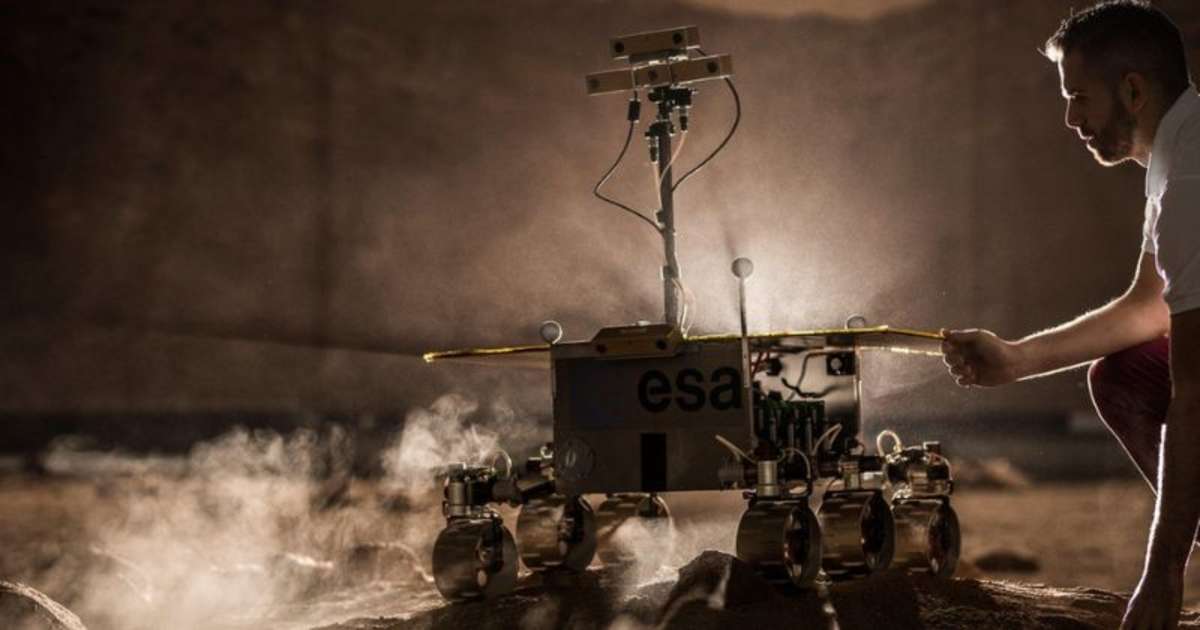
The European-made Mars rover is built for difficult terrain, being able to simultaneously move across the surface and study it at depth. Rosalind Franklin features a six-wheel design, with each flexible metallic wheel being independently steerable. Thanks to its triple-bogie suspension system, the rover can move past rocks, slopes, and obstacles as big as its wheels. A unique “wheel-walking” mode lets it move more like legs than wheels, which allows better traction and prevents it from getting stuck in soft Martian soil.
Falcon Heavy will launch the Rosalind Franklin rover to Mars in late 2028 https://t.co/Dis4Y11v5U pic.twitter.com/ekR2r8uAJr
— SpaceX (@SpaceX) April 17, 2026
ESA’s Rosalind Franklin rover can travel up to 100 meters per Martian day (sol) and cover several kilometers over its mission. It is equipped with inclinometers and gyroscopes for motion control, as well as a stereo camera system for 3D vision. This allows the vehicle to navigate safely and autonomously without constant human input. The Mars rover gets its name from the late British chemist and DNA research pioneer Rosalind Franklin. NASA’s nod for the upcoming Falcon Heavy launch marks the fourth time a tentative rocket has been selected for the mission, and might even be SpaceX’s first launch to Mars.
More on Starlust
NASA's Perseverance Rover can now locate itself precisely on Mars—here's how