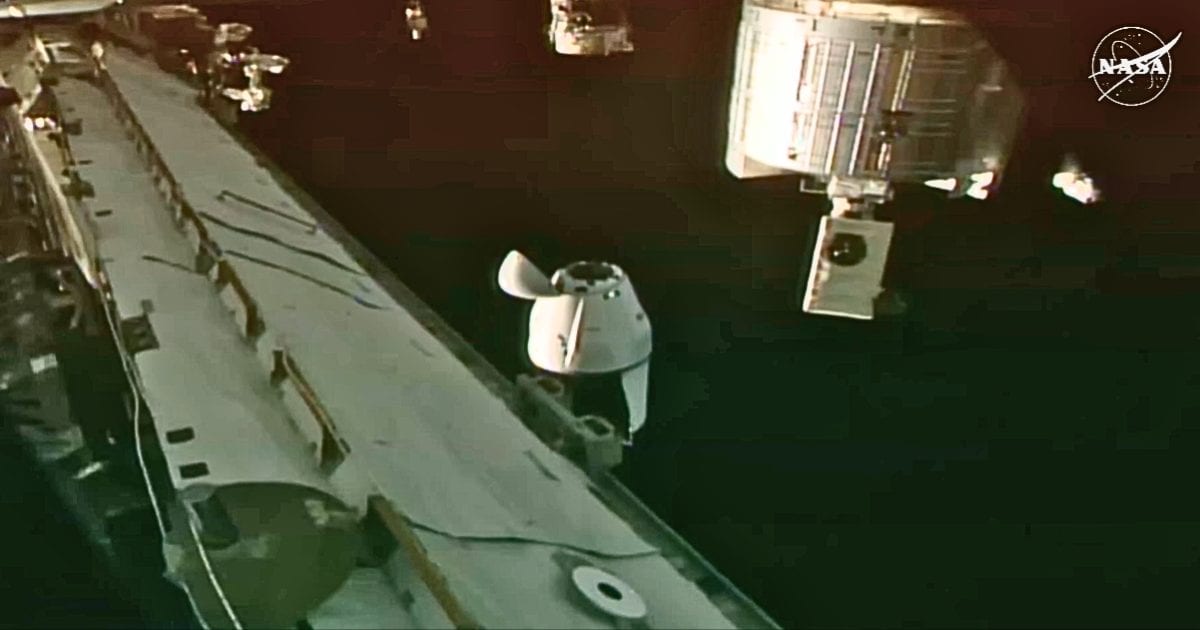
Pollution from rockets like SpaceX's Falcon 9 is bad for atmosphere—but it's also cooling Earth

Scientists could slow global warming with the aid of the atmospheric pollution generated by a surge in launches of space-bound rockets. According to Eloise Marais, a professor at University College, London, emissions of rockets after lift-off are creating an accidental geoengineering experiment in the upper layers of the Earth's atmosphere. These suspended particles, called black carbon, or soot, block some of the Sun's incoming rays and cool down the atmosphere, Marais told NPR.
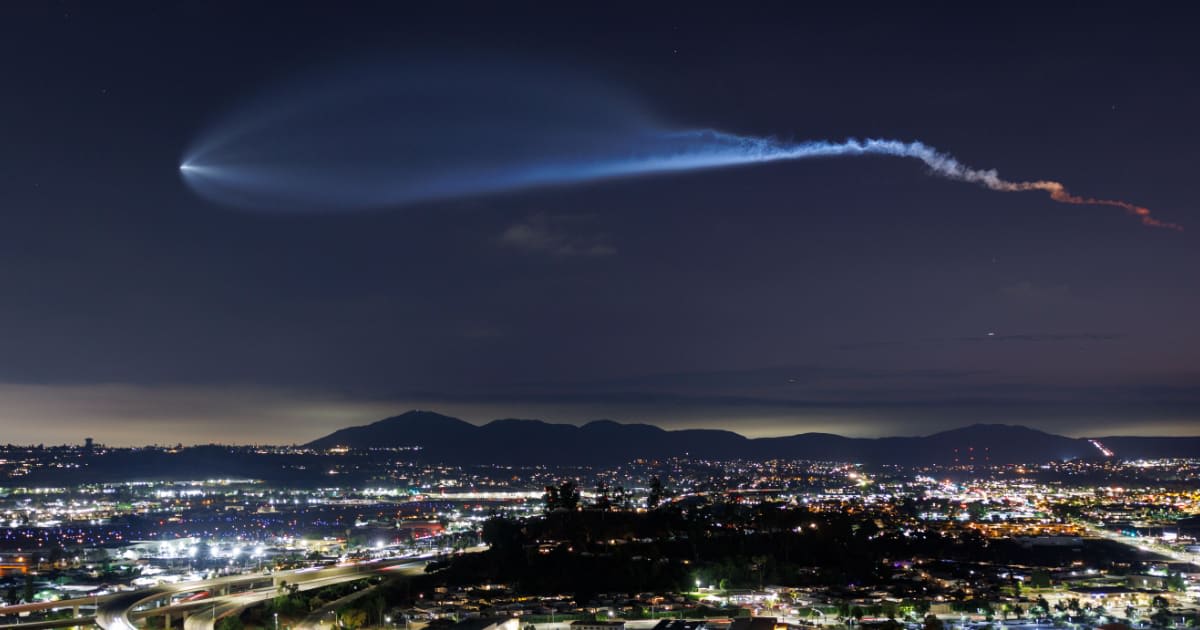
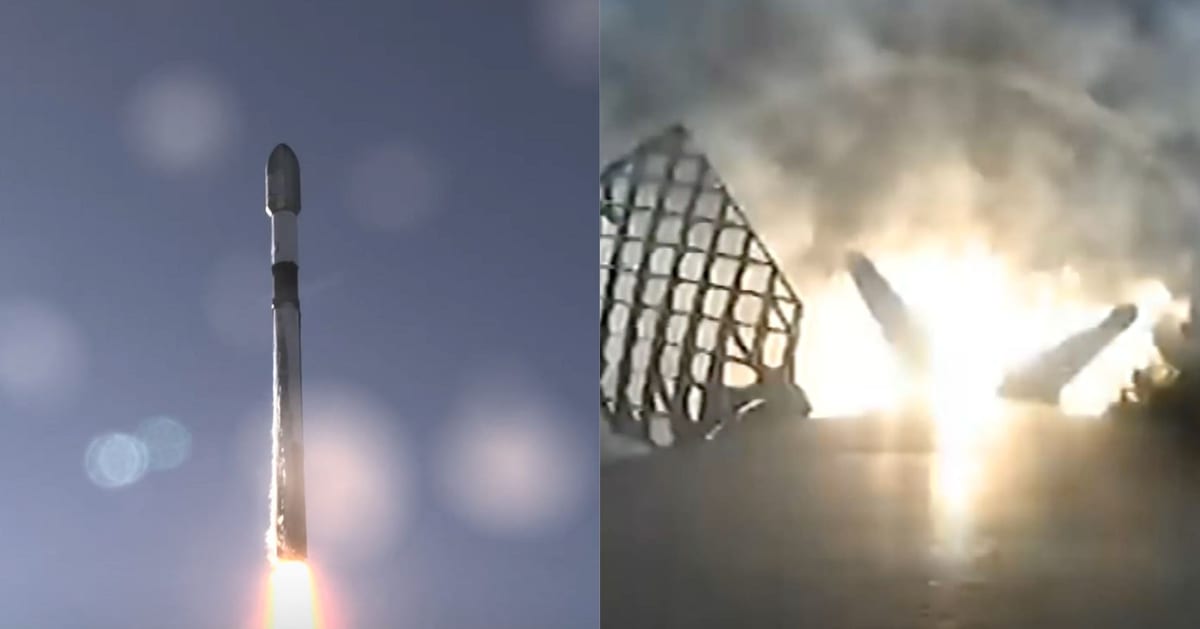
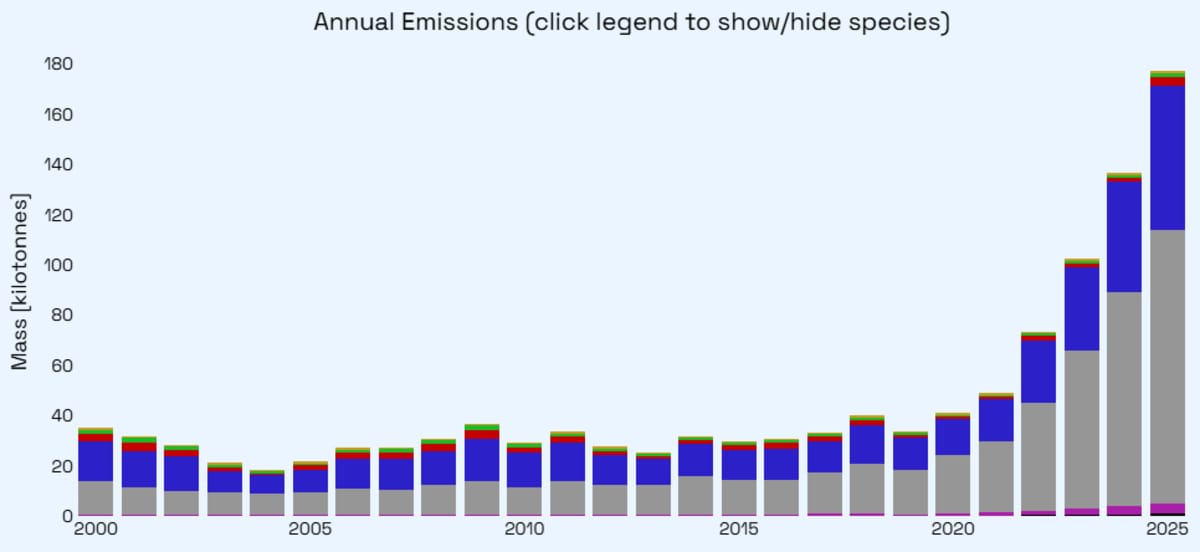
While the cooling effect of these suspended particles is very small at the moment, the long-term impact could be magnified by how long the particles remain in the upper atmosphere. The current volume of black carbon produced by launches, with SpaceX's highly prolific Falcon 9 rocket being name-checked by Marais for being one of the largest contributors, is quite small compared with pollutants on the ground. However, pollution from those conventional sources dissipates throughout the atmosphere, whereas pollutants can stay in the upper layers of the atmosphere for multiple years. And given the rate at which the space industry is growing, their effect is also expected to intensify.
This observation is somewhat similar to what is intended with geoengineering, a field of study that looks for ideas and ways to reverse the effects of global warming. However, scientists have refrained from pursuing this particular idea due to the severe risks associated with unintended consequences. "We could start to deplete ozone in the higher layers of the atmosphere. We could change circulation patterns of the atmosphere, these sort of processes that move air hundreds of kilometers in the higher layers of the atmosphere," said Marais. She also pointed to the ethical forethought that would be needed for an experiment that could change so much about the Earth.
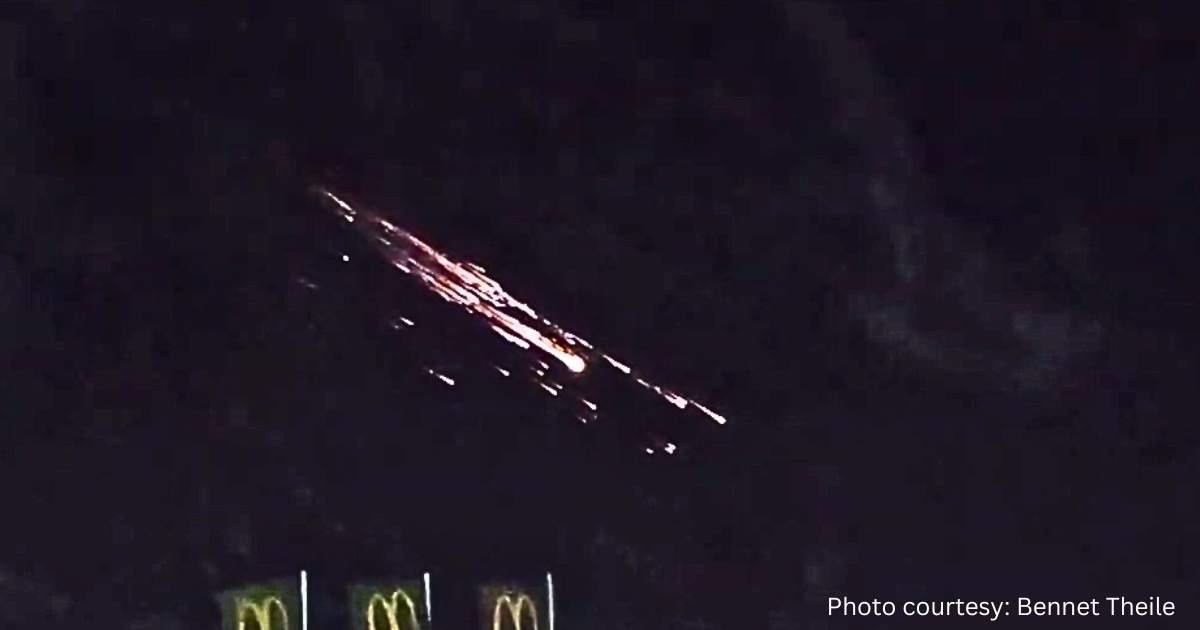
Indeed, even as there appears to be a silver lining to the pollution generated by rocket launches, it wouldn't be wise to ignore the negatives of pollutants being present high up in the atmosphere. For instance, an earlier research paper studied the plume from a returning Falcon 9 second stage. It found lithium, aluminum, copper, and lead contamination, something that alarmed the researchers, given the detrimental effects of metal pollution on the ozone layer. The large numbers of satellites planned to be deployed by the likes of SpaceX will only exacerbate this issue. Other space debris has also been studied, with the European Space Agency looking into the debris left by the Salsa satellite.
Astronomy needs dark, quiet skies, but light and radio pollution from growing space activity is putting them at risk. 🛰️
— UK Space Agency (@spacegovuk) May 15, 2026
The UN COPUOS Group of Friends for Dark & Quiet Skies is running a global survey and wants your views.
Complete the survey here 👉 https://t.co/asmrI0znjI pic.twitter.com/JjWy69JEPH
Besides the returning stages and discarded payloads of rockets, researchers have also been concerned about the general trends associated with spaceflight. With over 12,000 pieces of space debris tracked so far and a further 1.7 million objects planned to be launched to space in the future, scientists worry that the absence of regulatory frameworks to deal with such enormous numbers will lead to multifaceted problems. Besides harmful substances being left in the atmosphere, the issue of light pollution also means interference with ground-based observations.
More on Starlust
Scientists discover how rising solar activity is making space debris fall back to Earth faster
Scientists aim to curb space junk risks by using AI to locate debris in the Earth–Moon region