NASA and SpaceX delay Crew-10's return due to unfavorable weather conditions
NASA and SpaceX have postponed the return of the Crew-10 mission from the International Space Station, citing unfavorable weather conditions. The mission's undocking, originally scheduled for Thursday, August 7, was called off due to high winds anticipated at the splashdown sites off the California coast, as announced by NASA.
Due to high-winds at the splashdown sites off the coast of California, Dragon is standing down from today’s undocking from the @Space_Station. The spacecraft and Crew-10 crew remain healthy, and teams will continue to monitor weather conditions for the next available undocking…
— SpaceX (@SpaceX) August 7, 2025
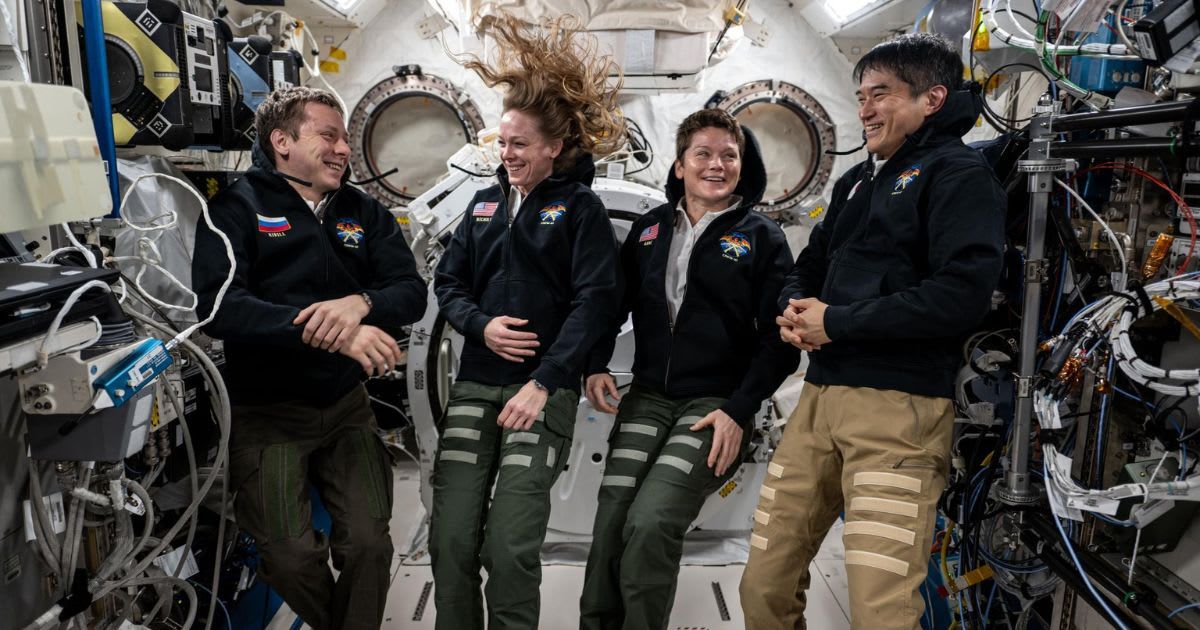
The new undocking target is set for no earlier than 6:05 p.m. EDT on Friday, August 8. If successful, this timeline would lead to a splashdown around 11:33 a.m. on Saturday, August 9. The crew-10 astronauts, NASA's Anne McClain and Nichole Ayers, JAXA's Takuya Onishi, and Roscosmos' Kirill Peskov are concluding a five-month research expedition and are bringing back critical scientific research.
In their five months aboard the @Space_Station, Crew-10 had an eventful mission full of science. From observing lightning above the atmosphere to studying how cells sense gravity, learn more about what they did: https://t.co/LAaraHcf64 pic.twitter.com/Mlrwwfyph2
— NASA (@NASA) August 6, 2025
This new target date came after mission teams, following a weather review on August 5, had initially set an undocking time for Thursday, August 7, with a splashdown on Friday, August 8. However, those plans were ultimately scrubbed in favor of the current schedule, as high winds in the splashdown zones also led to the cancellation of a prior undocking opportunity on Wednesday, August 6, as mentioned on the official site of NASA.
.@NASA and @SpaceX target #Crew10’s undocking from the station no earlier than 12:05pm ET on Thursday, with splashdown off California’s coast, a first for the Commercial Crew Program, set for the following day. https://t.co/XmtCs7tjrS
— International Space Station (@Space_Station) August 6, 2025
The Crew-10 mission began its journey to the International Space Station on Friday, March 14, when a Falcon 9 rocket launched the Dragon spacecraft from Launch Complex 39A at NASA's Kennedy Space Center in Florida. The launch took place at 7:03 p.m. ET, as per SpaceX. Just over a day later, on Sunday, March 16, at 12:04 a.m. ET, the Dragon spacecraft successfully and autonomously docked with the space station.
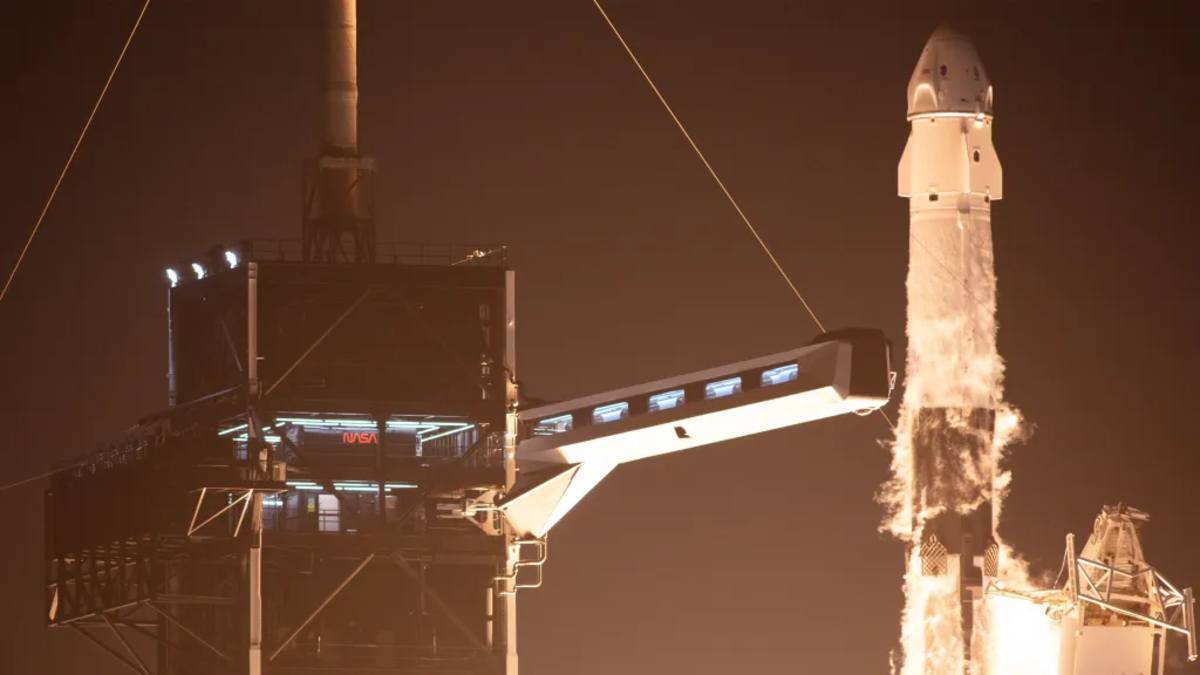
The Dragon spacecraft used for this mission was not new; it had previously completed three other missions, transporting the Crew-3, Crew-5, and Crew-7 astronauts to and from the station. The Falcon 9 first-stage booster supporting this launch was also a veteran, having previously launched the SES 03b mPOWER mission. After detaching from the rest of the rocket, the booster made a successful landing at Landing Zone 1 at Cape Canaveral Space Force Station. Mission managers are closely tracking a variety to ensure a safe return, including weather, sea conditions, and the readiness of both the Dragon spacecraft and the recovery teams, according to NASA. A final splashdown time and location will be determined as the mission gets closer to undocking
The four-person crew consists of both seasoned veterans and first-time flyers. This marks the second spaceflight for NASA astronaut Anne McClain, a native of Spokane, Washington. During her mission, she spent over 200 days in space and completed two spacewalks. JAXA astronaut Takuya Onishi is also on his second trip to ISS, having previously served as a flight engineer for more than 100 days, as mentioned by NASA. For NASA astronaut Nichole Ayers, this is her inaugural space mission. The US Air Force Major and former combat pilot is the first from NASA's 2021 astronaut class to be assigned to a crew. The Crew-10 mission is also the first for Roscosmos cosmonaut Kirill Peskov, a former commercial airline co-pilot who joined the cosmonaut corps in 2018.