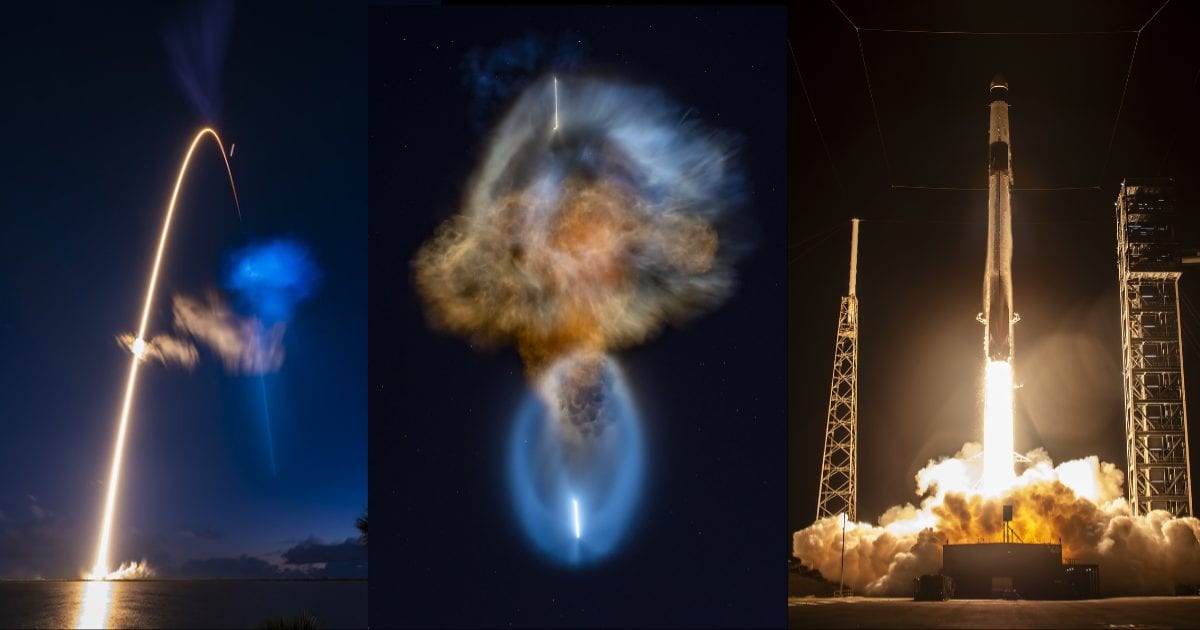
SpaceX set to launch upgraded Starship V3 for ambitious missions after successful V2 swansong
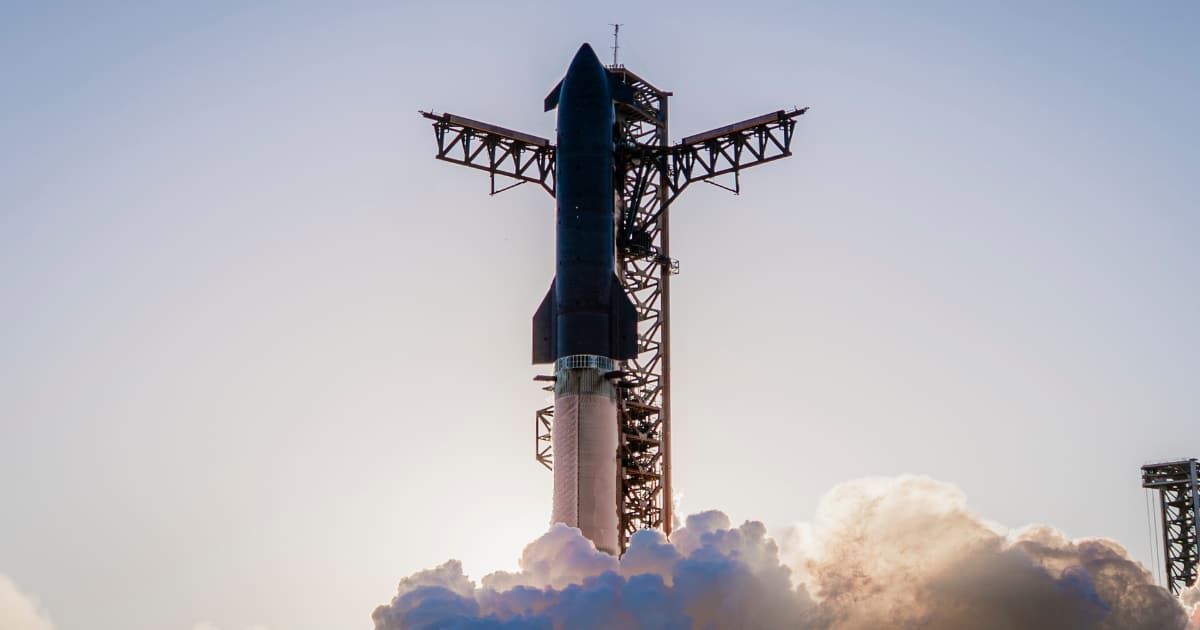
SpaceX is moving swiftly to phase out the current design of its massive Starship launch vehicle as the company prepares to introduce an even larger, more advanced iteration, Version 3. This comes on the heels of the Version 2 design completing its final planned flight test earlier this week, according to USA Today.
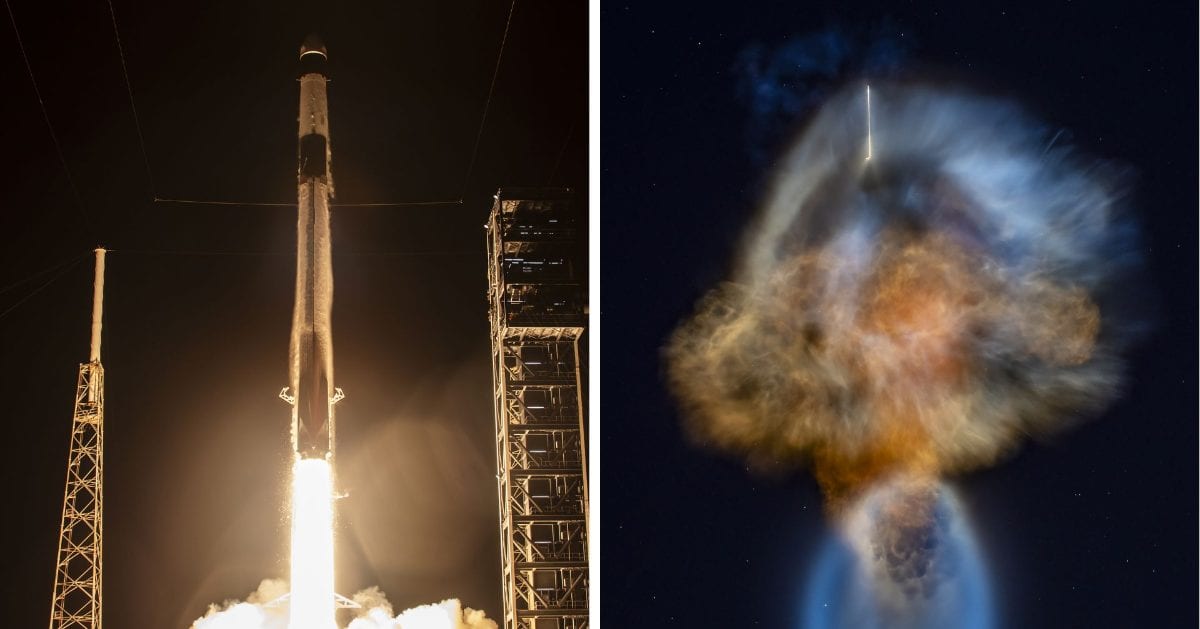
Launch and ascent of Starship's eleventh flight test pic.twitter.com/mbMVb6jebW
— SpaceX (@SpaceX) October 14, 2025
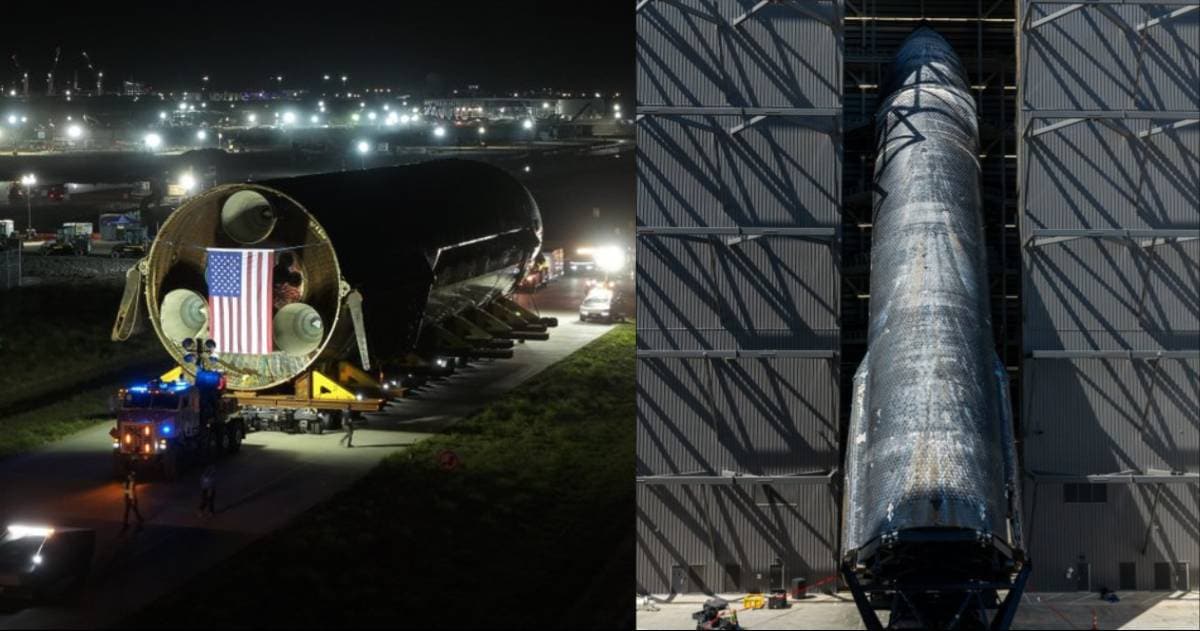
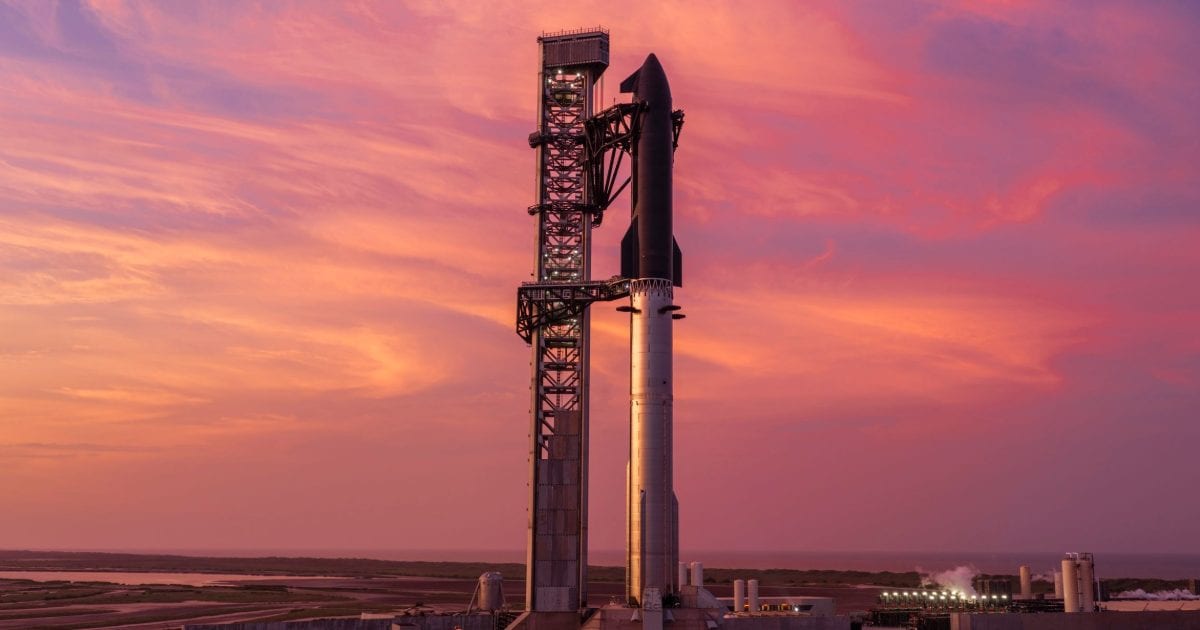
The colossal rocket system, already recognized as the world's tallest and most powerful, recently wrapped up its fifth flight of the year, and the second successful mission in a row, from SpaceX's Starbase facility on the Texas coast. This successful flight, known as flight 11, marks the end of the road for the Version 2 stack, which stands at an integrated height of 403 feet. The system is composed of the Super Heavy booster and the Starship upper-stage spacecraft. Company leadership, including founder Elon Musk, has been vocal about the ambitious goals for the new design. Version 3 is designed to achieve orbital flight and is being developed with future missions to the Moon and Mars in mind.
The successful Flight 11 test serves as the swan song for this iteration of the massive launch system. The mission's triumph was met with immediate, enthusiastic applause from the company's team, with SpaceX spokesperson Dan Huot celebrating the moment by exclaiming, "Let 'em hear it, Starbase! What a day!"

This vehicle is crucial to the expansive vision of SpaceX founder and CEO Elon Musk, who established the company in 2002 with the explicit goal of making humanity a multi-planetary species by establishing a sustainable presence on Mars. Beyond its Martian ambitions, Starship has also been contracted by NASA to serve as the crewed lunar lander for the Artemis program. Starship is currently scheduled to transport astronauts to the Moon's south pole on the Artemis 3 mission, targeted for 2027, a mission that would mark the first human landing on the lunar surface since the Apollo era.

The shift to Version 3 is explicitly designed to tackle the next critical milestones, most notably the achievement of Earth orbit. According to USA Today, this upcoming iteration is expected to be the first to successfully enter orbit, a feat none of the previous 11 test flights have accomplished. Furthermore, Version 3 is slated to demonstrate the complex in-orbit refueling required for deep-space travel. Reaching destinations like Mars necessitates that the upper-stage Starship be refueled in space, a challenging process involving two Starship vehicles equipped with docking adapters meeting in orbit to transfer hundreds of tons of super-cooled propellant.
In addition to expanding the vehicle's range, SpaceX intends for Version 3 to feature a fully reusable upper stage capable of returning and landing precisely back at the launch site. This capability mirrors the success already demonstrated by the Super Heavy booster. The booster has been proven capable of being caught upon return by the massive "Mechazilla" launch tower using its robotic "chopsticks" arms, a dramatic procedure successfully executed during three prior test flights. The two most recent Starship missions were specifically used to test the mid-flight maneuvers essential for the upper stage to achieve this same precision return.
More on Starlust
SpaceX set to launch Starship's 11th flight test on October 13
SpaceX nails final Starship test flight to set the stage for bold Mars and Moon missions