After Cape Canaveral launches by SpaceX and ULA, Falcon 9 deploys 24 Starlink satellites from California
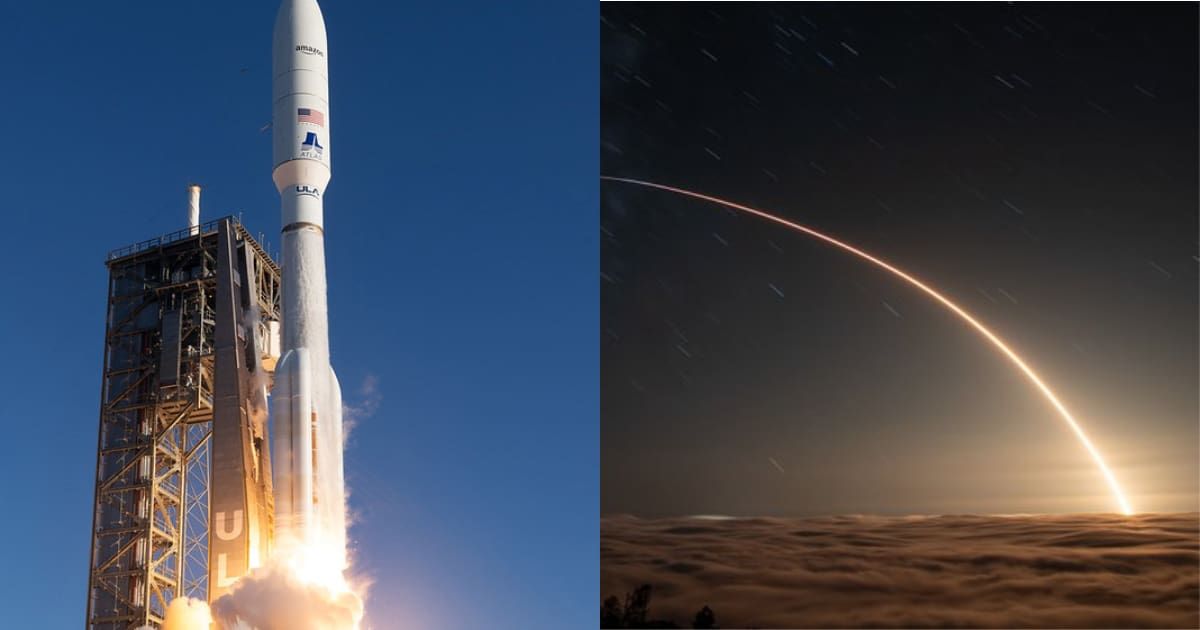
Cape Canaveral saw a flurry of early-morning activity on Thursday, September 25, as both SpaceX and United Launch Alliance (ULA) successfully executed separate orbital missions from the launch site, as per UPI.
Launching exactly on time at the opening of the window this morning, United Launch Alliance propels Amazon's @ProjectKuiper to enhance broadband access to connect the world
— ULA (@ulalaunch) September 25, 2025
📸 photo album: https://t.co/eyHjD0TRTa pic.twitter.com/YyIojYNBv2
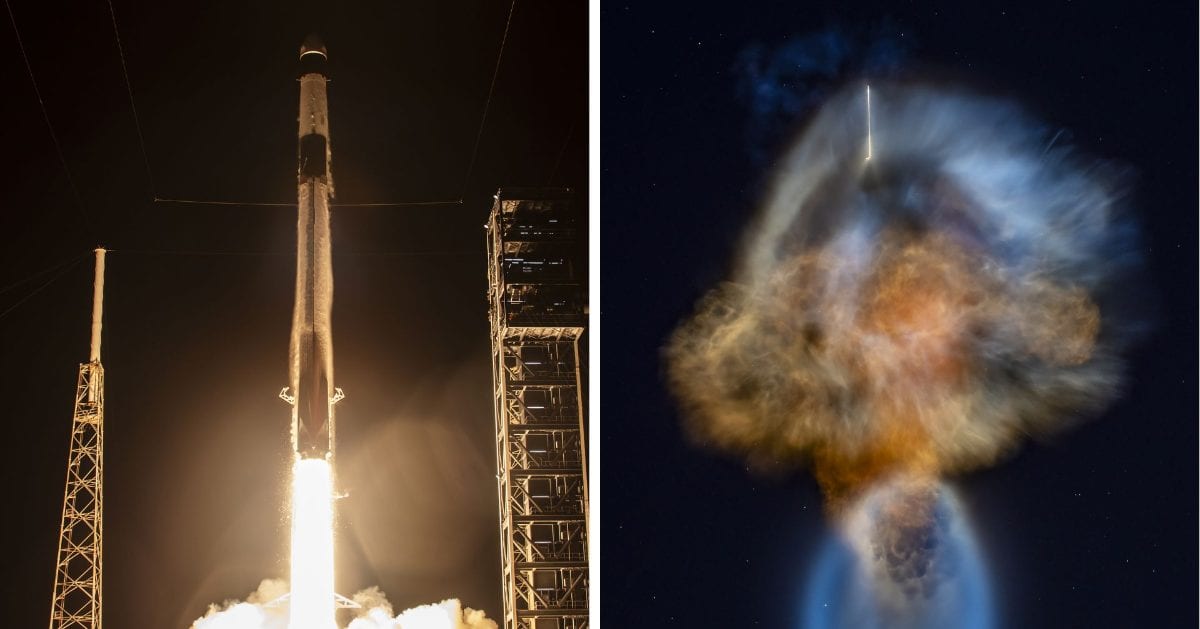
SpaceX kicked off the day's launches at 4:39 a.m. EDT, deploying another significant tranche of its Starlink V2 Mini broadband satellites. The Falcon 9 rocket, lifting off from Space Force Station pad 40, added 28 satellites to the already massive Starlink constellation, which now numbers over 8,400 spacecraft in orbit. The mission marked the 86th Starlink launch this year for the company.
In a display of rapid reusability, the Falcon 9 booster, B1080, completed its 22nd flight and returned to Earth for a successful landing. Approximately eight and a half minutes after liftoff, the core stage touched down on the autonomous drone ship, 'A Shortfall of Gravitas,' marking the vessel's 126th successful recovery.
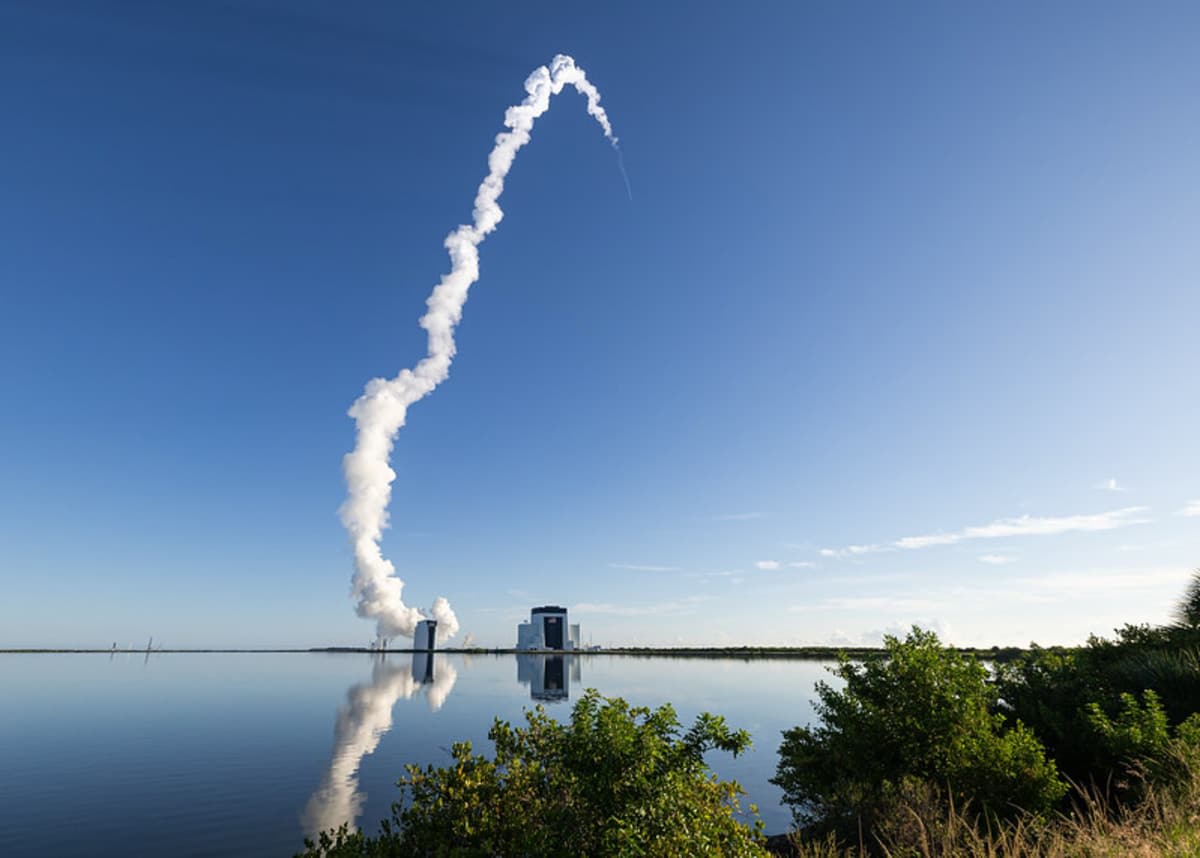
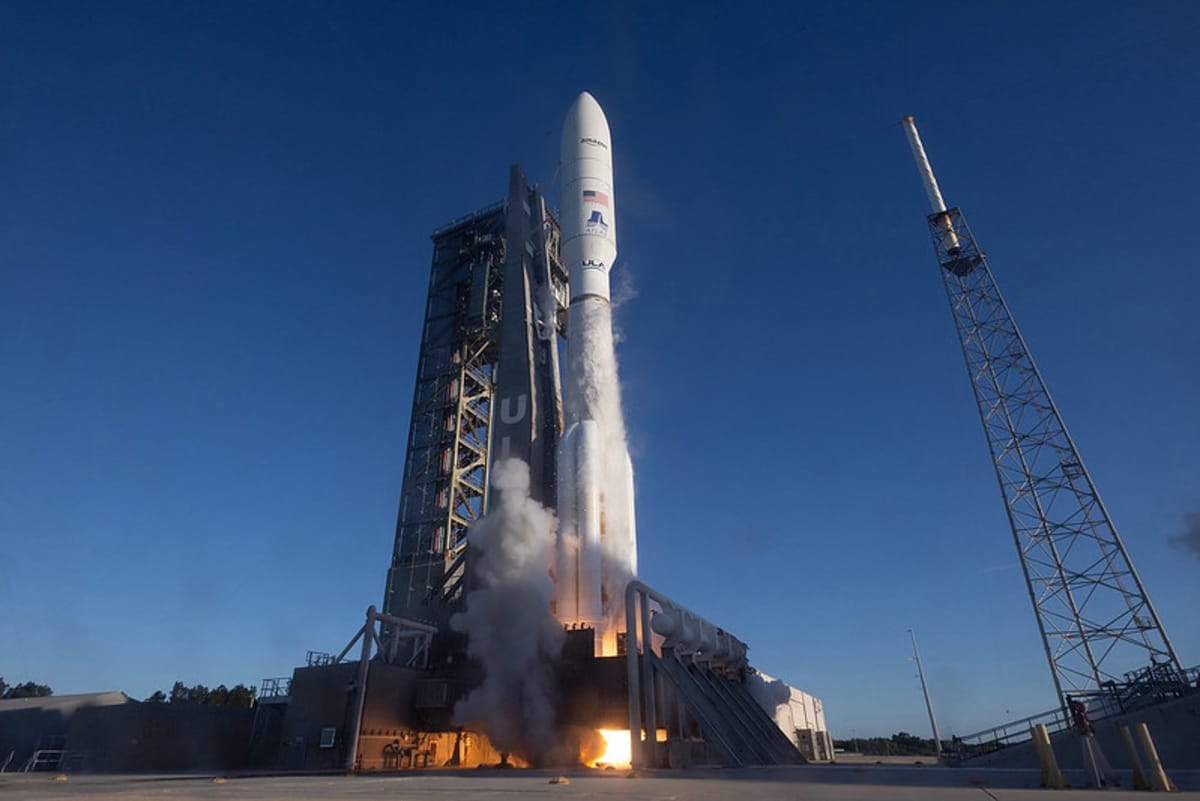
At 8:09 a.m. EDT, a ULA Atlas V rocket successfully launched carrying 27 satellites for Project Kuiper, the nascent satellite internet initiative backed by Amazon. This mission, designated KA-03, expands Amazon's total number of deployed Kuiper satellites to 129. The company is building toward a network of approximately 3,200 satellites in low Earth orbit to compete in the broadband space. The launch was the fifth orbital mission in the Kuiper project's deployment strategy, which has previously utilized two Atlas V and two Falcon 9 launches to place 102 satellites into orbit.
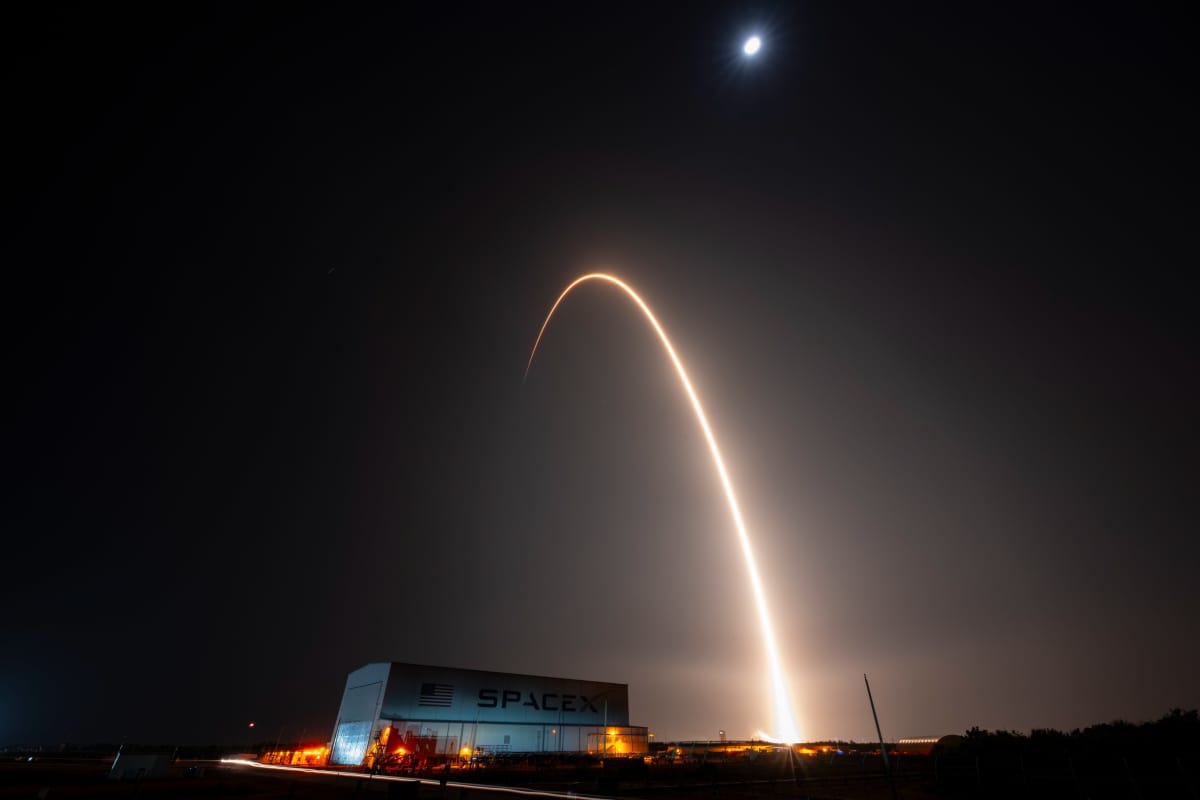
Following the twin launches from Florida, SpaceX executed a third mission, completing a trifecta of orbital launches in under 24 hours. A separate Falcon 9 rocket carrying 24 Starlink satellites lifted off from Vandenberg Space Force Base on California's central coast at 12:26 a.m. EDT, Friday, September 26. This late-night mission added a further 24 satellites to the burgeoning Starlink network, per SpaceX.
Falcon 9 launches 24 @Starlink satellites from California pic.twitter.com/adM3Ap9RhY
— SpaceX (@SpaceX) September 26, 2025
The first stage of the booster, tail number B1082, completed its 16th flight, its 12th dedicated to the Starlink network, before successfully touching down on the drone ship "Of Course I Still Love You" in the Pacific Ocean about eight and a half minutes after launch. The Falcon 9's upper stage continued its trajectory to deploy the latest batch of internet craft into low Earth orbit roughly an hour into the mission.
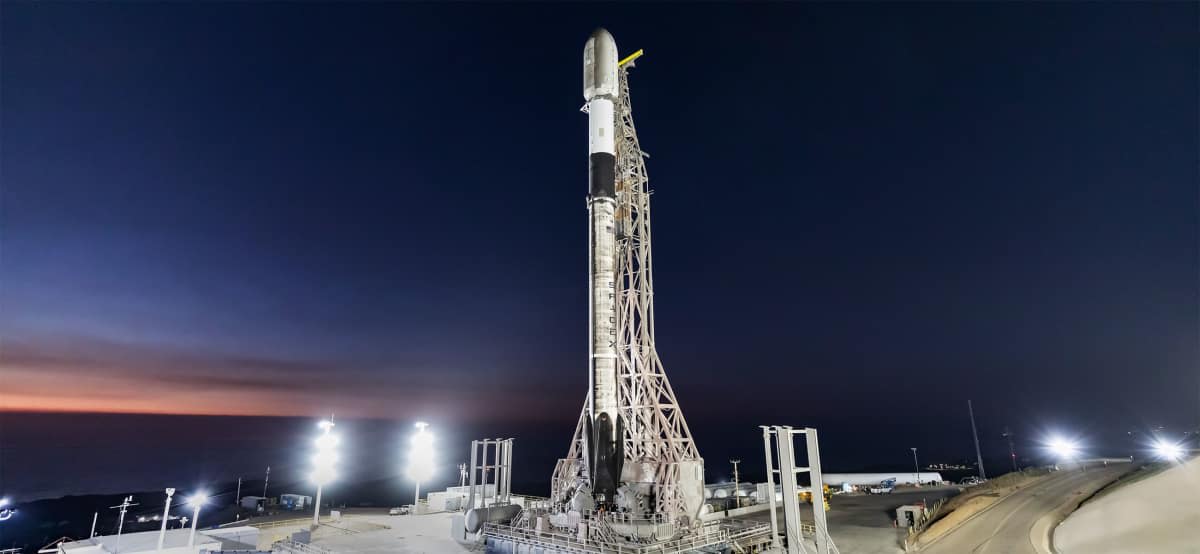
Today's liftoff from Vandenberg marked the 123rd Falcon 9 launch of the year and the 15th so far this September, underscoring the rapid operational tempo of the aerospace company. According to satellite tracker Jonathan McDowell, more than 70% of all Falcon 9 missions in 2025 have been dedicated to expanding the Starlink megaconstellation, which now consists of nearly 8,500 active spacecraft.
Across all variants of the Falcon 9 and the Falcon Heavy, the total number of orbital missions has now reached 555, maintaining an overall success rate of 97.88% (555 successes out of 567 total attempts), as per SpaceXNow. The relentless schedule of launches, culminating in three missions within a single 24-hour period, highlights SpaceX's dominance as the world's leading launch provider.
More on Starlust
NOAA's SWFO-L1 satellite launches aboard SpaceX Falcon 9 rocket from Kennedy Space Center
SpaceX prepares for a busy September with five major Falcon 9 launches