Leonid meteor shower peaks tonight—easy tips for the best viewing experience
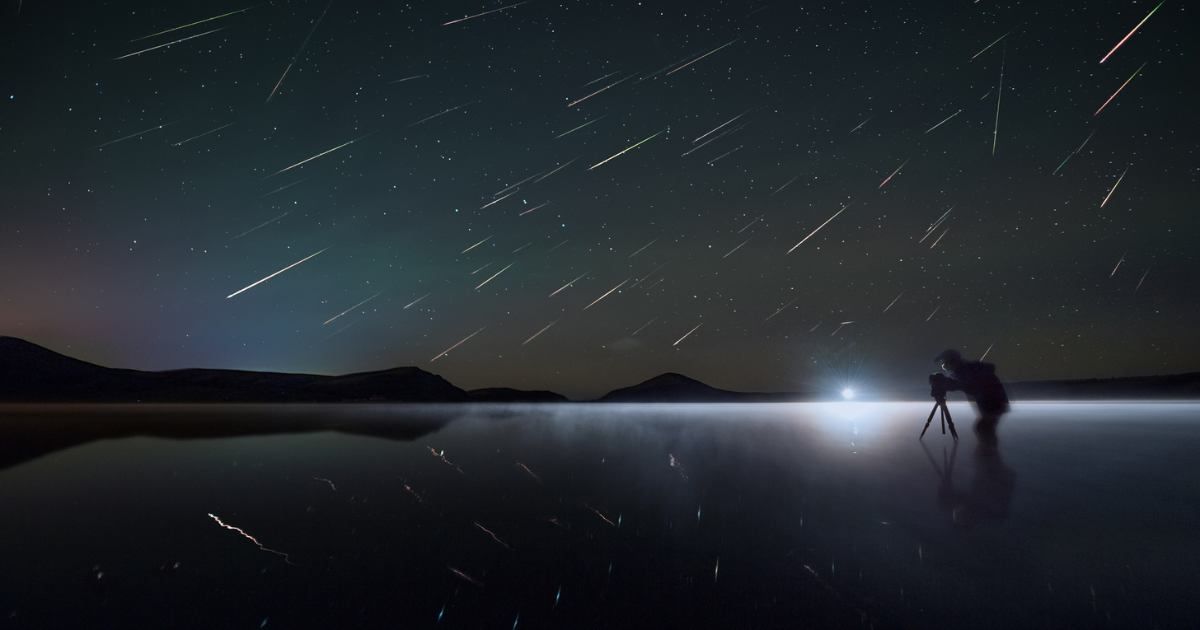
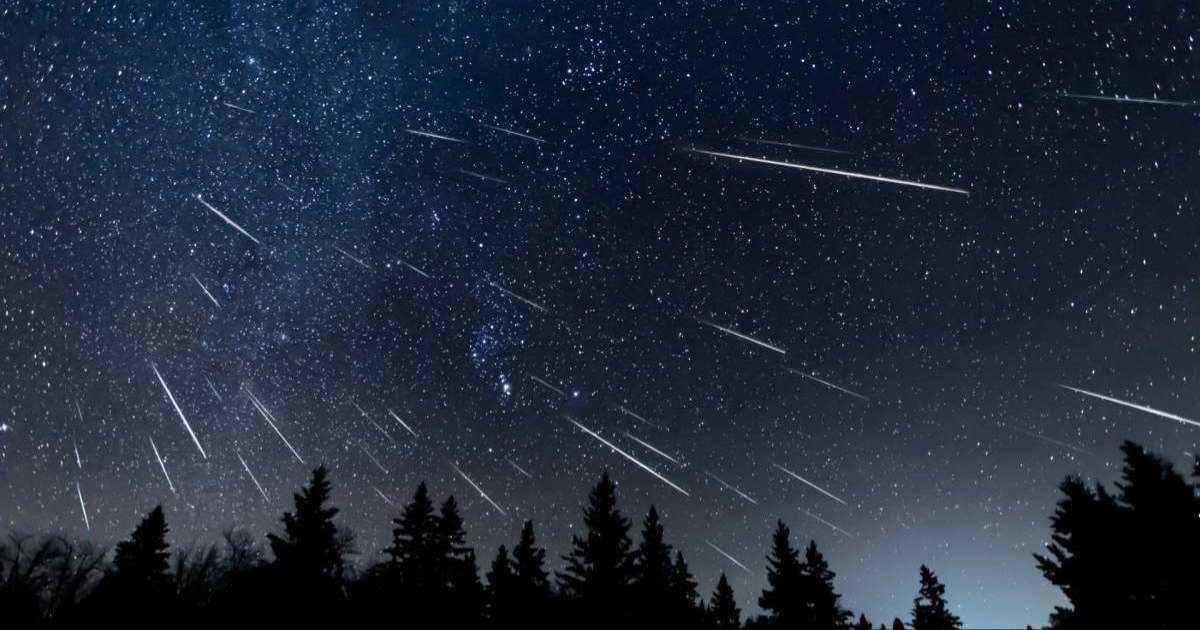
Observers are in for a treat as the annual Leonid meteor shower is gearing up for its peak tonight. It’s active from November 3 to December 2, and tonight is the best time to catch it.
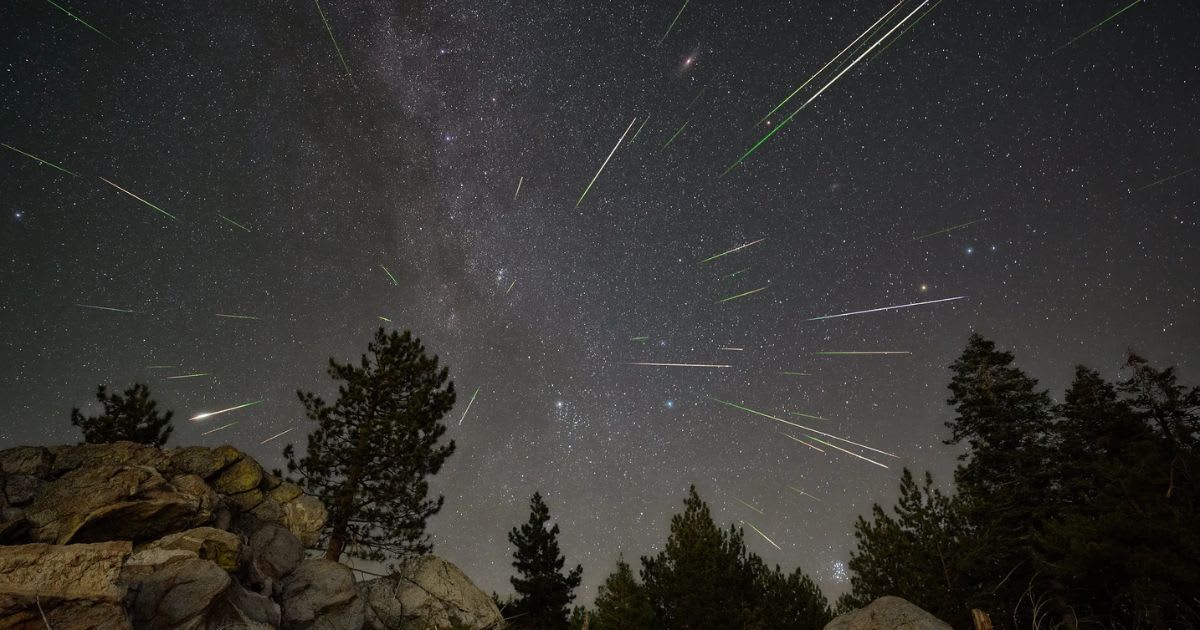
While the peak is technically at 1 p.m. ET (18:00 UTC) on November 17, you'll still have good chances to see meteors into the early hours of Tuesday, November 18, per EarthSky. This astronomical event is caused by the debris left by the periodic comet 55P/Tempel-Tuttle.

A big plus for this year's event is that there won't be much interference from the moon. With a new moon on November 20, the waning crescent phase leading up to the peak will be quite small and low in the sky, ensuring great visibility. If you can get to a spot without light pollution, you can expect to see about 10 to 15 meteors per hour when the shower is at its height. According to The Planetary Society, the Leonids can be seen from both the Northern and Southern Hemispheres.
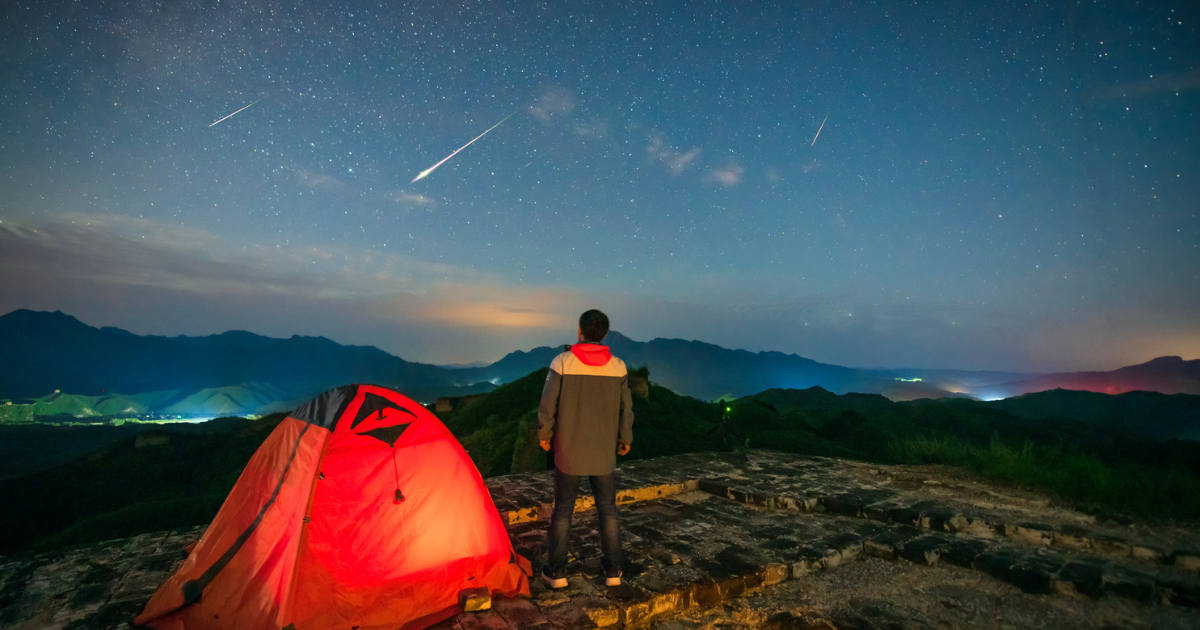
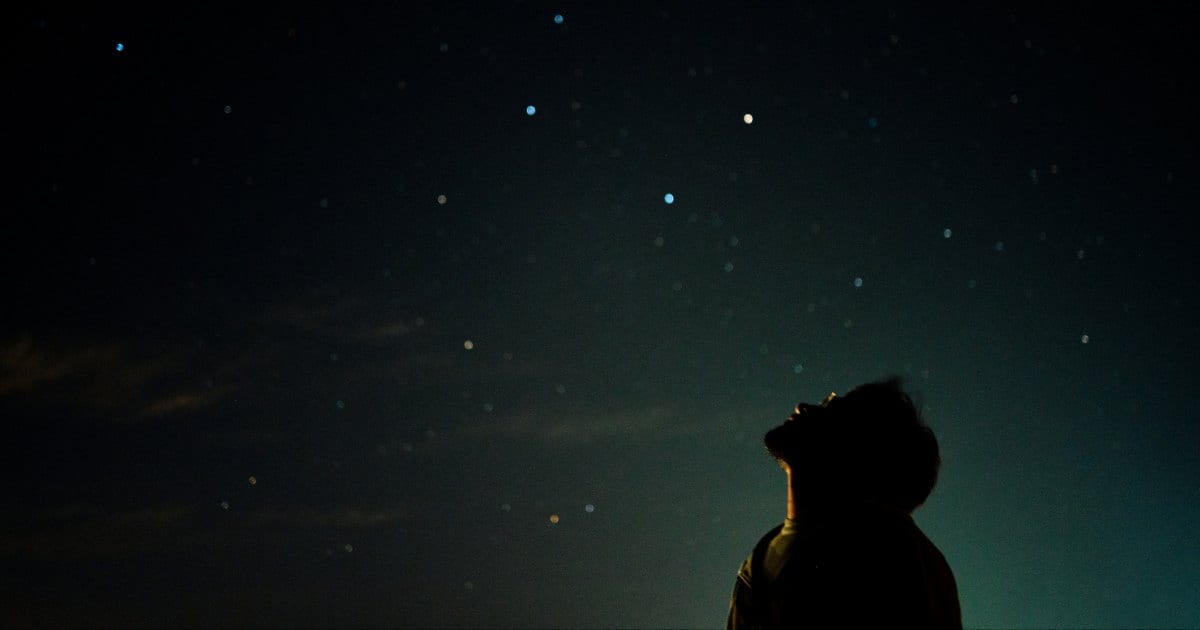
You don't need any fancy equipment like telescopes or binoculars to enjoy the meteor shower; your eyes will do just fine, as per NASA. In fact, using them might limit your view since you’ll want to see as wide an area of the sky as possible. Make sure the sky is clear, with little to no clouds around. And don’t forget to give your eyes some 20 to 30 minutes to adjust to the dark before you start watching. Try to avoid bright screens or any light sources during that time. Also, dress warmly and bring along insect repellent, plus something comfy to sit or lie on, like a reclining chair, or a sleeping bag, per USA Today.
The prime viewing times are after midnight for a good reason related to how the Earth orbits. Once it’s past midnight, the Earth turns so that it heads right into the debris stream from the comet. Even though the shower seems to come from the Leo constellation (its 'radiant'), it's not required to look directly at that spot. If you watch the meteors a bit further away from the radiant, you'll see longer and more impressive trails. Experts usually suggest shifting your gaze about 45 degrees away from the radiant for the best view.
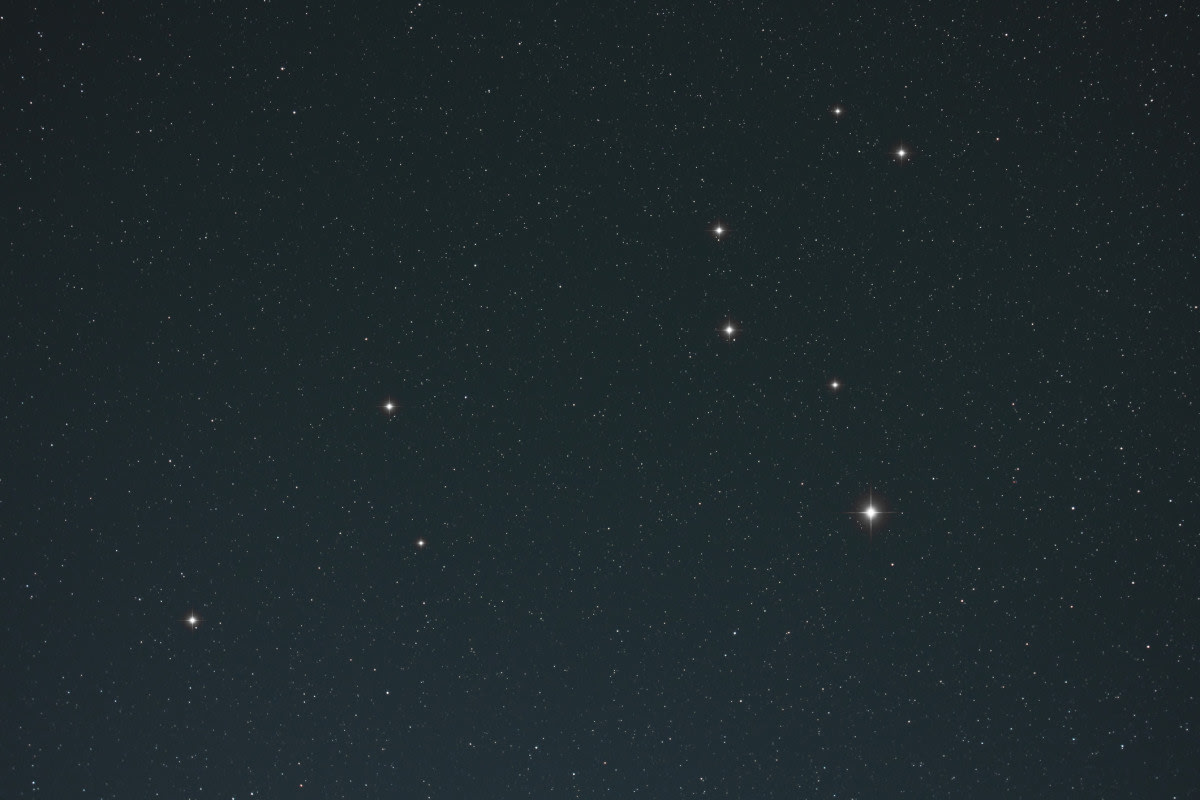
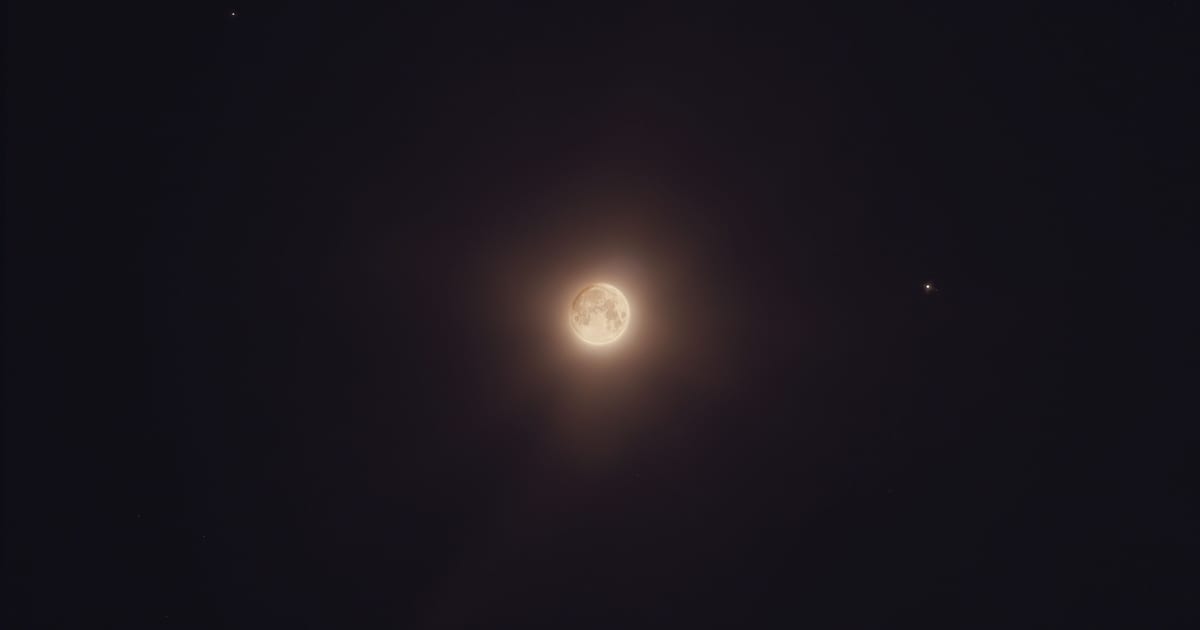
After the amazing meteor show, stargazers will get to enjoy a rare lunar event just three days later. On November 20, 2025, the New Moon will be at its farthest point from Earth in almost twenty years. This impressive distance, called apogee, shows just how dynamic the Earth-Moon relationship can be. On that day, the Moon will be about 252,706 miles (or 406,691 kilometers) away from the center of our planet. This maximum distance is unique and won’t happen again until December 2043.
More on Starlust
In pics: November's Beaver Supermoon dazzles skywatchers around the globe
November 2025 skywatching guide: This year's biggest supermoon, Leonids fireballs and more