Full Beaver Supermoon 2026: Best viewing locations in the U.S. for November 24 spectacle
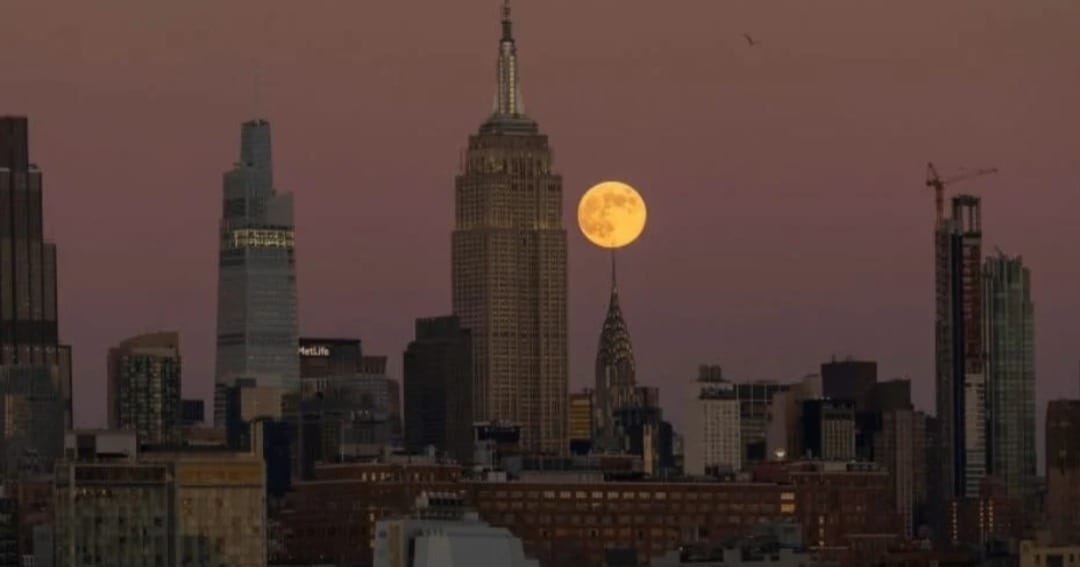
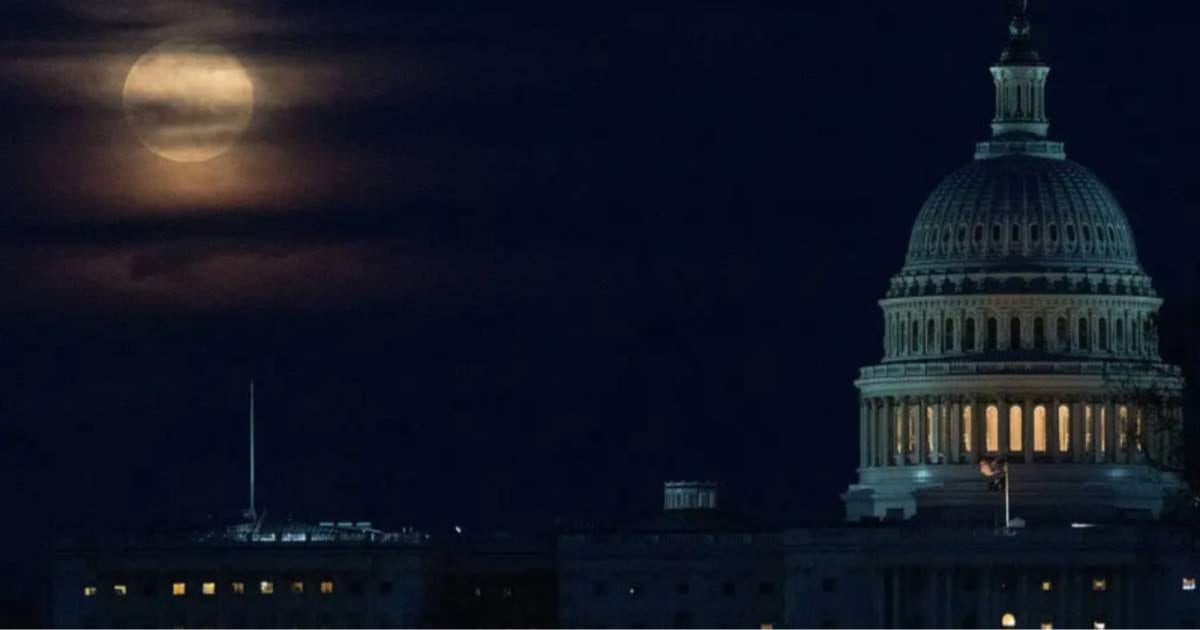
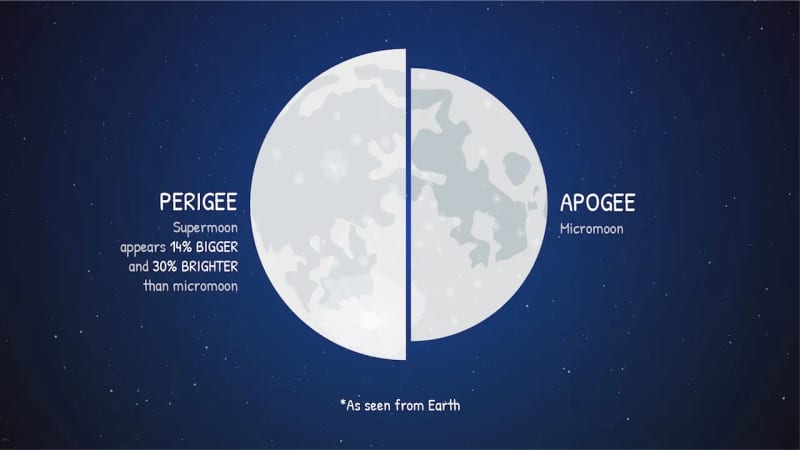
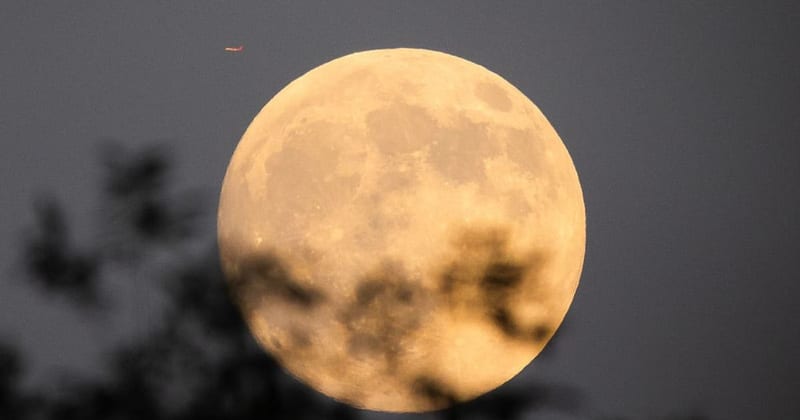
The Beaver Moon will light up the sky on November 24, 2026, creating quite a spectacle for stargazers. This Full Moon in November is also a supermoon—a phenomenon occurring when the Moon is closest to Earth in its orbit and appears larger and brighter than a regular Full Moon. The name 'Beaver Moon' is given because beavers are at their busiest during this time of year, gearing up for winter by building dams and stocking up on food, according to NASA. Incidentally, the 2026 Beaver Moon is the first in a series of three consecutive supermoons, followed by the December 2026 and January 2027 full moons.
When to see the Full Beaver Supermoon in 2026
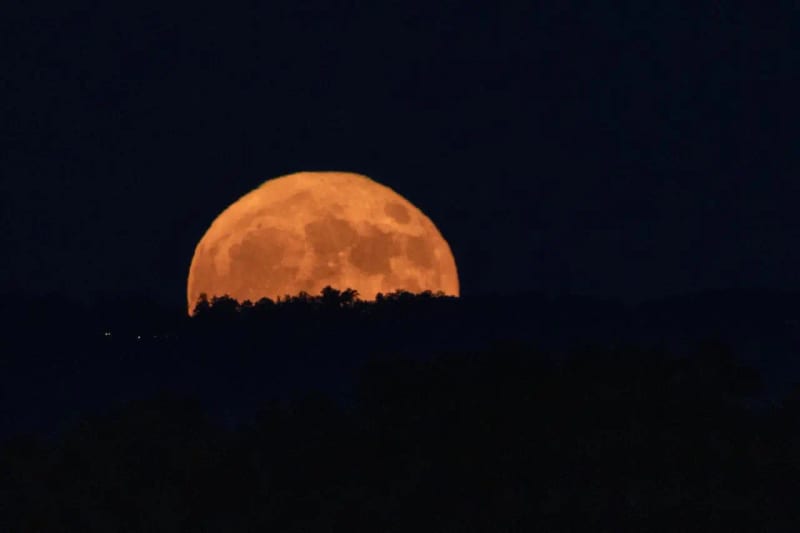
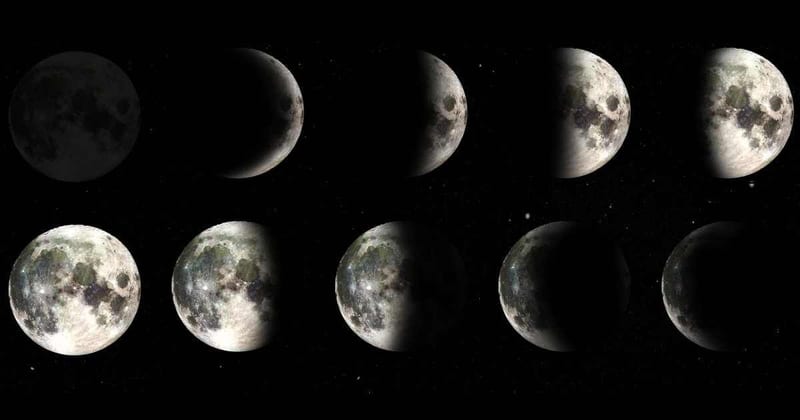
The Beaver Supermoon will reach peak illumination at 9:53 a.m. EST on Tuesday, November 24, according to the Farmers' Almanac. Because this occurs during daylight across the United States, the evenings of November 23 and 24 will offer the best opportunities to see the nearly full Moon, weather permitting.
Where and how to see the Full Beaver Supermoon in 2026
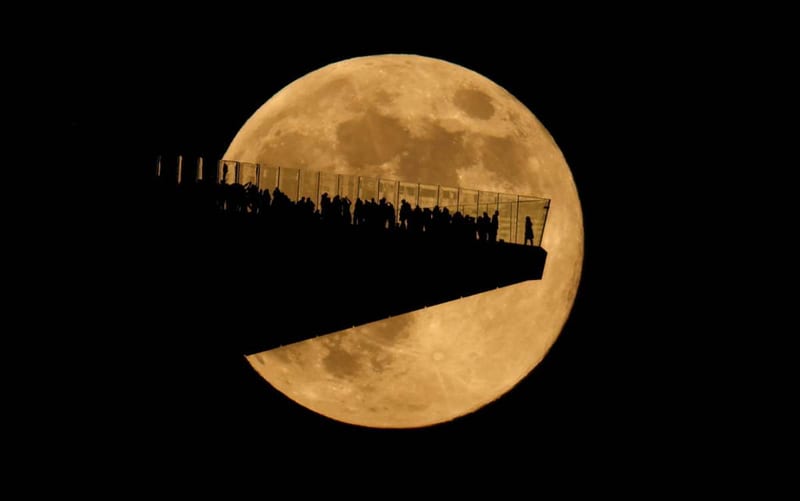
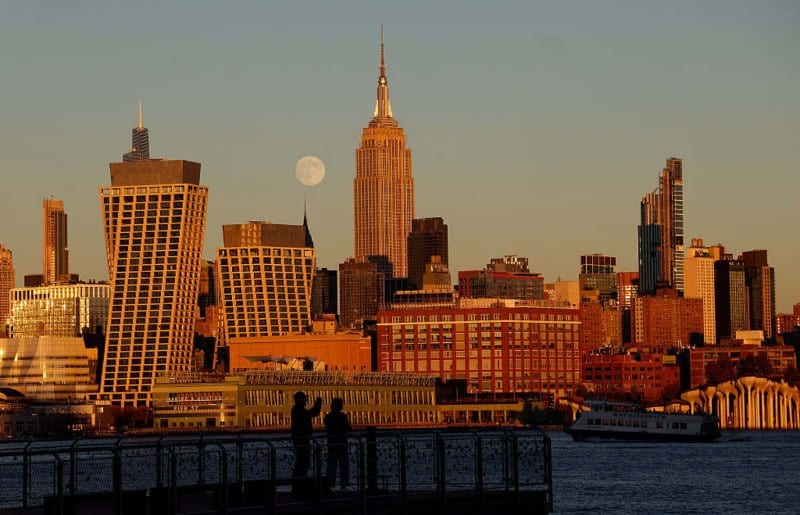
The Beaver Supermoon will rise in the eastern sky around sunset on the night of its full phase. It will be located high in the southern sky around midnight, and will set in the western sky around sunrise. You can view it with the naked eye, without needing a telescope or binoculars.
Best viewing locations for Full Beaver Supermoon 2026 in the U.S.
Below are some ideal viewing locations from where you can enjoy a breathtaking view of the Full Beaver Supermoon in the U.S., based on information from the National Park Service. While you do not need a dark sky to see the Full Moon—it is bright enough to be seen from the middle of a light-polluted city—these national parks, which have been certified by Dark Sky International as International Dark Sky Places, offer stunning, unobstructed landscape foregrounds for lunar photography. Keep in mind, however, that the intense glare of the supermoon will wash out the faint stars and dark sky objects that are typically visible from these parks.
1. Grand Canyon National Park, Arizona
One of the most famed national parks for stargazing, the park provides good visibility owing to its dry climate. The park's South Rim offers several viewing locations where light interference is minimal, whereas at the North Rim, you can enjoy the solitude as there are fewer visitors. Your eyes will need 30 minutes to adapt to the dark. Also, don't forget to carry a red light source to aid in navigating the dark without ruining your night vision.

2. Joshua Tree National Park, California
Joshua Tree is an appealing destination for those seeking a desert landscape beneath the Full Moon. Its distinctive rock formations and silhouetted Joshua trees can provide dramatic foreground elements for lunar photography. This park has four main designated areas for skywatching—the parking lots of Quail Springs, Cap Rock, Hidden Valley, and Ryan Mountain. The park also has nine established campgrounds where you can enjoy camping, with Cottonwood Campground offering the darkest skies.
3. Arches National Park, Utah
The park is known for its natural sandstone arches, and almost 100 percent of this park's lighting fixtures are night-sky friendly. Also, the absence of trees and sprawling vistas make this spot a great place for skywatching. Balanced Rock, the Windows Section, and Panorama Point are among the park’s recommended stargazing locations.
4. Death Valley National Park, California
Mesquite Flat Sand Dunes, Harmony Borax Works, Badwater Basin, and Ubehebe Crater are among the park’s recommended stargazing locations. Death Valley’s exceptionally dark night skies have earned it Gold Tier status from the International Dark-Sky Association. Taking a leisurely walk through Mesquite Flat Sand Dunes or Badwater Basin can be a memorable experience, with the Full Moon night offering natural illumination.
5. Big Bend National Park, Texas
Big Bend is another strong choice for Moon watchers seeking wide-open landscapes and relatively dark skies. Mountains, desert terrain, and distant horizons can provide striking settings for viewing the supermoon. Its remote location also makes it appealing to photographers hoping to escape urban light pollution. Prepare for changing temperatures and check road conditions before traveling to a viewing spot.