Catch Venus shining at its brightest in November: Citywise timings in the U.S. for best views
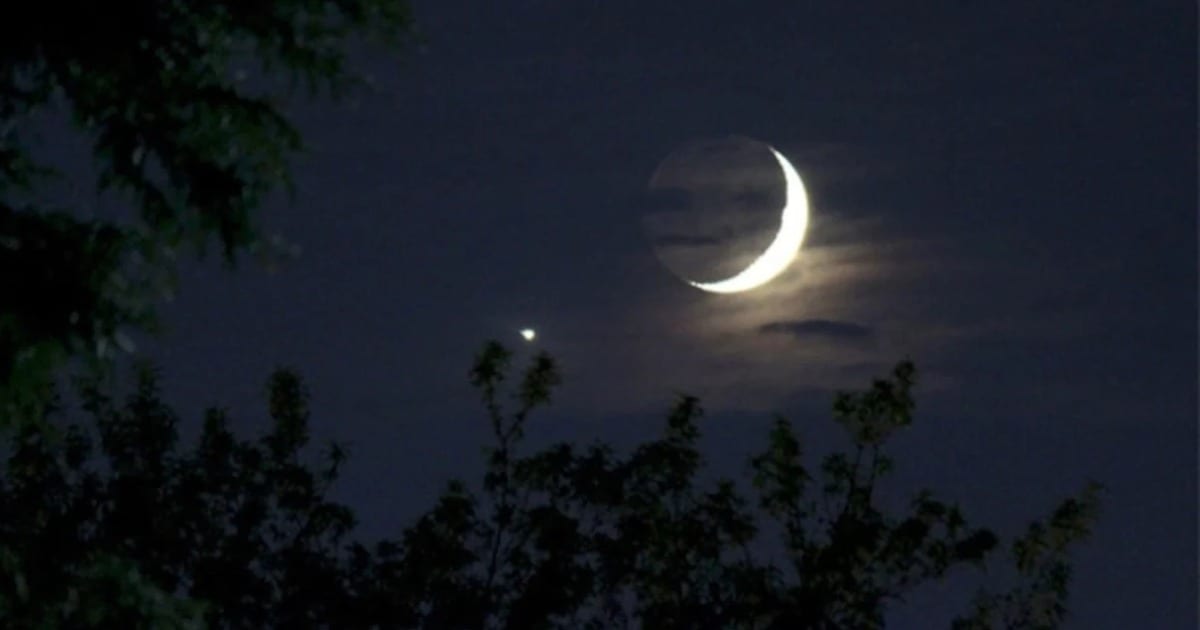
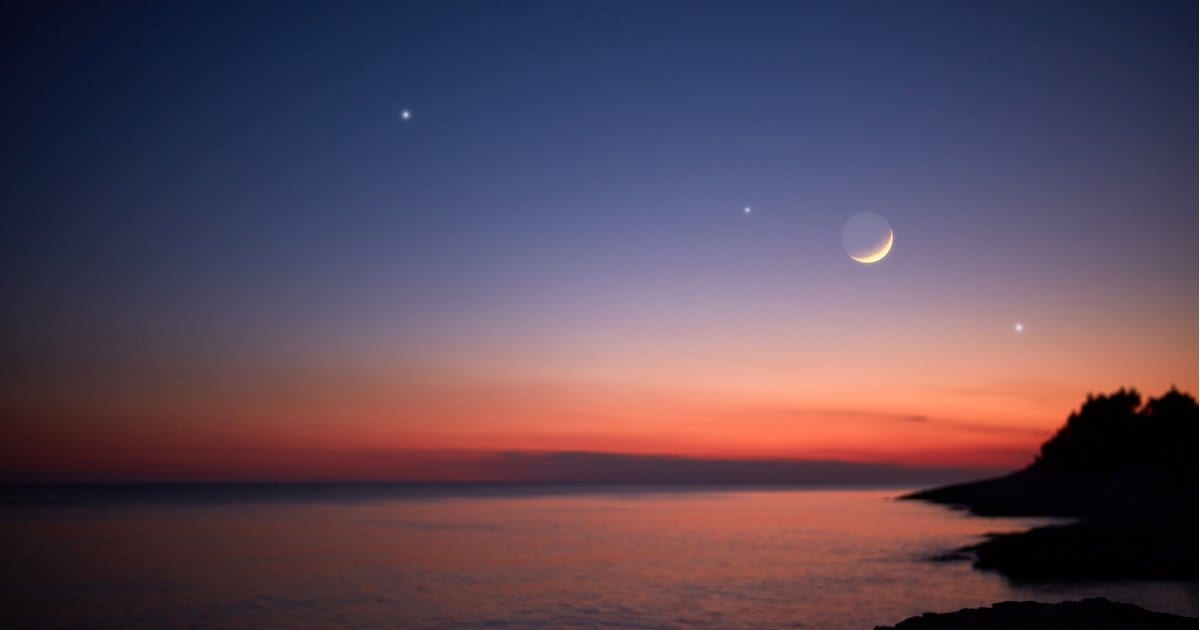
You will find it hard to miss Venus in the night sky this November, as it will be the show-stealer. The planet will attain its peak brightness this year on November 27, according to Time and Date. Shining at an apparent magnitude of −4.87 in the pre-dawn sky, it would outshine even the brightest star in the sky, Sirius, glowing 20 times brighter than the latter.
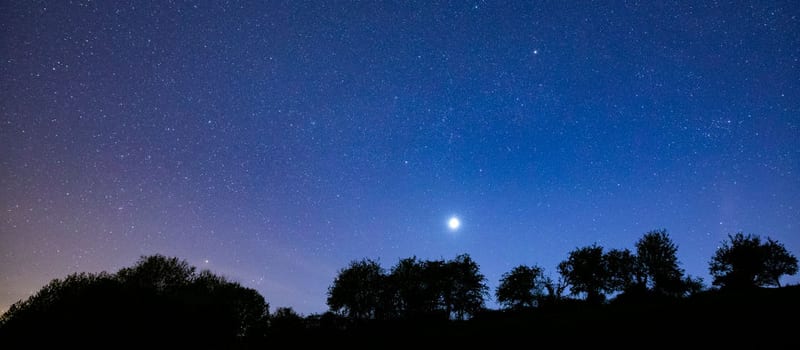
Venus was similarly bright on September 22 this year when it lit up the evening sky at a slightly lower magnitude of -4.78. Southern Hemisphere observers got the best view during this September peak, with Venus riding high at the time of sunset. Meanwhile, in the Northern Hemisphere, the planet slipped beneath the horizon during evening twilight.
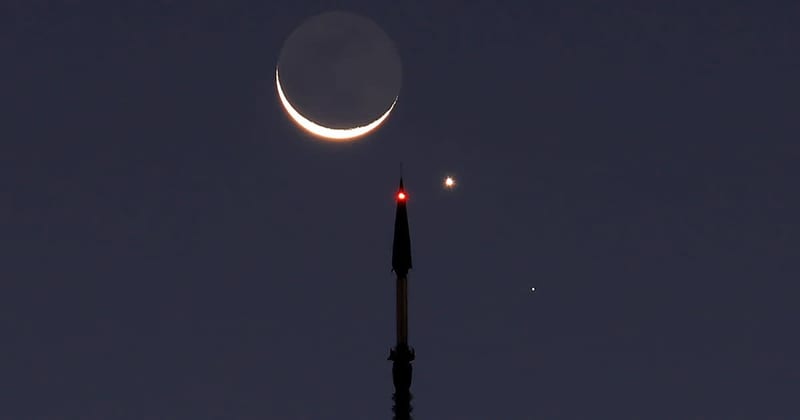
The two periods of maximum brightness occur before and after Venus's inferior conjunction on October 24, when the planet moves between the Sun and Earth. As the planet approaches this alignment, it becomes increasingly difficult to spot, as for several days, the Sun's glare makes Venus virtually invisible in the sky. In the weeks surrounding the conjunction, the changing positions of Earth and Venus offer different views of the planet's illuminated surface. This produces its crescent phases, with a waning crescent visible in September and a waxing crescent appearing in November.
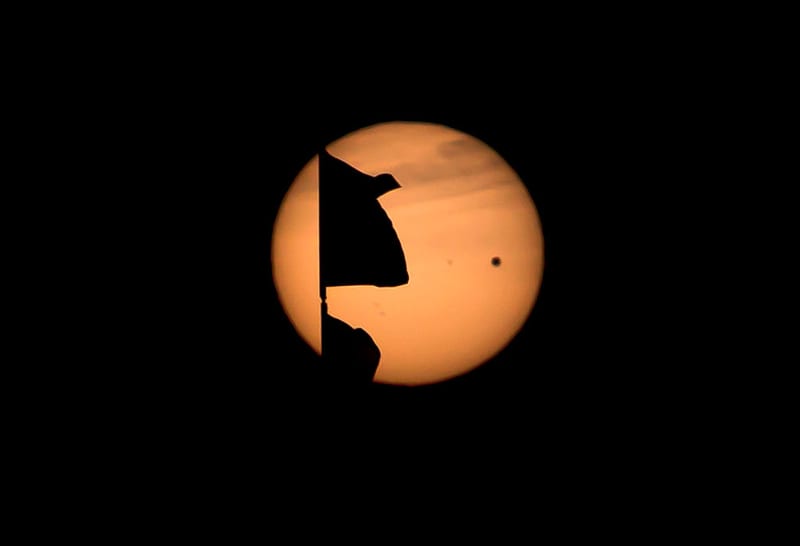
When to watch Venus in November: City-wise timings in the U.S.
The following table gives Venus' rise and set times on the peak date, that is, November 27, in different U.S. cities, according to the data given on Time and Date. Even though the planet will dazzle the brightest on this date, it will remain strikingly bright during the days and weeks on either side of its peak, so there are plenty of chances for you to enjoy its breathtaking view in the coming month.
U.S. city | Rise time | Set time |
|---|---|---|
New York | 03:38 EST | 14:39 EST |
Los Angeles | 03:28 PST | 14:42 PST |
Chicago | 03:34 CST | 14:32 CST |
San Francisco | 03:48 PST | 14:55 PST |
Boston | 03:28 EST | 14:25 EST |
Seattle | 03:59 PST | 14:43 PST |
Houston | 03:53 CST | 15:14 CST |
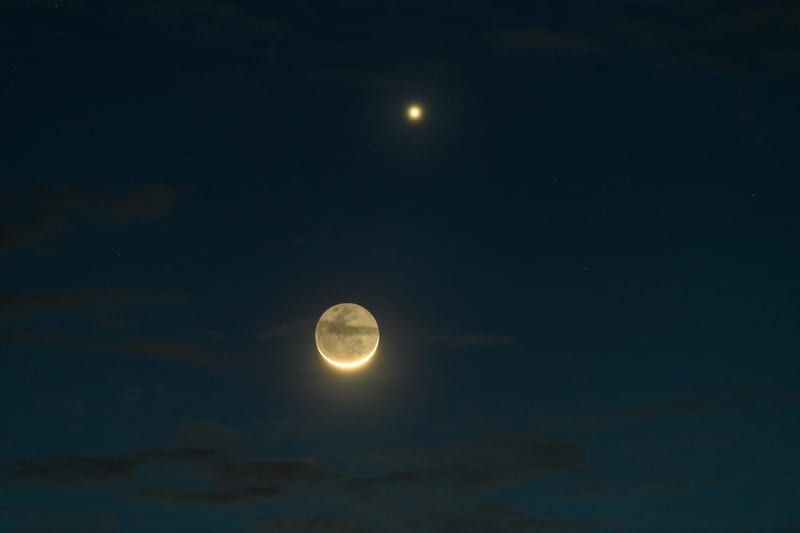
Where to watch Venus in November
Venus will appear in the sky before dawn and can be viewed from both hemispheres. However, Northern Hemisphere viewers will have an edge, as the planet climbs above the horizon long before the Sun does. Meanwhile, Southern viewers will be able to spot it once morning twilight starts, particularly at far southern latitudes. But while the planet is bright enough to be spotted as a dot of light with the naked eye, a pair of binoculars or a small telescope will certainly make the experience better. Choose an open location away from tall buildings and trees, with an unobstructed view of the night sky.
More on Starlust
Don't miss the second Supermoon of 2026 in November: Date, city-wise timings and viewing tips