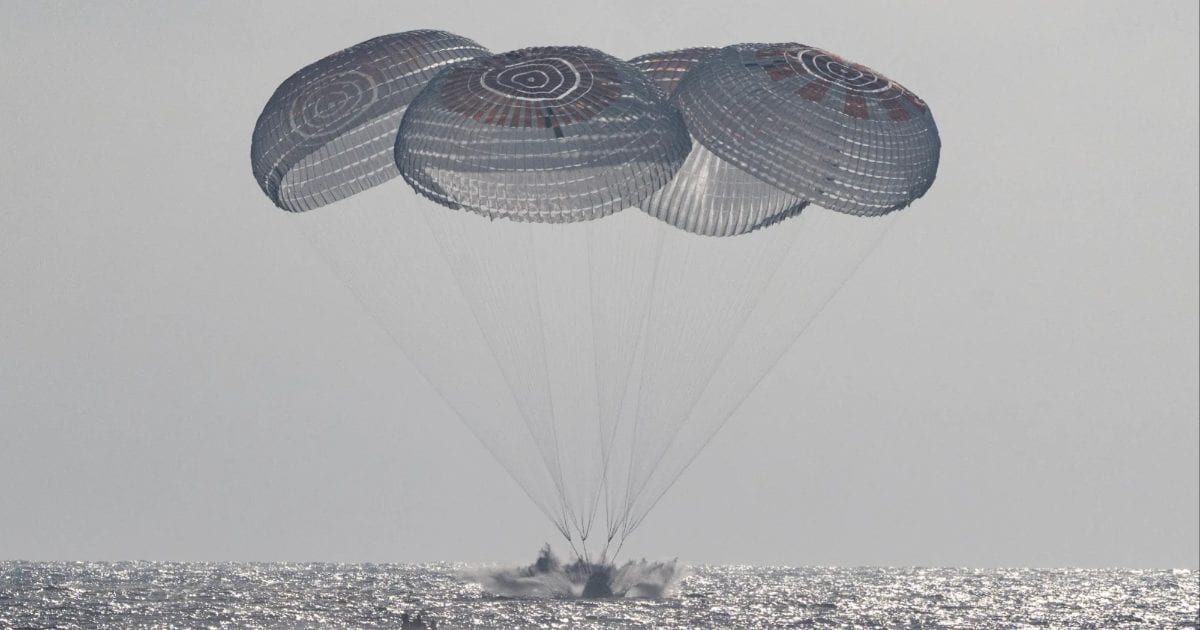
ESA–China's Smile mission launches April 9 to study how Earth reacts to solar wind
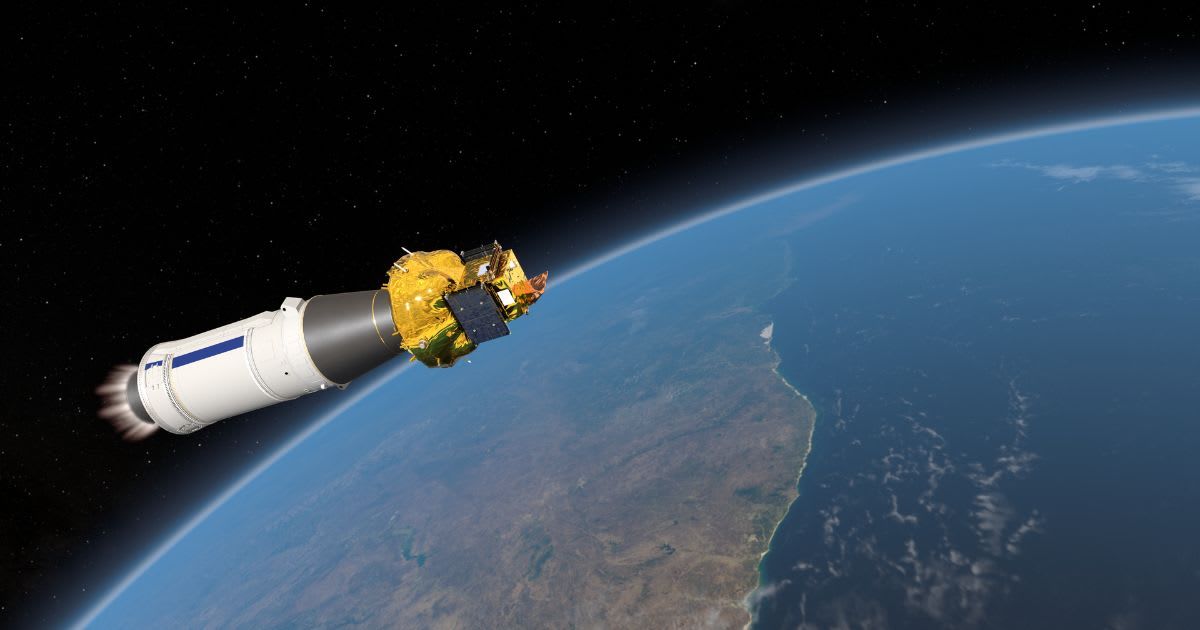
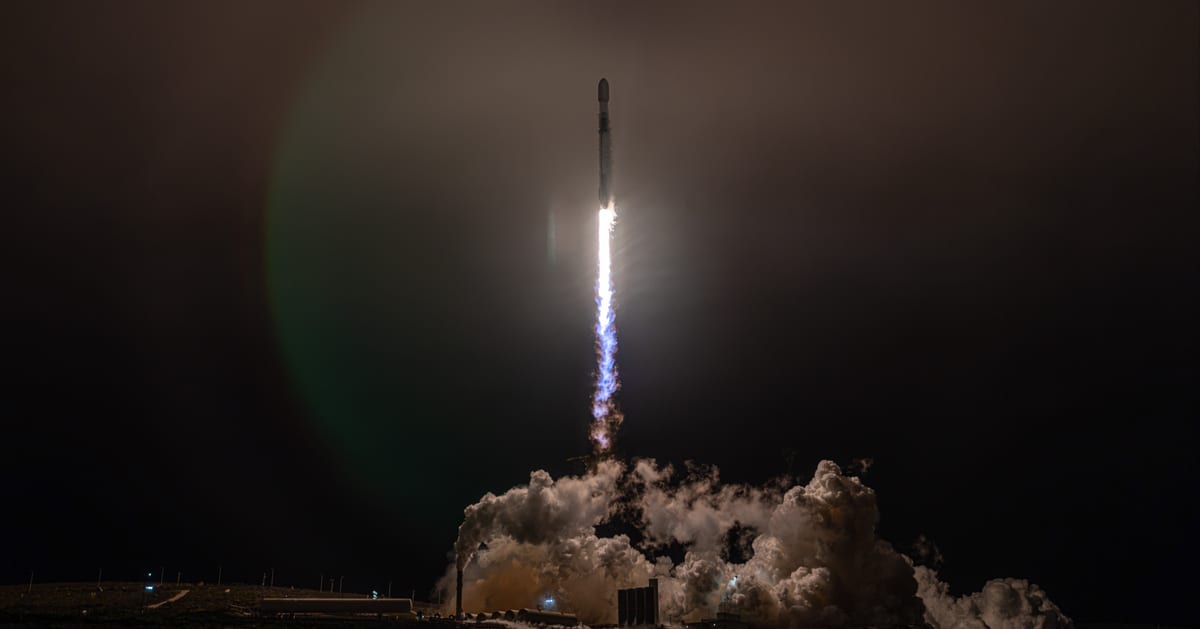
Preparations are in full swing for the European Space Agency’s Smile mission launch, confirmed for April 9, 2026. Short for Solar wind Magnetosphere Ionosphere Link Explorer, Smile is a collaboration between ESA and the Chinese Academy of Sciences (CAS). A Vega-C rocket will carry it from Europe’s Spaceport in French Guiana at 08:29 CEST. The mission’s core goal is to study how Earth reacts to solar wind, which could lead to better space weather prediction and in turn, protect satellites, communications, and power systems.
🚨 We have a launch date!
— ESA Science (@esascience) March 20, 2026
The Smile mission is set to launch on a Vega-C rocket from Europe’s Spaceport on Thursday 9 April at 08:29 CEST.
A collaboration between ESA and the Chinese Academy of Sciences, Smile will study how Earth responds to the solar wind from the Sun. 1/2 pic.twitter.com/itghNrpdLr
Recently, ESA hosted a pre-launch media briefing for Smile. The spacecraft comprises four instruments — a soft X-ray imager, an ultraviolet imager, a magnetometer, and an ion analyzer. Together, they will make the first-ever X-ray observations of Earth’s magnetic field. Previous missions like Cluster could only observe local conditions, whereas Smile would image the magnetosphere globally. The mission’s cameras will observe auroras in new energy bands (including X-ray and UV) continuously for up to 45 hours, since they act as visible markers of space weather activity.
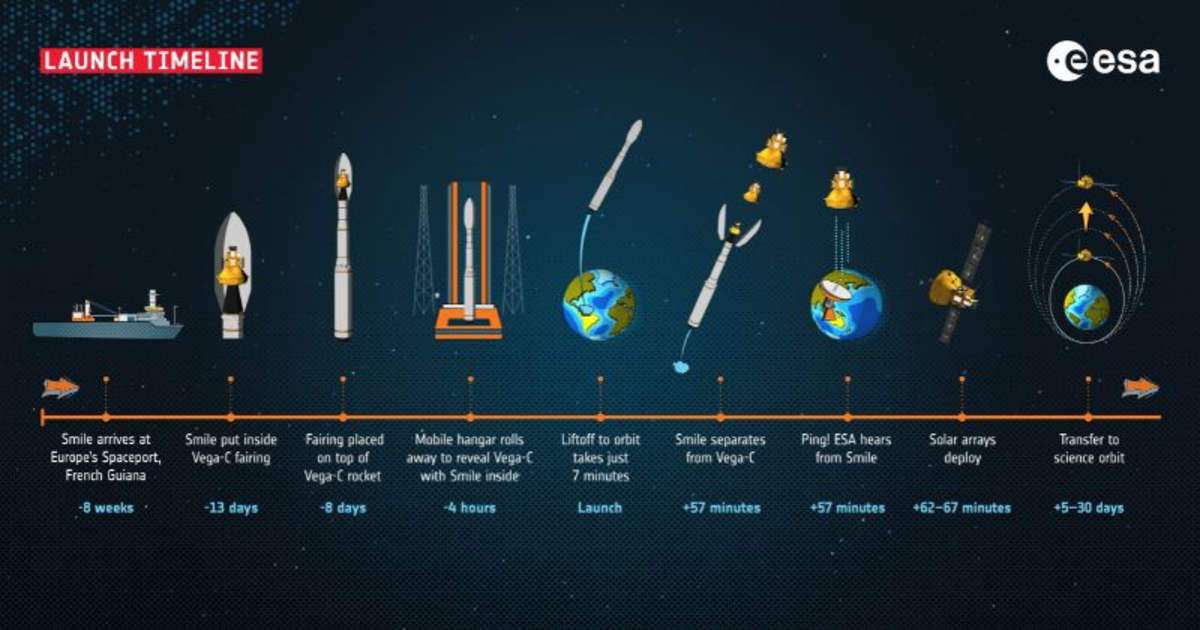
According to ESA’s plans, Smile will be released from the Vega-C rocket 57 minutes after launch, and solar panels will deploy at 63 minutes to confirm mission success. While in low-Earth orbit initially, the spacecraft will then transfer to a highly elliptical orbit, reaching up to 121,000 km above the North Pole for data collection. Smile will also move down to 5,000 km above the South Pole for sending back data to ground stations. Such an orbit allows the instruments to obtain a full-fledged global view of Earth’s magnetic fields.
The Smile mission will view the full Sun-Earth connection, helping us solve 3️⃣ mysteries:
— ESA Science (@esascience) March 23, 2026
🌬️ 🌍 What happens where solar wind meets Earth’s magnetic shield?
🌍 ⚠️ What causes magnetic glitches on the dark side of Earth?
🚨 🧲 How can we predict the most dangerous magnetic… pic.twitter.com/7sVGGudOBF
Science operations are expected to begin in mid-July, and the joint ESA–CAS mission’s lifetime is around three years. ESA’s contributions include the payload module, the soft X-ray imager, launcher, and testing facilities, as well as a partial contribution to the ultraviolet imager. As for CAS, they took responsibility for the other three Smile instruments, the spacecraft platform, and overall operations in orbit. This major international collaboration is part of ESA's Cosmic Vision program, which focuses on answering the question, “How does the Solar System work?”
More on Starlust
Rocket Lab's launch of ESA’s first Celeste LEO-PNT satellites delayed due to bad weather