Scientists unveil largest-ever simulation of our universe in aid of ESA's Euclid mission
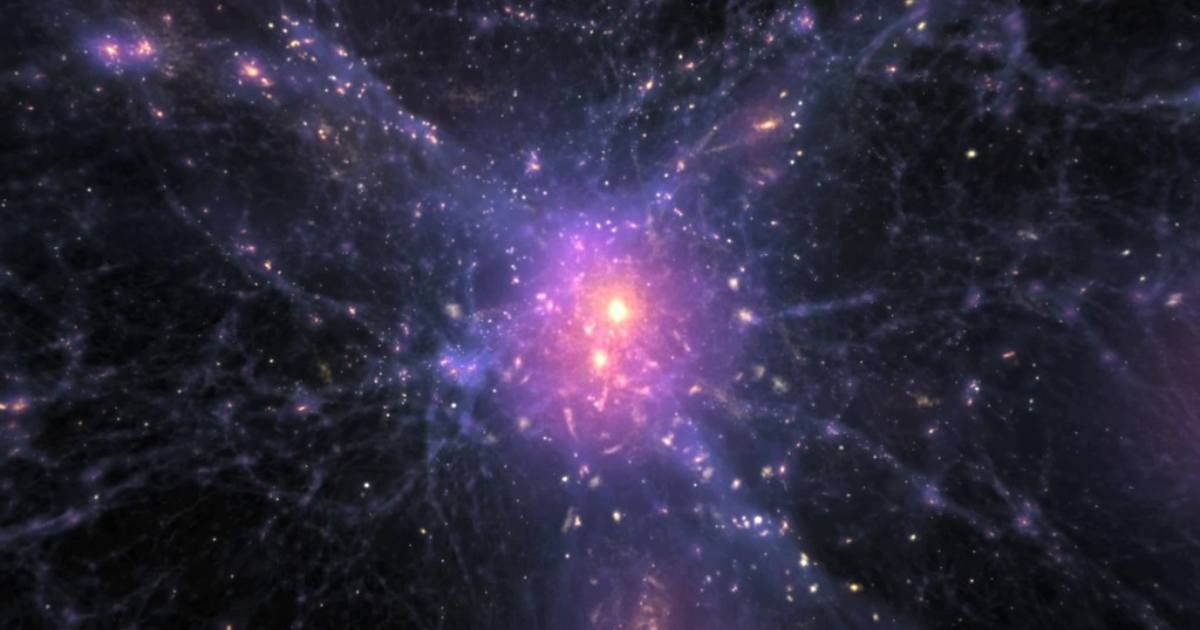
A global team of scientists has successfully generated the largest simulated galaxy catalog in history, an unprecedented computational feat designed to train and validate the operations of the European Space Agency's (ESA) Euclid mission. The new resource, dubbed the 'Flagship 2 galaxy mock,' features over 3.4 billion galaxies, meticulously reproducing what the powerful Euclid space telescope is expected to observe across a third of the sky, as per the Euclid Consortium.
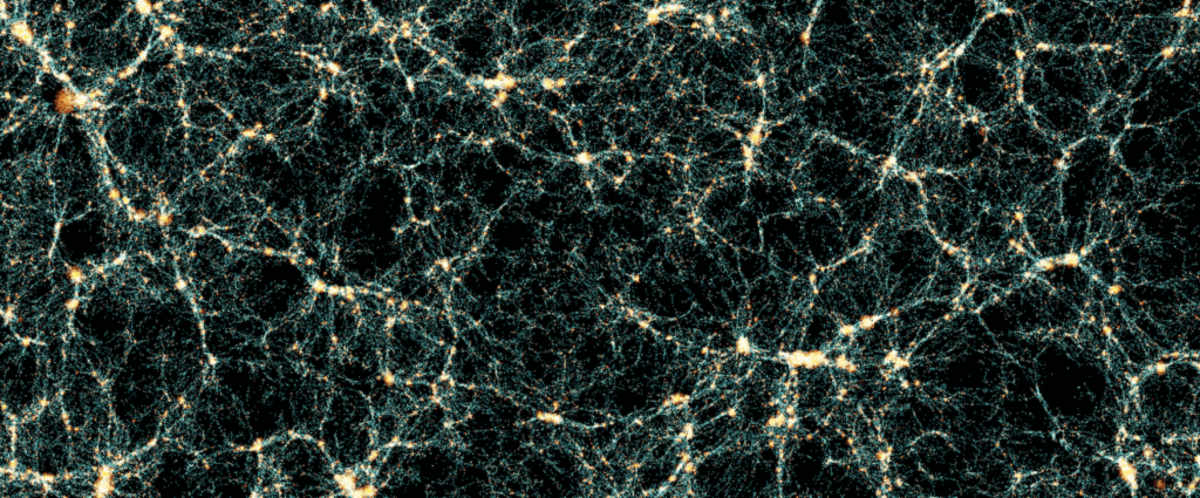
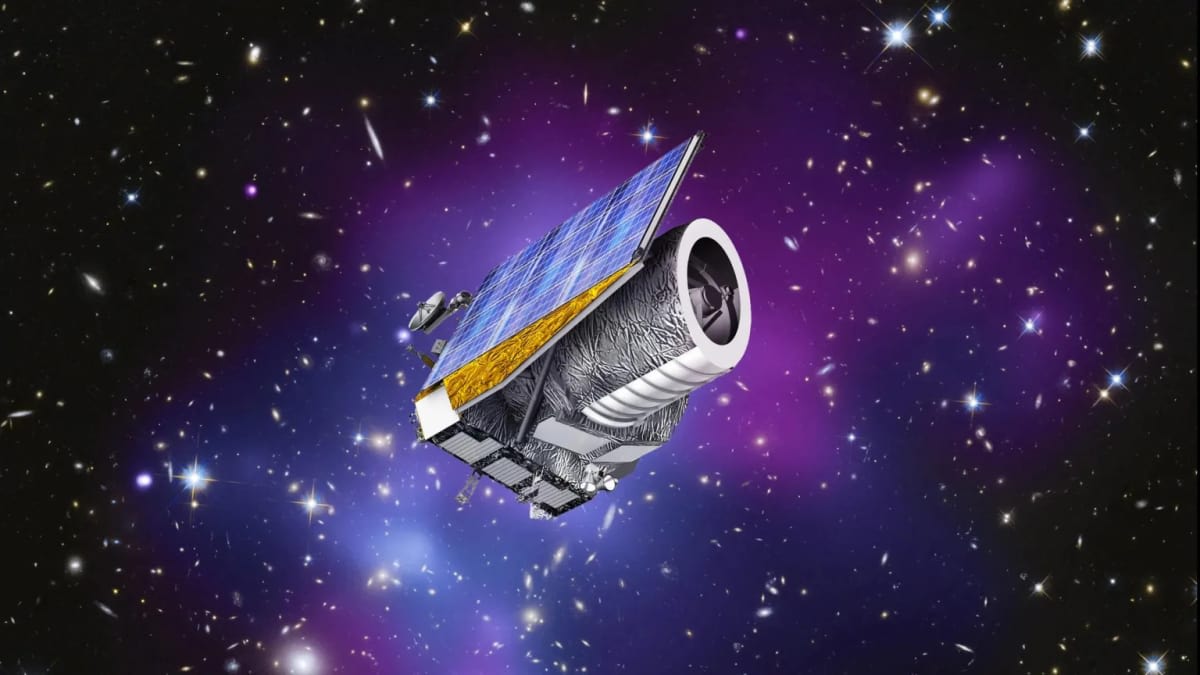
Launched in July 2023, the Euclid mission is currently midway through a six-year observation period focused on mapping the "dark universe." To prepare for the flood of data, researchers, led by the Institute of Space Sciences (ICE-CSIC) and the Port d’Informació Científica (PIC), developed this synthetic universe, which mimics distant galaxies that emitted their light more than 10 billion light-years ago. The full catalog is now openly available on the CosmoHub platform.

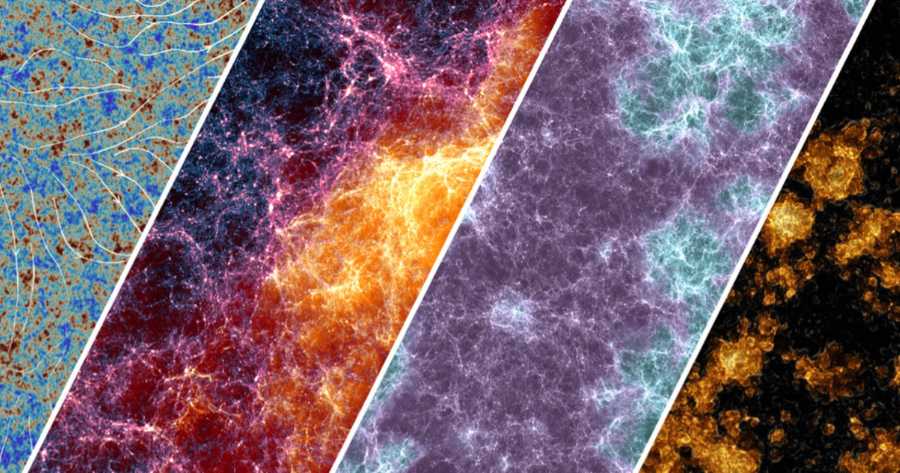
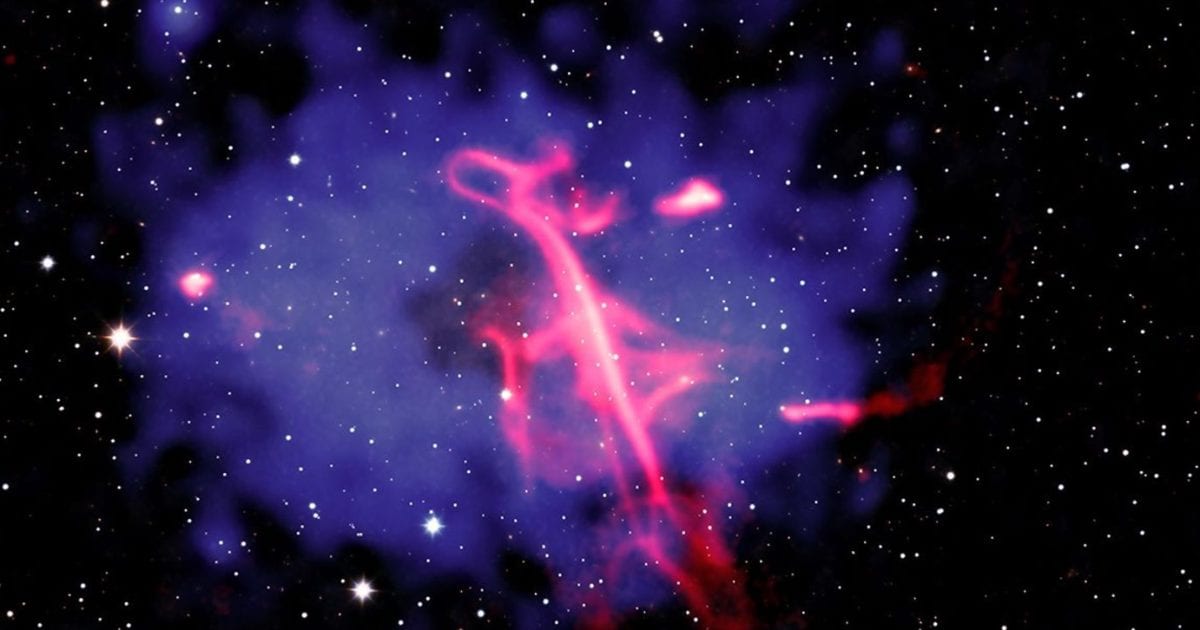
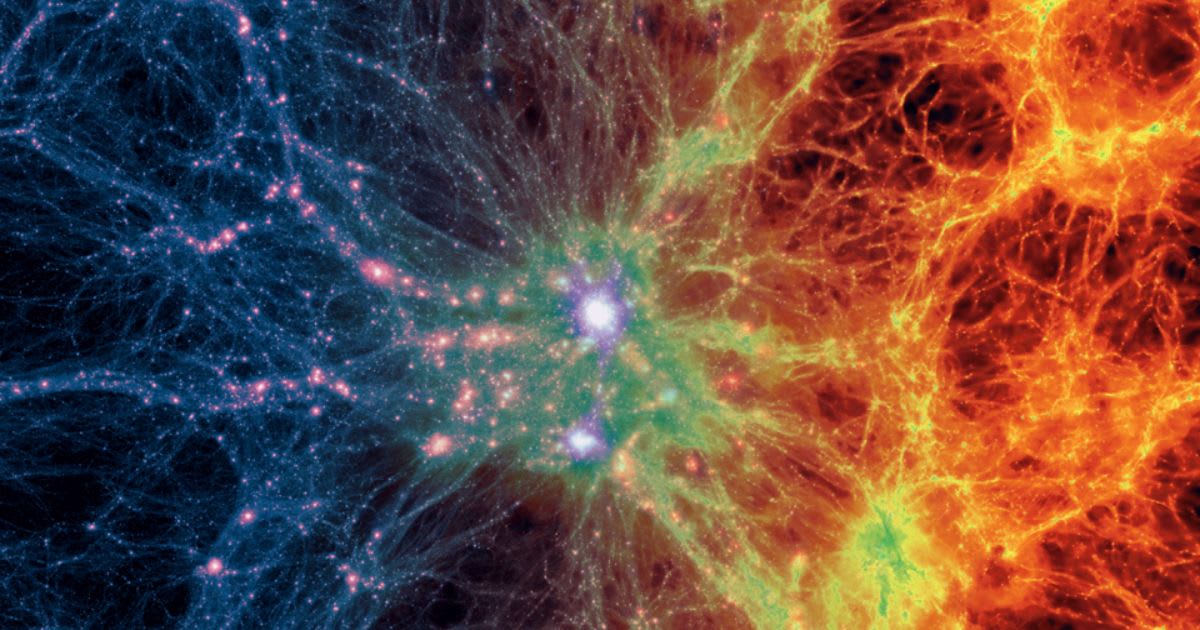
The simulation is crucial for astrophysicists aiming to construct a final 3D map of the universe. By replicating the "cosmic web," the large-scale structure of the universe, the catalog will allow scientists to test the standard cosmological model and significantly advance the understanding of elusive dark energy and dark matter. To build this virtual cosmos, the team employed computational models that tracked the movement of 4 trillion particles governed by gravity. Within that vast simulation, they identified 16 billion gravitationally bound objects, known as haloes, which were then populated with over 3.4 billion model galaxies. These models include more than 400 properties, such as brightness, position, and shape, providing an exquisite reproduction of the visible universe.
Experts stress that the utility of this massive data set extends far beyond the Euclid project itself. “This is a huge step for the scientific community, since it is now accessible to everyone," said Jorge Carretero, a researcher at PIC. "It can be used as a reference simulation for other astronomical surveys and their combinations.” He adds that the catalog can "have many different scientific applications beyond the context of the Euclid mission.”
The synthetic catalog will be a vital tool for developing software pipelines to extract cosmological data and for detailed studies of how galaxies form and evolve. “The main value of the Flagship catalogue is its comprehensive set of properties that have been derived per galaxy," points out Pablo Fosalba, a researcher at ICE-CSIC. "We have checked that many of these properties closely resemble what we see in observational data, but we are just starting to explore how far we can go in terms of predicting properties that future galaxy surveys will observe in great detail," as mentioned by the outlet.
According to Yannick Mellier, the Euclid Consortium lead, these simulations "successfully meet the precision and accuracy necessary to challenge cosmological models to the true dark universe.” As the Euclid Consortium continues to refine the catalog, the initial 'Flagship mock' is already being used to test observational techniques and to connect the visible universe with its dark components, cementing its role as a cornerstone of large-scale future galaxy surveys.
More on Starlust
Simulations solve 'early universe' puzzle and reveal 'star systems' never seen before
What came before the Big Bang? New simulations offer a glimpse into the origins of the universe