Scientists successfully grow chickpeas in simulated moon dirt
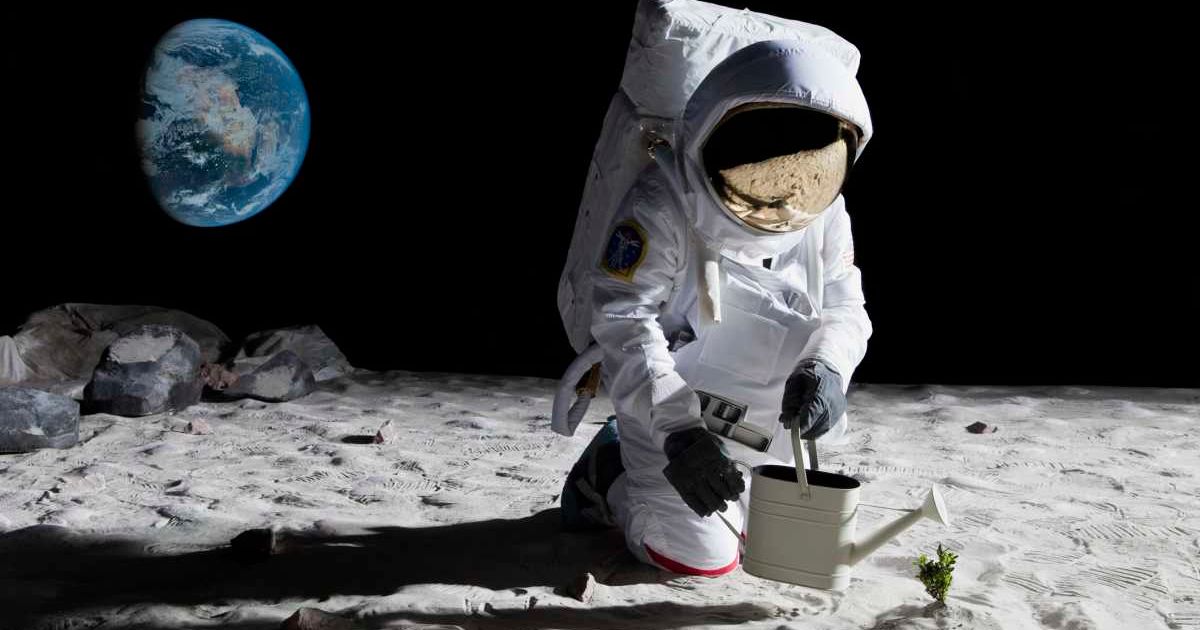
NASA wants more than just to return astronauts to the Moon. It wants them to stay. But one of the main questions for future astronauts is what they will eat once they arrive on the barren landscape. Well, a research team from Texas A&M University has come up with an answer. They have grown chickpeas in simulated lunar regolith, the rocky surface of the Moon, and successfully harvested them. The study, published in the journal Scientific Reports, pushes humans a step closer to their long-cherished dream of setting up a human colony on the lunar surface.
“The research is about understanding the viability of growing crops on the Moon,” said co-author and principal investigator Sara Oliviera Santos, a distinguished postdoctoral fellow at the University of Texas Institute for Geophysics (UTIG) at the Jackson School of Geosciences, in a statement. “How do we transform this regolith into soil? What kinds of natural mechanisms can cause this conversion?” The lunar soil lacks the microorganisms essential for plants and is rich in metals that could be toxic to them. For their experiments, Sara and her teammates used simulated lunar regolith from Exolith Labs, a mix that mimics the composition of lunar samples brought back by the Apollo astronauts.
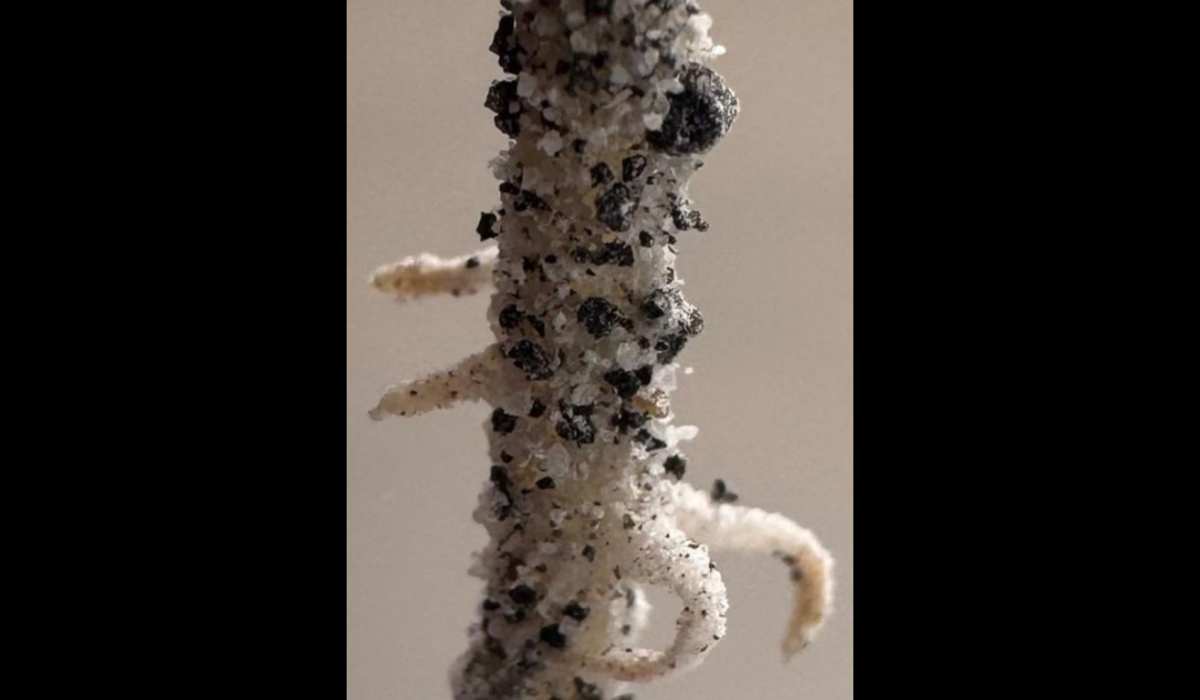
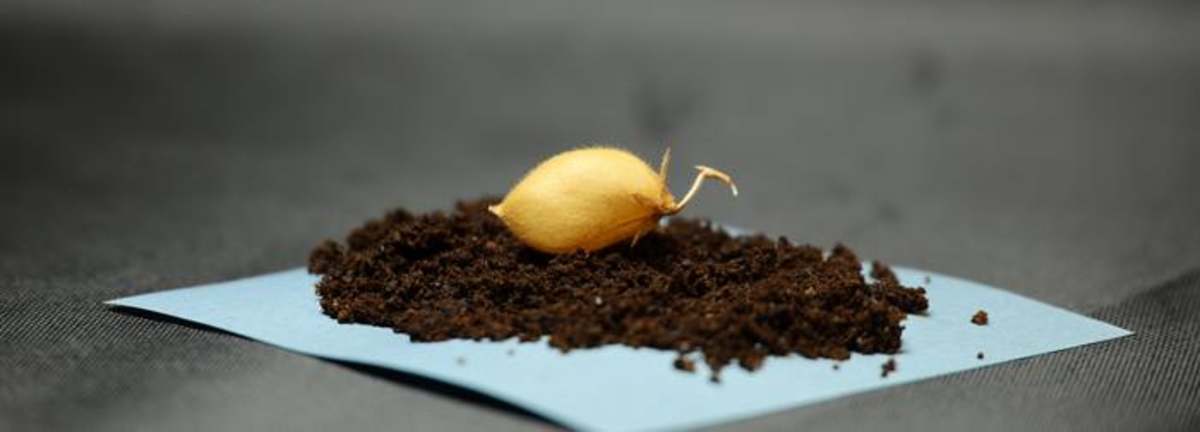
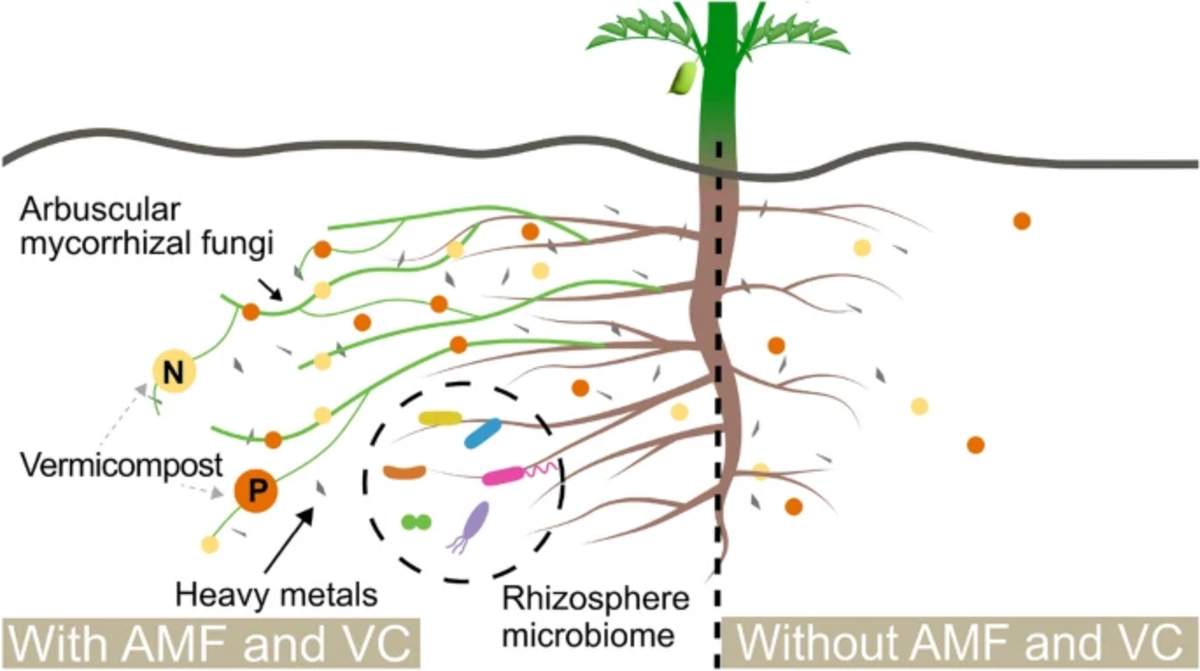
They then converted lunar regolith simulant (LRS) into fertile growth medium by mixing it with vermicompost and coated the chickpeas with arbuscular mycorrhizal fungi (AMF). Red wiggler earthworms feed on food scraps, cotton-based clothes, and hygiene products otherwise discarded on missions and convert them into vermicompost with the help of their diverse microbiome. The fungi, on the other hand, are known to live with chickpeas symbiotically, taking up nutrients from them while protecting them from heavy metals. Finally, the team planted the chickpeas in a mixture of LRS and vermicompost in varying concentrations and compared them with those that were not inoculated with AMF.
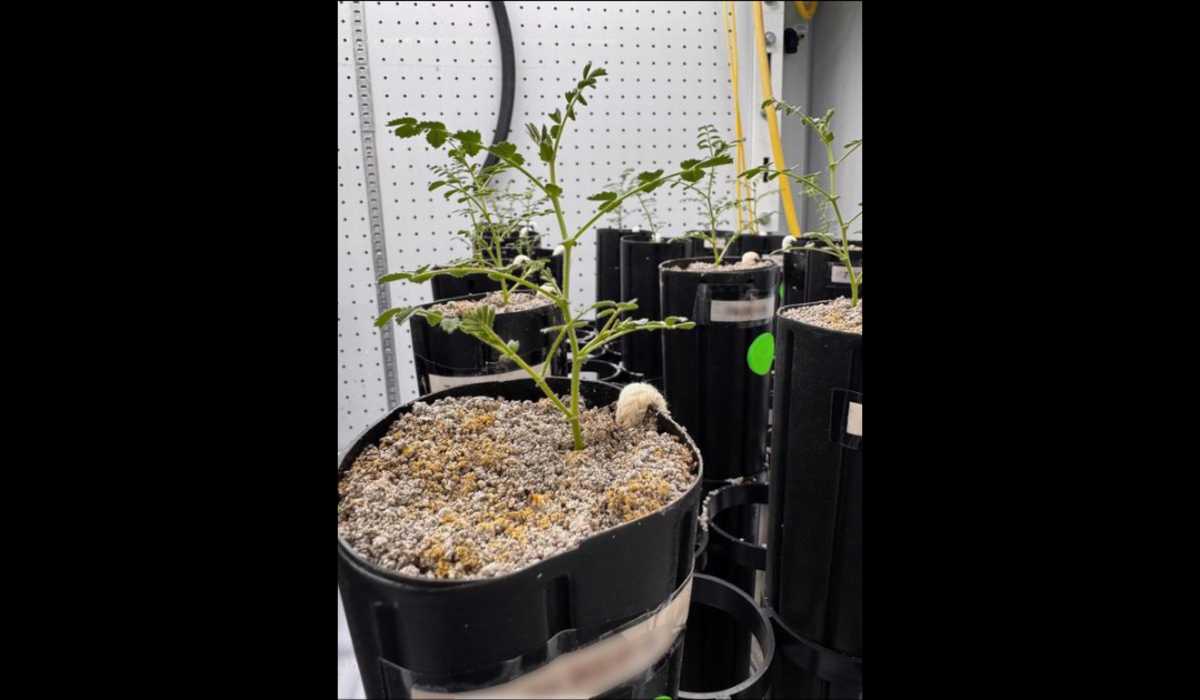
Between day 28 and 56, the fungi-treated and the untreated plants growing in up to 100% LRS developed signs of stress, including stunted growth, loss of leaf area, and reduction or lack of shoot branching. By day 56, the fungi-treated plants in 100% LRS became greener and more turgid than the untreated plants. Although even the fungi-treated plants in 100% LRS died before the end of the experiment, they outlived the untreated ones by 14 days. Meanwhile, mixtures with up to 75% LRS produced harvestable chickpeas. It is indeed a big leap forward. But it remains to be seen whether the chickpeas are tasty and safe to eat. The researchers still need to examine the chickpeas for nutritional content and see if toxic metals were absorbed during their growth.
"We want to understand their feasibility as a food source,” said Jessica Atkin, the first author on the paper and a doctoral candidate in the Department of Soil and Crop Sciences at Texas A&M University. “How healthy are they? Do they have the nutrients astronauts need? If they aren’t safe to eat, how many generations until they are?”
More on Starlust
Moon’s far-side soil may offer sturdier foundations for future bases, AI analysis suggests
Astronauts may be able to grow plants on Mars and the Moon—the 'how' will surprise you